Table of Contents:
Outsourcing CNC Machining: A Detailed Guide from Allied Metal
- December 4, 2024
- Tony
- Last updated on October 29, 2025 by Lucy
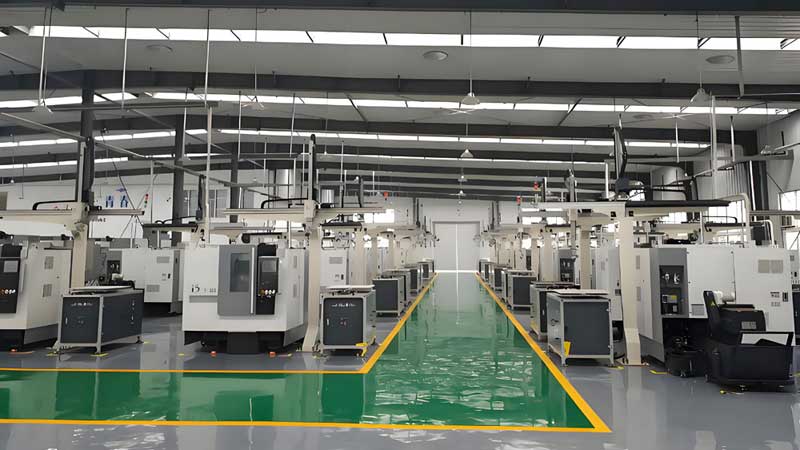
Let me be straight with you – I’ve seen companies save millions by outsourcing CNC work right, and I’ve seen others lose fortunes by doing it wrong. The difference comes down to knowing what really matters when you hand your designs to another shop.
1. Overview of CNC machining outsourcing
What is outsourced CNC machining?
Outsourcing of CNC machining is a production method in which CNC machining tasks are delegated to an outside company or factory.
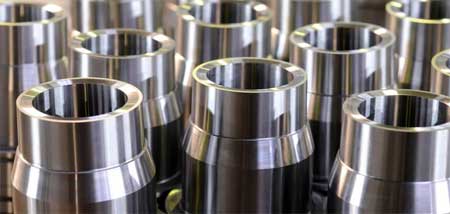
Outsourcing isn’t about finding the cheapest shop – it’s about finding the right partner. Think of it like hiring a specialist surgeon: you want someone who’s done your specific operation hundreds of times before.
Why Outsource CNC Machining?
By opting for Outsourcing CNC machining services, companies can avoid the high costs of purchasing, maintaining, and repairing CNC equipment, while also reducing staff management expenses.
More importantly, leveraging a specialized CNC machine shop ensures efficient production and delivers high-quality parts.
2. Key Factors in Selecting an Outsourced CNC Machining Supplier
Selecting the right outsourced CNC machining provider is critical for the success of your project. Here are some key factors to consider:
1. Experience You Can Measure
Don’t just ask “how long have you been in business?” Ask “how many parts like mine have you made?” I’d rather work with a 5-year-old shop that’s made 10,000 similar components than a 30-year-old shop that’s never seen my type of part.
2. Equipment That's Actually Modern
Look for shops running machines less than 5 years old. Older equipment can still make good parts, but you’re gambling on their maintenance program.
3. Quality Systems That Aren't Just Paperwork
ISO certification is the baseline. The good shops have statistical process control, first-article inspection, and can show you their scrap rates.
4. Communication That Actually Works
If they take 3 days to answer a simple email during the quoting process, imagine what happens when there’s a real problem.
5. Pricing That Makes Sense
The cheapest quote usually costs the most in the long run. The sweet spot is usually the 2nd or 3rd lowest bidder.
📌Case Study: How We Saved an Automotive Client $280,000
We previously assisted a Tier 1 automotive supplier in resolving issues with brake caliper brackets. The internal costs were prohibitively high, and quality remained consistently unstable.
The Problem:
- In-house cost: $47 per part
- Scrap rate: 8% (mostly from tolerance stack-ups)
- Lead time: 3 weeks
- Capacity constraints limiting production growth
What We Found:
- Their process used 4 different machines and 3 handling operations
- No statistical process control
- Tooling was worn beyond recommended limits
- Inspection was 100% – which meant they were checking in quality rather than building it in
Our Solution:
- Consolidated operations to 2 machines with pallet systems
- Implemented SPC with control charts on critical dimensions
- Upgraded to modern tooling with presetter
- Switched to first-article plus random sampling inspection
The Results:
- Cost per part: $28 (40% reduction)
- Scrap rate: 0.5% (94% improvement)
- Lead time: 5 days (66% faster)
- Annual savings: $285,000 on this part alone
- Bonus: They reallocated 3 machines to more profitable work
The client learned that sometimes the most expensive option is keeping production in-house.
3. Preparing for Outsourced CNC Machining
Proper preparation is key to a successful outsourced CNC machining project. Here’s how to get ready:
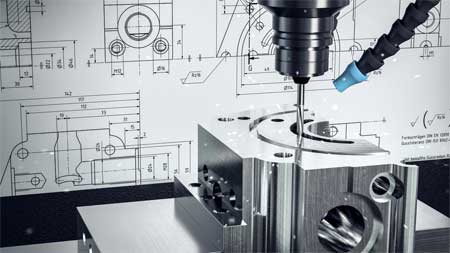
Define Machining Requirements and Custom Solutions
Before outsourcing, clearly outline the part’s material, dimensions, tolerances, and any finishing requirements.
Choose the Right Outsourcing CNC Machining Provider
An excellent CNC machining shop should have advanced equipment, a skilled technical team, and extensive machining experience.
Select the Right Material
Ensure the material is suitable for CNC machining. Discuss options with your supplier to make sure it matches your needs.
Provide Clear Drawings and Specifications
Share accurate CAD files, blueprints, and other technical documents to clearly communicate your requirements.
Estimate Quantities and Budget
Determine the number of parts needed and set a realistic budget, including shipping and finishing costs.
4. Advantages of Outsourcing CNC Machining
Choosing to outsource CNC machining has significant advantages over in-house production:
Outsourcing machining eliminates the need to invest in expensive CNC machines, tools and skilled operators. You can also save on maintenance and overhead costs.
Machining suppliers often have specialized knowledge and experience in specific industries or types of CNC machining, allowing for more efficient machining of complex, high-quality parts.
Without having to worry about capacity constraints or over-investment in CNC equipment, outsourcing gives you the flexibility to scale up or down production as needed.
Allows you more time to focus on other aspects of your business, such as design, marketing and customer service, while leaving machining to the experts.
5. Challenges of outsourced CNC machining
Despite the many advantages, there are some challenges to consider when opting for outsourced CNC machining:
Misunderstandings or lack of clarity in technical specifications can lead to mistakes and delays. Ensuring strong communication with your supplier is key.
While most suppliers maintain high standards, there’s always a risk of inconsistent quality or defects. This makes quality control essential.
Delays in shipping or longer-than-expected lead times can impact your project timeline. It’s important to establish clear expectations upfront.
While outsourcing machining may be cost-effective, unforeseen expenses like shipping, rework, or expedited delivery can increase the overall cost.
6. How to ensure the quality of outsourced CNC machining?
When outsourcing CNC machining, it’s critical to ensure high-quality output.
Define what “quality” means for your project, including tolerances, surface finishes and performance requirements. Make sure suppliers understand these standards.
Before committing to high-volume production, request prototypes or sample parts to verify the quality and accuracy of the process.
Some suppliers offer inspection services during the process. This helps to identify any problems early before the final product is shipped.
Choose suppliers that are ISO certified or follow similar quality management practices to ensure consistent results.
If outsourcing for the long term, regular audits will help ensure that quality standards are maintained.
7. Summary
After 25 years on both sides of outsourcing relationships, here’s what I know: the companies that succeed treat their suppliers as partners, not vendors. The best outsourcing relationships feel like extensions of your own team. They communicate proactively, solve problems collaboratively, and deliver consistently.
Outsourcing isn’t about finding someone to make your parts cheap – it’s about finding someone to make your parts right.
Send me your drawings and requirements. I’ll give you my honest assessment of what it should cost, what to look for in a supplier, and any potential red flags in your design.
