Choosing the wrong surface finish often looks like a small mistake. Later, it turns into corrosion failures, visual complaints, and delivery delays that buyers must explain under pressure.
The right surface finish aligns appearance, performance, and cost with the fastener’s operating environment and the product’s market position. Buyers who define finishes early reduce risk, improve quote accuracy, and achieve stable delivery.
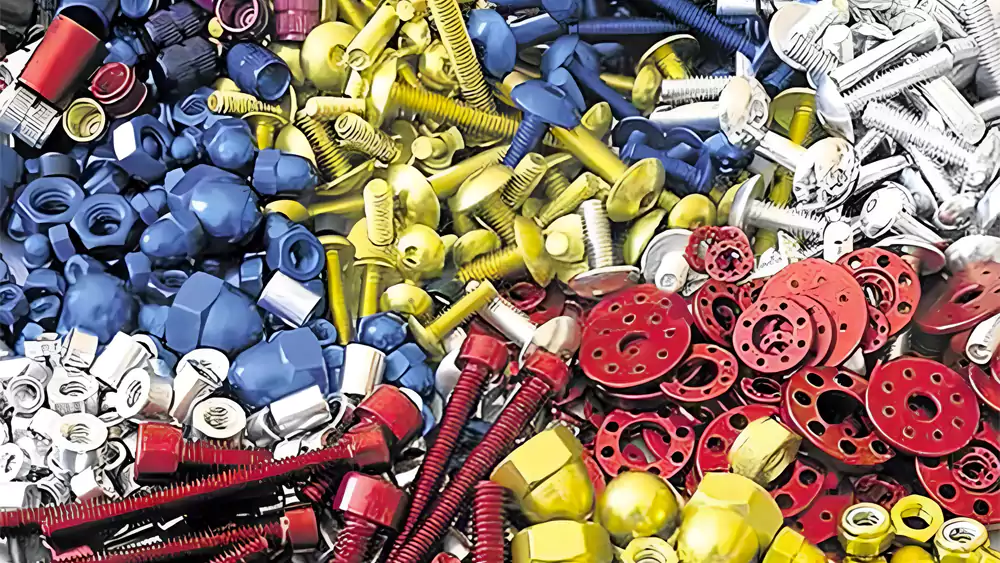
I have worked on many custom fastener projects where the machining itself caused no issues, yet problems appeared only after surface treatment. This is why surface finish decisions should never be separated from early-stage design and sourcing discussions for custom motorcycle fasteners.
Why Is Surface Finish a High-Impact Purchasing Decision?
Surface finish problems rarely show up on drawings or quotes. They appear after plating, inspection, or shipment, when changes are costly and time is limited.
Surface finish directly affects durability, warranty exposure, and brand perception. Poor decisions lead to rework, rejected batches, and delivery delays that quickly outweigh any initial cost savings.
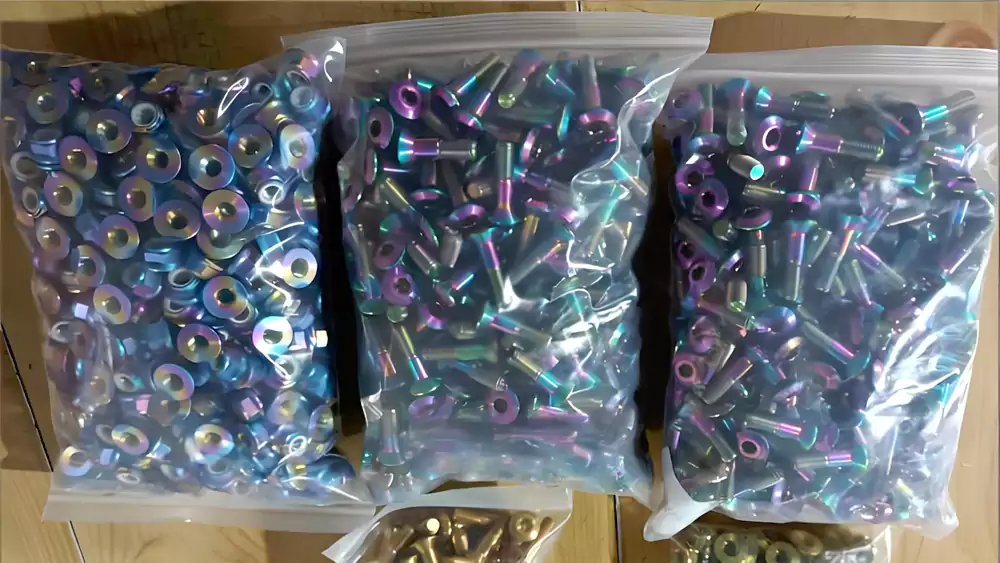
From my experience, buyers often underestimate how visible fasteners influence customer trust. Corrosion or discoloration is easy to spot. Once it appears, questions follow. Quality teams ask about standards. Sales teams ask about delivery. Buyers are caught in the middle.
These risks increase when surface finish requirements1 are not considered during the design phase. I often advise buyers to align finish decisions with fastener geometry and function during custom motorcycle fastener design, rather than treating finishing as a post-machining step.
Where Hidden Costs Usually Start
- Surface treatment not clearly specified
- No reference to plating standards or test duration
- Visual expectations left undefined
- Environment assumptions that do not match real use
I once supported a motorcycle OEM that ordered zinc-plated fasteners without naming ASTM B6332 or salt spray duration. The parts looked fine. After 72 hours of testing, red rust appeared. The entire batch failed inspection, and production stopped.
What Must Buyers Balance Between Appearance, Performance, and Cost?
Every surface finish decision forces buyers to balance three competing demands. Ignoring one always creates problems later.
Buyers must balance visual expectations, functional performance, and total cost of ownership. A finish that looks good but fails early, or performs well but breaks the budget, both create risk.
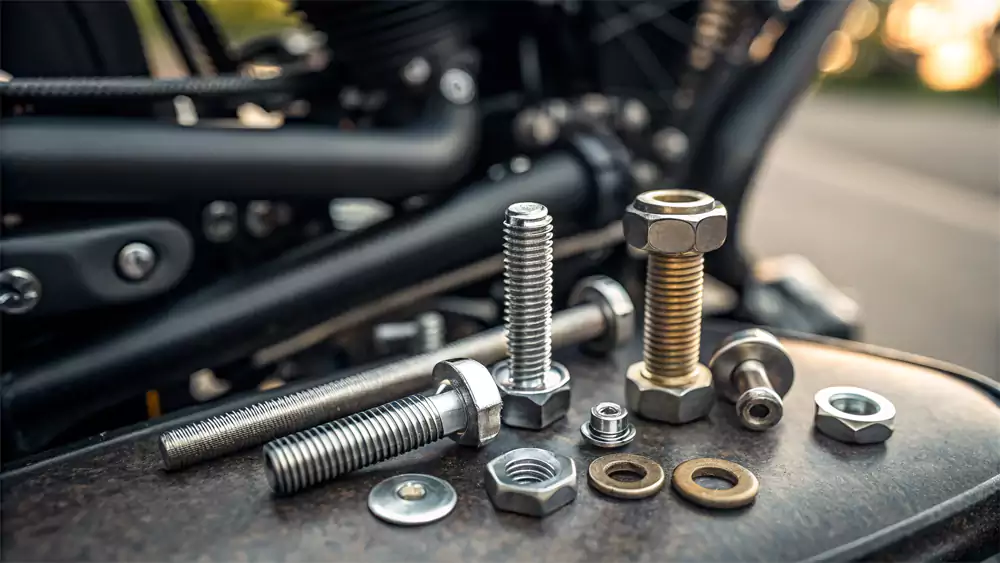
Appearance matters most for exposed fasteners. Color, gloss, and texture affect perceived quality. Small variations across batches can trigger complaints, even when strength meets specifications.
Performance depends on the operating environment. Road salt, humidity, heat, and cleaning chemicals attack coatings in different ways. Finish selection must also consider the base material. Steel, stainless steel, aluminum, and titanium react differently to surface treatments, which is why material choice and finish choice should be evaluated together, as outlined in this comparison of motorcycle fastener materials.
Cost must be viewed over the full lifecycle. Unit price is only one factor. Buyers must also consider inspection risk, rework probability, lead time, and minimum order quantity. Strength requirements also play a role, as certain finishes are better suited to specific load classes and applications explained in motorcycle fastener strength grades.
Key Factors Buyers Should Define Early
| Factor | Impact on Decision |
|---|---|
| Operating environment | Sets corrosion resistance needs |
| Expected service life3 | Drives coating type and thickness |
| Visual tolerance | Defines acceptable variation |
| Order volume and MOQ | Influences finishing method |
| Lead time | Affects launch and delivery plans |
Clear definitions allow accurate quotations and prevent late-stage changes.
How Should Buyers Choose Surface Finishes by Business Scenario?
Surface finish priorities change with market positioning and customer expectations. A single approach does not work for all products.
The best surface finish choice depends on whether the product targets aftermarket buyers, premium brands, or regulated export markets. Each scenario carries different risks and priorities.

For modified and aftermarket parts, visual impact often comes first. Buyers want finishes that look premium but remain cost-controlled. In these cases, surface finishing must align with the selected manufacturing route, whether CNC machining or forming, as discussed in common manufacturing processes for motorcycle fasteners.
For premium and high-end brands, repeatability is critical. Small color shifts or texture changes across batches often lead to disputes. Buyers must focus on process control and finishing consistency, especially when CNC machining is used as the primary production method for non-standard parts, where CNC machining offers clear advantages for custom motorcycle fasteners.
For export and EU-market customers, compliance drives decisions. Environmental rules, material declarations, and test reports are mandatory. Buyers sourcing internationally should follow structured approaches like those outlined in sourcing custom motorcycle fasteners to avoid inspection and customs delays.
Case Study: Zinc-Plated Fasteners for EU Export
| Parameter | Specification |
|---|---|
| Fastener type | Hex socket bolt |
| Base material | Carbon steel, Class 10.9 |
| Surface finish | Zinc plating |
| Standard | ASTM B633, Type II |
| Coating thickness | 8–12 μm |
| Salt spray test4 | 120 hours, no red rust |
| Batch size | 20,000 pcs |
| Application | Motorcycle chassis brackets |
In this case, the buyer defined the surface treatment process, standard, and salt spray duration at RFQ stage. The supplier quoted accurately. The parts passed inspection on the first attempt. Re-orders followed without changes.
How Can the Right Manufacturing Partner Reduce Surface Finish Risk?
Surface finishing quality depends on control and communication, not just equipment. Buyers must understand how suppliers manage finishing.
The right manufacturing partner reduces risk by controlling surface treatment processes, ensuring batch consistency, and discussing finish requirements early in the project.

Some suppliers finish in-house. Others outsource to trusted partners. Both models can work when responsibility is clear. Problems arise when no one owns the result.
Quality control protects buyers. Coating thickness checks, adhesion tests, and traceability reduce disputes. Clear communication matters just as much. For buyers seeking a structured overview of finish-related risks and decisions, this buyer-oriented guide to motorcycle fastener surface finishing provides a useful reference.
I always advise buyers to involve suppliers during design or prototyping. When surface finishes are reviewed early, problems appear before production. This shortens sourcing cycles and stabilizes delivery.
Questions Buyers Should Always Ask
- Who controls the surface finishing process?
- Which standards and test reports are provided?
- How is batch consistency verified?
- How are visual variations handled across orders?
Clear answers usually indicate a reliable partner.
Conclusion
The optimal surface finish aligns operating environment, market positioning, and clearly defined standards. When addressed early, it reduces risk, improves delivery reliability, and supports long-term sourcing success.
-
Learn about the critical role of surface finish in ensuring durability and performance in fasteners. ↩
-
Learn about ASTM B633 to ensure your plating meets industry standards and avoids costly failures. ↩
-
Exploring the relationship between expected service life and coating specifications can help ensure product longevity and performance. ↩
-
Learn about the salt spray test, a critical evaluation for fasteners' corrosion resistance, ensuring long-lasting performance. ↩
