Polished parts look perfect. But many engineers still struggle with surface quality issues that affect sealing, wear, and assembly performance.
Polishing is a surface finishing process that removes microscopic surface irregularities from CNC machined parts to reduce roughness (Ra), improve friction behavior, enhance corrosion resistance, and ensure reliable sealing and assembly performance.
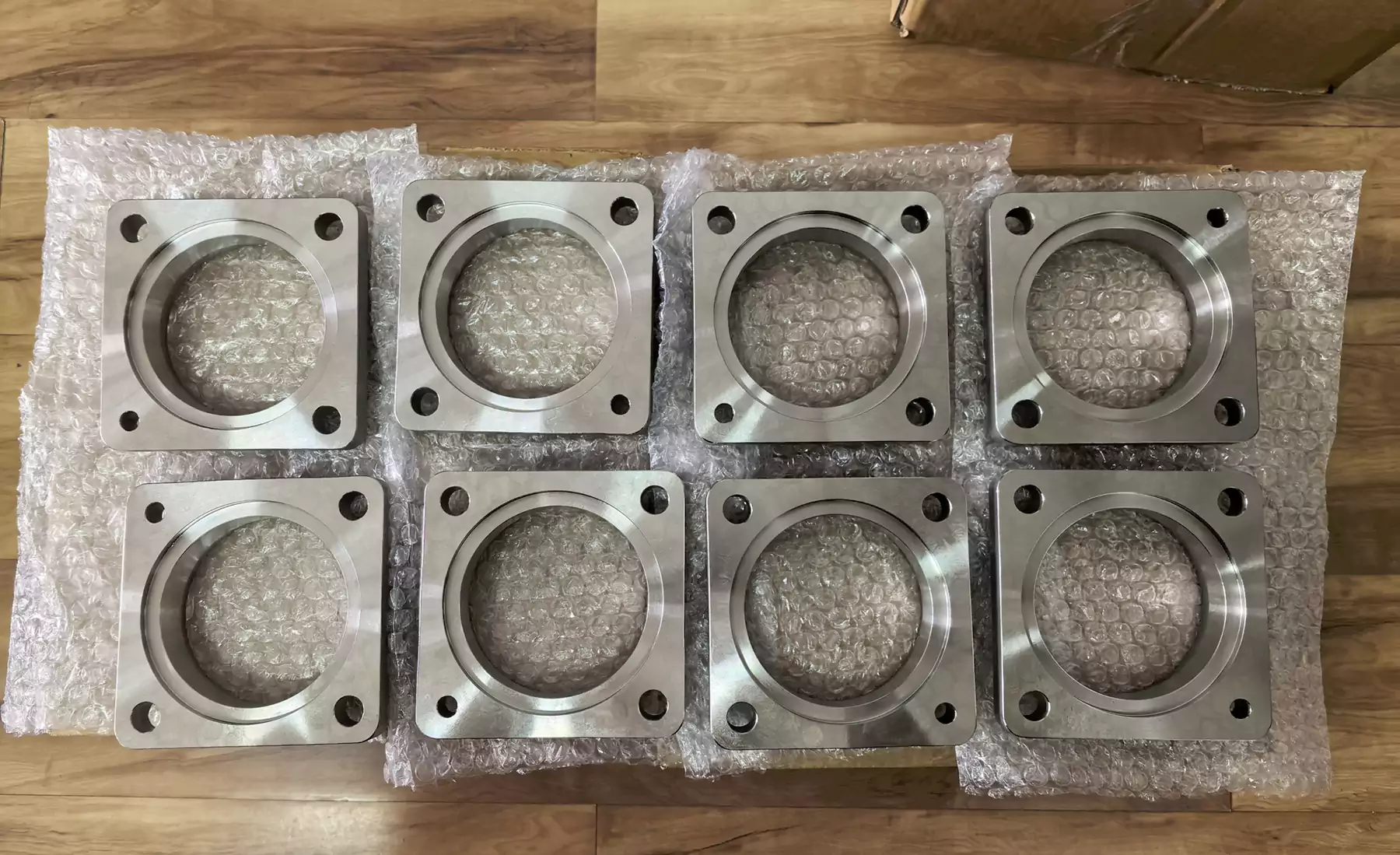
I have seen many parts fail not because of poor machining, but because of poor finishing. Surface quality decides whether a part works in the real world. If you already understand how machining fundamentals influence surface quality from a broader CNC machining process and workflow perspective, polishing becomes much easier to apply correctly.
What is Polishing?
Many engineers assume polishing is just cosmetic. That assumption often leads to functional failures in precision assemblies.
Polishing is a controlled finishing process that removes surface peaks and valleys from machined parts using mechanical, chemical, or electrochemical methods to achieve a smoother, lower-Ra surface for both functional and visual improvement.
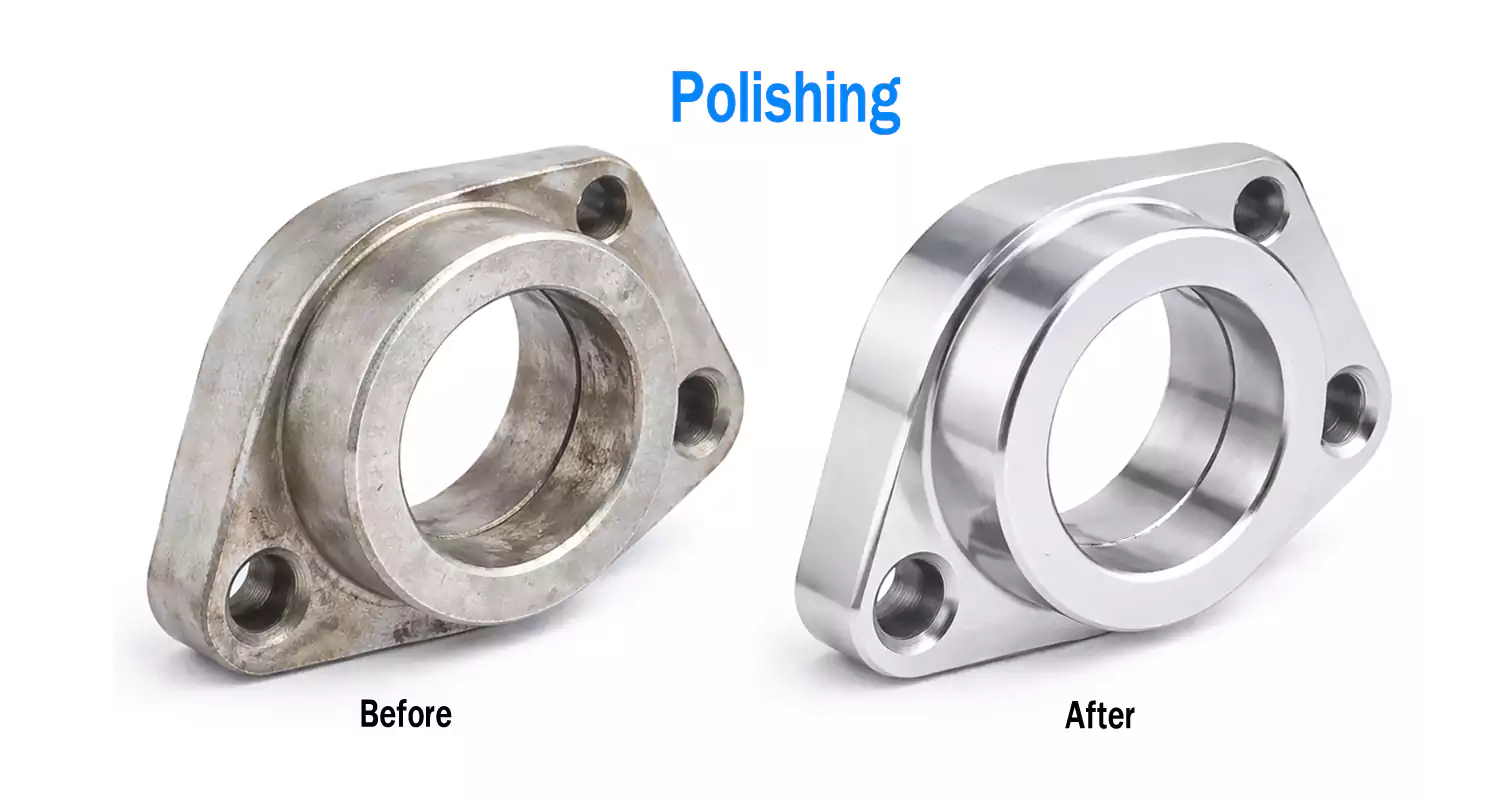
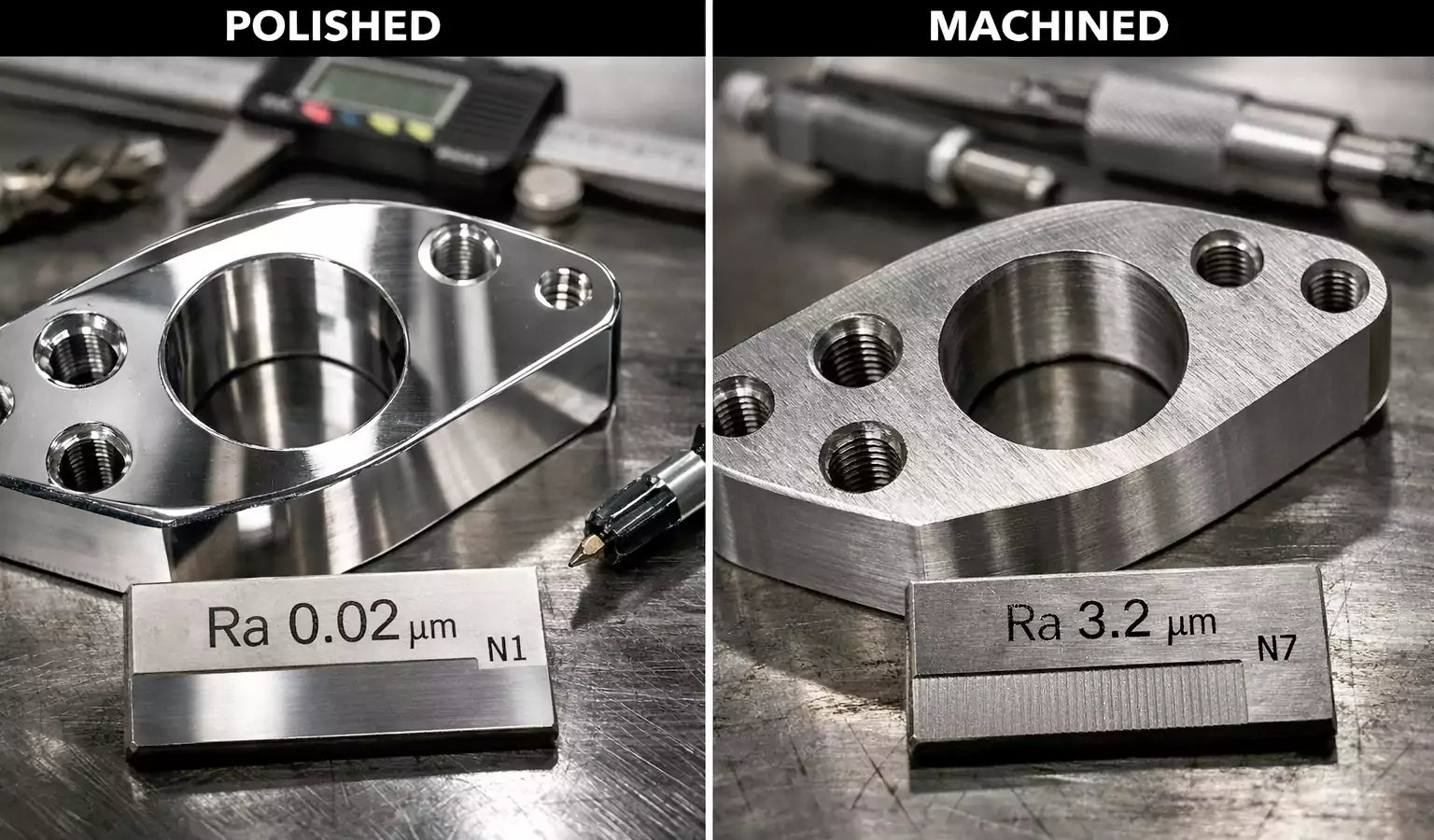
Polishing works at the micro level. Even a well-machined CNC part has tool marks. These marks create peaks and valleys. We measure them using Ra (surface roughness).
When I work on high-precision parts, I do not treat polishing as optional. I treat it as part of the tolerance chain1.
What polishing actually changes
| Parameter | Before Polishing | After Polishing |
|---|---|---|
| Surface roughness | Ra 3.2 µm | Ra 0.2 µm |
| Friction coefficient | High | Lower |
| Contact sealing2 | Poor | Improved |
| Visual quality | Machined marks | Smooth / mirror |
Polishing does not fix bad machining. It refines a good surface.
Why Polishing Matters: Functions & Surface Quality?
A part may meet dimensional tolerance but still fail in use. Surface quality is often the hidden reason.
Polishing improves part performance by reducing surface roughness (Ra), lowering friction, increasing corrosion resistance, and improving sealing reliability and assembly consistency in precision CNC components.
Key functional impacts
1. Surface Roughness (Ra)
Lower Ra means fewer peaks. This reduces wear and improves consistency in motion systems.
2. Friction & Wear
Rough surfaces increase friction. I have seen sliding parts fail early due to poor polishing.
3. Corrosion Resistance
Smooth surfaces reduce micro-crevices where corrosion starts. This is critical for stainless steel parts.
4. Sealing Performance
Sealing surfaces must be smooth. Even small surface defects can cause leakage.
5. Assembly Fit
Polished parts reduce interference and improve repeatability during assembly.
Reality check
Polishing is not always beneficial. If you polish too much, you may remove material and break tolerance. I have seen parts polished into rejection.
This is where many sourcing decisions go wrong. Engineers often compare different CNC surface finishing options for machined parts without fully understanding how each process affects both performance and tolerance.
Types of Polishing Processes (From Manual to Precision Finishing)?
Choosing the wrong polishing method wastes cost and time. Each method has a specific use case.
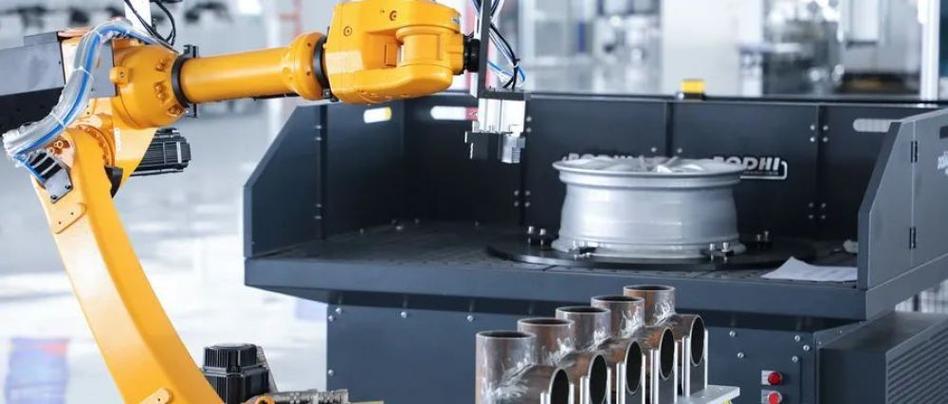
Different polishing methods—mechanical, chemical, electrolytic, vibratory, and mirror polishing—are selected based on required surface finish, material type, part geometry, and production volume.
Main polishing methods
Mechanical Polishing
Uses abrasives like sandpaper or diamond paste.
Best for: general finishing and visible surfaces.
Chemical Polishing
Uses chemical solutions to dissolve surface peaks.
Best for: complex geometries without mechanical access.
Electrolytic Polishing (Electropolishing)3
Removes material using electrical current.
Best for: stainless steel, medical, and food-grade parts.
Vibratory / Tumbling
Parts are placed in a vibrating bowl with media.
Best for: batch processing small parts.
Mirror Polishing4
Multi-step fine polishing to achieve reflective surfaces.
Best for: optical, mold, and aesthetic components.
Comparison table
| Method | Precision | Cost | Batch Suitability | Typical Use |
|---|---|---|---|---|
| Mechanical | Medium | Low | Low | General parts |
| Chemical | Medium | Medium | Medium | Complex shapes |
| Electropolishing | High | High | Medium | Medical / stainless |
| Vibratory | Low | Low | High | Small parts |
| Mirror polishing | Very High | High | Low | Molds / optics |
Each method solves a different problem. The mistake I often see is using a low-cost process for a high-precision requirement.
Lapping vs. Polishing: What’s the Difference?
Many engineers confuse lapping with polishing. This confusion leads to wrong process selection.
Lapping is a precision material removal process used to achieve flatness and tight tolerances, while polishing mainly improves surface smoothness and appearance without significantly controlling geometry.
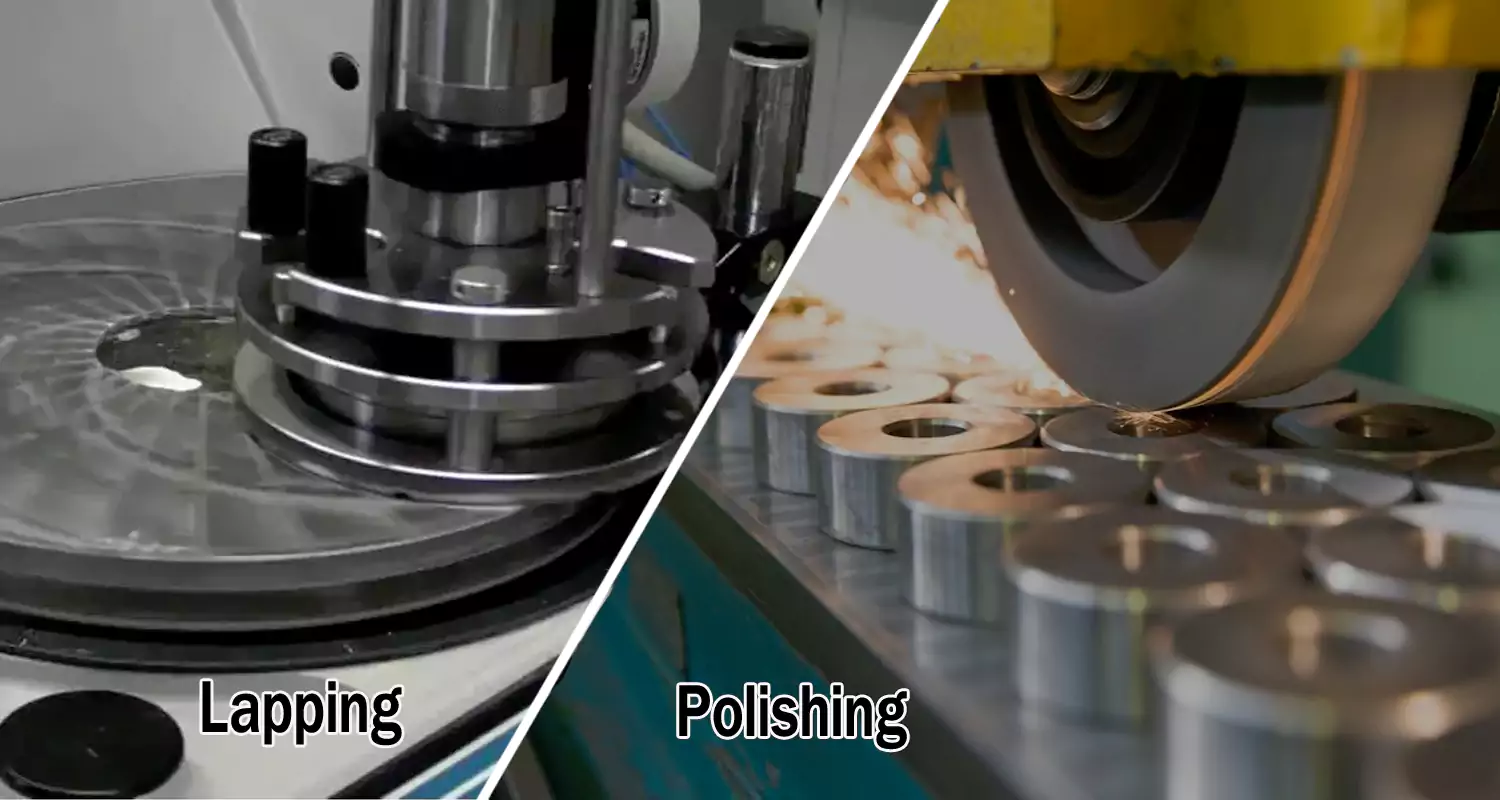
Key differences
| Feature | Lapping | Polishing |
|---|---|---|
| Purpose | Precision & flatness5 | Surface smoothness |
| Material removal | Controlled & measurable | Minimal |
| Surface finish | Extremely flat | Smooth / glossy |
| Use case | Sealing surfaces, optics | General finishing |
My experience
I once worked on a sealing plate project. The engineer specified polishing only. The part leaked. We switched to lapping. The leakage stopped.
Polishing improves feel. Lapping ensures function.
This is a key decision point in supplier selection. If your supplier does not understand this difference, you risk hidden failures in the field.
What Materials & Parts Are Suitable for Polishing?
Not all materials behave the same during polishing. Some improve greatly. Others become problematic.
Metals such as stainless steel, aluminum, brass, and copper are ideal for polishing, while certain plastics like acrylic can also be polished to improve clarity and surface finish depending on their properties.
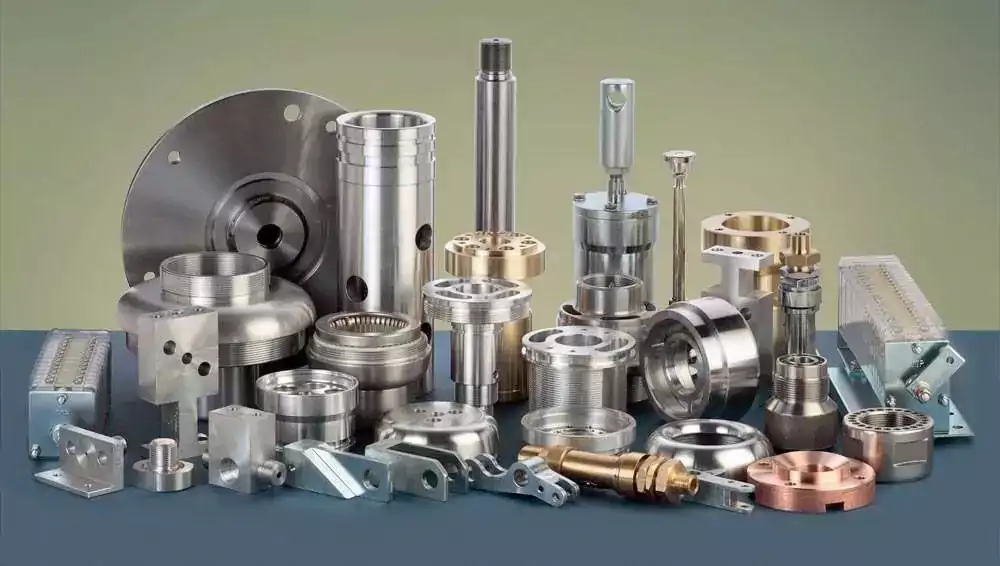
Common materials
Stainless Steel
Best for electropolishing. Improves corrosion resistance.
Aluminum
Easy to polish but prone to scratches. Needs care.
Brass / Copper
Polishes well. Often used for decorative parts.
Plastics
Materials like acrylic can achieve optical clarity.
Typical parts
- Shafts and bearing surfaces
- Injection molds
- Medical components
- Sealing interfaces
Case Study: High-Precision Shaft Polishing
I worked on a shaft used in an automation system. The issue was excessive wear and noise.
| Parameter | Before Polishing | After Polishing |
|---|---|---|
| Material | Stainless Steel 316 | Same |
| Diameter Tolerance | ±0.005 mm | ±0.005 mm |
| Surface Roughness | Ra 1.6 µm | Ra 0.2 µm |
| Process | CNC turning | + mechanical polishing |
| Friction coefficient | High | Reduced by ~30% |
| Service life | 3 months | 11 months |
This change did not affect tolerance. It improved performance dramatically.
This is why I always say: finishing is not the last step. It is part of engineering.
How to Choose the Right Polishing Method for Your Parts?
Choosing polishing blindly leads to over-processing or failure. You need a structured approach.
The right polishing method depends on required surface roughness (Ra), material type, dimensional tolerance limits, cost constraints, and production volume to balance performance and manufacturability.
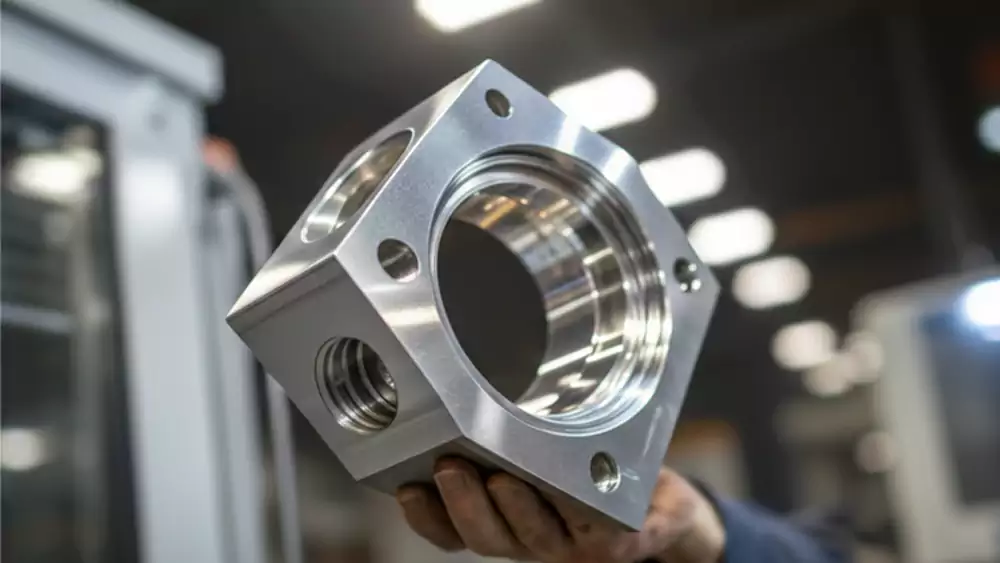
Selection factors
1. Based on Precision
- Ra > 1.6 µm → basic mechanical polishing
- Ra < 0.4 µm → fine or electropolishing
- Mirror finish → multi-step polishing
2. Based on Material
- Stainless steel → electropolishing
- Aluminum → mechanical polishing
- Plastics → specialized polishing
3. Based on Cost
- Low cost → tumbling
- Medium → mechanical
- High precision → electropolishing
4. Based on Batch Size
- Small batch → manual polishing
- Large batch → vibratory or automated systems
Critical insight
Polishing machined parts is not just for looks. It is for performance. If polishing changes your tolerance, the part is already wrong.
Conclusion
Polishing is not a cosmetic upgrade. It is a critical engineering step that directly impacts friction, sealing, wear resistance, and long-term reliability. When applied correctly, it enhances performance without compromising tolerance. When misunderstood, it turns precision parts into costly failures.
-
Learn why polishing is essential in the tolerance chain to achieve the required precision and performance in machined parts. ↩
-
Explore how polishing enhances contact sealing, crucial for improving performance and reliability in precision components. ↩
-
Explore this link to understand why Electrolytic Polishing is ideal for stainless steel and medical parts, ensuring high precision and quality. ↩
-
Learn about the multi-step process of Mirror Polishing and why it is essential for achieving reflective surfaces in optics and molds. ↩
-
Explore this link to understand why achieving precision and flatness is critical for functional and reliable components. ↩
