Choosing the wrong plastic can lead to fragile parts, poor finishes, or wasted tooling budgets. Many engineers only realize this after production problems appear.
ABS plastic is a thermoplastic polymer made from acrylonitrile, butadiene, and styrene. It is widely used because it combines impact resistance, easy processing, good surface finish, and cost efficiency, making it suitable for prototypes, housings, covers, and functional industrial parts.
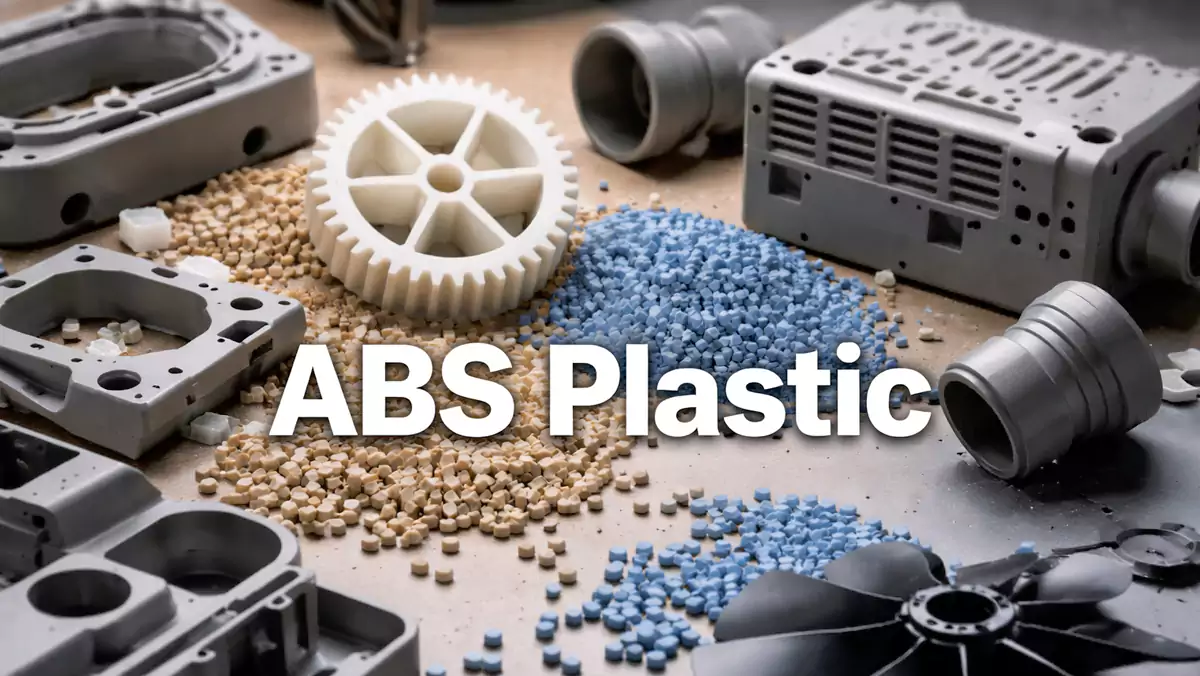
ABS is one of the few plastics that performs well across both prototyping and production. I often recommend it when a project needs functional strength, visual quality, and flexible manufacturing options without moving into more expensive engineering plastics.
What Is ABS Plastic and Why Is It So Widely Used?
Many engineers know ABS is common, but they care less about chemistry and more about manufacturability, cost, and real-world performance.
ABS stands for Acrylonitrile Butadiene Styrene. In practical manufacturing terms, ABS is a durable and cost-efficient engineering plastic known for good machinability, impact resistance, and cosmetic surface quality.
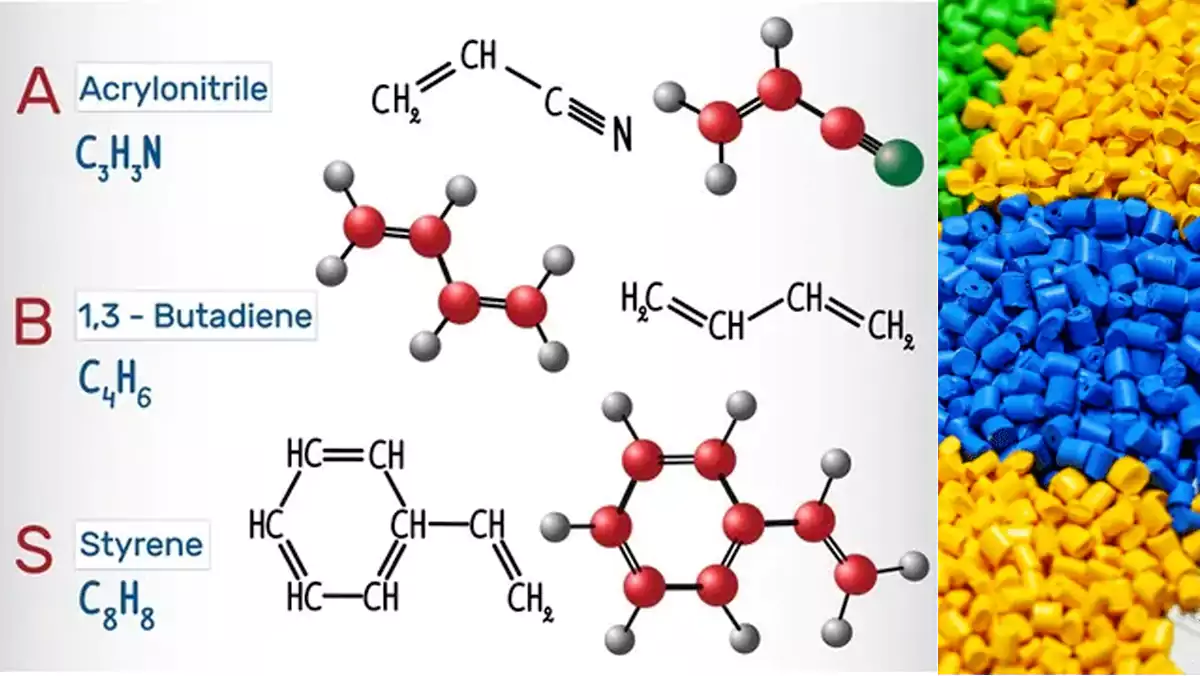
ABS is popular because it is easy to work with across multiple manufacturing processes. It offers enough strength for functional parts while remaining affordable for prototyping and low-volume production.
Why Manufacturers Prefer ABS
- Good impact resistance1
- Stable dimensions after machining
- Smooth surface finish
- Easy painting and texturing
- Lower material cost than many engineering plastics
Key Characteristics of ABS Material
- Lightweight
- Strong impact resistance
- Good dimensional stability
- Easy finishing
- Cost-effective manufacturing
Why ABS Is Popular in Manufacturing
ABS supports a practical product development workflow. Engineers can start with CNC-machined prototypes, validate fit and function, and later transition to injection molding for larger production runs.
This reduces development risk and avoids changing materials midway through the project.
Common finishing options include:
- Painting
- Texture finishing
- Silk screening
- Chrome plating2
What Are the Properties, Advantages, and Limitations of ABS Plastic?
A material can look good on paper but fail in real production. ABS performs well in many projects, but understanding its limits is just as important.
ABS plastic offers strong impact resistance, dimensional stability, electrical insulation, and good machinability. Its main limitations are lower UV resistance, moderate heat resistance, and weaker solvent resistance compared to advanced engineering plastics.
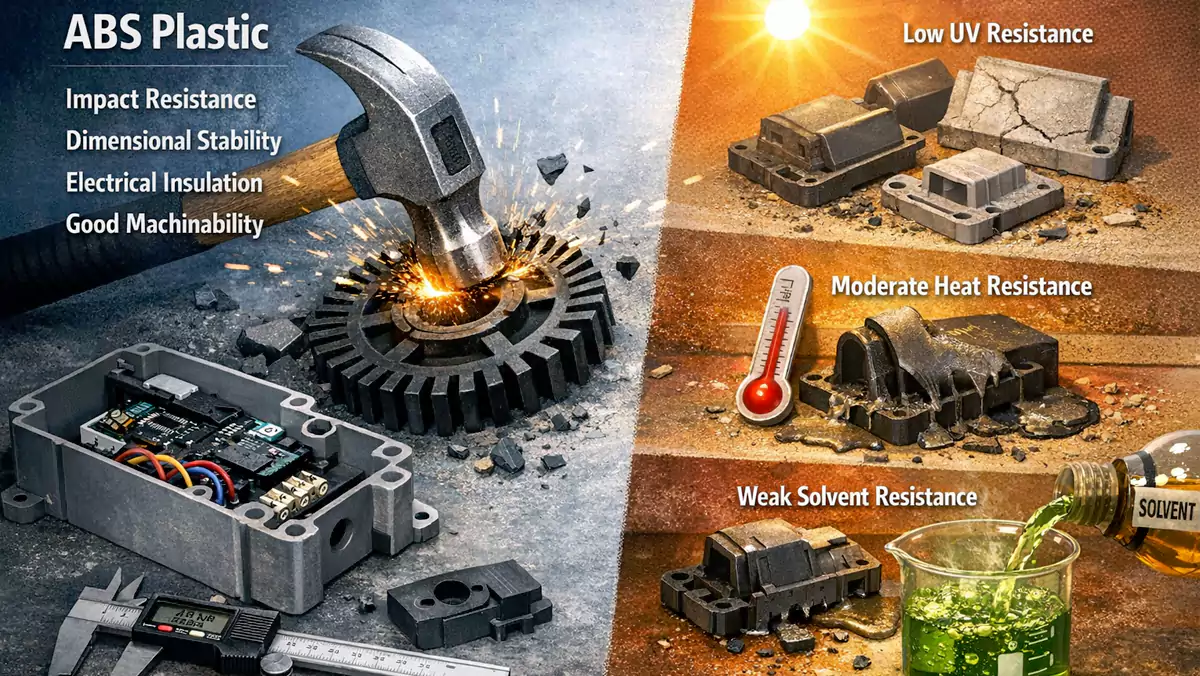
Before choosing ABS, I usually compare both environmental conditions and production goals. This avoids overengineering or selecting a material that is too expensive.
Mechanical Properties of ABS
Impact Resistance
ABS absorbs shocks well, which makes it suitable for housings, covers, brackets, and protective parts.
Tensile Strength
ABS offers moderate mechanical strength for most non-load-bearing industrial applications.
Dimensional Stability
ABS machines consistently and maintains geometry well, which is useful for assemblies and mating features.
Heat Resistance
ABS performs well in moderate-temperature environments but is not designed for sustained high heat.
Typical ranges include:
- Density: 1.03–1.07 g/cm³
- Tensile strength: 35–50 MPa
- Heat deflection temperature: 85–100°C
Chemical and Electrical Properties
Chemical Resistance
ABS resists diluted acids, oils, and alkalis but is vulnerable to aggressive solvents.
Electrical Insulation Performance
ABS is commonly used in housings and electrical enclosures because of its stable insulation properties.
Moisture Resistance
Low moisture absorption helps maintain dimensional consistency.
Advantages of ABS Plastic
- Easy to machine
- Easy to mold
- Good cosmetic finish
- Suitable for medium-volume production
- Affordable material cost
Disadvantages of ABS Plastic
Poor UV Resistance
Outdoor applications often require coatings or UV-stabilized grades.
Lower Heat Resistance Than Engineering Plastics
ABS cannot replace high-temperature plastics in demanding environments.
Limited Solvent Resistance
Certain chemicals can crack or soften ABS.
Is ABS Plastic Safe?
Safety is one of the most common questions engineers ask when selecting plastics for consumer or industrial products.
ABS plastic is generally safe for industrial and consumer use. Food-safe ABS grades are available, and medical-grade ABS is commonly used for non-implantable housings, covers, and external device components.
Is ABS Food Safe?
Standard ABS is not automatically food safe. Certified grades are required for food contact.
Is ABS Safe for Medical Devices?
Yes, ABS is commonly used in external medical components and housings.
Is ABS Recyclable?
ABS can be recycled and reused in many manufacturing systems.
Where Is ABS Plastic Used in Industrial Manufacturing?
Many buyers know ABS is common, but they often underestimate how broad its industrial use really is.
ABS plastic is widely used in automotive, motorcycle, medical, industrial, and fluid-control applications because it combines durability, appearance, and manufacturing flexibility.
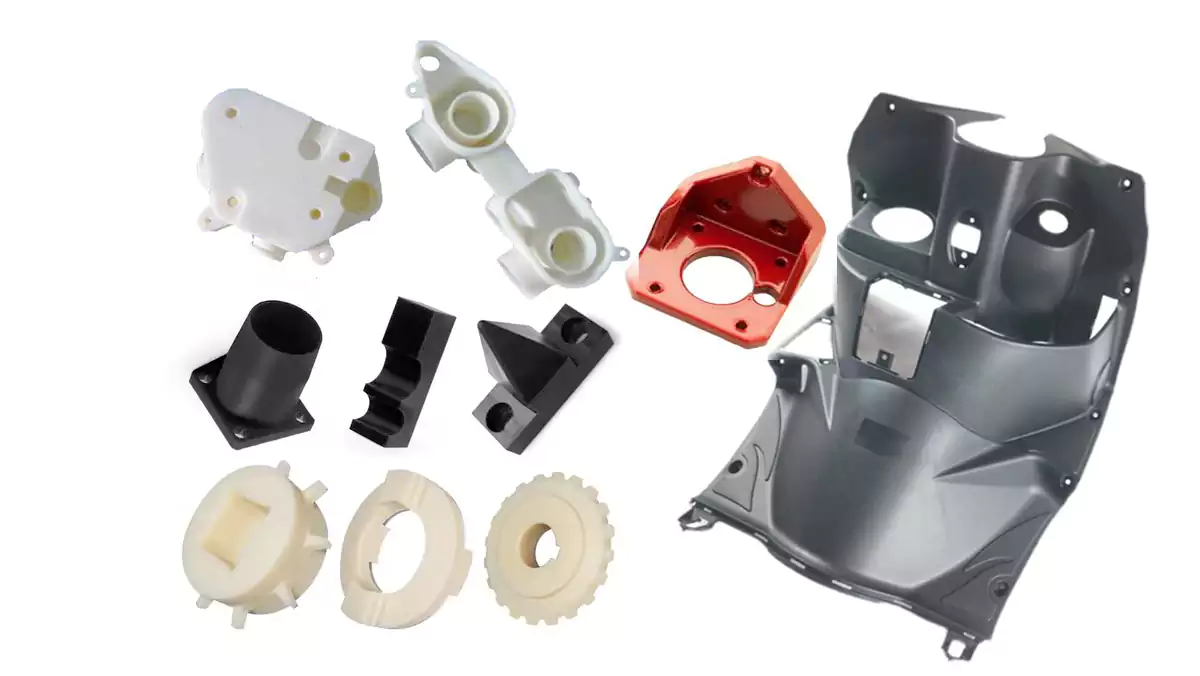
ABS is especially useful for parts that need both function and visual quality.
Automotive Industry Applications
Interior Trim Components
ABS is commonly used for trim panels, bezels, and protective covers.
Dashboard Housings
Its dimensional stability supports assembly accuracy.
Functional Brackets and Covers
ABS performs well in moderate mechanical environments.
Motorcycle and E-bike Parts
Fairings
ABS is lightweight and impact resistant.
Instrument Housings
It combines durability with good appearance.
Custom Covers and Accessories
ABS supports painted and textured surfaces.
Medical Equipment Components
ABS is commonly used in medical equipment3 because it offers clean appearance, dimensional stability, and reliable performance for non-implantable parts.
Device Housings
Used for portable devices, diagnostic equipment, and monitor housings.
Control Panels
Suitable for external panels, button housings, and equipment enclosures.
Non-implantable Parts
Common for brackets, protective covers, and accessory components.
Industrial and Agricultural Equipment
ABS is a practical choice for industrial equipment that requires durable, lightweight, and cost-effective plastic parts.
Protective Enclosures
Used to protect sensors, electronics, and internal assemblies.
Machine Covers
Suitable for external covers, guards, and access panels.
Handle Assemblies
Common in handles, knobs, grips, and operator interfaces.
Hydraulic and Fluid System Components
ABS is also suitable for lightweight external fluid system components such as:
- Valve covers
- Connector housings
- Protective shells
How Are Custom ABS Parts Manufactured?
Material selection is only half the decision. Manufacturing method affects cost, speed, and part quality just as much.
ABS parts can be manufactured through CNC machining, injection molding, or 3D printing. The best process depends on production volume, budget, precision requirements, and lead time.
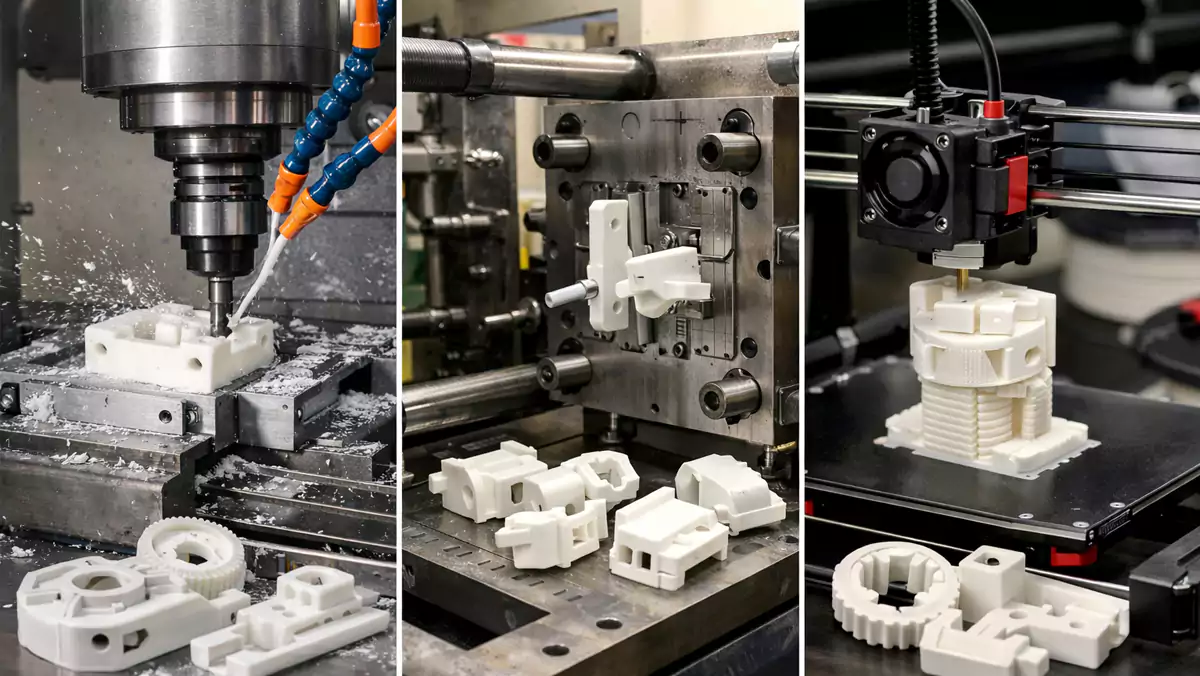
In most projects, process selection starts with production quantity and precision requirements.
ABS Injection Molding
Best for High-Volume Production
Injection molding is ideal for large production runs where tooling investment can be amortized.
Tooling Cost Considerations
High tooling cost makes molding less suitable for early-stage or low-volume projects.
CNC Machining ABS Plastic
Best for Prototypes and Low-Volume Parts
CNC machining is ideal for prototypes, bridge production, and custom low-volume orders.
Common Machining Challenges
- Melting from cutting heat
- Burr formation
- Surface scratches
Recommended CNC Tolerances for ABS Parts
Typical recommendations:
- General features: ±0.10 mm
- Precision features: ±0.05 mm
3D Printing ABS
Pros and Cons of ABS 3D Printing
ABS 3D printing is fast and affordable for concept validation, but usually offers lower dimensional accuracy and poorer surface finish than CNC machining.
ABS vs Other Plastics
ABS vs PVC
ABS offers better toughness and machinability. PVC offers stronger chemical resistance.
ABS vs Polycarbonate
Polycarbonate is stronger and more heat resistant, but more expensive.
ABS vs Nylon
Nylon offers better wear resistance but absorbs more moisture.
How to Choose the Right Manufacturing Method
- Prototype: CNC machining
- Functional testing: CNC machining or 3D printing
- Mass production: Injection molding
Case Study: CNC Machining ABS Instrument Housing for E-Bike Controller
A European e-bike customer needed pilot production before committing to injection molding.
CNC machining ABS is often the best option for low-volume functional validation because it avoids tooling investment while maintaining dimensional accuracy and cosmetic quality.
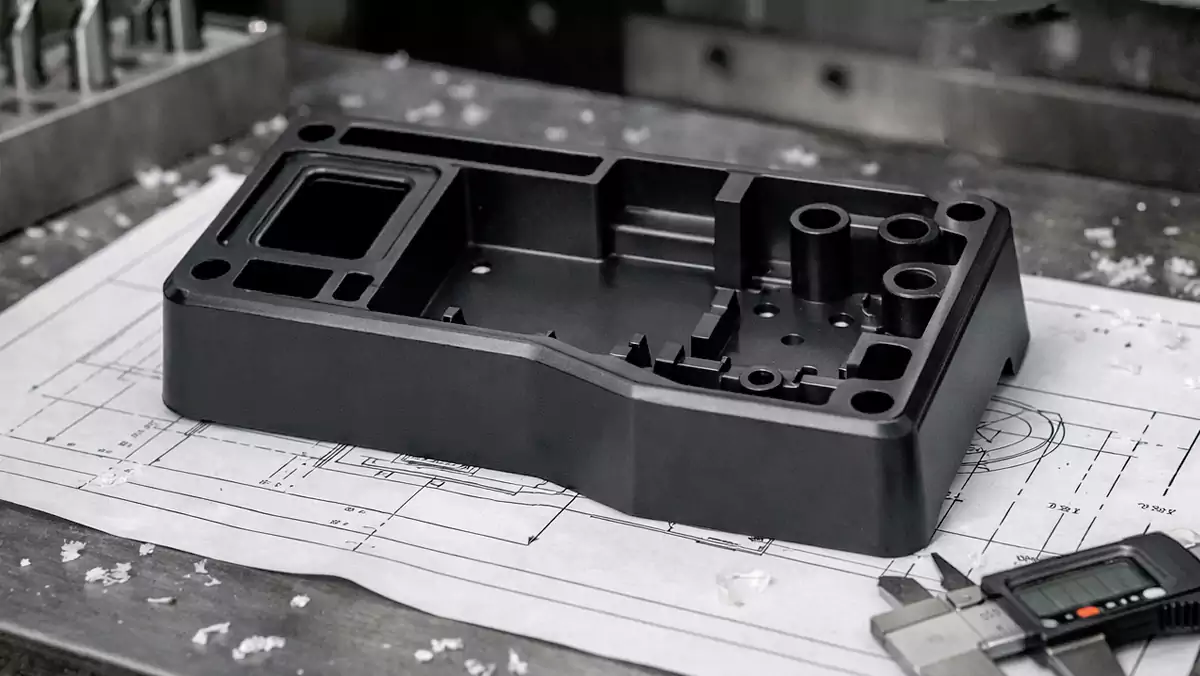
Project details:
- Material: ABS FR Grade
- Quantity: 180 pcs
- Process: CNC machining
- Tolerance: ±0.05 mm
- Surface finish: Matte texture spray
- Lead time: 9 days
The customer originally planned injection molding. After reviewing the launch schedule, we switched to CNC machining and reduced upfront cost while shortening launch time by four weeks.
Why Choose Custom ABS Parts for Your Project?
Many products do not need exotic materials. They need a material that works reliably, looks clean, and stays cost-efficient.
Custom ABS parts are ideal for rapid prototyping, functional testing, and low- to mid-volume production because they balance toughness, appearance, machinability, and affordability.
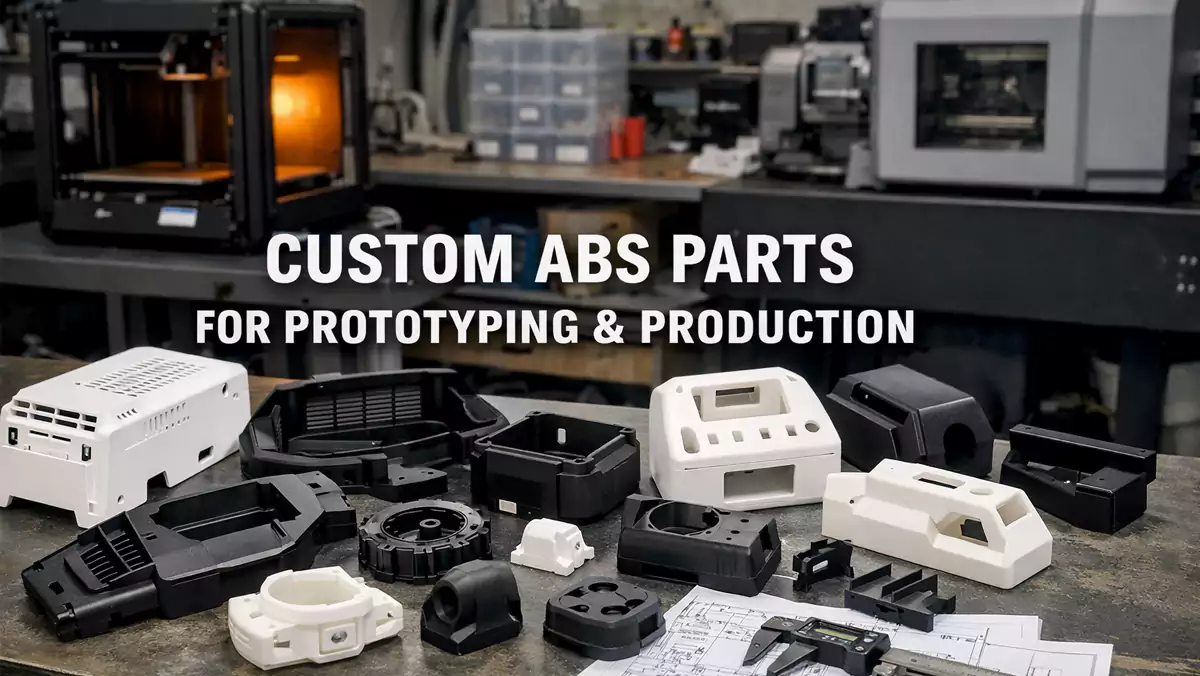
Ideal for Rapid Prototyping
ABS machines quickly and supports fast iteration.
Cost-Effective for Functional Parts
It provides reliable performance without high material cost.
Excellent Surface Finishing Compatibility
- Painting
- Texture finishing
- Silk screening
Suitable for Low- to Mid-Volume Production
ABS supports flexible manufacturing without immediate tooling investment.
FAQ
Is ABS plastic waterproof?
ABS is moisture resistant but not fully waterproof in every design. Final waterproof performance depends on sealing design and assembly method.
Is ABS recyclable?
Yes, ABS is recyclable in many industrial recycling systems.
Is ABS stronger than PVC?
ABS is generally tougher and more impact resistant than PVC.
Can ABS be CNC machined?
Yes, ABS is one of the most commonly machined plastics for prototypes and functional parts.
Is ABS plastic durable?
Yes, ABS offers good durability, toughness, and surface stability for industrial applications.
Conclusion
ABS remains one of the most practical plastics for engineers who need a balance of performance, manufacturability, appearance, and cost control. It is especially valuable for projects that start with prototypes and later move into low- or mid-volume production. In my experience, when machining parameters are controlled correctly and the right process is selected early, ABS can reduce development risk, improve product quality, and shorten time to market.
Need custom ABS plastic parts for automotive, medical, or industrial applications? Allied Metal provides CNC machining, rapid prototyping, and low-volume production services for precision ABS components.
-
"Acrylonitrile butadiene styrene - Wikipedia", https://en.wikipedia.org/wiki/Acrylonitrile_butadiene_styrene. A neutral materials reference describes acrylonitrile butadiene styrene as a tough thermoplastic noted for impact resistance, supporting the article’s characterization of ABS as suitable for functional parts. Evidence role: general_support; source type: encyclopedia. Supports: ABS has good impact resistance.. Scope note: This supports the general property of ABS but does not establish performance for every ABS grade or manufacturing condition. ↩
-
"Evaluation of the etching and chrome plating on the ABS, PVC, and ...", https://www.researchgate.net/publication/309894038_Evaluation_of_the_etching_and_chrome_plating_on_the_ABS_PVC_and_PVCABS_blends_surface. Scholarly work on plating of ABS explains that ABS can be surface-treated and metallized/electroplated, which supports listing chrome plating as a possible finishing method for ABS parts. Evidence role: mechanism; source type: paper. Supports: Chrome plating is a common or feasible finishing option for ABS parts.. Scope note: This supports technical feasibility; it does not show that chrome plating is suitable for all ABS grades, part geometries, or production environments. ↩
-
"Biocompatibility of Poly(acrylonitrile-butadiene-styrene ... - PMC", https://pmc.ncbi.nlm.nih.gov/articles/PMC6401987/. A medical-device materials source or review can document that ABS is used for external medical-device components and housings because of processability, dimensional stability, and appearance, supporting its role in non-implantable medical equipment parts. Evidence role: general_support; source type: paper. Supports: ABS is commonly used in medical equipment because it offers clean appearance, dimensional stability, and reliable performance for non-implantable parts.. Scope note: Such evidence would support common external-device use; it would not establish suitability for implantable, sterile-barrier, or patient-contact applications without additional regulatory and biocompatibility evidence. ↩
