
CNC Drilling Machine Guide: Types, Advantages, and Prospects

CNC drilling machines

The difference between a CNC drilling machine and a manual drill press is like comparing a surgical robot to a kitchen knife. Both can cut, but only one gives you the precision and reliability that modern manufacturing requires.

1. Overview

1. What is a CNC drilling machines?

CNC Drilling Machines

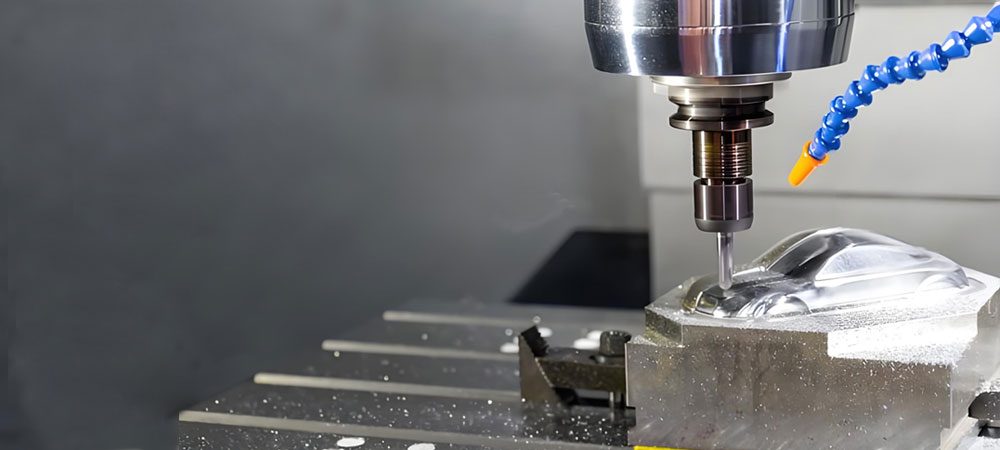
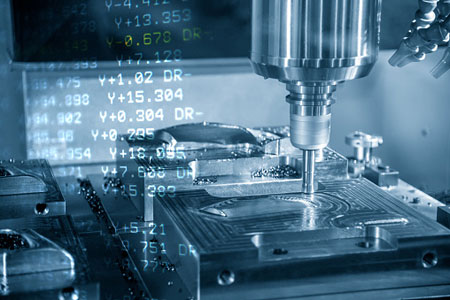
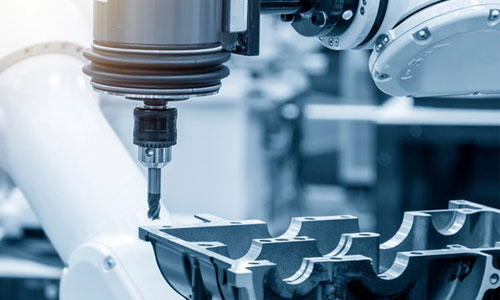
CNC drilling machines is a modernized equipment that controls drilling through computer numerical control system. It is capable of automated operation, drilling holes with high accuracy according to the programmed path, and is suitable for complex and batch precision machining.

2. What is an ordinary drilling machines?

Workers using drilling machines

A conventional drill press is an Ordinary drilling machine that relies on manual operation, depending entirely on the operator’s skill and attention. It is suitable for relatively simple drilling processes and offers limited flexibility.

2. What is the difference between Ordinary Drilling Machines and CNC Drilling Machines?

1. Principle difference

Ordinary drilling

Ordinary drilling machines are mainly operated manually to drill holes, and the feeding and positioning are totally dependent on the skills of the workers.

CNC drilling

CNC drilling machine adopts computerized control system to automatically complete drilling operations by inputting programmed commands, which ensures accuracy and consistency.

2. Functional differences

Ordinary drilling

The functions are relatively simple and suitable for basic drilling tasks.

CNC drilling

With the functions of multi-axis operation, automatic tool change and diversified processing, it is suitable for complex and large-volume precision processing.

3. Scope of application

Ordinary drilling

Mainly used in manual operation and relatively single, or small batch production scenarios.

CNC drilling

It is suitable for multi-species and mass production, especially in the manufacturing field that requires high precision and high efficiency.

When to Use Which?

Choose Manual When:

  • You need one or two holes in a single part
  • Tolerances don’t matter much
  • You’re in a hurry and don’t have time to program

Choose CNC When:

  • You need multiple holes with precise spacing
  • Consistency across multiple parts is critical
  • You’re running production quantities

3. Types of CNC Drilling Machines.

CNC drilling machines are categorized into the following types according to processing requirements and functional characteristics:

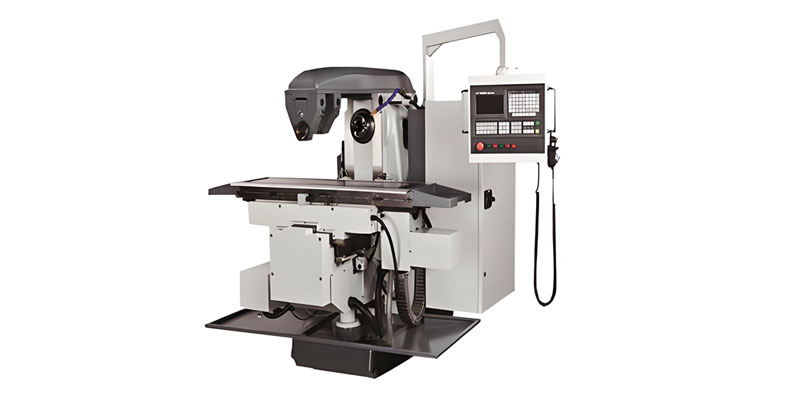
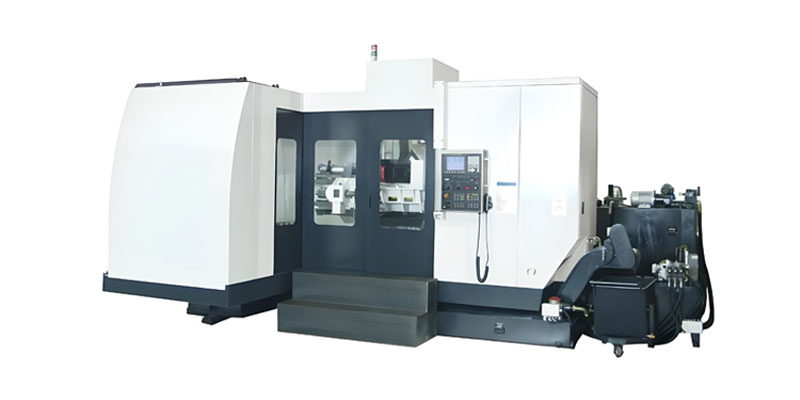
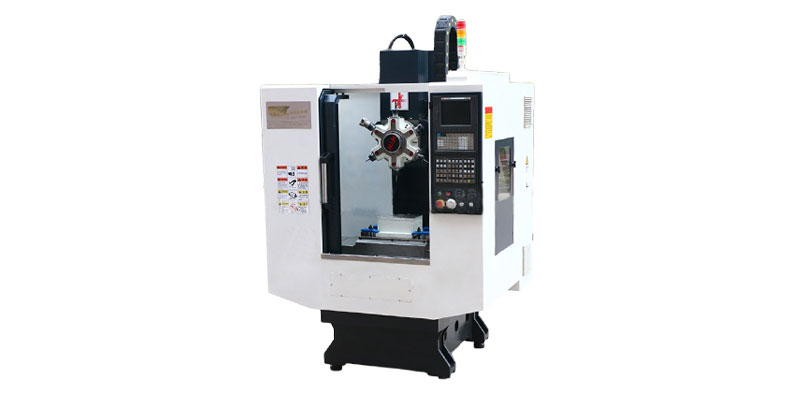
Vertical-CNC-Drilling-Machine

Vertical CNC Drilling Machine

The drilling axis is vertically downward, generally applicable to small parts processing.

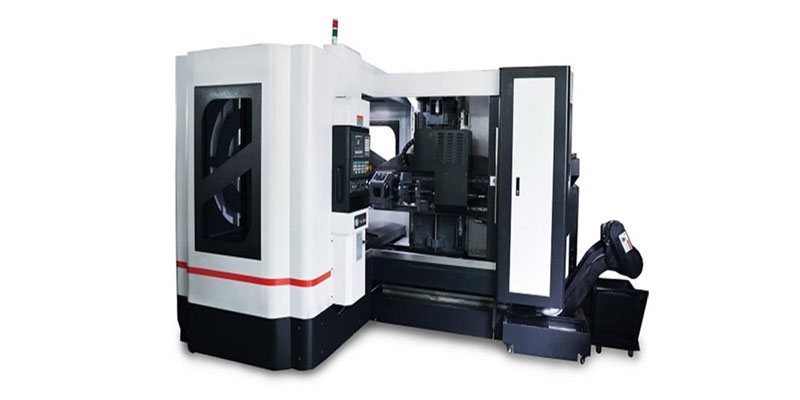
Horizontal-CNC-Drilling-Machine

Horizontal CNC Drilling Machine

The drilling axis is horizontal, suitable for deep hole processing of large workpieces.

Multi-axis-CNC-drilling-machine

Multi-Axis CNC Drilling Machine

The equipment has multiple drilling axes and can perform multi-point drilling at the same time.

Turret-type-CNC-drilling-machine

Turret Type CNC Drilling Machine

Multiple drilling heads are automatically switched, suitable for complex and diversified processing.

4. Why CNC is Replacing Manual Drilling?

The intelligent and high efficiency advantages of CNC drilling machines enable them to completely replace ordinary drilling machines in most modern manufacturing scenarios. The main reasons are:

  • High degree of automation:
    Reduced reliance on manual labor effectively reduces operational errors.
  • Higher precision and consistency:
    The precise control of the CNC system ensures the machining accuracy and consistency of each workpiece.
  • Strong adaptability:
    Multi-function, multi-axis and other designs make the CNC drilling machine can cope with more complex workpieces and different processing needs.

The Math Doesn't Lie

I recently calculated the cost difference for a client:

  • Manual drilling: 3 minutes per hole, $45/hour labor cost
  • CNC drilling: 15 seconds per hole, $60/hour machine cost
  • For 100 parts with 8 holes each: CNC saved them $380 in labor alone

Quality speaks for itself. Manual drilling carries the risk of error, while CNC machining strives for flawless perfection.

5. The main advantages of CNC drilling machines.

CNC drilling machine is an efficient, precise and highly automated machine with the following main advantages:

High precision and consistency:

CNC drilling machine adopts precise control system and mechanical structure to achieve micron-level machining accuracy, which ensures consistent accuracy and stable quality of each hole position in the workpiece with excellent repeatability.

Efficient automation

The machine runs fast and has a high degree of automation, which can significantly improve production efficiency. Large CNC drilling machines can automatically complete drilling and tapping processes, significantly reducing manual operations and increasing production efficiency.

Adaptable

Automatic control is realized through programming, which flexibly adapts to the processing needs of various types of workpieces. Whether in the automotive, aviation, shipbuilding and other manufacturing industries, or CNC equipment manufacturing industry, it can be widely used, suitable for a variety of shapes and materials of the workpiece.

Cost savings and reduced scrap rate

Despite the high initial investment in CNC drilling machines, their efficient and high-quality performance can significantly reduce scrap rates and production costs in the long run. Optimized design also reduces material waste and improves material utilization.

Environmentally friendly and energy efficient

The CNC drilling machine adopts an energy management system to effectively reduce energy consumption, which is in line with the sustainable development goals of modern enterprises and helps to realize energy saving and emission reduction.

Reducing Labor & Enhancing Safety

As the intelligent CNC operation effectively reduces manual operation, it avoids quality fluctuations caused by human error and improves processing precision and stability. At the same time, workers have zero contact with the equipment, reducing safety risks.

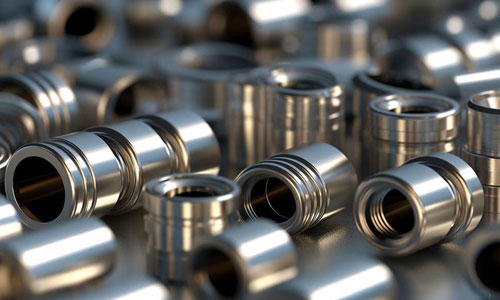
📌Case Study: Automotive Chassis Component

The Challenge: An automotive supplier needed 5,000 chassis brackets with 12 precision holes each. Their manual process had a 15% scrap rate due to misaligned holes and inconsistent depths.

Our Solution: We implemented a 4-axis CNC drilling center with automatic tool changing.

Production Details:

  1. Material: 1045 Steel, 12mm thick
  2. Hole Requirements:
    • 8x M8 threaded holes: 6.8mm drill + 8.0mm tap
    • 4x 10.5mm clearance holes: ±0.05mm positional tolerance
    • All holes: 12mm depth ±0.1mm
    • Countersinks: 82° included angle, 0.5mm deep
  3. Production Metrics:
    • Cycle time: 45 seconds per part (vs. 4 minutes manual)
    • Daily output: 640 pieces per shift
    • Scrap rate: Reduced from 15% to 0.8%
    • Tool life: 2,000 holes per drill (vs. 400 manual)
    • Labor: 1 operator manages 3 machines (vs. 1:1 manual)
  4. Quality Results:
    • 100% hole position accuracy
    • Consistent thread depth and engagement
    • Zero assembly issues at customer plant
    • First-pass yield: 99.2%

The key was implementing peck drilling cycles for the deep holes and using carbide drills with through-spindle coolant. This eliminated chip packing and extended tool life by 400%.

6. Market Prospects of CNC Drilling Machines.

What I'm Seeing in Advanced Shops?

  • Smart tooling: Drills that tell you when they’re getting dull
  • Integrated probing: Machines that check their own work
  • Lights-out operation: Running overnight with no operators
  • Real-time monitoring: Knowing exactly when maintenance is needed

The Truth About New Technology

The fanciest features don’t matter if the machine can’t drill straight holes. I’ll take a basic CNC that works over a “smart” machine that’s unreliable.

When Manual Still Makes Sense

Don't Throw Out Your Drill Press Yet

Manual drilling still has its place:

  • Prototyping: When you need one hole now
  • Emergency repairs: When there’s no time to program
  • Simple jobs: When precision doesn’t matter

The Hybrid Approach

Many shops (including ours) keep a manual drill press for quick jobs while running CNC for production work.

7. Making the Right Choice for Your Shop

Questions to Ask Yourself

  • How many holes do you drill per month?
  • What’s your current scrap rate on drilled parts?
  • How much time do you spend setting up manual drilling?
  • What’s the cost of a single misdrilled part?

Generally, if you’re drilling more than 50 holes per day, CNC starts making financial sense.

Summary

CNC drilling isn’t about replacing people – it’s about empowering them to do better work. Our operators now focus on programming and quality control instead of standing over a drill press all day.
In the future, CNC drilling machines will continue to develop in the direction of high performance and intelligence under the background of intelligent manufacturing and industrial automation, providing higher quality processing solutions for various industries.

Contact us to start your next part machining!
Scroll to Top

Request a Free Quote

If you have any questions or need a quote, please send us a message. We will get back to you as soon as possible!
Click or drag a file to this area to upload.
If you already have drawings, please send them directly to us for a quick and accurate quote, all your information will be kept strictly confidential.