Last updated on March 17, 2026, by Lucy
Many machining projects slow down due to inefficient programming and unstable quality. I have seen delays caused by manual adjustments and lack of data-driven decisions.
AI in CNC machining uses data, algorithms, and machine learning to optimize tool paths, improve machining accuracy, and predict machine issues, helping manufacturers reduce cost, improve consistency, and shorten lead times.
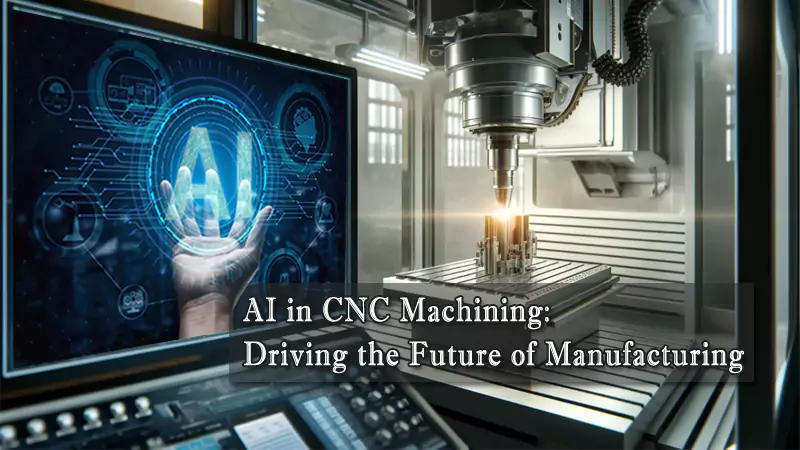
In my early years in a CNC shop, most decisions depended on experience. That worked, but it also created limits. Today, AI helps turn machining data into clear decisions, and this changes how modern manufacturing works.
What Is AI in CNC Machining?
Many engineers hear about AI in manufacturing, but they are not sure how it applies to real CNC machining work.
AI in CNC machining refers to the use of machine learning, sensors, and production data to improve toolpath planning, monitor machining conditions, and support smarter production decisions in real time.
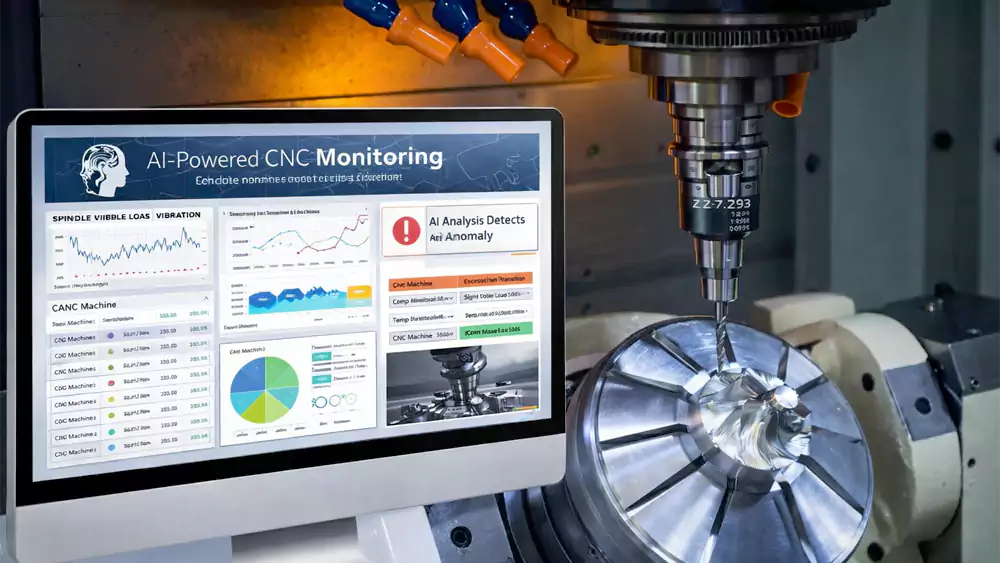
AI does not replace CNC machines. It works with them. It connects CAM software, machine sensors, and production data.
Core AI Applications in CNC Machining
| AI Application | Function |
|---|---|
| Toolpath optimization | Improve cutting efficiency |
| Predictive maintenance1 | Prevent machine failure |
| Quality monitoring | Detect defects early |
| Production planning | Optimize workflow |
In traditional machining, programmers rely on experience and repeated testing. With AI, systems can analyze past machining data and recommend better cutting strategies.
I have seen cases where AI helped reduce trial runs and improved first-pass yield. That alone can save both time and cost in production.
How AI Optimizes CNC Programming and Tool Paths?
CNC programming often requires multiple iterations. Poor tool paths can increase machining time and reduce tool life.
AI optimizes CNC programming by automatically generating efficient tool paths, selecting optimal cutting parameters, and reducing unnecessary machine movements.
This is where AI creates direct value for engineers.
How AI Improves Toolpath Efficiency
AI systems analyze:
- material type
- cutting conditions
- machine dynamics
- historical machining data
Based on this, they adjust tool paths to reduce cutting load and vibration.
Case Study: Gear Housing Optimization
I worked on a project involving aluminum gear housings for an automation system.
| Parameter | Value |
|---|---|
| Material | Aluminum 6061 |
| Part size | 180 mm × 120 mm |
| Tolerance | ±0.02 mm |
| Annual volume | 2,500 units |
| Original cycle time | 18 min |
After applying AI-assisted toolpath optimization2:
| Result | Improvement |
|---|---|
| Cycle time | 14 min |
| Tool wear | -20% |
| Surface finish | More stable |
The biggest improvement came from reducing idle movements3 and optimizing cutting sequences.
This kind of improvement is small per part, but large over production.
How AI Improves Quality and Machine Reliability?
Maintaining stable quality over long production runs is always a challenge. Tool wear and machine vibration can affect part accuracy.
AI improves machining quality and reliability by using sensors and machine learning to detect tool wear, monitor vibration, and predict equipment failures before they occur.
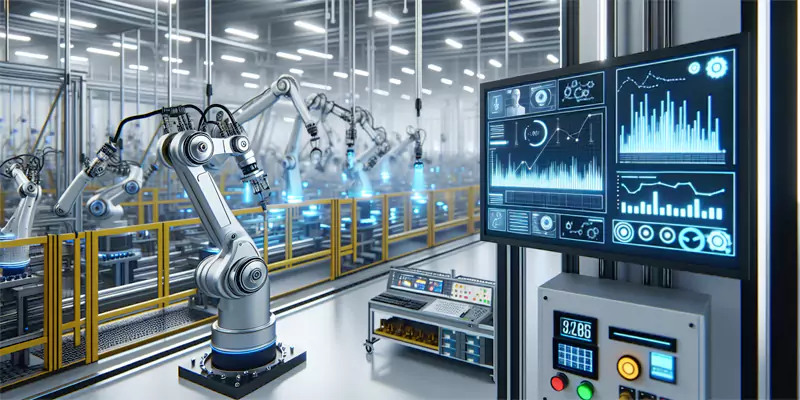
AI allows real-time monitoring instead of reactive control.
Sensor-Based Monitoring4
Modern CNC systems collect data such as:
| Data Type | Purpose |
|---|---|
| Vibration | Detect chatter |
| Spindle load | Monitor cutting force |
| Temperature | Prevent overheating |
| Acoustic signals | Detect tool wear |
AI analyzes this data continuously.
Predictive Maintenance
Instead of fixed maintenance schedules, AI predicts when maintenance is needed.
For example, increasing vibration trends may indicate spindle wear. Maintenance can be scheduled early, avoiding unexpected downtime.
From my experience, this is one of the most practical uses of AI in machining.
Benefits of AI in CNC Machining?
Many companies adopt AI because they want better efficiency and more stable production.
AI in CNC machining improves precision, reduces scrap, shortens lead time, and increases machine uptime by optimizing processes and enabling predictive maintenance.

These benefits often appear together.
Key Benefits Overview
| Benefit | Impact |
|---|---|
| Higher precision | Better consistency |
| Faster programming | Shorter lead time |
| Reduced scrap | Lower cost |
| Predictive maintenance | Less downtime |
AI helps process data at a scale that humans cannot manage.
But I always say this. AI improves decisions. It does not replace experience.
The Future of AI in CNC Manufacturing?
Manufacturing is moving toward automation and digital systems. CNC machining is part of this shift.
AI will play a key role in smart factories by enabling automated production, real-time decision making, and integrated digital manufacturing systems.

Many factories are already combining CNC machines with robotics and data systems.
What This Means for Manufacturers
AI will support:
- production scheduling5
- automated inspection
- real-time quality control
- machine coordination
Many manufacturers now prefer CNC machining partners that combine advanced machining capability with intelligent production systems.
From my experience, AI can improve speed and efficiency. But experience still ensures accuracy and stability.
Conclusion
AI improves CNC machining efficiency and quality, but real manufacturing success still depends on strong engineering experience and process control.

-
Learn how predictive maintenance uses AI to foresee and prevent machine breakdowns, saving costly downtime. ↩
-
Explore how AI-assisted toolpath optimization can significantly reduce cycle time and tool wear, enhancing manufacturing efficiency. ↩
-
Learn why reducing idle movements in machining processes leads to better tool life and faster production cycles. ↩
-
Explore how Sensor-Based Monitoring enhances real-time data collection and improves machining accuracy and tool life. ↩
-
Learn how AI enhances production scheduling for better efficiency and coordination in manufacturing processes. ↩
