Last updated on April 17, 2026, by Lucy
I often see projects fail due to poor tolerance control. Parts look fine at first. Then assembly fails. That cost is high and avoidable.
Aluminum precision machining achieves tight tolerances (±0.01 mm or better) by combining stable aluminum alloys, optimized CNC processes, controlled finishing, and strict quality inspection to produce consistent, high-performance parts.

I have worked with many engineers who design perfect CAD models. But real success depends on how those designs behave in machining. I will walk through how I approach this step by step.
What Is Aluminum Precision Machining & Why It Matters?
I often see confusion between standard machining and precision work. That gap leads to scrap, delays, and cost overruns.
Aluminum precision machining is the process of producing parts with very tight tolerances, fine surface finishes, and repeatable accuracy, typically within ±0.01 mm, using advanced CNC machining and strict process control.
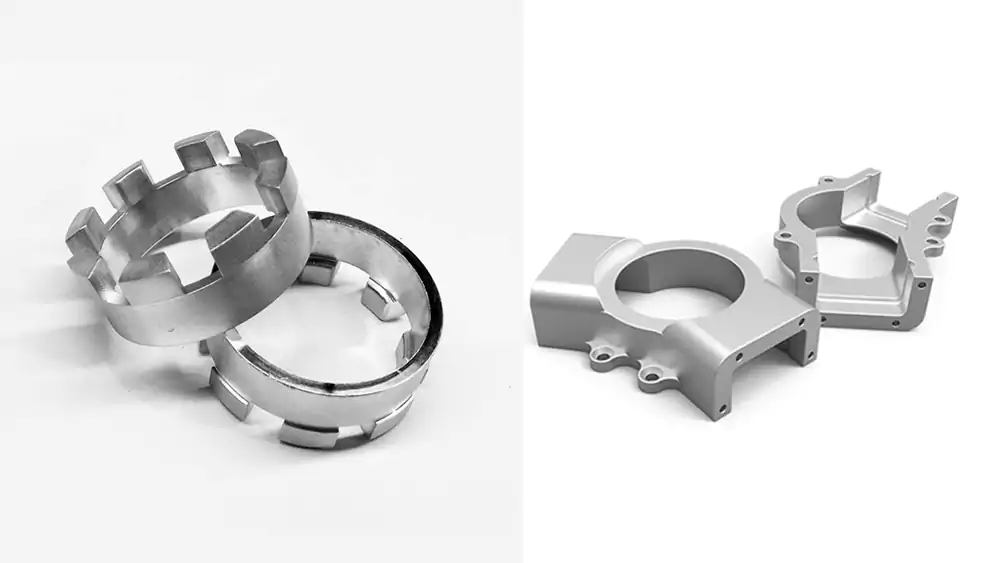
I have seen many teams underestimate how small tolerance changes affect assembly. Even a 0.02 mm shift can break a fit. In many real projects, working with an experienced aluminum parts manufacturer for high precision CNC machining helps reduce this risk early.
Precision vs Standard Machining
| Factor | Standard Machining | Precision Machining |
|---|---|---|
| Tolerance | ±0.05–0.1 mm | ±0.01 mm or tighter |
| Surface Finish | Ra 3.2–6.3 | Ra 0.8–1.6 |
| Process Control | Basic | Highly controlled |
| Inspection | Random | Full inspection |
Why Aluminum Works So Well
I prefer aluminum because it is predictable. It cuts clean. It holds shape when handled correctly.
- Low cutting resistance1 reduces tool wear
- Good thermal conductivity reduces heat buildup
- Stable structure supports tight tolerance
Industry Drivers
I see three main trends pushing precision:
- Automotive → lightweight design
- Aerospace → strength and safety
- Electronics → compact size
Best Aluminum Alloys for High-Precision Applications?
Choosing the wrong alloy often leads to instability during machining. That is a mistake I try to avoid early.
The best aluminum alloys for precision machining are 6061 for general use, 7075 for high strength, and 2024 for fatigue resistance, selected based on strength, machinability, and dimensional stability.
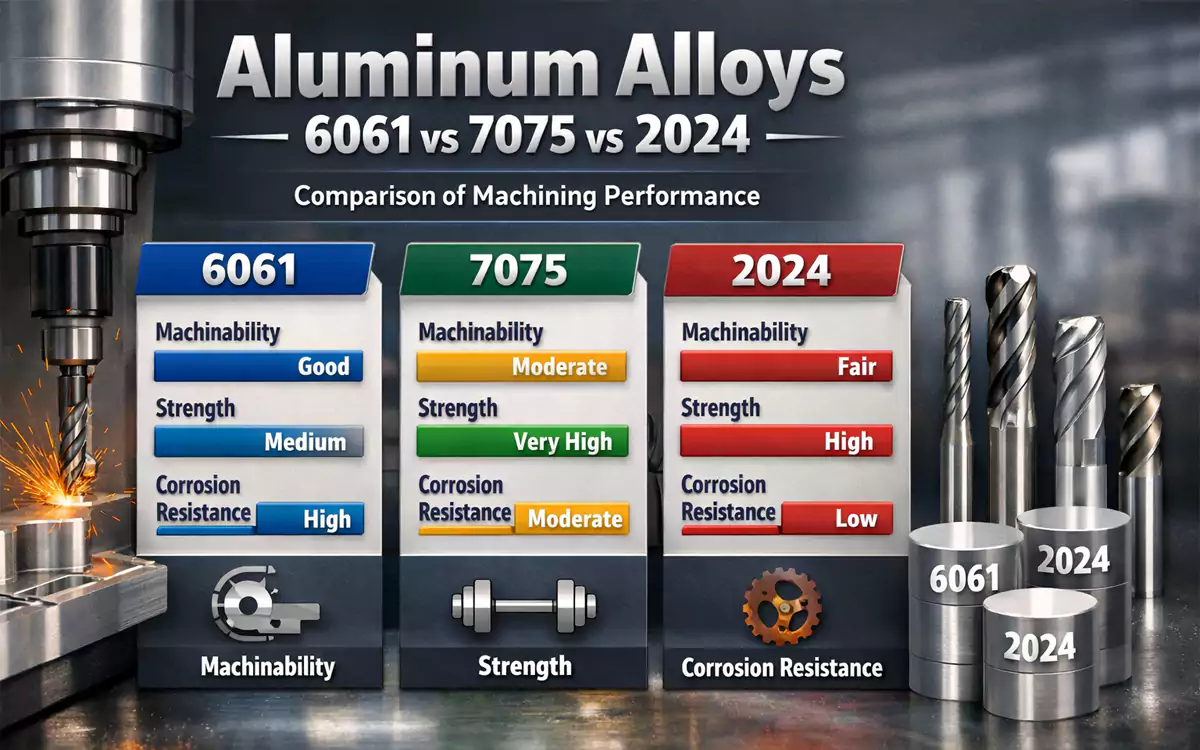
Material choice is not just about strength. It affects deformation, tool life, and cost. In practice, many engineers refine their decisions through real-world aluminum CNC workflows like those described in this complete aluminum CNC machining process guide.
Alloy Comparison
| Alloy | Strength | Machinability | Stability | Cost |
|---|---|---|---|---|
| 60612 | Medium | Excellent | High | Low |
| 7075 | Very High | Good | Medium | High |
| 2024 | High | Fair | Medium | Medium |
My Selection Logic
I follow a simple rule in most projects:
- Use 6061 for general parts
- Use 7075 for structural loads
- Use 2024 for fatigue-critical areas
Industry Mapping
| Industry | Recommended Alloy |
|---|---|
| Automotive | 6061 |
| Aerospace | 7075 / 2024 |
| Electronics | 6061 |
| Medical | 6061 / 7075 |
Key Processes for Aluminum Precision Machining?
Many engineers think CNC alone solves everything. That is rarely true in high-precision work.
High-precision aluminum machining relies on a combination of CNC milling, turning, grinding, EDM, and laser cutting to achieve tight tolerances, complex geometry, and consistent quality.
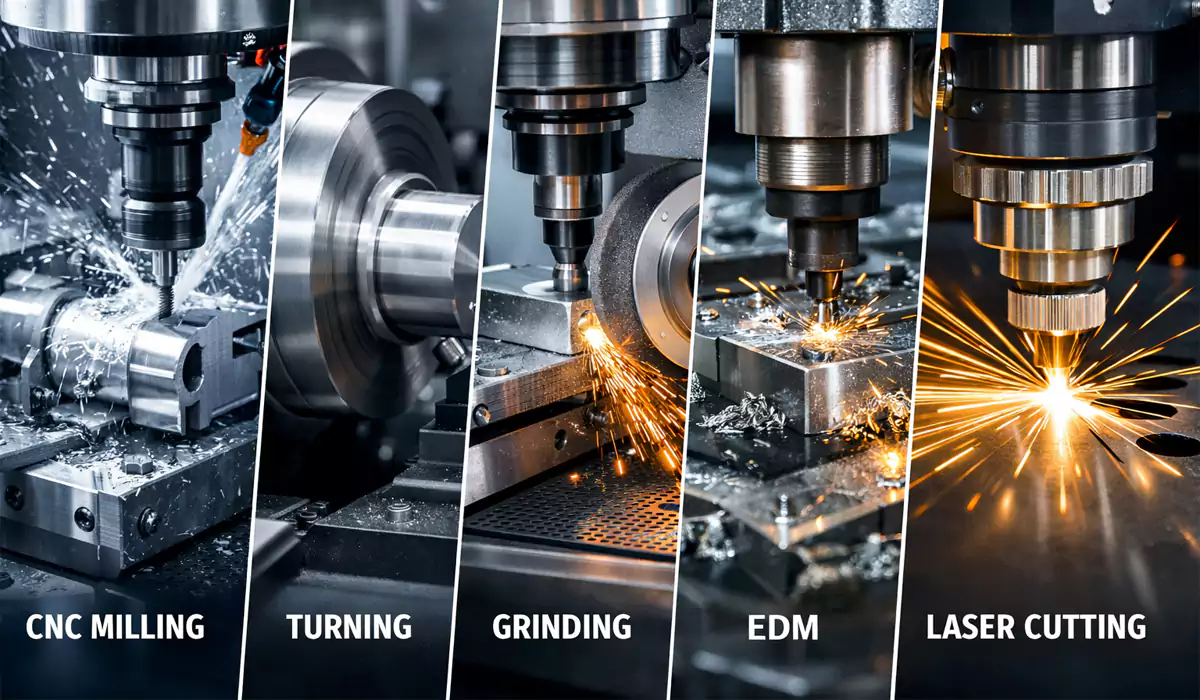
I often combine multiple processes to control risk and improve accuracy. This is especially true when producing custom aluminum CNC machining spare parts with tight tolerances where repeatability matters as much as precision.
Core Processes
- CNC Milling → complex geometry
- CNC Turning → cylindrical parts
- Grinding → ultra-tight tolerance
- EDM → intricate internal features
- Laser Cutting → thin-wall components
Case Study: Aerospace Bracket
I worked on a high-load aerospace bracket where both strength and precision were critical.
| Parameter | Value |
|---|---|
| Material | 7075-T6 |
| Tolerance | ±0.008 mm |
| Surface Finish | Ra 1.2 |
| Wall Thickness | 1.5 mm |
| Batch Size | 500 pcs |
| Process | 5-axis CNC + grinding |
What Made It Work
- Stress relief3 before machining
- 5-axis machining reduced setups
- Grinding ensured final accuracy
- Full CMM inspection verified results
This is where precision becomes a system, not a single step.
Achieving Tight Tolerances: Design, Finishing & Quality Control?
Most tolerance problems start in design, not in machining. I see this mistake very often.
Tight tolerances are achieved through proper DFM design, controlled surface finishing, deformation management, and precise inspection using tools like CMM under ISO quality standards.
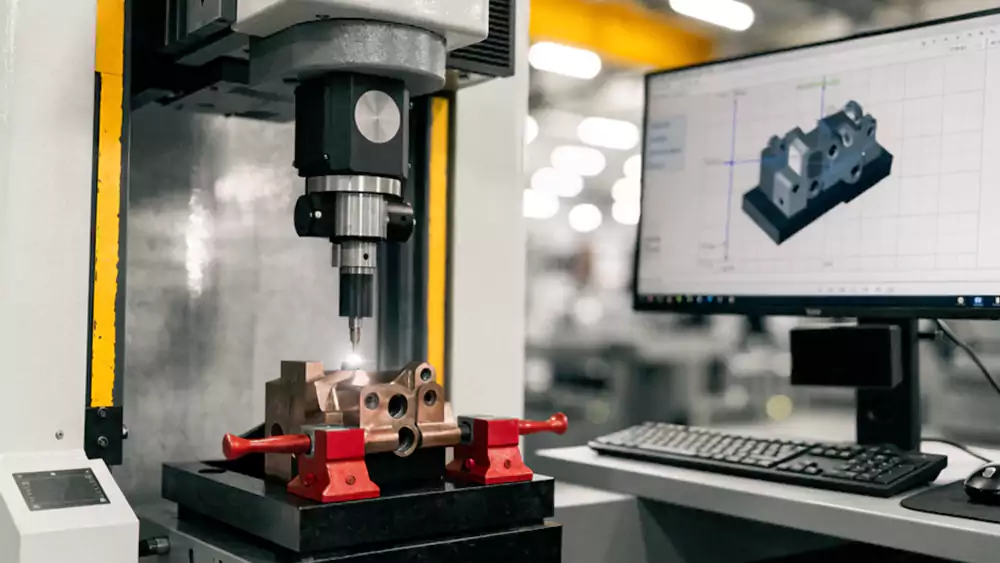
When design and machining work together, results improve fast.
DFM Design Rules I Follow
| Feature | Recommendation |
|---|---|
| Wall Thickness | ≥1.0 mm |
| Hole Depth | ≤4× diameter |
| Fillets | Add whenever possible |
| Sharp Corners | Avoid |
Surface Finishing Impact
- Anodizing → adds thickness (5–25 µm)
- Polishing → improves surface quality
- Sandblasting → cosmetic only
Deformation Control4
This step is often ignored but critical.
- Release internal stress early
- Use balanced cutting paths
- Control cutting temperature
Inspection Methods
| Method | Use |
|---|---|
| CMM | High precision measurement |
| Calipers | Basic inspection |
| Optical | Complex shapes |
Applications & How to Choose the Right Machining Partner?
Even a perfect design will fail with the wrong supplier. I have seen this happen more than once.
Precision aluminum machining is used in automotive, aerospace, electronics, and medical industries, and the right partner must offer advanced equipment, tight tolerance control, reliable quality systems, and scalable production.
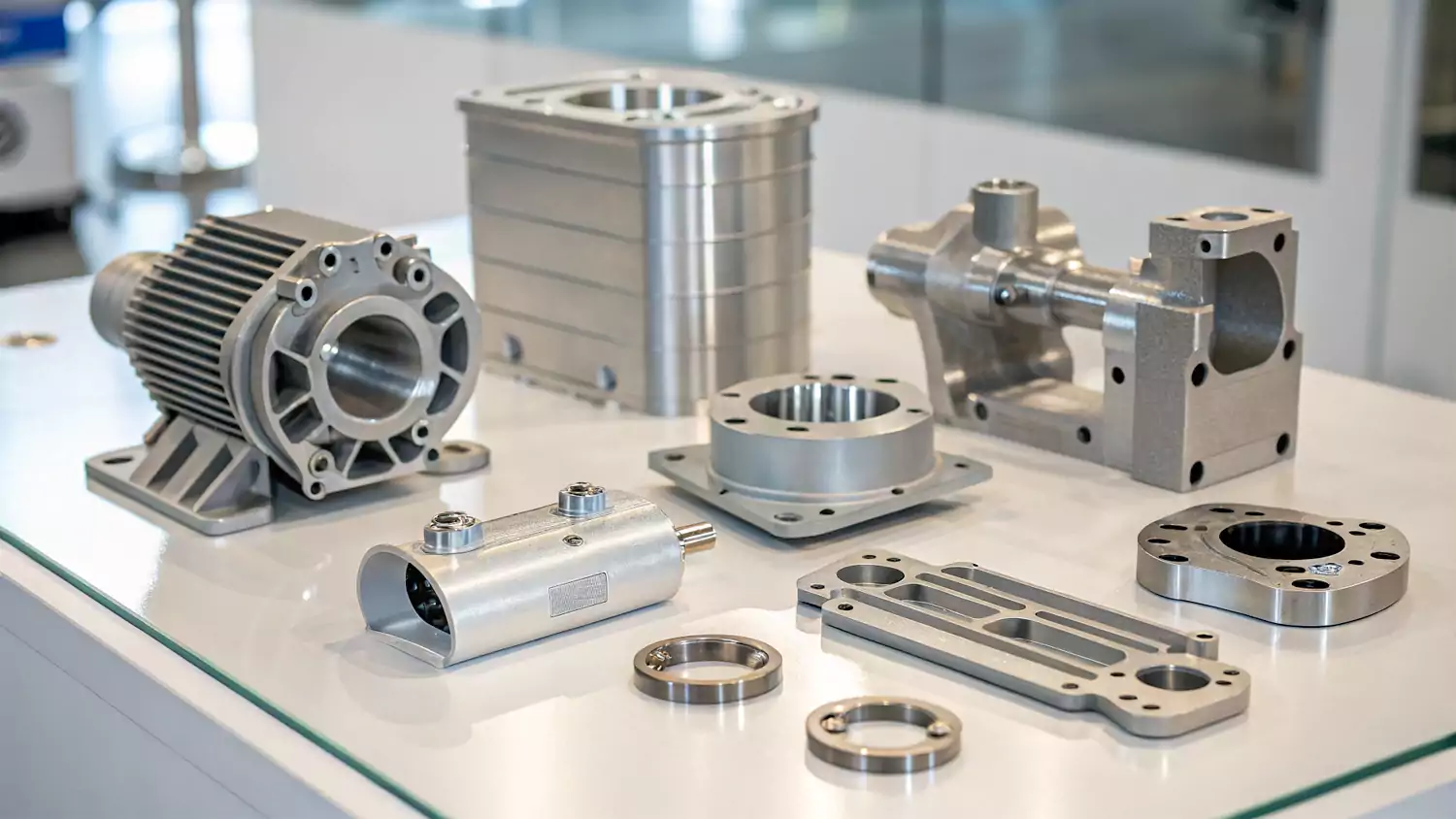
Choosing a supplier is not just about price. It is about long-term reliability. In automotive projects, I often rely on insights from real production scenarios such as custom aluminum car parts machining for automotive manufacturers to evaluate feasibility and cost balance.
Key Applications
- Automotive → lightweight components
- Aerospace → structural parts
- Electronics → housings and heat sinks
- Medical → precision devices
How I Evaluate a Supplier
| Criteria | What I Check |
|---|---|
| Equipment | 5-axis, grinding capability |
| Tolerance | Proven ±0.01 mm |
| QC System | ISO certification5 |
| Capacity | Prototype to production |
What Matters Most to Me
I focus on:
- Fast and accurate quoting
- Clear communication
- Consistent quality
I do not just buy parts. I build partnerships.
Conclusion
Precision aluminum machining is about control at every step. I focus on material, process, and inspection as one system. When they align, I get stable quality, predictable performance, and long-term manufacturing success.
-
Explore how low cutting resistance improves tool life and machining efficiency for better production outcomes. ↩
-
Explore this link to understand why 6061 aluminum is favored for general parts due to its excellent machinability, stability, and cost-effectiveness. ↩
-
Explore how stress relief enhances machining accuracy and prevents distortion in high-precision parts like aerospace brackets. ↩
-
Learn techniques to minimize deformation, ensuring higher precision and better quality in machined parts. ↩
-
Learn how ISO certification ensures consistent quality and reliability in supplier manufacturing processes. ↩
