Finishing Guide: Deburring

Finishing Guide: Deburring

Deburring might seem like a small step in manufacturing, but it’s a game-changer for part quality, safety, and performance. In this guide, we’ll break down everything you need to know about deburring—from why it matters to how it’s done—with insights straight from the shop floor. Whether you’re a procurement manager, engineer, or designer, this is your go-to resource for making informed decisions on part finishing.

1. Overview

What is deburring?

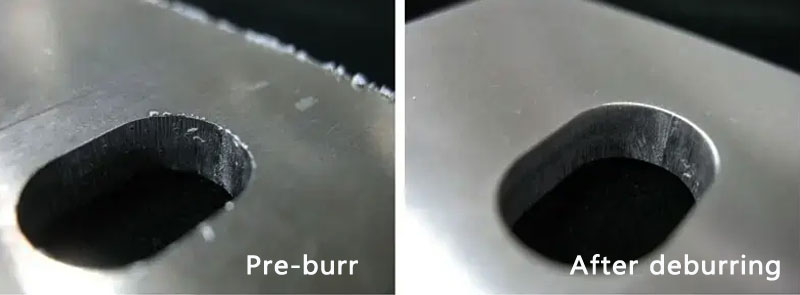
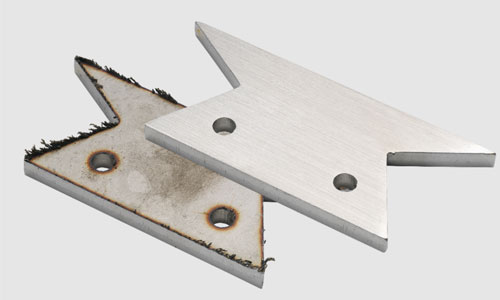
Deburring is the process of removing those pesky, sharp edges—called burrs—that form on metal surfaces during machining. Think of it as smoothing out the rough spots so parts fit together perfectly and operate safely.

How are burrs created?

A burr is primarily a protruding edge formed during machining when contact between the tool and the workpiece causes a localized tear or deformation of the metal material.

Common machining methods, such as CNC machining, casting or stamping, have the potential to create burrs on the edges or holes of the workpiece. Especially in harder materials, deburring becomes more difficult.

Classification of burrs

Burrs can be categorized into several types based on their cause and appearance:

  • Cutting burrs: Usually formed during CNC cutting or tool use, they are characterized by sharp and irregular edges.
  • Tensile burrs: These burrs are formed during plastic deformation and may have smoother edges, but still need to be removed.
  • Casting burrs: During the casting process, friction or incomplete curing between the metal liquid and the mold can lead to burrs.
  • Welding burrs: During the welding process, excess material edges may be created due to uneven melting and cooling of the metal.

2. Why deburring?

Although burrs may seem insignificant, they are potentially harmful to the performance, appearance and safety in use of workpieces.

Skip deburring, and you’re asking for trouble. Here’s why:

  • Assembly headaches: Burrs cause misalignment or jamming, disrupting smooth equipment operation.
  • Safety risks: Sharp edges can cut operators during handling.
  • Increased wear: Burrs lead to excess friction, shortening part lifespan.
  • Poor aesthetics: Uneven surfaces make parts look unprofessional and hurt market appeal.

Case Study: Solving Burr-Related Assembly Failures in Automotive Components

We recently worked with a client producing aluminum engine mounts for automotive applications. The parts, made from 6061 aluminum with dimensions of 120mm x 80mm x 25mm, had cutting burrs up to 0.3mm high on drilled holes. During assembly, these burrs caused misalignment in bolt fittings, leading to a 15% rejection rate and delayed deliveries.

Solution: We implemented mechanical deburring using a brush wheel attachment on their CNC mill. Parameters included a spindle speed of 3000 RPM and feed rate of 500 mm/min. The process took under 2 minutes per part.

Results:

  • Rejection rate dropped to near zero.
  • Assembly time improved by 20% due to smoother fits.
  • Customer feedback highlighted enhanced part reliability in field tests.

This case shows how a simple deburring step can save time, money, and reputations.

3. The difference between deburring and finishing

Although both processes involve surface preparation, they have different purposes and methods.

Finishing

Finishing focuses on improving the accuracy and quality of the workpiece, including its dimensions, surface finish, and shape. It typically involves precise techniques like CNC cutting, grinding, or polishing.

Deburring

Deburring removes sharp edges or protrusions left from machining to ensure the part is safe for assembly and use. Unlike finishing, this process doesn’t require high precision but is crucial for edge safety.

As a key step in the finishing process, deburring eliminates sharp edges, ensuring parts are safe, functional, and ready for assembly or further use.

4. Methods of deburring

There are several methods for removing burrs, and the choice of the appropriate process depends on the material, shape, and application requirements of the workpiece.

Mechanical deburring

This method uses equipment such as sanders and grinders to eliminate burrs. It is often preferred for large workpieces or when significant burr removal is needed.

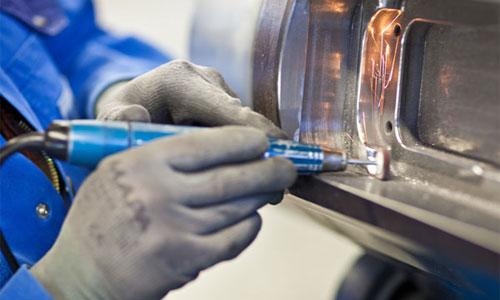
Manual deburring

Hand tools like wire brushes, grinding stones, and deburring knives are used for this process. It’s typically employed in small batch production or for fine finishing on intricate parts.

Chemical Removal

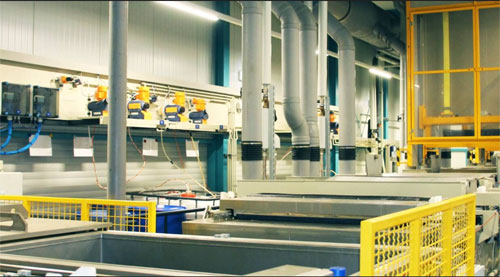
Chemical solutions are applied to dissolve burrs, making this technique suitable for parts with complex shapes. However, material compatibility is a key consideration.

Electrolytic Removal

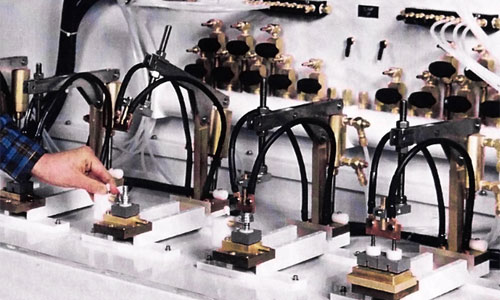
An electrolytic reaction is used to dissolve burrs, offering high precision for complex parts. This method is commonly applied to high-precision components.

Jet Removal

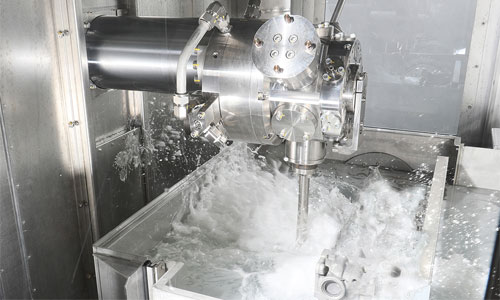
Burrs are removed by impacting the workpiece surface with a jetted medium, such as sand, glass beads, or abrasive particles. Jet removal is ideal for castings or parts with high surface hardness.

5. Common deburring tools on CNC machine tools

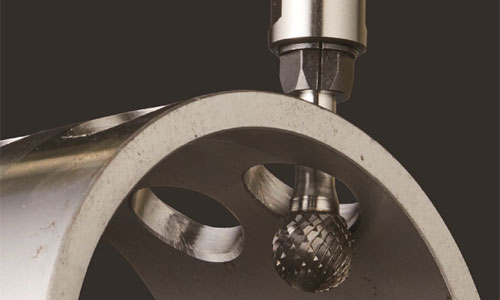
Common tools for burr removal in CNC machining include:

Deburring Tool

This tool is designed to precisely remove burrs from the edges of workpieces, featuring a specialized cutting edge that enhances both efficiency and accuracy.

Brush Wheel

Brush wheels are effective for removing surface burrs without damaging the workpiece, making them ideal for light burr removal.

Sanding Belt

Abrasive belts use friction to remove burrs and are suitable for more complex workpieces that require higher precision.

Grinding Discs

Abrasive discs work by rotating rapidly to smooth surfaces and remove burrs, commonly used for fine machining and parts with stringent surface finish requirements.

These tools significantly improve burr removal efficiency, especially for CNC machining that demands high precision and quality.

6.Conclusion

Deburring is not just a surface treatment; it directly affects part assembly, service life, and operational safety. Understanding the various techniques and tools for edge removal helps you make informed choices during manufacturing, ensuring high product quality.

Contact us today for a free quote!
Scroll to Top

Request a Free Quote

If you have any questions or need a quote, please send us a message. We will get back to you as soon as possible!
Click or drag a file to this area to upload.
If you already have drawings, please send them directly to us for a quick and accurate quote, all your information will be kept strictly confidential.