Last updated on March 25, 2026, by Lucy
I often see projects fail due to poor supplier choices. Costs rise, timelines slip, and quality suffers. It creates stress for engineers and buyers under pressure.
The best CNC machining suppliers in China combine strong engineering support, stable quality systems, clear communication, and proven export experience. You should not choose based on price alone. A structured evaluation process helps you avoid risks and build long-term partnerships.
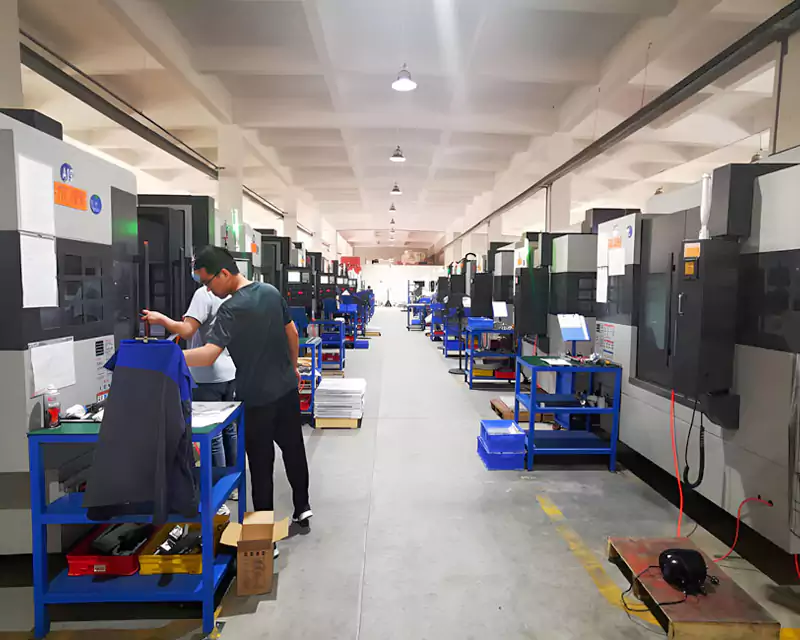
I have worked with many suppliers over the years. Some delivered great results. Others caused delays and rework. The difference was never luck. It was always process. In this guide, I will show you how I find and qualify reliable CNC partners step by step.
Why Choose China for CNC Machining Services?
I used to worry about quality risks when sourcing from China. Many engineers still think the same way. But that view is often outdated.
China is a strong choice for CNC machining because of its cost efficiency, mature supply chain, skilled engineers, and deep export experience. Many suppliers now meet global standards in quality and communication.
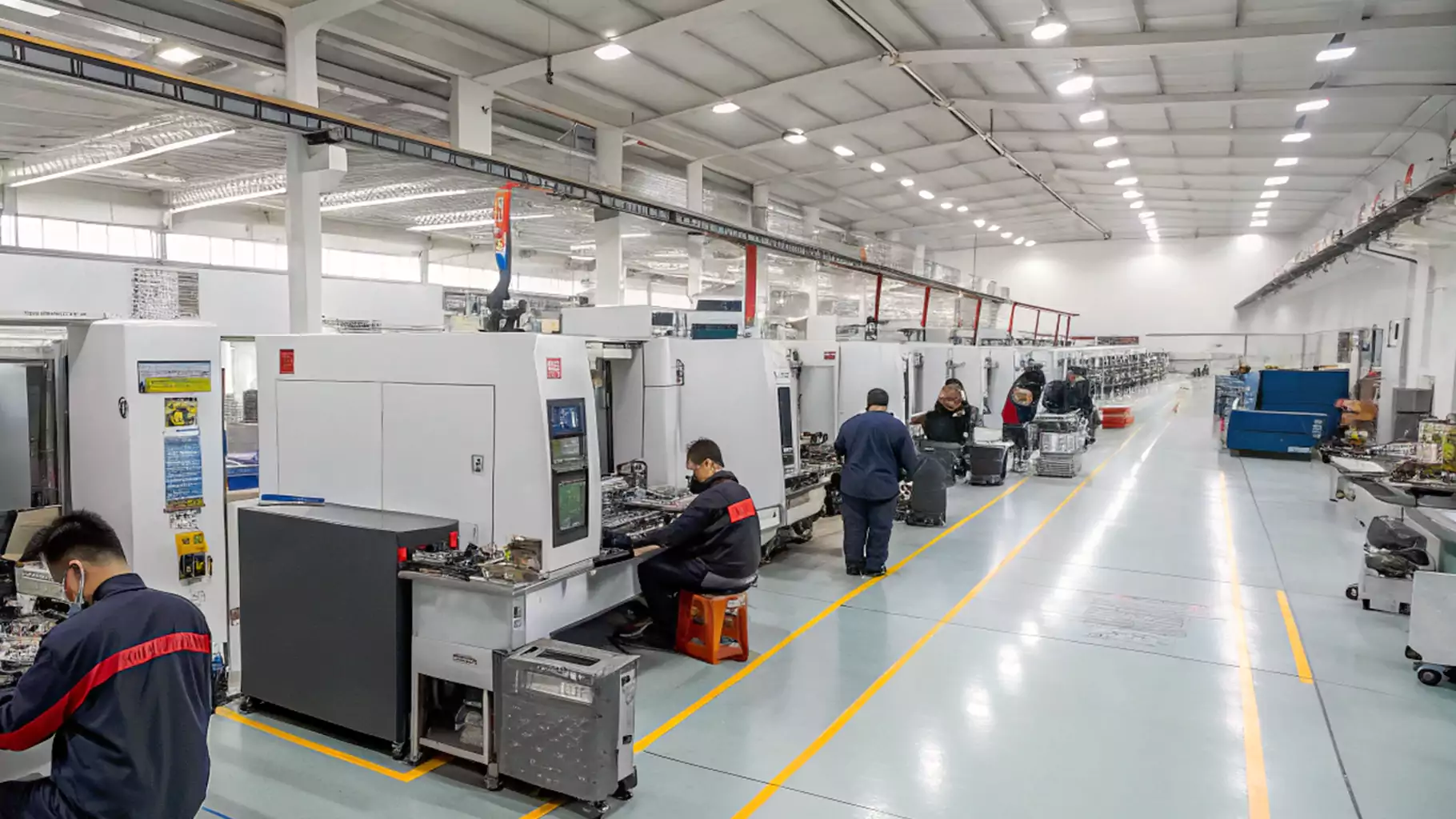
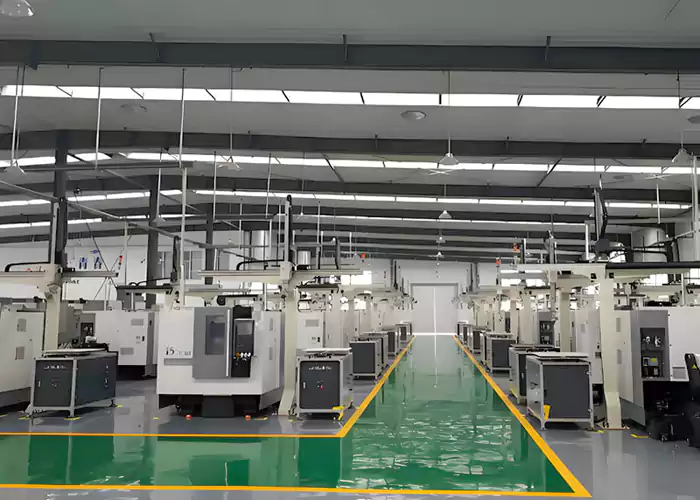
When I visit factories, I see advanced machines and experienced operators. Many shops run 3-axis, 4-axis, and 5-axis CNC machines. They handle tight tolerances and complex geometries.
Cost vs Value
Lower cost is real. Labor and scale reduce unit price. But the real value comes from efficiency. Many suppliers optimize tool paths and reduce cycle time. That saves money without cutting quality.
Strong Supply Chain
China has a complete ecosystem. Raw materials, heat treatment, surface finishing, and inspection are all nearby. This reduces lead time and logistics risk.
Engineering Capability1
I often send complex drawings. Good suppliers review them carefully. They suggest design improvements. They flag tolerance risks early. This saves time later.
Export Experience
Many suppliers serve Europe and the US. They understand packaging, documentation, and quality expectations. This reduces friction during projects.
How to Find and Evaluate CNC Machining Suppliers in China?
Finding suppliers is easy. Finding the right one is hard. I made mistakes early on by trusting websites alone.
You should use multiple channels to find suppliers, then evaluate them based on capability, communication, and long-term fit. A good supplier behaves like an engineering partner, not just a manufacturer.
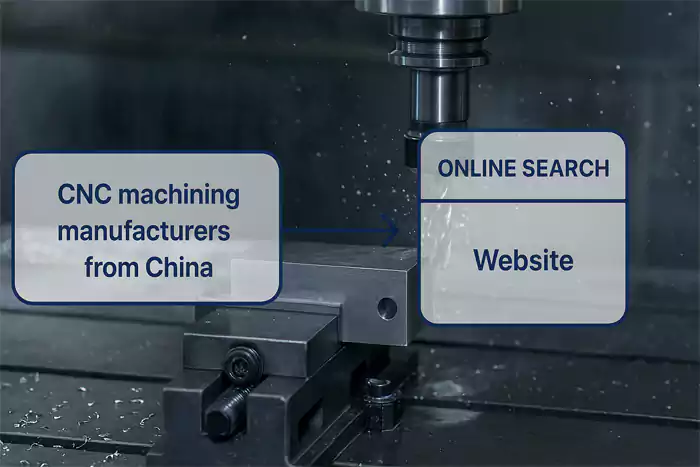
Where I Find Suppliers
- Google search: I search for niche capabilities like “5-axis CNC machining aerospace parts”
- B2B platforms: Alibaba or Made-in-China for initial screening
- Trade shows: I meet suppliers face to face when possible
- Referrals: Trusted contacts often give the best leads
How I Screen Them First
I check a few basics:
| Criteria | What I Look For |
|---|---|
| Website | Clear capabilities, real photos |
| Certifications | ISO 90012 at minimum |
| Experience | Industry-specific cases |
| Equipment | Modern CNC machines listed |
Communication Test
I always test response speed and clarity. I send a technical RFQ. I check:
- Do they ask questions?
- Do they understand tolerances?
- Do they suggest improvements?
Good suppliers act like engineers.
Long-Term Fit
I do not look for a one-time vendor. I look for a partner. I ask myself:
- Can they scale production?
- Do they protect IP?
- Are they proactive?
Red Flags and Common Mistakes When Choosing Suppliers?
I learned some lessons the hard way. Some suppliers look good at first but fail later.
The biggest risks include unrealistically low pricing, fake factories, lack of quality systems, and poor communication. Spotting these early can save you from costly failures.
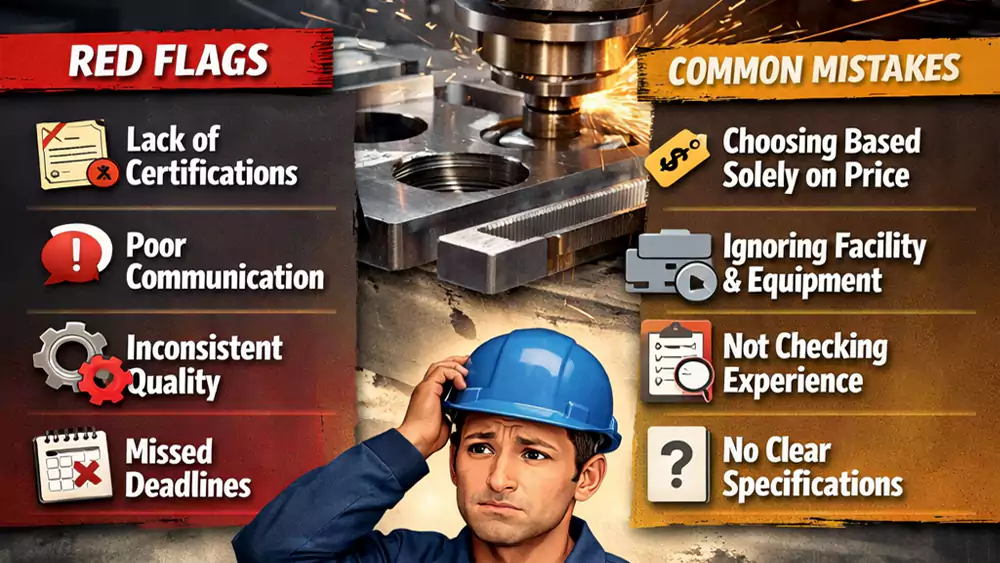
Low Price Trap
If a quote is much lower than others, I pause. It often means:
- Wrong material assumptions
- Missing processes
- Poor quality control
Cheap parts often become expensive problems.
Trading Company Disguised as Factory
Some companies act as middlemen. They hide the real factory. This creates risks in quality and lead time.
I ask for:
- Factory audit videos
- Equipment lists
- Direct engineer contact
No Quality System
If they cannot show inspection reports3 or procedures, I walk away. A real factory has:
- Incoming material checks
- In-process inspection
- Final QA reports
Communication Problems
Delayed replies or vague answers are warning signs. If communication is weak early, it will be worse during production.
A Practical 5-Step Process to Qualify CNC Suppliers?
Over time, I built a clear process. I use it for every new supplier. It reduces risk and improves results.
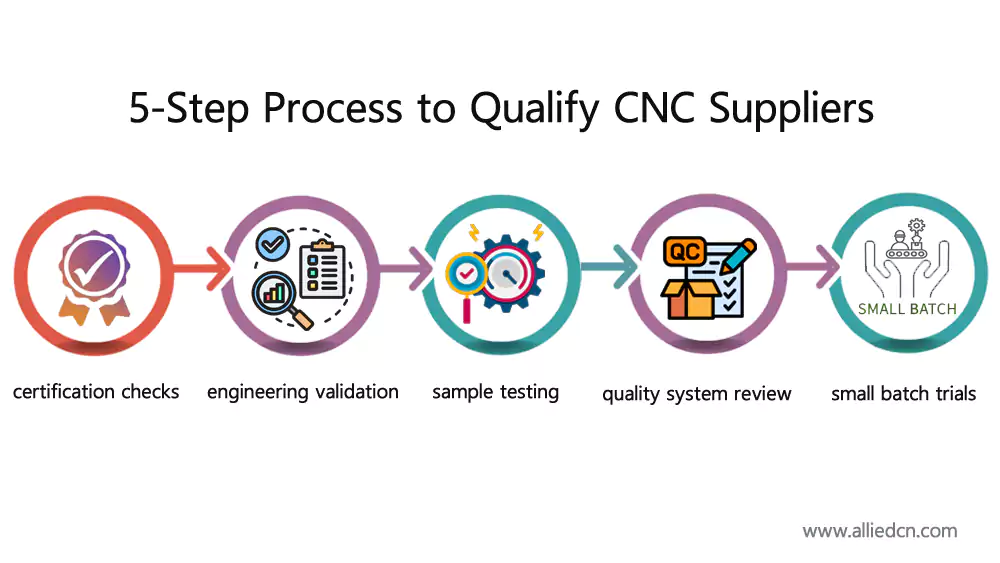
A structured 5-step qualification process includes certification checks, engineering validation, sample testing, quality system review, and small batch trials. This approach ensures the supplier can meet your real production needs.
Step 1: Certification and Experience
I verify ISO certification4. I also check industry experience. Aerospace and medical projects require higher standards.
Step 2: Engineering Communication Test
I send a complex drawing. I evaluate their feedback. Good suppliers point out risks and suggest improvements.
Step 3: Sample Validation
I always order samples. I check:
- Dimensions
- Surface finish
- Material compliance
Step 4: Quality System Check
I review their inspection process. I ask for:
- CMM reports5
- Process control documents
Step 5: Small Batch Trial
Before full production, I run a small batch. This shows consistency and delivery reliability.
Case Study: Real Supplier Qualification Example
I worked on a robotics component project. The part required tight tolerances and anodized finish.
| Parameter | Requirement | Result |
|---|---|---|
| Material | 7075 Aluminum | Passed |
| Tolerance | ±0.01 mm | Achieved ±0.008 mm |
| Surface Finish | Ra 1.6 | Achieved Ra 1.2 |
| Quantity | 500 units | Delivered on time |
| Lead Time | 21 days | Completed in 18 days |
The supplier suggested a minor design change. It improved tool life and reduced cost by 12%. This is what a real partner does.
Get a Quote from a Trusted CNC Machining Supplier?
At this stage, you need a supplier you can trust. I built my approach based on real factory experience.
A reliable CNC partner should offer fast quoting, strong engineering support, consistent quality, and on-time delivery. The goal is not just to make parts, but to reduce your project risk.
I focus on industries like:
- Automotive
- Medical devices
- Aerospace
- Industrial equipment
What I Value Most
- Clear communication
- Fast RFQ response
- DFM feedback
- Stable quality
Call to Action
If you are working on a project, I suggest you take the next step:
- Upload your drawings
- Get a quote within 24 hours
A real machining partner does more than cut metal. They act as your eyes in the factory. They catch issues before they become costly problems.
Conclusion
I always use a structured process to choose suppliers. It reduces risk and improves results. The right CNC partner makes your entire project easier.
-
Learn why strong engineering capability helps suppliers improve designs and prevent tolerance issues, saving time and costs. ↩
-
Learn why ISO 9001 certification is crucial for supplier reliability and quality management in manufacturing. ↩
-
Inspection reports provide documented proof of quality checks, helping you avoid costly defects and delays. ↩
-
Explore this link to understand why ISO certification is crucial for ensuring supplier quality and compliance with industry standards. ↩
-
Learn how CMM reports help verify precision and maintain high-quality standards in supplier inspection processes. ↩
