Many engineers choose ABS for prototypes. But they often ask the same question. What exactly is machine grade ABS, and why does it machine so well?
Machine grade ABS is a form of ABS plastic supplied as machining stock such as rods, sheets, or plates. It is optimized for CNC machining rather than molding. Engineers choose it because it cuts cleanly, holds stable dimensions, and produces consistent surface finishes.
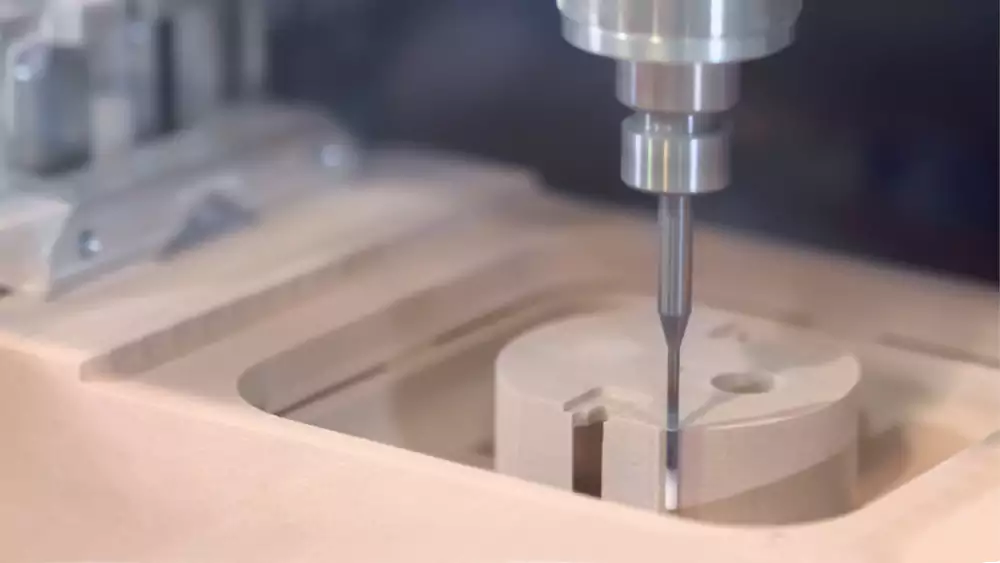
I have worked with many plastics in CNC shops. Some plastics are strong but hard to cut. Some plastics are cheap but unstable. Machine grade ABS sits in a balanced middle. It is not the strongest plastic and not the cheapest. But it machines cleanly, finishes well, and delivers consistent results. Many engineers prefer that reliability.
What Is Machine Grade ABS?
Many people know ABS plastic from molded consumer products. But engineers often use a different form when parts are CNC machined.
Machine grade ABS is ABS plastic supplied as solid stock such as rods or sheets. Manufacturers produce it specifically for machining processes like milling, turning, and drilling.
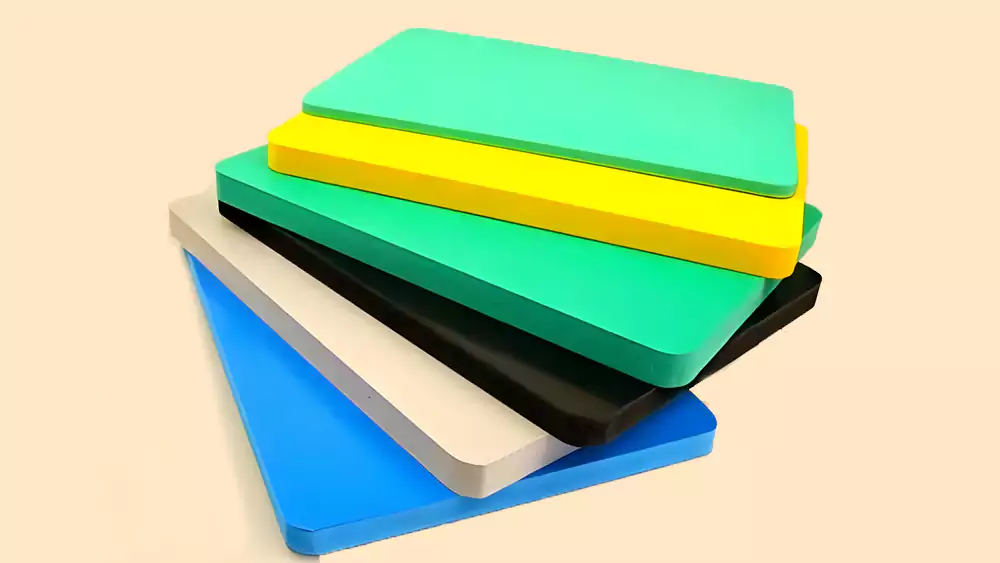
Definition of machine grade ABS
Machine grade ABS is the same base polymer as molded ABS. However, the material is processed differently. Instead of pellets for injection molding, it is produced as large solid forms. CNC shops then machine these blocks into finished parts.
This form gives engineers a stable material structure. The internal stress is low. The material cuts evenly during machining. Tool wear stays low. Many suppliers now offer dedicated ABS CNC machining services to produce precision plastic parts from these stock materials.
Machine grade ABS vs injection molding ABS
Injection molding ABS usually comes as pellets. Manufacturers melt the pellets and inject them into molds. The final shape forms directly inside the mold cavity.
Machine grade ABS works differently. The material starts as rods or plates. CNC machines remove material until the final shape appears.
The key difference is flexibility. CNC machining allows fast design changes. Engineers can test prototypes without building expensive molds.
Typical supply forms: ABS rod, sheet, and plate
Most machining suppliers provide ABS in three common forms:
| Form | Typical Use |
|---|---|
| ABS Rod | Turning operations and cylindrical parts |
| ABS Sheet | Panels and flat components |
| ABS Plate | Larger structural prototypes |
These stock shapes allow engineers to quickly machine custom parts without waiting for tooling.
What Mechanical Properties of Machine Grade ABS Matter for Engineering?
Engineers rarely select materials based on only one property. Instead, they evaluate strength, temperature limits, and electrical behavior.
Machine grade ABS offers moderate strength, high impact resistance, and good dimensional stability. These properties make it useful for prototypes, housings, and industrial components.
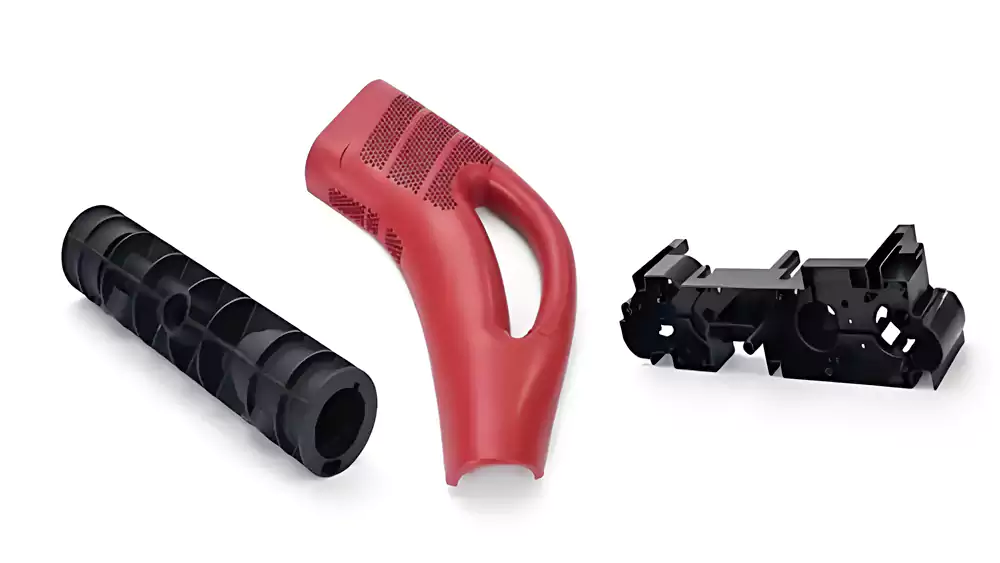
Strength, stiffness, and impact resistance1
ABS is well known for impact resistance. The material absorbs energy instead of cracking easily. That feature makes it useful for housings and protective components.
The stiffness is moderate. ABS is not as stiff as Delrin or polycarbonate. But it is strong enough for many structural plastic parts.
Heat resistance and operating temperature
ABS performs well in moderate temperatures. The typical continuous working range is about -20°C to 80°C. Some grades can tolerate slightly higher temperatures for short periods.
Engineers working in high-temperature environments may require materials with superior thermal performance. Selecting the right heat-resistant plastic for CNC machining ensures your parts deliver reliable performance.
For engineers, this range covers many industrial uses. It works well for electronic enclosures and automation components.
Electrical insulation2 and chemical resistance
ABS also acts as a good electrical insulator. Many industrial devices use ABS housings to protect internal electronics.
Chemical resistance3 is moderate. ABS handles water, weak acids, and many oils. But it may degrade with strong solvents.
Typical mechanical properties table
| Property | Typical Value |
|---|---|
| Density | ~1.04 g/cm³ |
| Tensile Strength | 40–50 MPa |
| Impact Resistance | High |
| Operating Temperature | -20°C to 80°C |
| Electrical Insulation | Good |
In my experience, these balanced properties explain why engineers choose ABS so often for machined prototypes.
Why Does Machine Grade ABS Machine So Well in CNC Machining?
Many plastics behave poorly during machining. They melt, chip unevenly, or damage cutting tools.
Machine grade ABS machines easily because it produces stable chips, low tool wear, and consistent surfaces during CNC cutting.

Why machine grade ABS is easy to machine
ABS produces predictable chips during milling and turning. The chips break away cleanly. They rarely stick to cutting tools.
This property helps maintain stable cutting conditions. CNC operators can run high feed rates without damaging the part.
Typical machining tolerances and surface finish
ABS holds good tolerances for plastic machining. Many shops achieve tolerances around:
| Parameter | Typical Value |
|---|---|
| Dimensional tolerance | ±0.05 mm |
| Surface roughness | Ra 1.6–3.2 µm |
These numbers are sufficient for most industrial components.
Surface finishing options for machined ABS parts
Engineers also like ABS because it accepts many finishing methods:
- Vapor smoothing4
- Sand blasting
- Painting
- Polishing
These finishing processes help create attractive prototype housings.
Case Study: Industrial Robotics Sensor Housing
I remember a robotics client who needed prototype sensor housings quickly. They needed stable dimensions and clean surface appearance.
| Parameter | Value |
|---|---|
| Material | Machine Grade ABS |
| Process | 3-axis CNC milling |
| Tolerance | ±0.05 mm |
| Surface finish | Vapor smoothing |
| Batch size | 120 parts |
The parts machined smoothly. Tool wear stayed low. Surface finish looked clean. The engineer later confirmed the prototypes passed all assembly tests.
This type of result explains why machine grade ABS remains popular in CNC shops.
What Machining Challenges Should Engineers Consider?
Even easy materials can create problems if machining parameters are wrong.
The main challenges when machining ABS include heat buildup, burr formation, and chip control during cutting.
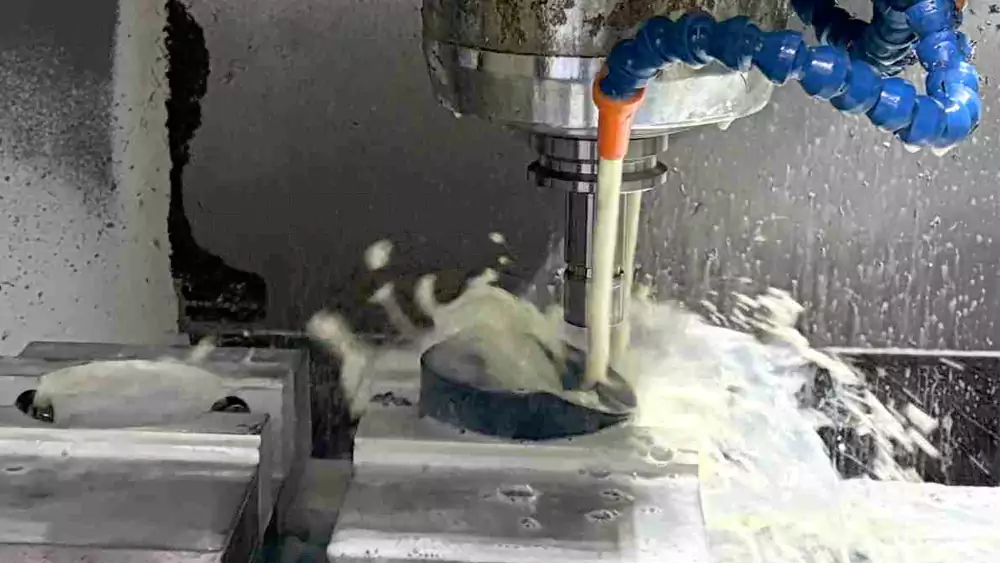
Heat buildup and edge melting
ABS softens at relatively low temperatures. High spindle speeds can cause heat buildup5. When heat increases, edges may melt slightly.
Operators reduce this risk by lowering cutting speed and increasing feed rates.
Burr formation and chip control
Some machining operations create small burrs on edges. This issue often appears in thin wall components.
Sharp tools and proper cutting paths usually solve the problem.
Design tips for CNC machined ABS parts
Engineers can improve results with simple design rules:
- Avoid extremely thin walls
- Add fillets to internal corners
- Allow proper tool access
These adjustments improve machining efficiency and part quality.
How Should Engineers Choose Machine Grade ABS for CNC Machining Projects?
Material selection always involves trade-offs. Engineers compare strength, machinability, and cost.
Machine grade ABS is ideal when engineers need good machinability, moderate strength, and cost-effective prototypes or functional plastic parts.
When machine grade ABS is the right material
Machine grade ABS works best for:
- Prototype housings
- Automation equipment covers
- Robotics brackets
- Consumer product prototypes
These applications benefit from fast machining and clean surface finish. In cases where similar plastics are evaluated, engineers sometimes compare ABS with materials like PVC. This detailed guide to CNC machining PVC plastic explains how another common engineering plastic behaves during machining.
Machine grade ABS vs Delrin (POM)
| Property | ABS | Delrin |
|---|---|---|
| Strength | Medium | High |
| Machinability | Excellent | Excellent |
| Cost | Lower | Higher |
Delrin offers higher strength. ABS offers lower cost and easier finishing.
Machine grade ABS vs Nylon or Polycarbonate
| Material | Key Advantage | Limitation |
|---|---|---|
| Nylon | High strength | Moisture absorption |
| Polycarbonate | High toughness | Harder machining |
| ABS | Easy machining | Moderate strength |
Many engineers select ABS when machining reliability matters more than extreme strength.
Typical applications of CNC machined ABS parts
In real projects, ABS often appears in:
- robotics housings
- automation system brackets
- medical device enclosures
- prototype product casings
Machine grade ABS is not the cheapest plastic and it is not the strongest. But for the price, nothing else machines as cleanly, finishes as well, and delivers as consistently.
Conclusion
Machine grade ABS offers balanced strength, excellent machinability, and reliable surface quality. These advantages make it one of the most practical plastics for CNC machined engineering components.
-
Explore this link to understand why impact resistance is crucial for protective components and how ABS excels in absorbing energy without cracking. ↩
-
Explore this link to understand how Electrical insulation protects electronics and why it's crucial for device safety and performance. ↩
-
Learn about Chemical resistance to see how ABS withstands various substances, ensuring longevity in different environments. ↩
-
Exploring vapor smoothing reveals how to achieve superior surface finishes on ABS parts, enhancing prototype aesthetics and functionality. ↩
-
Explore this link to learn practical techniques to manage heat buildup, ensuring better machining quality and preventing material damage. ↩
