Motorcycle fasteners fail more often than people expect. Rust, loose threads, and early fatigue usually start with the wrong surface finish, not the wrong material.
Motorcycle fastener surface finishing directly affects corrosion resistance, fatigue life, and thread reliability. Choosing the right coating is a balance between appearance, performance, cost, and real riding conditions.
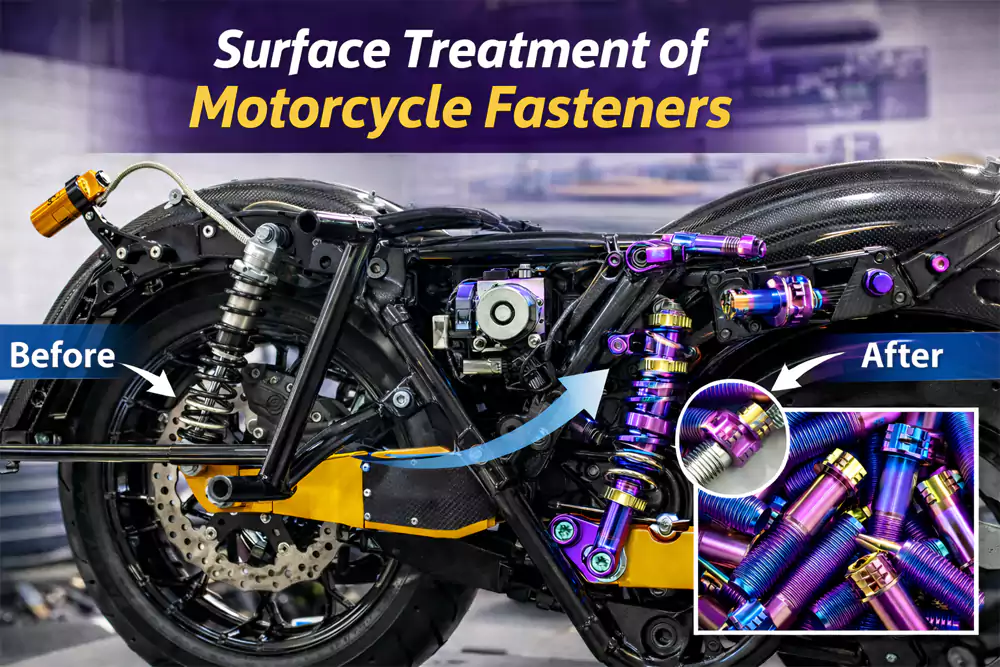
Motorcycles operate in water, salt, heat cycles, and constant vibration. I have seen many projects where the fastener design was correct, the material was correct, but the surface treatment was chosen too late or chosen only on price. That decision almost always shows up after parts are already in use. This is why surface finishing should be considered together with custom motorcycle fastener design, not treated as a final cosmetic step.
Why Surface Finishing Matters in Custom Motorcycle Fastener Projects?
Fasteners on motorcycles are small parts, but they carry large responsibilities. When surface finishing is ignored, problems appear slowly and then suddenly.
Surface finishing protects fasteners from corrosion, reduces friction during assembly, and improves fatigue life under vibration. It often matters more than the base material once the bike is in real service.
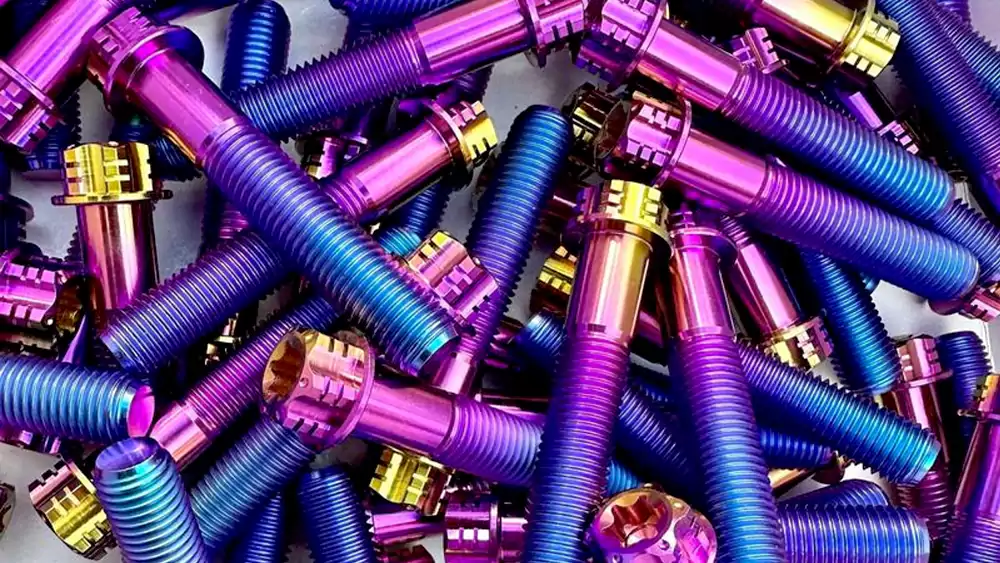
Corrosion, fatigue, and thread reliability in real riding conditions
Motorcycles and bicycles are exposed to rain, road salt, washing chemicals, and outdoor storage. Racing motorcycles also see high temperatures and rapid thermal cycling. These conditions attack the surface first. Once corrosion1 starts at the thread root or under the head, fatigue cracks2 follow. I have inspected failed fasteners where the core material was still strong, but the surface protection had already broken down.
Surface finish also changes friction. Friction directly affects tightening torque and preload. Poor control leads to over-tightening or under-tightening, both of which reduce joint reliability. This is closely linked to fastener strength grades, because even the correct strength class cannot compensate for unstable friction behavior.
Why surface finish is often underestimated during procurement
Many buyers focus first on material grade and strength. That is logical, especially when reviewing drawings or BOMs. However, surface treatment is often added late, during supplier sourcing or final quotation. At that stage, design flexibility is limited and costs increase quickly.
From my experience, surface finish decisions made early reduce rework, avoid assembly issues, and extend fastener life. This is true for street motorcycles, racing machines, and high-end bicycles.
Common Surface Finishing Options Used in Motorcycle Fasteners?
Motorcycle fasteners rely on a limited number of proven surface treatments. Each one solves a specific problem and introduces its own limitations.
The best surface finish depends on base material, exposure conditions, functional requirements, and cost targets. There is no universal solution.
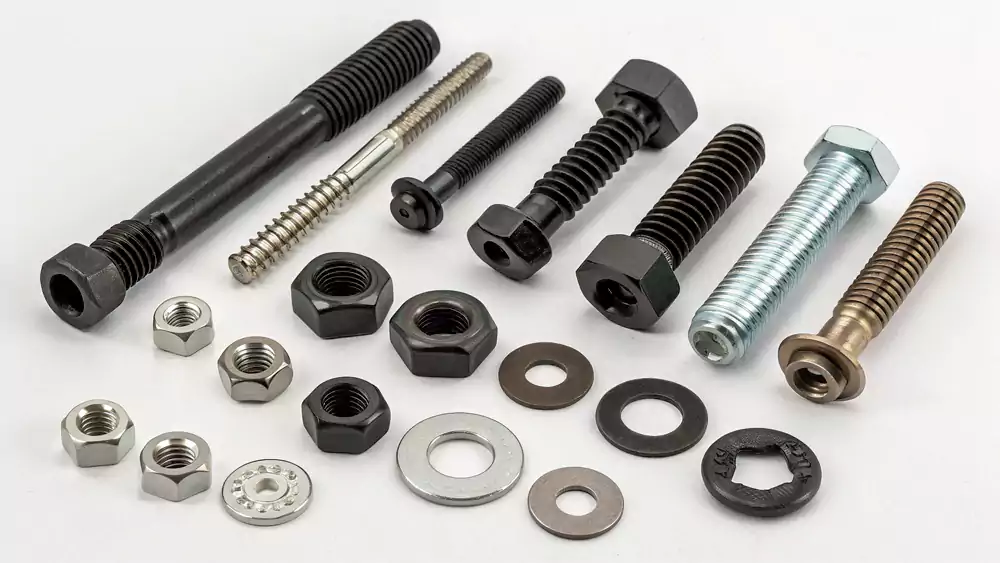
Black Oxide – low-cost protection for carbon steel fasteners
Black oxide is often selected for its clean appearance and low cost. It provides minimal corrosion resistance3 and relies on oil or wax after treatment. I usually recommend black oxide4 only for indoor, low-exposure components or racing parts that are frequently inspected and serviced.
Typical materials include carbon steel and alloy steel. It is not suitable for wet or salty environments without additional protection, regardless of the base fastener material.
Zinc Plating – general-purpose corrosion resistance
Zinc plating remains a common choice because it balances cost and protection. It offers sacrificial corrosion resistance and works well for many street motorcycle and bicycle applications. However, plating thickness must be controlled carefully, especially on threads.
Poor control can cause assembly issues and inconsistent torque results. This is why zinc plating should always be coordinated with the manufacturing process used to produce the fastener.
Dacromet / Zinc Flake Coating – high corrosion resistance for safety-critical parts
Zinc flake coatings provide high corrosion resistance without hydrogen embrittlement. This makes them suitable for high-strength steel fasteners used in suspension, braking, and engine mounting applications.
In European automotive and motorsport projects, this coating is often specified together with defined manufacturing routes, such as those outlined in common manufacturing processes for motorcycle fasteners.
Anodizing – surface hardening and coloring for aluminum fasteners
Anodizing is essential for aluminum fasteners. It improves surface hardness and allows color identification. Hard anodizing increases wear resistance but also adds measurable thickness.
Designers must account for this during the drawing stage, especially when lightweight aluminum fasteners are used in performance-oriented motorcycle or bicycle assemblies.
PVD coatings deliver high hardness, excellent wear resistance, and stable decorative finishes. They are commonly applied to stainless steel or titanium fasteners used in visible locations.
The cost is higher than plating, but the performance and appearance justify it in premium or custom motorcycle projects.
Passivation – corrosion resistance improvement for stainless steel
Passivation removes surface contaminants and enhances the natural corrosion resistance of stainless steel. It does not change dimensions or appearance. For outdoor applications and EU markets, passivation is often a baseline requirement rather than an upgrade.
How to Select the Right Surface Finish Based on Application, Material, and Cost?
Choosing a surface finish is not about selecting the most advanced technology. It is about selecting the right compromise.
The correct surface finish aligns environment, base material, functional demands, and budget into one stable solution.
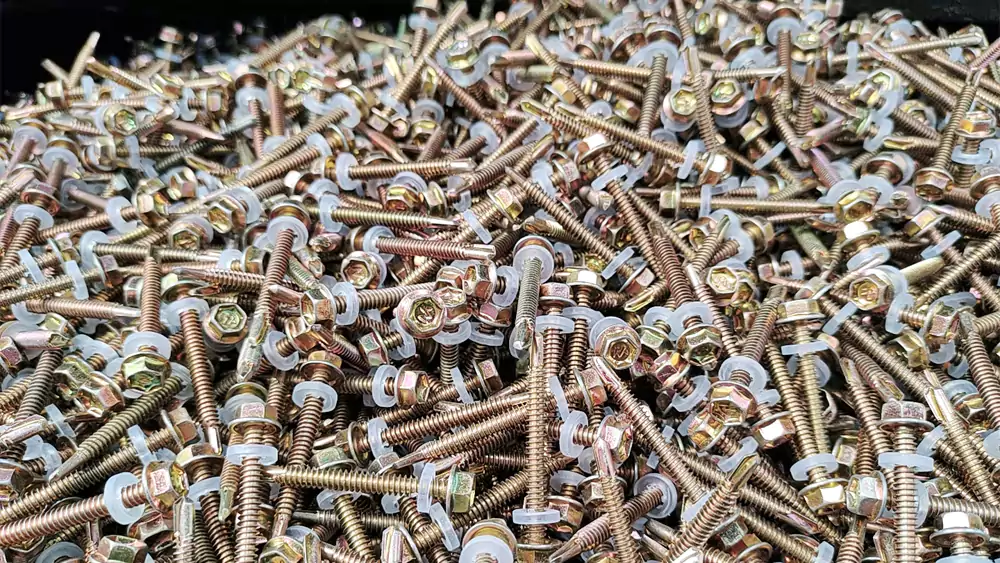
Application environment and performance priorities
Street motorcycles require long-term corrosion protection. Racing motorcycles prioritize fatigue resistance and heat stability. Bicycles often focus on weight and appearance. Each application pushes the decision in a different direction and must be evaluated together with the manufacturing method.
In many projects, surface finish selection is closely linked to why CNC machining is chosen for custom motorcycle fasteners, especially when tight tolerances and small batches are involved.
Material compatibility and cost reality
Carbon steel demands strong corrosion protection. Stainless steel benefits from passivation or PVD. Aluminum requires anodizing. Higher performance usually means higher cost and longer lead time. These trade-offs should be discussed before finalizing the quotation.
Case study: Selecting a coating for a custom brake caliper bolt
In one project, we produced custom brake caliper bolts for a European racing team.
| Parameter | Value |
|---|---|
| Base material | Alloy steel 42CrMo |
| Fastener size | M10 × 1.25 |
| Required strength | 10.9 |
| Environment | High heat, road spray |
| Target salt spray | ≥ 720 hours |
| Batch size | 300 pcs |
Black oxide failed corrosion testing. Zinc plating introduced hydrogen embrittlement risk. Zinc flake coating met corrosion and fatigue requirements while maintaining stable torque behavior throughout the race season.
Surface Finishing Considerations When Working with a Custom Fastener Manufacturer?
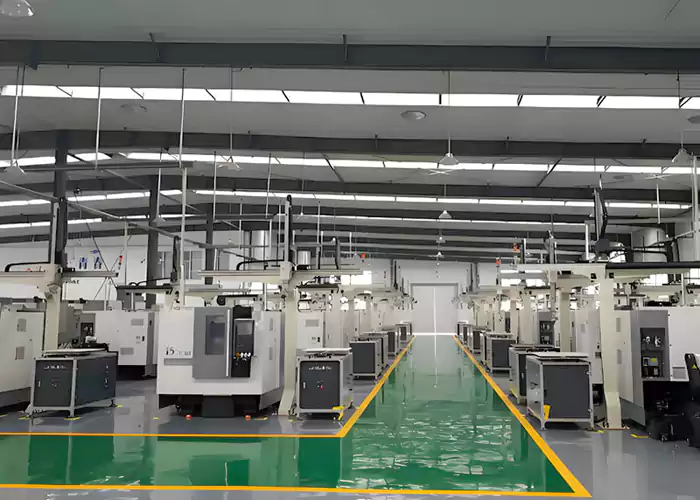
Surface finishing cannot be separated from machining when tolerances are tight and volumes are low.
Experienced manufacturers treat surface finishing as part of the overall custom fastener manufacturing system, not as an afterthought.
Thread tolerances change after coating. Small batches increase variation. Clear specifications reduce risk. When buyers share application details early, manufacturers can recommend finishes that reduce cost and improve reliability. This approach is also reflected in broader custom motorcycle fasteners manufacturing resources that help buyers align design, machining, and finishing from the start.
In my experience, the most successful projects begin with open discussion, not just drawings and prices.
Conclusion
Surface finishing defines how motorcycle fasteners survive real-world use. Early, informed decisions reduce failures, control cost, and improve long-term reliability.
-
Understanding corrosion's impact on fasteners can help in selecting better materials and maintenance practices. ↩
-
Exploring fatigue cracks can provide insights into preventing failures and enhancing safety in riding. ↩
-
Learn about corrosion resistance and its impact on metal longevity, crucial for making informed material choices. ↩
-
Explore this link to understand the advantages of black oxide, including its aesthetic appeal and cost-effectiveness. ↩
