Last updated on April 14, 2026, by Lucy
I often see marine parts fail too early. Saltwater destroys weak designs fast. Many engineers underestimate corrosion and machining limits.
Marine hardware machining requires corrosion-resistant materials, precise CNC processes, and controlled surface finishing to ensure long-term durability in saltwater environments. The right supplier and process directly determine part lifespan, reliability, and performance under continuous marine exposure.

Marine environments are harsh. I have seen strong designs fail due to poor execution. Many issues start at the machining stage, not the design stage. So it is critical to understand how marine hardware is defined and used before making technical decisions.
What Is Marine Hardware & Where Is It Used?
I often notice confusion about what counts as marine hardware. This leads to wrong material and process choices early in design.
Marine hardware refers to structural, fastening, and functional components used in ships, offshore systems, and yachts, all engineered to withstand continuous saltwater exposure and harsh environmental conditions.
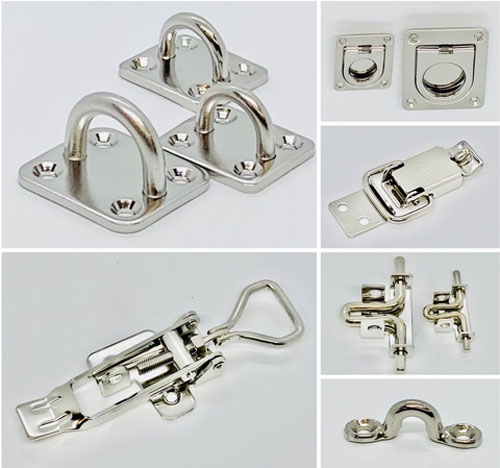
Marine applications are not forgiving. Small mistakes grow fast in saltwater. To avoid failure, I always start by clearly defining the type of hardware and its application environment.
Types of Marine Hardware
I usually group marine hardware into three main categories:
| Category | Examples | Key Requirements |
|---|---|---|
| Structural | Brackets, supports, frames | Strength, fatigue resistance |
| Fasteners | Bolts, nuts, studs | Corrosion resistance1, durability |
| Functional | Shafts, connectors, hinges | Precision, wear resistance |
Application Industries
I see these industries most often:
- Shipbuilding
- Offshore oil & gas platforms2
- Yachts and leisure boats
Each industry has different standards. Offshore projects demand the highest durability and longest service life.
What Are Common Marine Parts & Their Machining Challenges?
Many engineers focus only on geometry. That is not enough. Marine parts fail because of environment, not shape.
Common marine hardware parts include brackets, shafts, fasteners, and connectors, and their main machining challenges involve corrosion resistance, tight tolerances, and high-quality surface finishes to prevent premature failure.
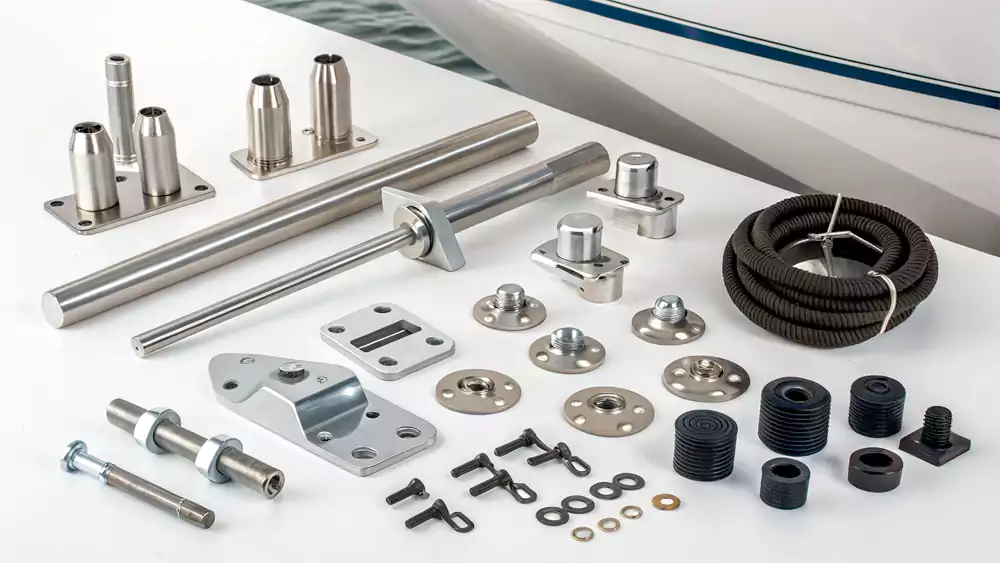
When I review failed parts, I often find the same issues. The design looks correct, but the machining or finishing was not done properly. This is where most problems begin.
Typical Parts and Requirements
| Part Type | Key Machining Needs |
|---|---|
| Brackets | Load strength, clean edges |
| Shafts | Tight tolerance, smooth surface |
| Fasteners | Thread accuracy, corrosion control |
| Connectors | Fit precision, sealing performance |
Main Challenges I Often See
1. Corrosion Resistance
Saltwater attacks all materials. Even high-grade stainless steel can fail if machining introduces surface defects.
2. High Precision
Small tolerance errors lead to misalignment. This causes wear, vibration, or failure in assemblies.
3. Surface Quality
Rough surfaces trap salt and moisture. This accelerates corrosion and reduces service life.
Which CNC Processes Work Best for Marine Hardware?
Choosing the wrong process is one of the most expensive mistakes. I have seen projects fail because casting was used where CNC precision was required.
CNC milling and turning provide the highest precision for marine hardware, while casting and forging are used for rough shaping and must be followed by precision machining and proper surface treatment.

The process choice affects not only accuracy but also long-term durability. I always match the process to both geometry and environment requirements.
Process Comparison
| Process | Use Case | Pros | Cons |
|---|---|---|---|
| CNC Milling | Complex geometries | High precision | Higher cost |
| CNC Turning | Shafts, cylindrical parts | Excellent concentricity | Limited shapes |
| Casting3 | Large rough parts | Cost-effective in bulk | Poor surface quality |
| Forging + CNC | High-strength parts | Better mechanical properties | Extra processing steps |
Surface Treatments That Matter
I always emphasize surface treatment because it directly impacts corrosion resistance:
- Anodizing (for aluminum)
- Polishing (reduces corrosion initiation points)
- Protective coatings
Poor finishing can destroy the benefits of good machining.
How to Choose Materials for Marine Hardware?
Material selection is not about cost first. It is about survival time in saltwater.
Marine hardware materials must resist long-term saltwater corrosion, with common choices including 316 stainless steel, duplex stainless steel, marine-grade aluminum, bronze, and titanium for extreme conditions.
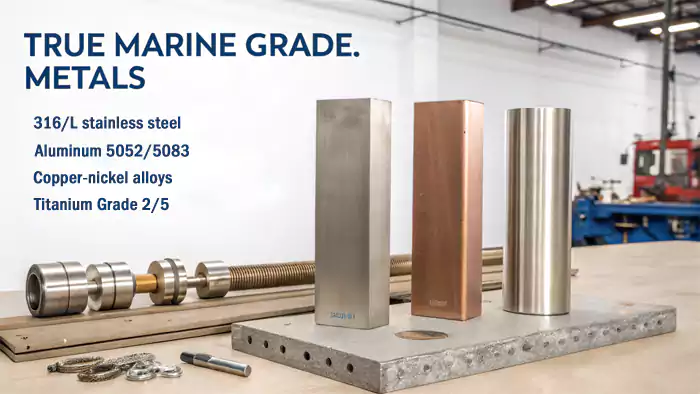
I always tell clients this: corrosion resistance is not a bonus. It is the starting point. If the material fails, nothing else matters. In many projects, understanding what defines marine grade metals for saltwater environments becomes the first step before any machining decision is made.
Material Comparison
| Material | Corrosion Resistance | Strength | Cost Level | Typical Use |
|---|---|---|---|---|
| 316 Stainless | High | Medium | Medium | General marine hardware |
| Duplex Stainless | Very High | High | High | Offshore structures |
| Aluminum (Marine) | Medium | Medium | Low | Lightweight parts |
| Bronze / Brass | High | Medium | Medium | Bearings, connectors |
| Titanium | Excellent | High | Very High | Critical components |
Real Case Study from My Experience
I worked on a shaft project for a coastal automation system. The client had repeated failures before contacting us.
| Parameter | Value |
|---|---|
| Material | Duplex Stainless Steel4 |
| Diameter Tolerance | ±0.01 mm |
| Surface Roughness | Ra 0.8 µm |
| Environment | Continuous salt spray |
| Required Lifespan | 8+ years |
| Process | CNC turning + polishing |
The original material was 304 stainless steel. It failed in less than 18 months. After switching to duplex steel and improving surface finish, the component has been running for over 6 years without failure. In similar cases, I often evaluate which metals are truly suitable by comparing which metals are considered marine grade for corrosion resistance based on real exposure conditions.
This is why I focus on salt spray resistance5, not just cost or strength.
How to Ensure Quality & Choose the Right Supplier?
I have seen good designs fail because of poor suppliers. Quality control is not optional in marine projects.
A reliable marine machining supplier must deliver consistent tolerances, controlled surface finishes, proper certifications, and proven experience with corrosion-critical components.
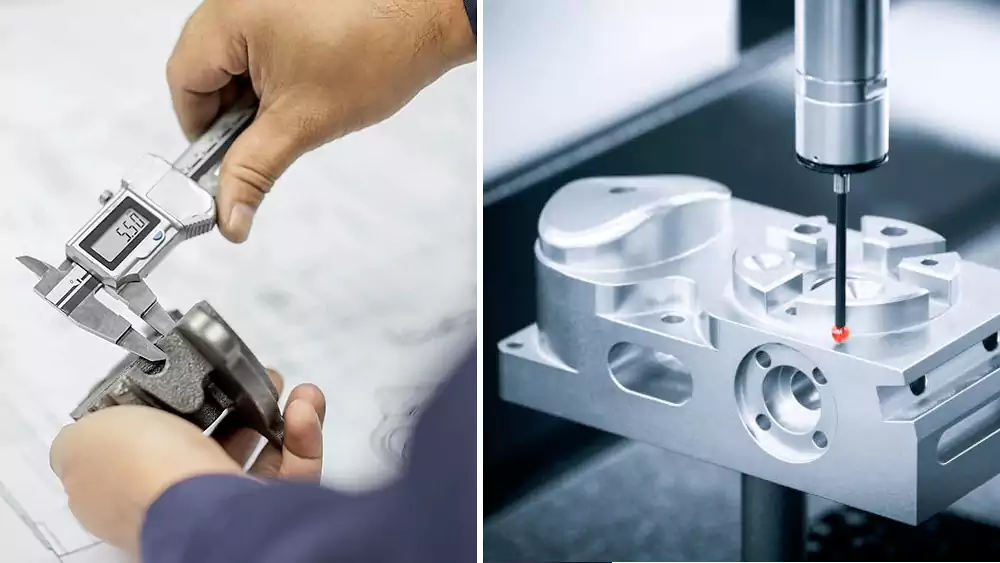
Choosing a supplier is not just about price or speed. It is about long-term reliability. I always evaluate suppliers based on real performance, not promises.
Key Quality Factors
1. Tolerance Control
Precision parts require strict inspection methods:
- CMM inspection
- Precision gauges
2. Surface Quality
Surface finish directly affects corrosion behavior and lifespan.
3. Certifications
Common requirements include:
How I Evaluate Suppliers
| Factor | What I Look For |
|---|---|
| Equipment | 3-axis and 5-axis CNC machines |
| Experience | Marine or corrosion-critical parts |
| Lead Time | Stable and predictable |
| Communication | Strong technical understanding |
I always start with a small batch order. This helps validate capability before scaling production.
What Are the Future Trends in Marine Hardware Manufacturing?
The industry is changing. I see more demand for performance, consistency, and automation.
Marine hardware manufacturing is moving toward lightweight materials, advanced corrosion-resistant coatings, and automated CNC systems to improve durability, efficiency, and production consistency.
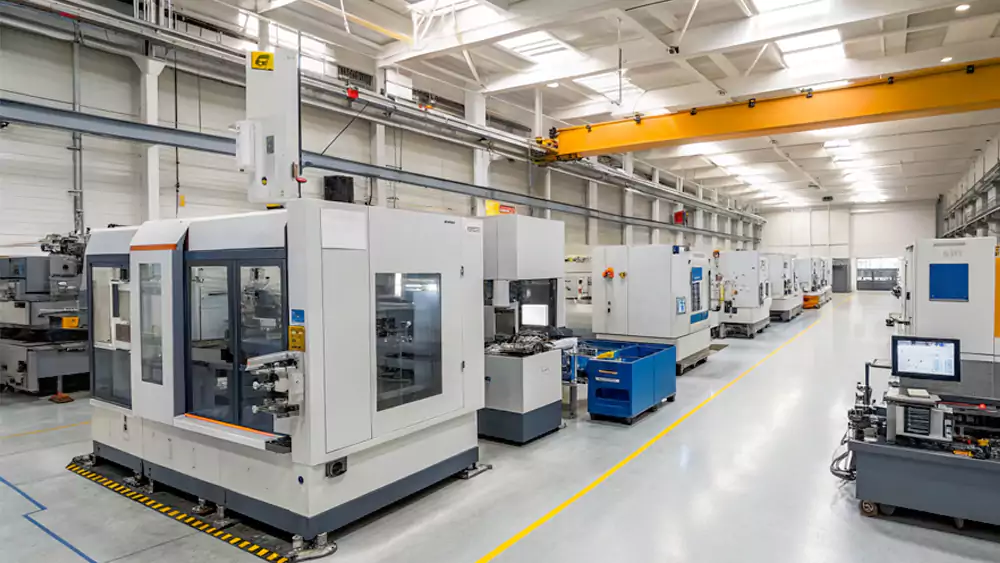
These trends are not optional. They are becoming standard in high-performance marine projects.
Key Trends
Lightweight Design
More aluminum alloys and hybrid materials are used to reduce system weight.
Advanced Coatings
New coating technologies extend corrosion resistance beyond traditional methods.
Smart Manufacturing
- CNC automation
- Digital inspection systems
- Data-driven quality control
These changes improve consistency and reduce human error.
Conclusion
Marine hardware success depends on using the right materials, selecting proper CNC processes, and working with experienced suppliers who understand saltwater environments. Long-term corrosion resistance, stable machining quality, and consistent execution together define whether a part lasts for years or fails early.

-
Explore this link to understand how to select materials that withstand harsh saltwater environments, ensuring longevity and reliability. ↩
-
Learn about the stringent standards and durability requirements for hardware used in offshore oil and gas platforms to ensure safety and performance. ↩
-
Explore this link to understand casting's cost-effectiveness and limitations, helping you decide if it's suitable for your bulk production needs. ↩
-
Learn how Duplex Stainless Steel offers superior corrosion resistance and strength for offshore and coastal projects. ↩
-
Discover the impact of salt spray resistance on material longevity and performance in marine environments. ↩
-
Learn why ISO 9001 certification is crucial for supplier reliability and quality management systems. ↩
