Editor's Note: Last updated on May 27, 2026, by Lucy
Manufacturers lose money when cast parts contain shrinkage, porosity, or unstable material structure. I have seen many production delays caused by inconsistent raw material quality during machining.
The continuous casting process is a manufacturing method where molten metal solidifies into a continuous shape instead of separate molds. It creates denser, cleaner, and more consistent material with lower scrap rates, better machinability, and improved production efficiency for industrial applications.

When I first worked with continuous cast bronze and steel bars, I noticed the machining stability immediately. Tool wear dropped. Surface finish improved. Scrap rates became easier to control. That is why many engineers now prefer continuous cast stock for precision manufacturing and CNC machining services.
How Does the Continuous Casting Process Work?
Many engineers understand casting in general. Still, they often do not fully understand why continuous casting creates more stable material than traditional ingot casting.
The continuous casting process works by pouring molten metal into a water-cooled mold while the solidified strand continuously exits the system. Controlled cooling creates dense internal structure, stable grain flow, and consistent mechanical properties for industrial production.
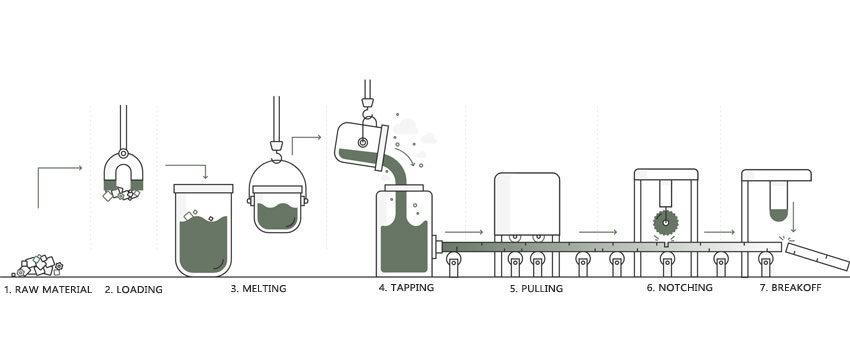
The process starts with molten metal entering a tundish. The tundish controls metal flow into the mold. The mold itself is water-cooled. As the metal touches the mold walls, a solid shell forms around the outside.
The strand then moves downward with rollers while internal cooling continues. Secondary cooling sprays help control solidification speed. Once fully solidified, the material is cut into billets, blooms, slabs, or bars.
I often explain continuous casting to customers as a “steady-state” manufacturing process. Traditional casting starts and stops for every mold. Continuous casting keeps the process stable for long production runs. That stability improves material consistency.
Main Stages of Continuous Casting
| Stage | Purpose | Key Benefit |
|---|---|---|
| Melting | Heat raw metal | Material preparation |
| Tundish Control | Stabilize metal flow | Fewer defects |
| Water-Cooled Mold | Initial solidification | Dense outer shell |
| Secondary Cooling | Controlled cooling | Uniform grain structure |
| Cutting | Final sizing | Production efficiency |
One project I supported involved continuously cast bronze bushings for hydraulic equipment. The original sand cast material caused internal voids during machining. After switching to continuous cast bronze, scrap rates dropped from 11% to below 2%. Tool life improved by nearly 20%.
What Types of Continuous Casting Processes Are Used?
Different industries require different continuous casting methods. The wrong process can increase costs or reduce material performance.
The main types of continuous casting processes include vertical casting, horizontal casting, curved mold casting, and strip casting. Each process is designed for different materials, product shapes, cooling requirements, and production volumes.
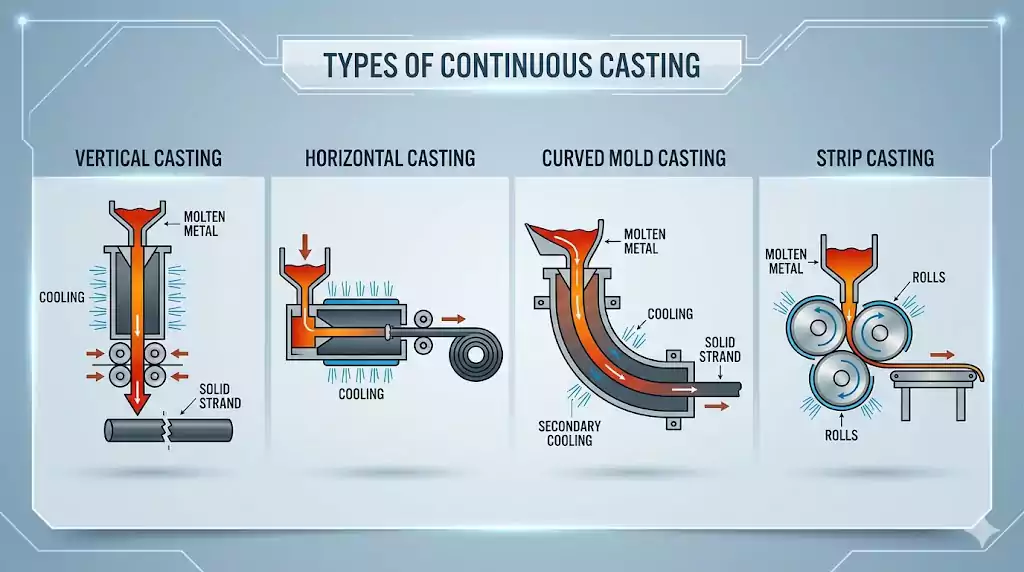
Vertical continuous casting1 is common for specialty alloys and high-quality round bars. The straight design helps maintain stable solidification. It also reduces internal segregation.
Horizontal continuous casting2 is widely used for copper alloys, bronze bars, and smaller profile shapes. Many machine shops prefer horizontally cast bars because they provide excellent machinability.
Curved mold casting is heavily used in steel production. The strand bends gradually as it cools. This design allows high production speed and large output volumes.
Strip casting produces thin metal strips directly from molten metal. This reduces rolling requirements and shortens production cycles.
Comparison of Common Continuous Casting Methods
| Process Type | Common Materials | Main Use | Advantage |
|---|---|---|---|
| Vertical Casting | Steel, bronze | Precision bars | Better structure |
| Horizontal Casting | Copper alloys | Rods and tubes | Good machinability |
| Curved Mold Casting | Carbon steel | Large-scale steel production | High output |
| Strip Casting | Aluminum, steel | Thin sheets | Lower processing cost |
In my experience, horizontal continuous casting works especially well for CNC-machined bronze bushings and bearing materials. The material cuts more consistently than centrifugal cast alternatives.
What Are the Advantages and Limitations of Continuous Casting?
Some buyers focus only on raw material price. They often miss the total manufacturing cost difference caused by material quality.
Continuous casting produces cleaner and denser metal with lower porosity, better dimensional consistency, improved machining stability, and reduced scrap. The process also supports faster production, although equipment investment and setup costs are higher than traditional casting methods.
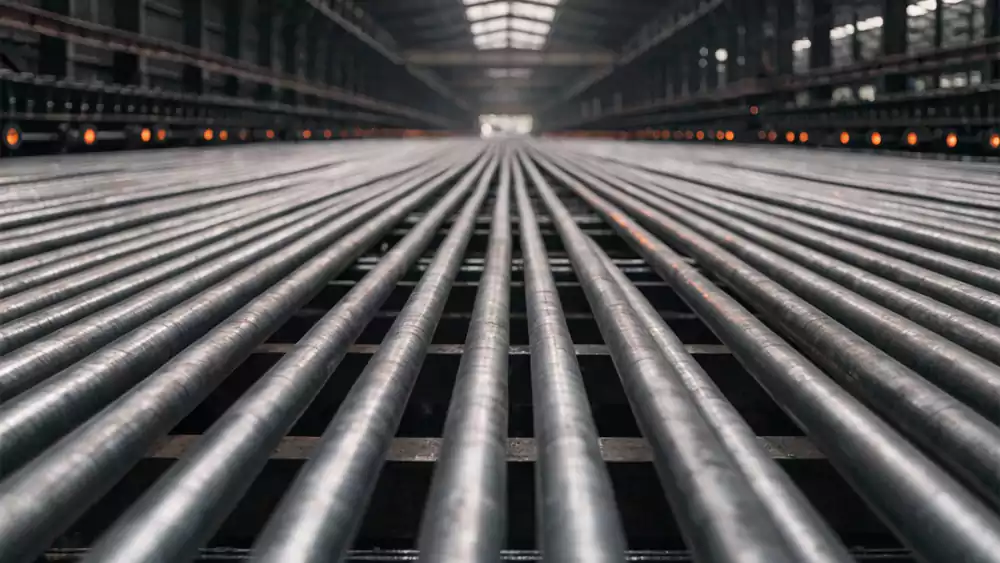
One thing I learned after years in manufacturing is that cheaper raw material does not always reduce total cost. Continuous cast material usually costs more per pound. Still, machining shops often save money later through reduced tool wear and lower rejection rates.
Continuous casting also improves internal grain structure3. That matters when engineers need stable mechanical properties or tight machining tolerances.
Another major advantage is production efficiency. Since the process runs continuously, manufacturers reduce downtime between pours.
Still, continuous casting is not perfect for every situation. Initial equipment costs are high. Complex part geometries still require secondary machining or forming. Small custom orders may not justify continuous production setups.
In many industrial projects, manufacturers also combine continuous casting with proper casting finishing and post treatment processes to improve corrosion resistance, surface quality, and dimensional stability.
Continuous Casting Pros and Cons
| Advantages | Limitations |
|---|---|
| Cleaner internal structure | High equipment cost |
| Better density | Less flexible for small batches |
| Lower machining scrap | Limited near-net shapes |
| Faster production | Setup complexity |
| Improved consistency | Requires process control expertise |
Real Manufacturing Case Study
I worked with a customer producing precision bronze wear plates for automated packaging equipment. They originally used sand cast stock material.
| Parameter | Sand Cast Bronze | Continuous Cast Bronze |
|---|---|---|
| Material Grade | C93200 | C93200 |
| Scrap Rate | 12.4% | 1.8% |
| Average Tool Life | 210 parts | 265 parts |
| Surface Finish Ra | 3.1 μm | 1.7 μm |
| CNC Cycle Time | 14.5 min | 12.8 min |
| Monthly Volume | 4,500 pcs | 4,500 pcs |
The continuous cast material cost about 8% more per pound. Still, the total production cost dropped because machining became more stable.
Continuous Casting vs Traditional Casting: What Is the Difference?
Many engineers compare casting methods only by production cost. That approach often ignores long-term machining performance and quality stability.
Continuous casting produces metal through a controlled continuous flow, while traditional casting uses separate molds for each pour. Continuous casting creates more uniform material structure, lower porosity, higher density, and better production efficiency.
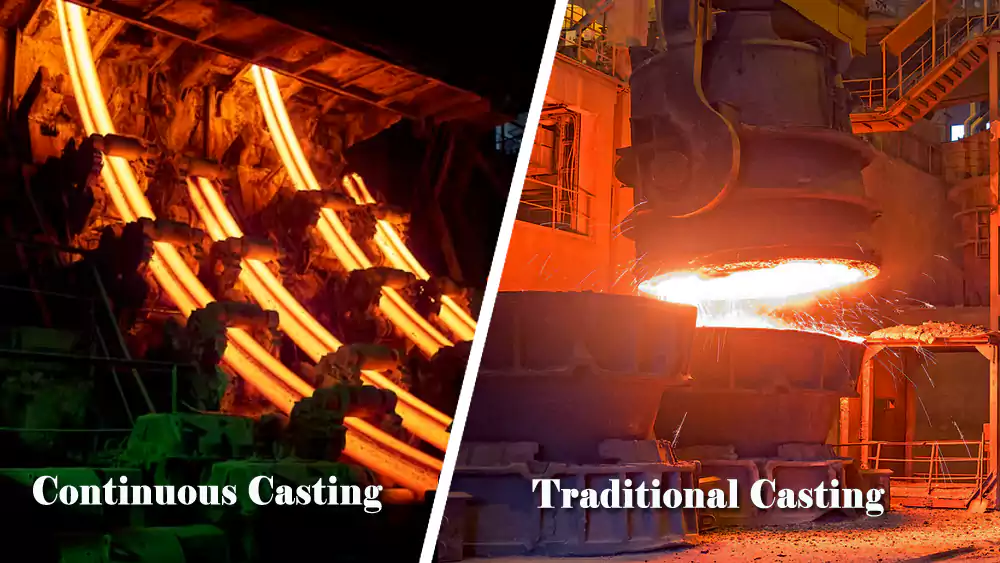
Traditional casting methods like sand casting and investment casting create individual components or ingots. Cooling conditions vary from mold to mold. That variation can create inconsistent grain structures and internal defects.
Continuous casting creates a much more controlled solidification environment. Heat extraction remains stable throughout production. The result is denser material with fewer voids.
Still, traditional casting remains useful for complex geometries and low-volume parts. Investment casting can create near-net-shape components4 that would be difficult with continuous cast stock.
Comparison Between Continuous and Traditional Casting
| Feature | Continuous Casting | Traditional Casting |
|---|---|---|
| Production Style | Continuous flow | Individual molds |
| Internal Density | Higher | Moderate |
| Material Consistency | Better | Variable |
| Best For | Bars, billets, slabs | Complex shapes |
| Production Speed | High | Lower |
| Scrap Rate | Lower | Higher |
In CNC machining projects, I usually recommend continuous cast stock when customers need dimensional stability, long production runs, and reliable machining behavior.
Where Is Continuous Casting Commonly Used?
Many people think continuous casting only belongs to the steel industry. In reality, it supports many precision manufacturing sectors.
Continuous casting is commonly used in steel mills, copper alloy production, aluminum manufacturing, automotive components, industrial machinery, hydraulic systems, and precision-machined parts that require stable material properties and consistent quality.
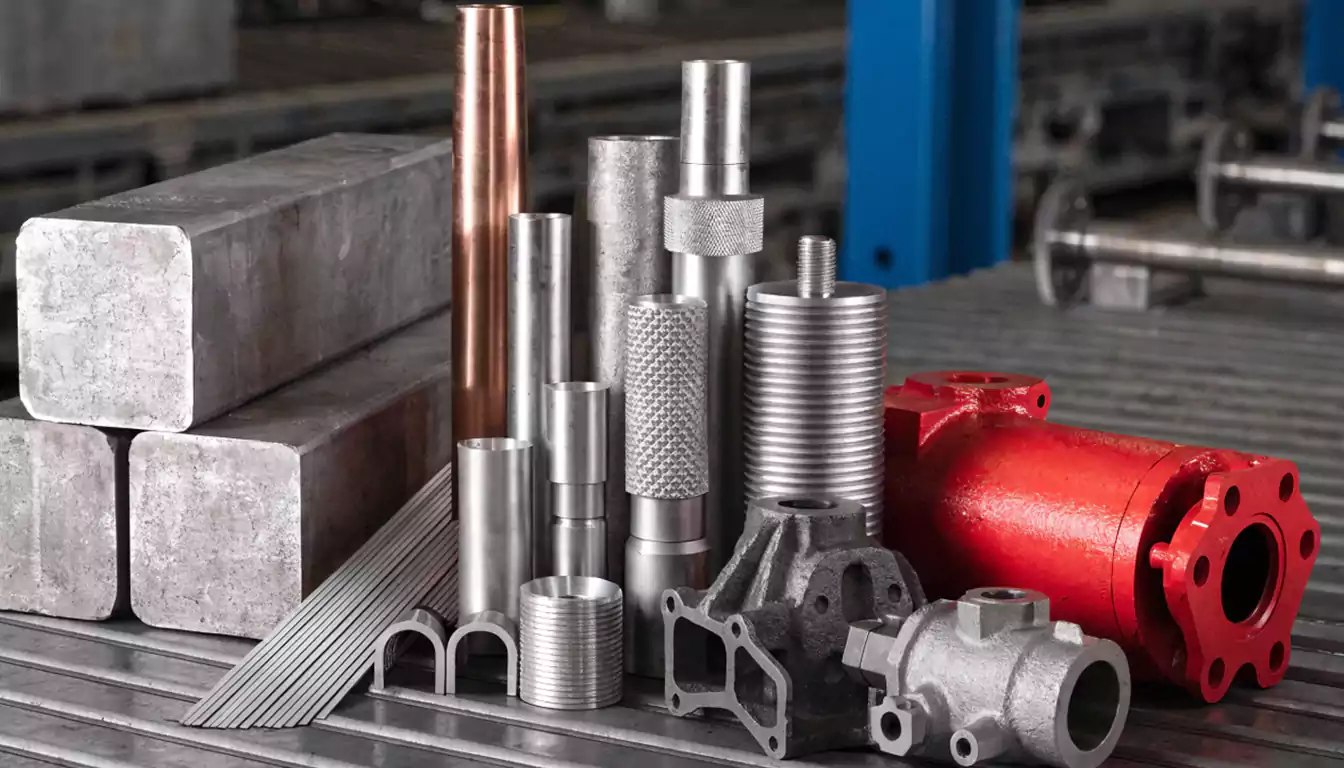
Steel mills use continuous casting for billets, blooms, and slabs that later become structural steel, pipes, and sheet metal products.
Copper and bronze continuous cast bars are very common in CNC machining. I regularly see them used for bushings, bearings, wear plates, and hydraulic parts.
Aluminum continuous casting supports industries that need lightweight materials with stable structure. Aerospace and automotive suppliers often rely on continuously cast aluminum feedstock.
Common Continuous Casting Applications
| Industry | Typical Products |
|---|---|
| Steel Manufacturing | Billets, slabs, blooms |
| CNC Machining | Bronze bars, bushings |
| Automotive | Transmission parts |
| Industrial Equipment | Bearings and wear plates |
| Aerospace | Aluminum feedstock |
| Energy Sector | Copper conductive parts |
One reason engineers like continuous cast materials is predictability. Stable material behavior helps maintain consistent machining results during large production runs.
How Is Quality Controlled in Continuous Casting?
Even advanced casting equipment can produce defects if cooling and flow control are unstable.
Quality control in continuous casting relies on temperature monitoring, cooling control, mold vibration adjustment, chemical composition testing, and ultrasonic inspection to reduce cracks, segregation, porosity, and internal material defects.
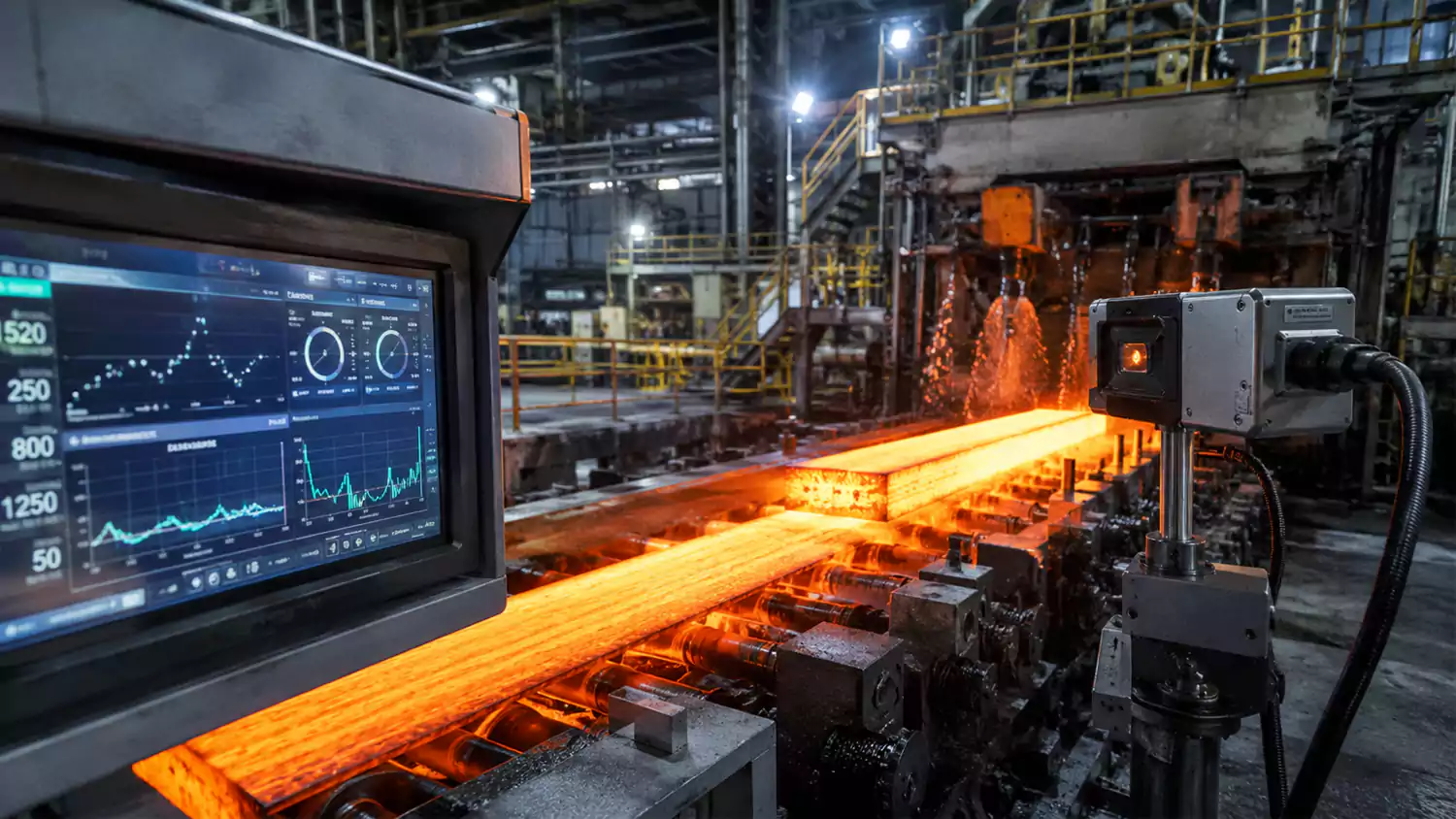
Temperature control is critical. If cooling happens too quickly, cracks may form. If cooling is too slow, internal segregation increases.
Modern continuous casting systems use sensors to monitor mold temperature, strand alignment, and cooling water flow in real time.
Ultrasonic testing is also common for detecting internal defects before machining begins. I have seen this reduce costly downstream failures in high-precision industrial projects.
Key Quality Control Factors
| Quality Factor | Purpose |
|---|---|
| Temperature Monitoring | Stable solidification |
| Mold Oscillation Control | Prevent sticking |
| Cooling Water Control | Reduce cracking |
| Chemical Analysis | Material consistency |
| Ultrasonic Inspection | Detect internal defects |
For machining suppliers, material consistency matters more than many buyers realize. A stable material structure makes quoting easier, improves cycle time predictability, and reduces production risk.
Conclusion
Continuous casting has become one of the most reliable ways to produce dense, consistent, and machining-friendly metal stock for modern manufacturing. While the material may cost slightly more upfront, the long-term gains in quality, tool life, production stability, and reduced scrap often make it the smarter choice for serious industrial applications.
Footnote on evidence:
-
"Vertical continuous compound casting of copper aluminum bilayer ...", https://www.sciencedirect.com/science/article/abs/pii/S0924013620302685. A metallurgical handbook or academic source on continuous casting should document horizontal continuous casting as a process commonly applied to non-ferrous alloys, especially copper alloys and bronze products such as bars, rods, tubes, or profiles. Evidence role: general_support; source type: education. Supports: Horizontal continuous casting is widely used for copper alloys, bronze bars, and smaller profile shapes.. Scope note: The source may support typical applications and materials rather than quantify how widely the process is used across all foundries. ↩
-
"Horizontal continuous casting of copper-based alloys | Request PDF", https://www.researchgate.net/publication/233558521_Horizontal_continuous_casting_of_copper-based_alloys. Metallurgical references describe horizontal continuous casting as a standard method for producing copper and copper-alloy rods, bars, tubes, and profile sections, supporting the statement that it is widely used for bronze bars and smaller shapes. Evidence role: general_support; source type: paper. Supports: Horizontal continuous casting is widely used for copper alloys, bronze bars, and smaller profile shapes.. Scope note: The source may establish common industrial use without quantifying the market share implied by “widely used.” ↩
-
"Solidification Structures and Continuous Casting of Steel Revisited", https://link.springer.com/article/10.1007/BF03339109. A metallurgy textbook, university resource, or peer-reviewed article should be cited to explain how controlled solidification in continuous casting affects grain structure and segregation; this supports the metallurgical basis of the statement, though the degree of improvement depends on alloy chemistry and casting parameters. Evidence role: mechanism; source type: education. Supports: Continuous casting can improve or make more uniform the internal grain structure of cast material.. Scope note: The source would support the general metallurgical mechanism, not necessarily every continuous-cast product. ↩
-
"Near Net Shape in Investment Casting", https://alliedcasting.com/what-is-near-net-shape-manufacturing/. Engineering references commonly describe investment casting as a near-net-shape process capable of producing complex geometries with relatively fine detail and reduced machining allowance. Evidence role: definition; source type: education. Supports: Investment casting can create near-net-shape components that are difficult to obtain from continuous cast stock.. Scope note: This supports the general capability of investment casting, not the suitability of any specific part design or alloy. ↩
