Last updated on April 16, 2026, by Lucy
Casting parts often look complete after shakeout. Many engineers assume they are ready. This leads to poor fit, weak performance, and costly rework later.
Finishing post-treatment is the essential step that transforms raw castings into fully functional parts by improving surface finish, accuracy, and mechanical performance through processes like cleaning, machining, heat treatment, and coating.

I have seen many projects fail not because of casting defects, but because finishing was ignored. A raw casting is only a starting point. The real quality comes later, and that is where smart engineers make the difference.
What is Finishing Post-Treatment for Castings?
Many people think casting ends at solidification. That is not true. Without finishing, parts cannot meet real engineering requirements.
Finishing post-treatment includes all secondary operations after casting, such as cleaning, grinding, heat treatment, and CNC machining, used to achieve final dimensions, improve surface quality, and ensure the part meets functional and performance requirements.
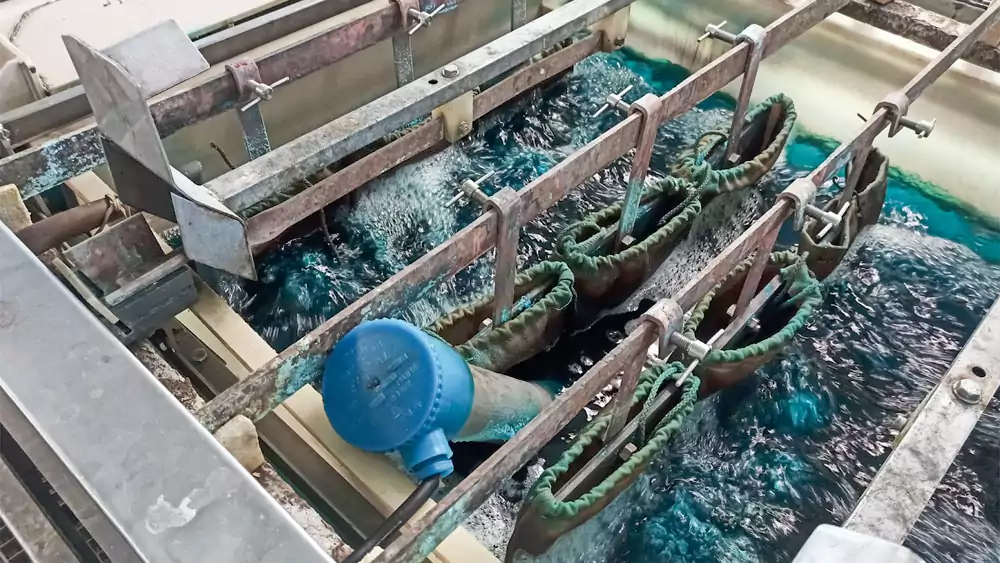
Now that the definition is clear, the next question becomes more practical. Why should engineers and buyers care so much about this step, and what real impact does it have on part performance?
Breaking Down the Process Stages
I usually divide finishing into three key stages:
| Stage | Process Type | Purpose |
|---|---|---|
| Initial Cleaning | Shot blasting, sand removal | Remove scale and residue |
| Surface Refinement | Grinding, polishing | Improve surface finish |
| Precision Finishing | CNC machining, coating | Achieve tolerances and function |
Each stage builds on the previous one. Skipping one step often creates problems later.
Why Raw Castings Are Not Enough
A casting straight from the mold has:
- Rough surfaces
- Dimensional deviations1
- Internal stresses
These issues make the part unusable in most real applications. I always treat castings as semi-finished blanks.
Why Finishing Post-Treatment Matters for Casting Quality and Performance?
Many buyers focus on casting price. Few consider finishing cost. That is a mistake.
Finishing post-treatment improves casting quality by enhancing dimensional accuracy, surface integrity, strength, and durability, which directly affects assembly performance, product lifespan, and overall manufacturing efficiency.
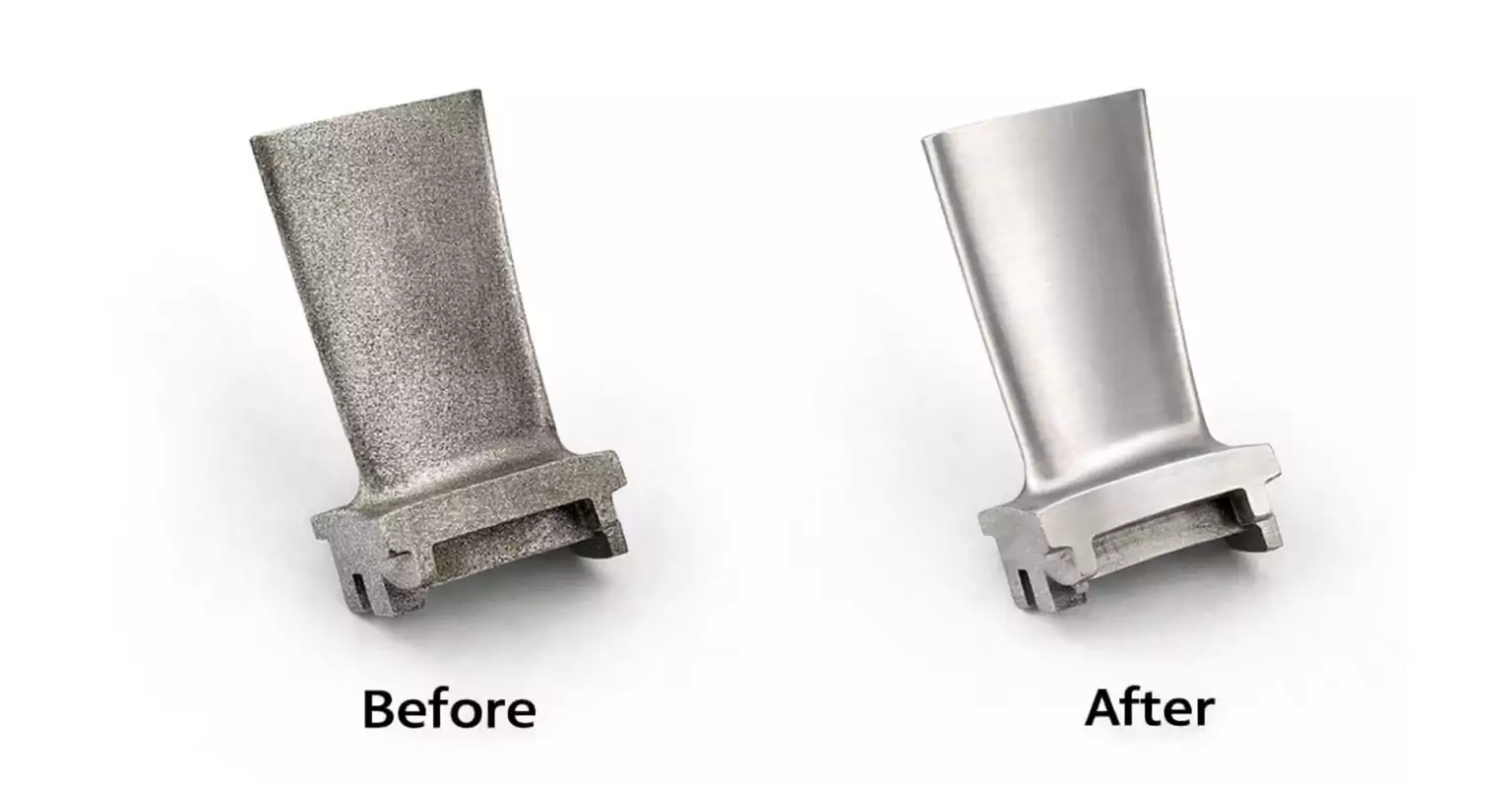
When we understand its importance, it becomes easier to justify the cost and effort. The next step is to look at how finishing actually improves real-world performance.
Key Performance Improvements
From my experience, finishing affects:
- Tolerance control: CNC machining ensures tight fits
- Fatigue strength: Surface defects are removed
- Corrosion resistance: Coatings protect materials
- Assembly efficiency: Better fit reduces rework
Real Case Study from My Shop
I once handled a batch of ductile iron housings for an automation client.
| Parameter | Before Finishing | After Finishing |
|---|---|---|
| Surface Roughness (Ra) | 12.5 μm | 1.6 μm |
| Dimensional Tolerance | ±0.5 mm | ±0.02 mm |
| Defect Rate | 8% | <1% |
| Assembly Time | 15 min/unit | 6 min/unit |
We used shot blasting, CNC milling, and precision grinding. The improvement was immediate. The client reduced assembly time by more than half.
The Hidden Cost of Skipping Finishing
When finishing is ignored, I often see:
- High rejection rates
- Assembly failures
- Increased warranty claims
These costs are always higher than proper finishing.
Common Finishing Methods for Castings (Processes & Use Cases)?
There are many finishing methods. Choosing the right one depends on the part and application.
Common casting finishing methods include shot blasting, grinding, polishing, heat treatment, CNC machining, and coating, each used to clean surfaces, refine geometry, enhance strength, or achieve precise tolerances.
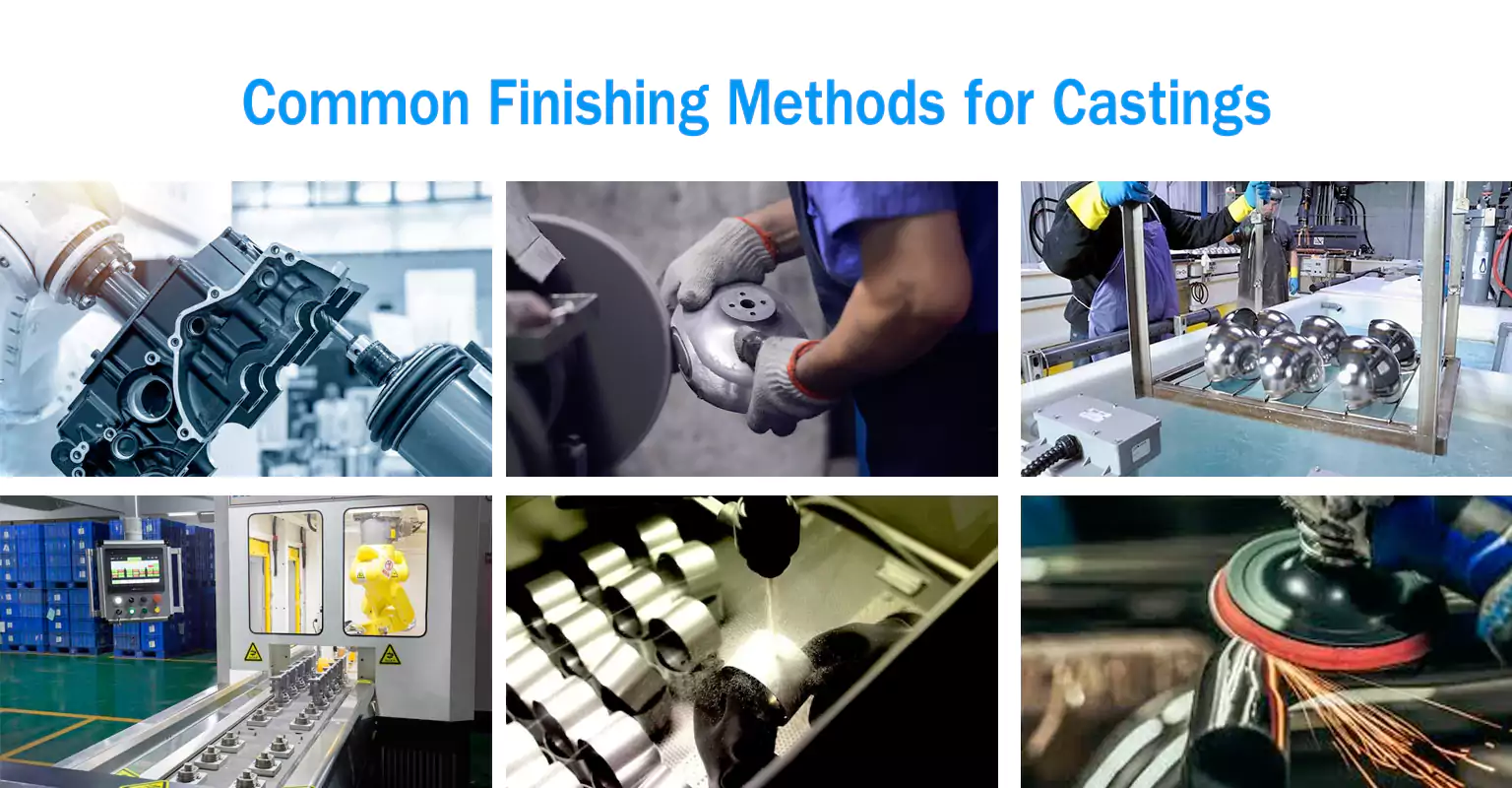
Now that we know the main methods, the key challenge is selecting the right combination. Not every process is necessary, and over-processing can increase cost without adding value.
Overview of Key Methods
| Method | Function | Typical Use Case |
|---|---|---|
| Shot Blasting | Surface cleaning | Remove sand and scale |
| Grinding | Shape correction | Remove excess material |
| Polishing | Surface smoothing | Improve appearance |
| Heat Treatment | Strength improvement | Relieve stress |
| CNC Machining | Precision shaping2 | Tight tolerance parts |
| Coating | Protection | Corrosion resistance3 |
When to Use Each Method
I always match the process to the requirement:
- Use shot blasting for initial cleaning
- Use grinding for geometry correction
- Use CNC machining when tolerance matters
- Use coating for harsh environments
Combining Multiple Processes
In most projects, I never rely on a single method. A typical workflow might be:
- Shot blasting
- Rough grinding
- Heat treatment
- CNC finishing
- Final polishing
This layered approach ensures consistent quality.
How to Choose the Right Finishing Process for Your Casting?
Choosing the wrong process wastes time and money. I have seen this happen often.
The right casting finishing process is selected based on material type, tolerance requirements, surface finish expectations, and functional performance, ensuring the best balance between cost, quality, and efficiency.
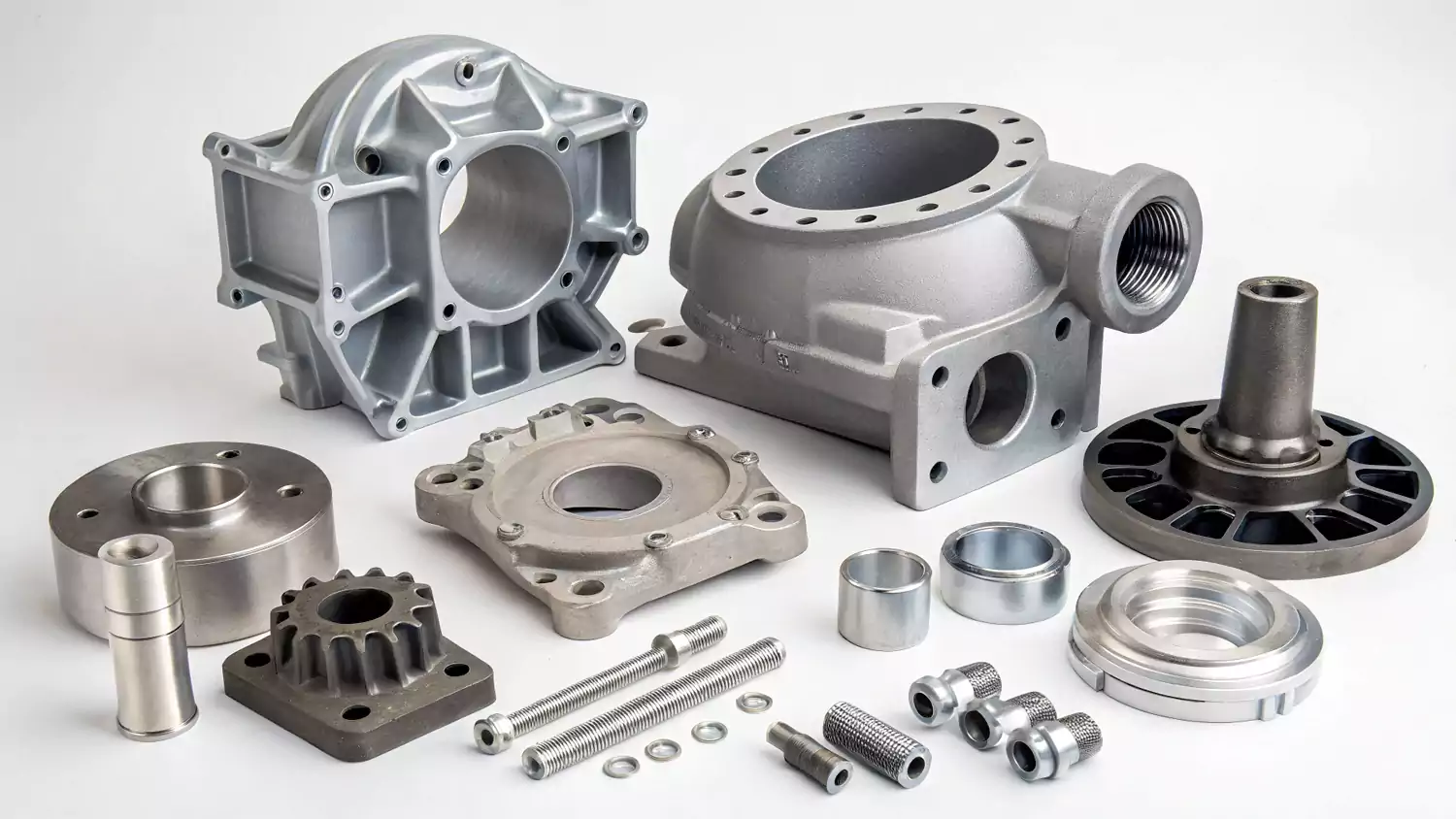
At this point, the decision becomes strategic. Engineers need a clear framework to avoid over-processing or under-processing their parts.
Key Decision Factors
When I evaluate a project, I focus on:
- Material: Aluminum, steel, iron behave differently
- Tolerance: Tight tolerance requires machining
- Surface finish: Cosmetic vs functional
- Volume: High volume needs automation
Simple Selection Framework
| Requirement | Recommended Process |
|---|---|
| High precision | CNC machining |
| Smooth surface | Polishing |
| Structural strength | Heat treatment |
| Cost control | Minimal grinding + blasting |
Common Mistakes I See
- Over-processing simple parts4
- Skipping machining for precision parts
- Ignoring material behavior
I always balance cost and performance. That is key.
Integrating Finishing with CNC Machining and Other Secondary Processes?
Finishing is not separate from machining. They must work together.
Integrating finishing post-treatment with CNC machining ensures optimal accuracy, surface quality, and efficiency by coordinating casting allowances, machining strategies, and finishing steps into a unified production workflow.
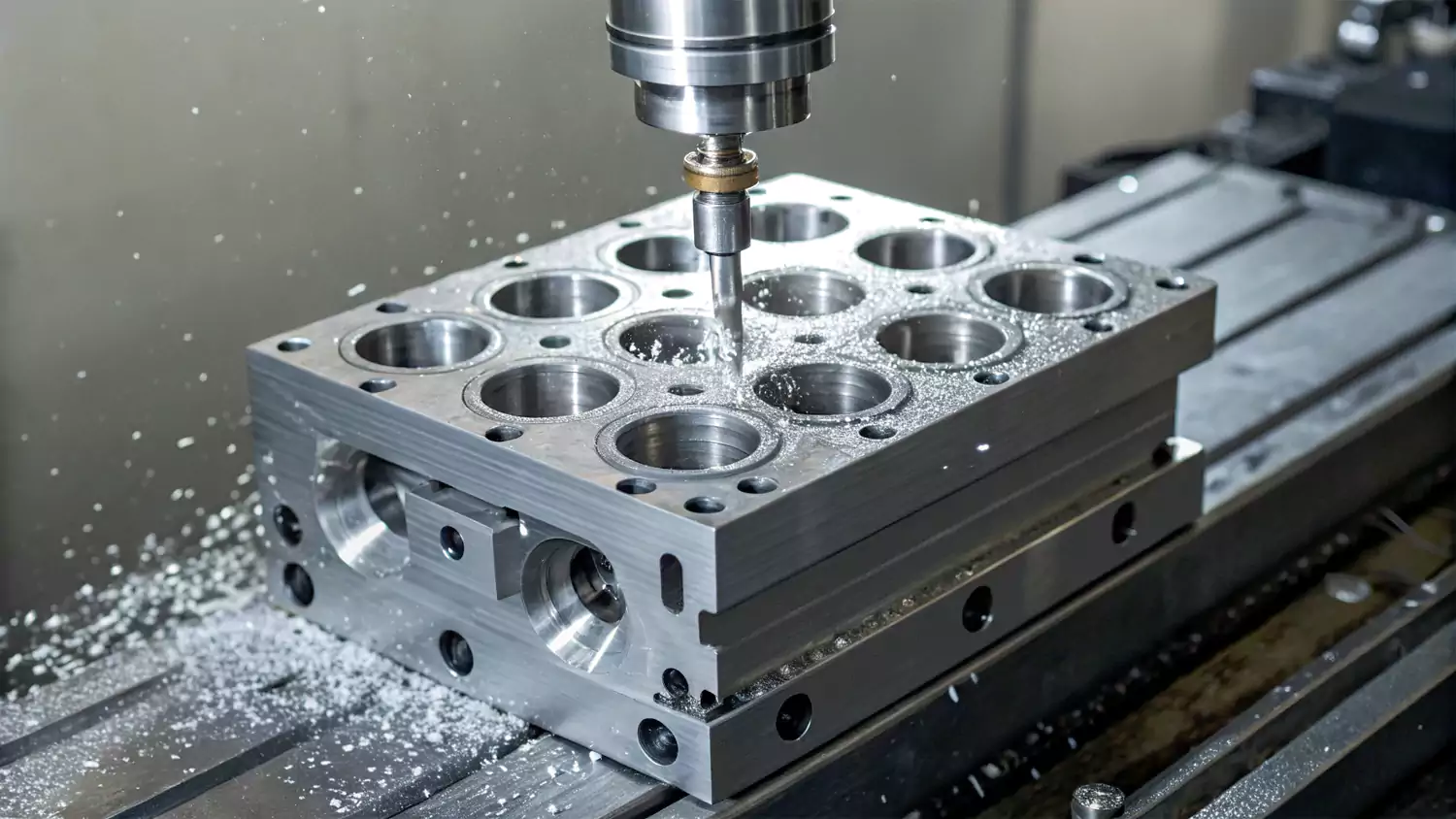
Once integration is done correctly, the entire manufacturing process becomes smoother. This is where experienced suppliers stand out from average ones.
How I Align Casting and Machining
I always plan machining during the casting stage:
- Add proper machining allowance
- Control casting distortion
- Select stable datum surfaces
Workflow Integration Example
A typical integrated process in my shop looks like this:
- Casting production
- Shot blasting
- Stress relief heat treatment5
- CNC rough machining
- Semi-finishing
- Final finishing
Benefits of Integration
From my experience, integration delivers:
- Better dimensional consistency
- Faster production cycles
- Lower total cost
It also reduces communication gaps between suppliers.
Conclusion
Finishing post-treatment is not an optional step. It is the stage where castings become reliable, precise, and ready for real-world use. When I approach a project, I always treat finishing as a core part of the manufacturing strategy, not an afterthought. The right finishing plan improves quality, reduces cost over time, and ensures every part performs exactly as intended.
-
Learn effective methods to identify and fix dimensional deviations to ensure castings meet precise specifications. ↩
-
Explore expert insights on precision shaping to understand how to achieve tight tolerance parts effectively and improve product quality. ↩
-
Explore expert insights on coatings that provide effective corrosion resistance to protect materials in harsh environments. ↩
-
Explore this link to understand why over-processing simple parts can increase costs and reduce efficiency, helping you optimize your manufacturing process. ↩
-
Learn why stress relief heat treatment is crucial for reducing distortion and enhancing the quality of machined parts. ↩
