Last updated on April 7, 2026, by Lucy
I often see engineers struggle with material choices. A wrong pick leads to high cost, delays, or failure. This problem shows up in almost every custom part project.
Carbon fiber is lighter and corrosion-resistant, while metal is stronger, more predictable, easier to machine, and more cost-effective for most custom parts. The right choice depends on load, tolerance, budget, and production volume.

I will walk through real differences I see in projects. I will keep it simple and practical so you can decide faster.
What Is the Difference Between Carbon Fiber and Metal?
I often get asked this at the quoting stage. Many people assume carbon fiber is always better. That is not true.
Carbon fiber is a layered composite with directional strength, while metal is a solid material with uniform strength, making metal more reliable for general engineering applications.
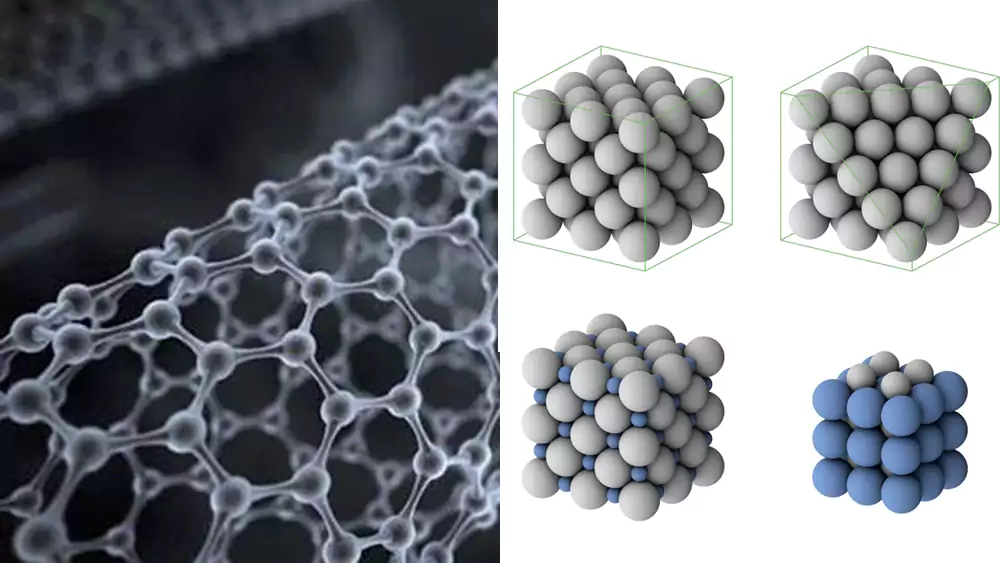
Many engineers focus on weight first. That is where mistakes begin. You need to understand how the material behaves in real use.
Material Basics I See in Real Projects
| Property | Carbon Fiber | Metal (Aluminum/Steel) |
|---|---|---|
| Structure | Layered composite | Solid crystalline |
| Strength Direction | Directional (anisotropic) | Uniform (isotropic) |
| Weight | Very light | Medium to heavy |
| Corrosion | Excellent | Depends on alloy |
| Repairability | Difficult | Easy |
What This Means in Practice
I once worked on a robotic arm cover. The client picked carbon fiber for strength. The part failed because the load direction1 changed during operation. Carbon fiber lost strength in that direction.
Metal would not have had this issue. This is why I always check load direction first.
Carbon Fiber vs. Metal: Performance & Property Comparison
Many engineers compare numbers only. That is not enough. Real performance depends on use conditions.
Carbon fiber provides a high stiffness-to-weight ratio, but metals offer better impact resistance, fatigue life, and thermal stability, making them more reliable in dynamic and high-load environments.
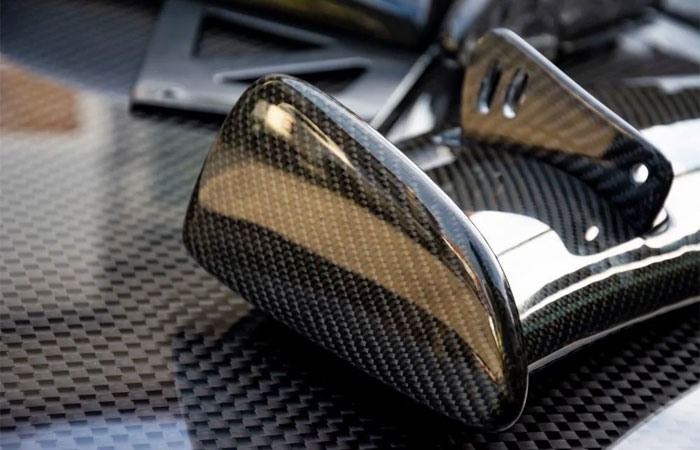
If you only look at datasheets, carbon fiber looks perfect. Real conditions tell a different story.
Key Performance Differences
| Property | Carbon Fiber | Metal |
|---|---|---|
| Strength/Weight | Excellent | Good |
| Impact Resistance2 | Low | High |
| Fatigue Life | Moderate | High |
| Thermal Stability | Low | High |
| Conductivity | Poor | Excellent |
My Observations from Production
Carbon fiber looks strong on paper. But it is brittle. I have seen parts crack under sudden impact.
Metal behaves better under real-world stress. It bends before failure. This gives a safety margin.
Thermal behavior3 also matters. Carbon fiber expands differently than metal inserts. This can cause delamination. I have seen this in motor housings.
Manufacturing & Cost Differences for Custom Parts
This is where most decisions change. Performance matters, but cost and manufacturability decide the final choice.
Metal parts are CNC machined with high precision, fast lead times, and lower cost for low to medium volumes, while carbon fiber requires molding or layup with higher tooling cost, longer lead times, and lower dimensional accuracy.
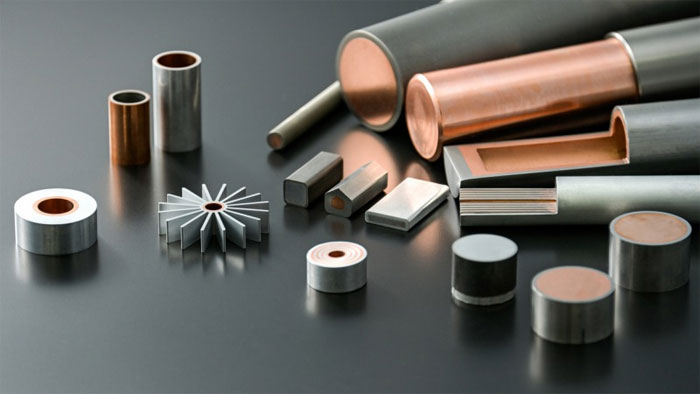
When clients come to me for quotes, this is usually where they change their decision.
Manufacturing Methods
| Process | Metal | Carbon Fiber |
|---|---|---|
| Main Method | CNC machining | Layup / molding |
| Tooling Cost | Low | High |
| Flexibility | High | Low |
| Setup Time | Short | Long |
If you are working on precision parts, I always suggest reviewing this detailed metal machining guide to understand what CNC can really achieve.
Tolerances & Surface Finish
| Factor | Metal CNC | Carbon Fiber |
|---|---|---|
| Tolerance | ±0.01 mm achievable | ±0.1 mm typical |
| Surface Finish | Smooth, controllable | Depends on mold |
| Post-processing | Easy | Limited |
For most engineering parts, especially those with tight tolerances, I typically choose metal materials for machining and manufacturing, as this approach ensures consistency and repeatability in the results.
Lead Time Comparison
| Stage | Metal CNC | Carbon Fiber |
|---|---|---|
| Prototype | 3–7 days | 2–3 weeks |
| Production Setup | Minimal | High |
Case Study from My Shop
I worked on a UAV bracket project:
| Parameter | Carbon Fiber Version | Aluminum Version |
|---|---|---|
| Weight | 120 g | 280 g |
| Cost per unit (100 pcs) | $85 | $32 |
| Tolerance | ±0.1 mm | ±0.02 mm |
| Lead Time | 18 days | 6 days |
| Failure Rate | 8% | <1% |
The client finally chose aluminum. The weight saving was not worth the cost and risk.
Best Applications: When to Use Carbon Fiber vs. Metal
I always match material to application. This saves time and cost.
Use carbon fiber for lightweight, corrosion-resistant, non-critical structural parts, and use metal for load-bearing, high-precision, high-temperature, and long-life applications.
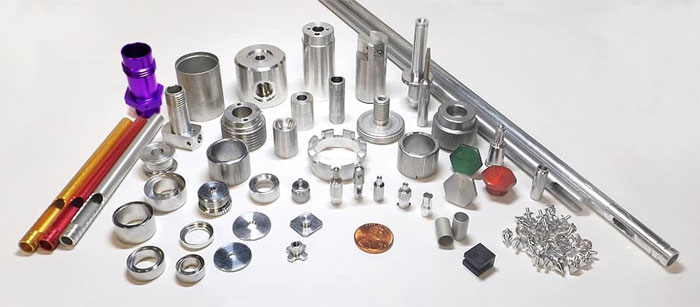
A wrong application choice will cost more than any material itself.
When I Recommend Carbon Fiber
- Aerospace lightweight panels
- Racing components
- Cosmetic structural covers
- Corrosion-heavy environments
When I Recommend Metal
- Load-bearing parts
- Precision components
- High-temperature environments
- Mechanical assemblies
Real Scenario
In automation equipment, I almost always choose aluminum or steel.
Why? Because precision and repeatability4 matter more than weight. Carbon fiber cannot match CNC consistency.
How to Choose the Right Material for Your Custom Part?
Many clients ask me for a simple rule. I use a checklist.
Choose carbon fiber only when weight reduction, corrosion resistance, and stiffness are all critical; otherwise, metal is the more reliable, precise, and cost-effective choice for most custom parts.

If you follow a clear process, you will avoid most costly mistakes.
My Practical Decision Framework
1. Load Requirements
If the load is high or unpredictable, I choose metal.
2. Weight Target
If weight reduction is critical (over 40%), I consider carbon fiber.
3. Budget
If cost matters, metal wins almost every time.
4. Production Volume
- Low volume → CNC metal
- High volume → carbon fiber may work
5. Environment
- Corrosion → carbon fiber or coated metal
- Heat → metal only
My Final Advice
Carbon fiber is not magic. It is just light, stiff, and corrosion-resistant.
If your part needs all three, then use it.
If not, metal will not let you down.
If you are unsure, I can review your design and suggest the best option based on real manufacturing constraints.
Conclusion
Carbon fiber saves weight, but metal delivers better reliability, precision, and cost efficiency for most custom part applications.

-
Understanding load direction helps prevent material failure by ensuring the chosen material can handle stresses in real use. ↩
-
Explore this link to understand why impact resistance is crucial for material selection and how carbon fiber and metal differ in real-world applications. ↩
-
Learn about the thermal expansion differences between carbon fiber and metal, and why this matters for durability and performance in products like motor housings. ↩
-
Learn why precision and repeatability are prioritized over weight in automation, highlighting the limitations of Carbon Fiber. ↩
