Last updated on March 23, 2026, by Lucy
I often see projects fail not because of design errors, but because the wrong material was selected. This leads to part failure, delays, and cost overruns.
Choosing the right CNC machining material depends on part function, environment, and tolerance needs. Common options include aluminum, steel, brass, and plastics, each offering different strength, cost, and machinability advantages.
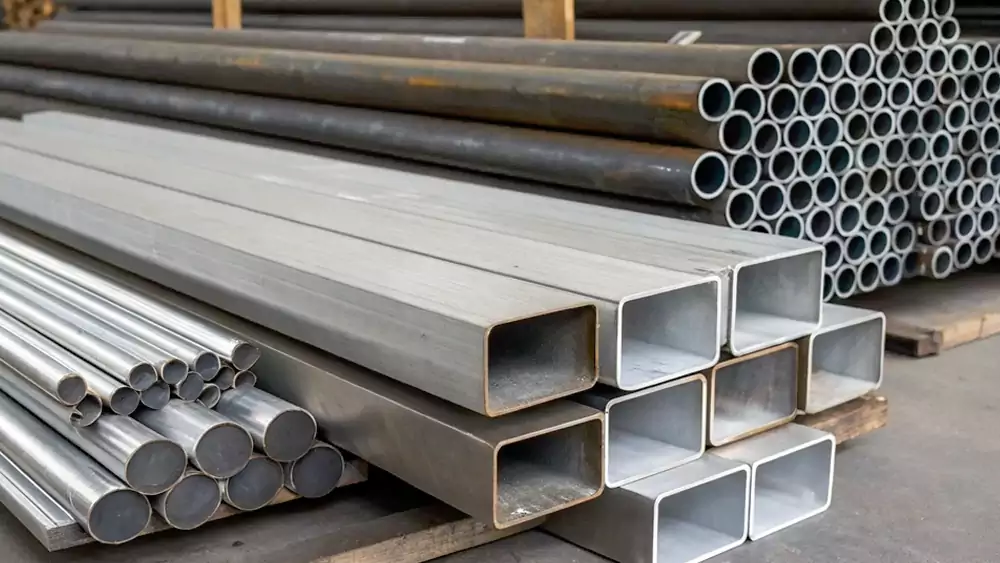
I have worked with many engineers who focused too much on specs and not enough on real working conditions. The right material is not always the strongest one. It is the one that performs consistently over time. So I want to walk through this in a practical way.
What Materials Are Commonly Used in CNC Machining?
Many buyers feel unsure when they see so many material options. They often do not know which one is suitable for their part.
The most common CNC machining materials are aluminum, steel, brass, copper, and engineering plastics. Each material has different strength, weight, cost, and machining characteristics.
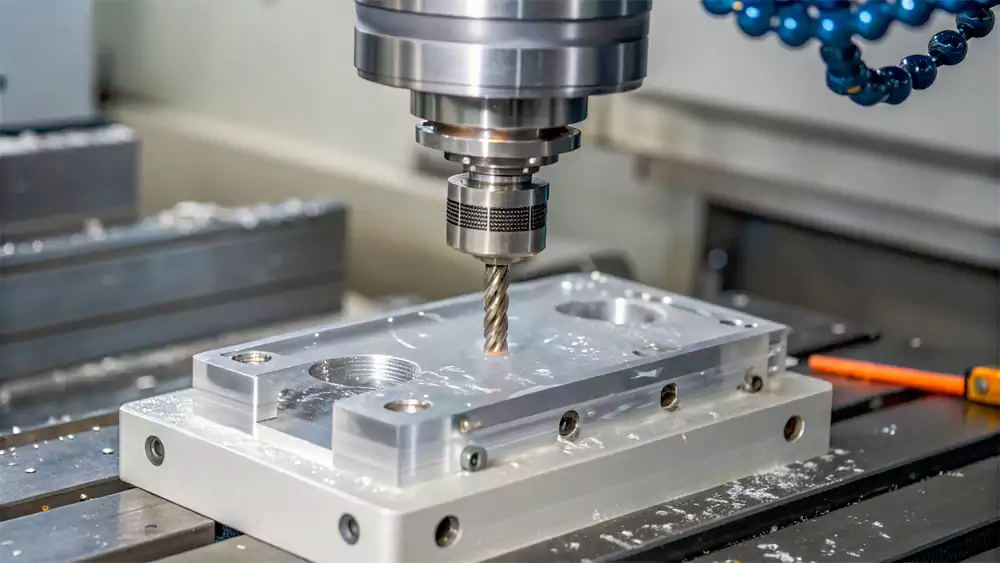
I usually explain materials by grouping them into metals and plastics. This helps simplify the decision process.
Common Material Categories
Aluminum (6061 / 7075)
- Lightweight
- Good strength-to-weight ratio1
- Excellent machinability
- Widely used in automotive and aerospace
Steel (Mild / Alloy / Stainless)
- High strength
- Good wear resistance
- Higher cost and machining difficulty
- Used for structural and load-bearing parts
Brass / Copper
- Good electrical conductivity
- Easy to machine
- Used in electrical and precision components
Plastics (ABS / POM / Nylon / PEEK)
- Lightweight
- Corrosion resistant2
- Lower strength compared to metals
- Ideal for medical and insulation parts
How I Approach It
I always start by asking one simple question:
What does the part need to do?
If the part needs strength, I move toward steel. If weight matters, I look at aluminum. If insulation is required, plastics are often better.
This simple approach avoids overengineering and saves cost.
Aluminum vs Steel vs Plastic – What’s the Difference?
Many engineers compare materials but still feel uncertain about which one is better.
Aluminum is lightweight and easy to machine, steel offers high strength and durability, and plastics provide low cost and corrosion resistance. The best choice depends on your part’s function and working conditions.
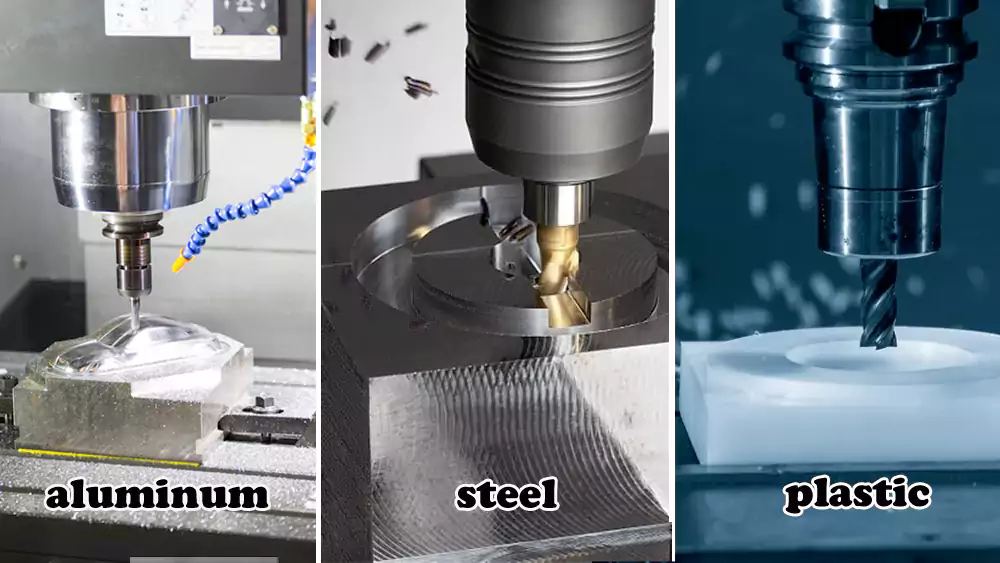
I often use a simple table to help clients make quick decisions.
Material Comparison Table
| Material | Strength | Weight | Cost | Machinability | Best Use |
|---|---|---|---|---|---|
| Aluminum | Medium | Light | Medium | Excellent | Automotive, aerospace |
| Steel | High | Heavy | High | Moderate | Structural parts |
| Plastic | Low–Medium | Very light | Low | Easy | Medical, insulation |
What This Means in Practice
I once worked on a housing part. The client first chose stainless steel because of strength. But the part did not carry heavy loads.
So I suggested aluminum 6061.
The result:
- Weight reduced by 40%
- Cost reduced by 30%
- Performance remained stable
This is why I always say:
The best material is not the strongest one. It is the one that fits the real function.
What Factors Should You Consider When Choosing CNC Materials?
Many engineers know the materials but still struggle to make the final decision.
When selecting CNC materials, you should consider mechanical strength, temperature resistance, corrosion resistance, tolerance stability, and overall cost based on production volume.
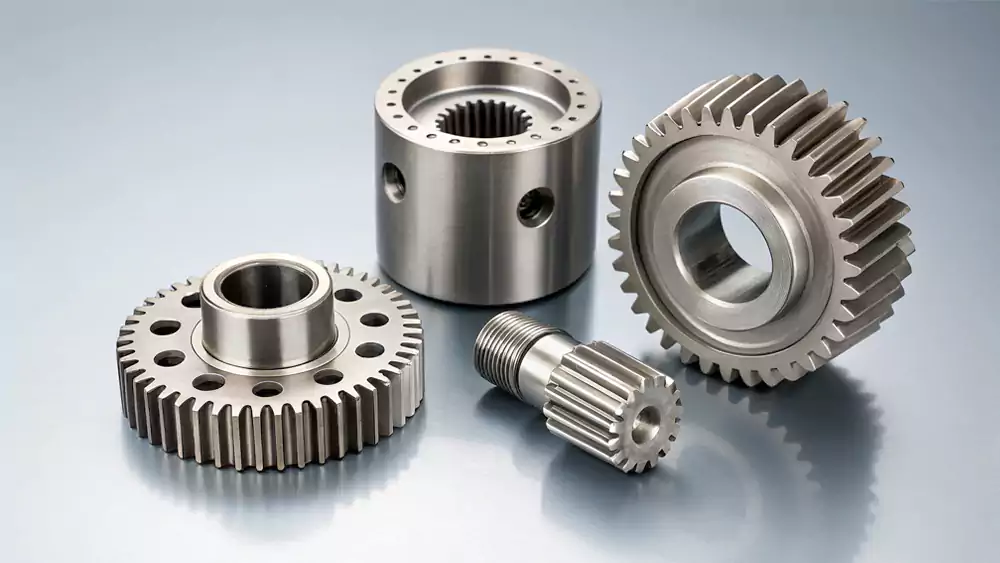
I use a checklist approach when reviewing a new part.
Key Decision Factors
1. Mechanical Properties
- Strength
- Hardness
- Wear resistance
These define whether the part can handle load and stress.
2. Thermal Resistance3
- High temperature applications require stable materials
- Plastics may deform under heat
- Metals perform better in extreme conditions
3. Corrosion Resistance
- Stainless steel or plastics work well in harsh environments
- Aluminum can corrode without treatment
4. Tolerance & Stability
- Some plastics expand or shrink
- Metals provide better dimensional stability
5. Cost & Production Volume
- High volume favors easier machining materials
- Complex materials increase machining time and cost
Real Insight from Experience
The right material is not always the one with the best data sheet.
I have seen parts pass all tests but fail in real conditions after months of use.
So I always focus on long-term stability4, not just initial performance.
How to Choose the Right CNC Material for Your Application?
This is where real decisions are made. Many mistakes happen at this stage.
To choose the right CNC material, match the material properties with your part’s function, environment, and industry requirements. This ensures long-term performance and cost efficiency.
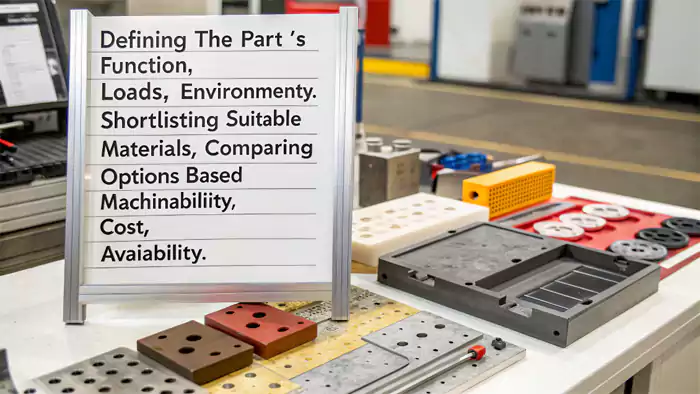
I usually break this into two simple approaches.
1. Choose by Industry
- Automotive → Aluminum, steel
- Medical → Stainless steel, PEEK, POM
- Industrial → Steel, nylon
Each industry has common material standards5.
2. Choose by Function
- High load → Steel
- Lightweight → Aluminum
- High temperature → Stainless steel or PEEK
- Wear resistance → Alloy steel
Case Study: High-Temperature Sensor Housing
I worked on a project involving a sensor housing used in a high-temperature environment.
| Parameter | Value |
|---|---|
| Material | Stainless Steel 316 |
| Working Temperature | 250°C |
| Tolerance | ±0.01 mm |
| Surface Finish | Ra 1.6 |
| Quantity | 200 pcs |
What Happened
The client first selected aluminum. That caused deformation during testing.
So I recommended stainless steel 316.
Result
- Stable performance under heat
- No dimensional change after testing
- Product passed validation
This case clearly shows one thing.
The right material is not necessarily the one with the best specifications, but rather the one that can maintain its tolerances even after several months of use in the field.
If you are unsure about the right material, I usually suggest sending your drawing and application details for a quick review.
Conclusion
Choosing CNC materials is about matching function, environment, and cost. The right choice improves performance and avoids long-term failure.

-
Explore this link to understand why materials with a good strength-to-weight ratio like aluminum are preferred in automotive and aerospace industries for optimal performance. ↩
-
Learn about corrosion resistant plastics that are ideal for medical and insulation applications, helping you choose the right material for durability and safety. ↩
-
Explore this link to understand which materials maintain stability under heat, crucial for selecting parts in extreme temperature environments. ↩
-
Discover strategies to evaluate and guarantee material performance over time, beyond initial test results, for reliable product durability. ↩
-
Learn about industry-specific material standards to make informed decisions for your manufacturing needs. ↩
