Last updated on March 24, 2026, by Lucy
I often see parts fail in high-temperature environments because the wrong plastic was chosen. This leads to deformation, loss of tolerance, and costly redesign.
The best heat resistant plastics for CNC machining are PEEK, PTFE, Ultem (PEI), PPS, and high-temperature nylon. Each material offers different heat resistance, strength, machinability, and cost, so the right choice depends on your actual working conditions and performance requirements.
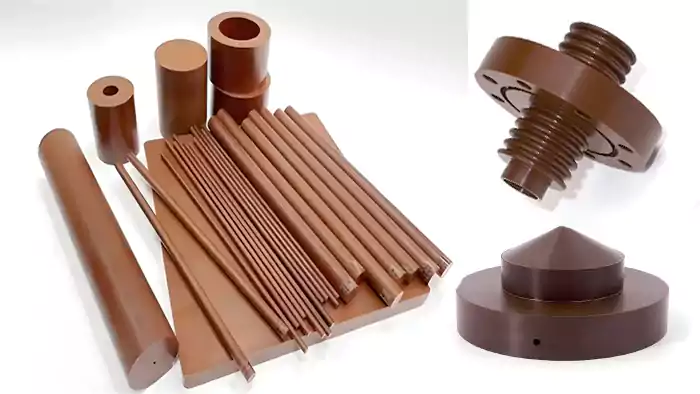
I’ve worked with many engineers who focused only on datasheets, but real-world performance often tells a different story. A material that looks perfect on paper can still fail after months of heat exposure, which is why I always evaluate materials based on actual working conditions—especially when it comes to custom CNC machined parts.
What Are the Most Common Heat Resistant Plastics for CNC Machining?
Many engineers feel overwhelmed when selecting high-temperature plastics. There are too many options and not enough clear guidance.
The most common heat resistant plastics for CNC machining are PEEK, PTFE, Ultem (PEI), PPS, and high-temperature nylon, each designed to handle elevated temperatures while maintaining specific mechanical and chemical properties.
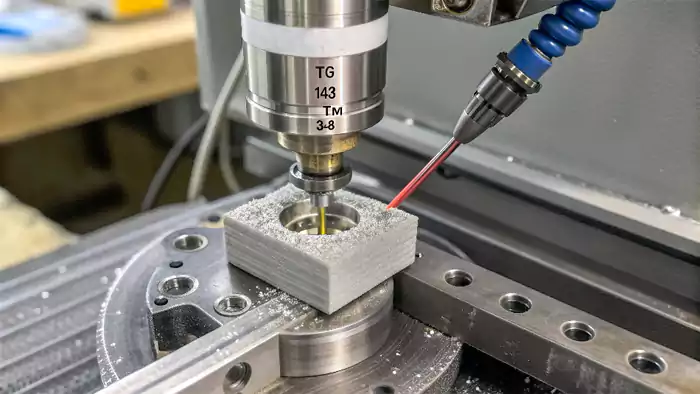
I usually group these materials based on performance level and cost. This helps simplify the selection process.
High-Performance Plastics1
PEEK
- Excellent continuous temperature resistance
- High mechanical strength
- Very stable under load
- Used in aerospace and medical
Ultem (PEI)
- High heat resistance
- Good electrical insulation
- Strong dimensional stability
PPS
- Good chemical resistance
- Stable at high temperatures
- Cost-effective alternative to PEEK
Functional Plastics
PTFE (Teflon)
- Excellent heat resistance
- Very low friction
- Poor mechanical strength
High-Temperature Nylon
- Moderate heat resistance
- Good wear resistance
- Lower cost option
This is why I often consider machining alongside material selection, especially given how engineering plastics processing affects the way these materials behave during machining.
CNC Material Comparison – How Do PEEK, PTFE, Ultem, and Nylon Differ?
Many engineers compare materials but still feel unsure which one fits their application best.
PEEK offers the highest strength and heat resistance, PTFE provides excellent chemical resistance and low friction, Ultem balances heat and strength, and nylon is a cost-effective option for moderate temperature applications.
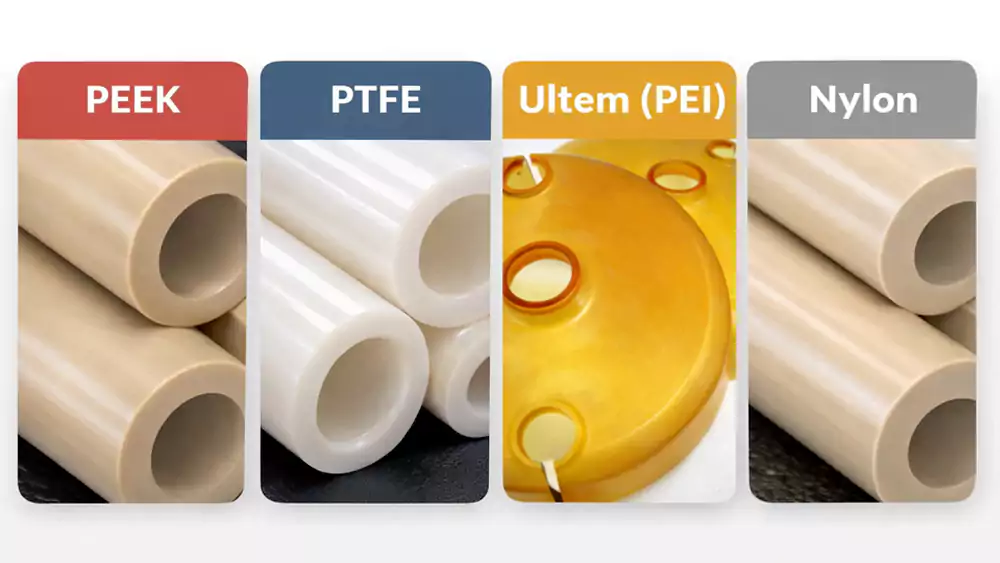
I always use a comparison table to make decisions faster.
Material Comparison Table
| Material | Continuous Temp | Max Temp | Strength | Cost | Best Use |
|---|---|---|---|---|---|
| PEEK2 | Very High | Very High | High | $$$ | Aerospace, medical |
| PTFE3 | High | Very High | Low | $$ | Chemical sealing |
| Ultem | High | High | Medium | $$$ | Electrical |
| Nylon | Medium | Medium | Medium | $ | Industrial parts |
What This Means in Practice
I once reviewed a sealing component that used PEEK. The temperature was not extreme. The load was low.
So I switched it to PTFE.
The result:
- Cost reduced by 50%
- Performance stayed stable
- Machining became easier
This shows that material selection is closely tied to machining strategy, as CNC machining plastics often reveals how differently these materials behave during cutting.
If your part works in high-temperature environments and you are unsure about the right material, I usually suggest sharing your operating conditions and drawings for a quick evaluation.
What Factors Should You Consider When Choosing Heat Resistant Plastics?
Many engineers know the materials but struggle with final selection. The challenge is not knowledge. It is decision logic.
When choosing heat resistant plastics, you must evaluate continuous temperature, mechanical load, chemical exposure, dimensional stability, and machinability, as these factors directly affect long-term performance and reliability.
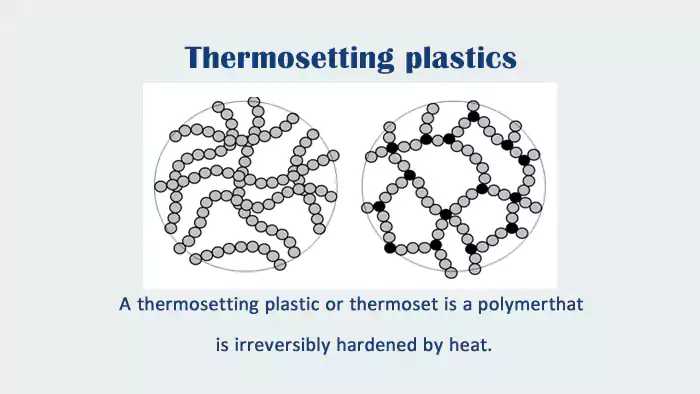
I follow a structured checklist when I review a project.
Key Factors
1. Continuous vs Peak Temperature
- Continuous temperature4 matters more
- Short-term peaks are less critical
- Many failures come from long-term exposure
2. Mechanical Load
- High load requires strong materials like PEEK
- Low load allows softer materials like PTFE
3. Chemical Exposure
- PTFE and PPS perform well in harsh environments
- Some plastics degrade under chemicals
4. Dimensional Stability
- High heat can cause expansion
- Some plastics deform over time
5. Machinability & Cost
- PEEK is difficult and expensive to machine
- Nylon is easier and cheaper
At this point, it really comes down to how to choose the right CNC machining material based on the part’s design, function, and machining requirements.
How to Choose the Right Heat Resistant Plastic for Your Application?
This is where real decisions are made. This is also where most mistakes happen.
To choose the right heat resistant plastic, match the material to your operating temperature, mechanical load, and environment, while balancing machinability and cost for long-term performance.
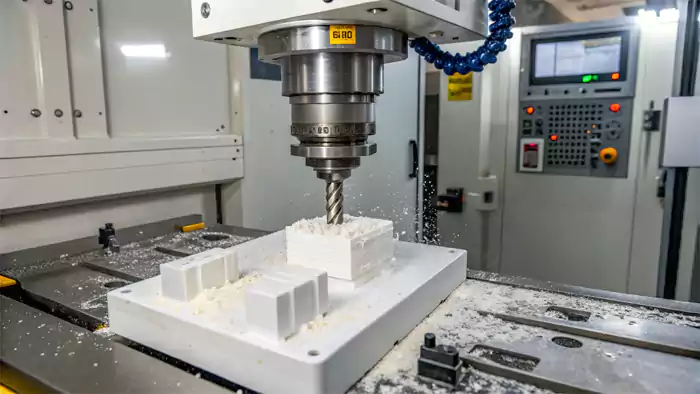
I usually break this into simple steps.
Choose by Industry
- Automotive → Nylon, PPS
- Aerospace → PEEK, Ultem
- Medical → PEEK, PTFE
Choose by Function
- High temperature → PEEK, Ultem
- Low friction → PTFE
- Chemical resistance → PTFE, PPS
- Cost-sensitive → Nylon
Case Study: Aerospace Sensor Mounting Bracket
I worked on a sensor mounting bracket used in a high-temperature aerospace environment.
| Parameter | Value |
|---|---|
| Material | PEEK |
| Continuous Temp | 220°C |
| Peak Temp | 260°C |
| Tolerance | ±0.01 mm |
| Surface Finish | Ra 1.6 |
| Quantity | 150 pcs |
What Happened
The client initially selected nylon. The part deformed during testing.
So I switched the material to PEEK.
Result
- Stable performance under heat
- No deformation after testing
- Passed all validation requirements
If your part works in high-temperature environments and you are unsure about the right material, I usually suggest sharing your operating conditions and drawings for a quick evaluation.
Conclusion
Choosing the right heat resistant plastic means balancing temperature, performance, and cost. The correct decision ensures stable parts and reduces long-term risk.

-
Learn about the unique properties and uses of high-performance plastics to make informed decisions for demanding applications. ↩
-
Explore this link to understand why PEEK is chosen for high-performance applications like aerospace and medical due to its high strength and temperature resistance. ↩
-
Explore this link to understand PTFE's unique features and why it's ideal for cost-effective, high-performance sealing solutions. ↩
-
Explore this link to understand why continuous temperature exposure is more critical than short-term peaks for material durability and failure prevention. ↩
