Last updated on April 10, 2026, by Lucy
Complex parts often fail in 3-axis machining due to multiple setups, alignment errors, and long lead times. This creates risk, delays, and unexpected cost increases.
5-axis CNC machining uses five simultaneous axes to machine complex parts in one setup, reducing errors, improving precision, and often lowering total manufacturing cost despite higher hourly machine rates.

If your design includes curves, deep pockets, or multiple angles, the real question is not if you can machine it, but how to do it right the first time.
What Is 5-Axis CNC Machining & How It Works?
Many engineers struggle when parts require multiple orientations. Each setup introduces error and slows production.
5-axis CNC machining moves a cutting tool along X, Y, Z axes plus two rotational axes (A, B, or C), allowing full multi-angle machining in a single setup and eliminating the need for repeated repositioning.
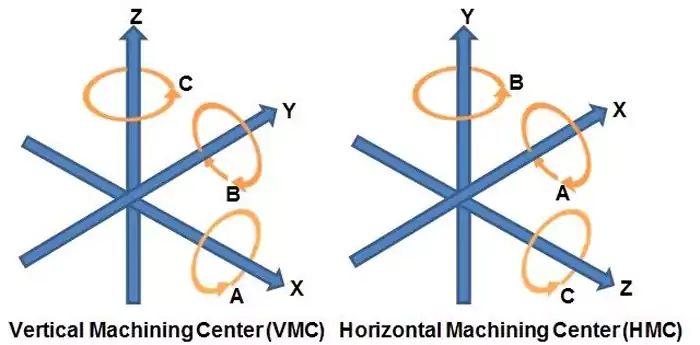
How the Axes Work
In simple terms:
- X, Y, Z → linear movement
- A/B/C → rotational movement
This allows the tool to reach almost any surface without moving the part manually.
3+2 vs Simultaneous 5-Axis
| Type | How It Works | When I Use It |
|---|---|---|
| 3+2 (Indexed)1 | Part is rotated, then machined in 3 axes | Moderate complexity, lower cost |
| Simultaneous 5-axis2 | All axes move at once | Complex surfaces, aerospace |
Why It Beats 3-Axis
- Fewer setups → fewer errors
- Better tool angles → better surface quality
- Shorter tools → higher stability
Capabilities & Key Advantages of 5-Axis CNC Machining?
Complex designs often force compromises in traditional machining. That leads to redesigns or poor quality.
5-axis CNC machining enables complex geometries, reduces setups, improves accuracy, and enhances surface finish, which lowers scrap rates, shortens lead time, and improves overall part quality.

Complex Geometries
I use 5-axis for:
- Freeform surfaces3
- Undercuts
- Deep cavities
Fewer Setups = Lower Total Cost
Each setup adds time and risk. With 5-axis:
- Less manual intervention
- Faster turnaround
- Better consistency
High Precision
- Reduced vibration
- Better tolerance control
Better Surface Finish
- Optimized tool paths
- Less need for polishing
This is where most engineers start to rethink their approach. The real value of 5-axis is not just capability. It is decision-making.
When to Use 5-Axis CNC Machining (vs 3-Axis & 4-Axis)?
Choosing the wrong process can waste both time and budget. Not every part needs 5-axis machining.
Use 5-axis CNC machining for complex geometries, multi-angle features, and tight tolerances, but avoid it for simple parts where 3-axis machining is faster and more cost-efficient.
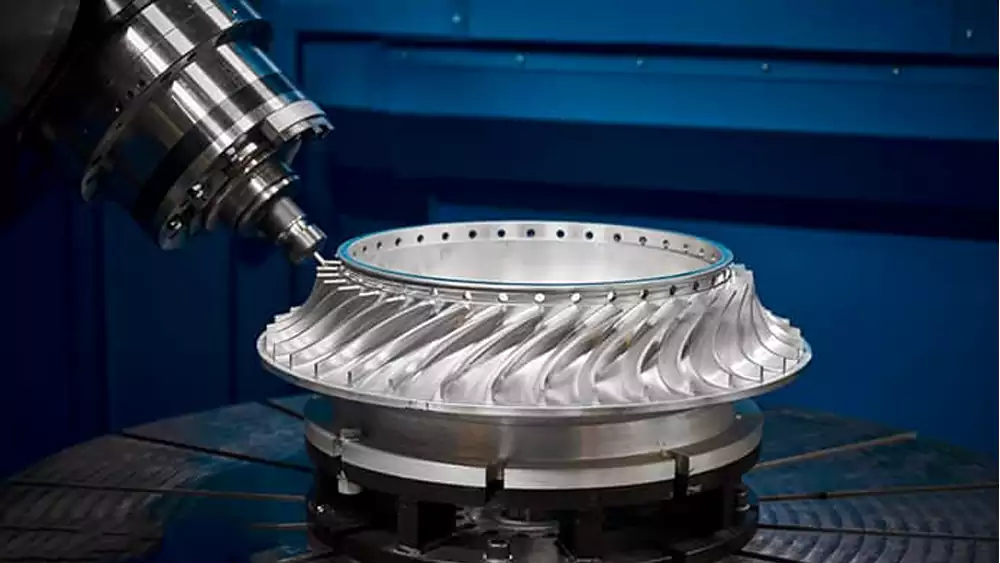
Best Use Cases
- Impellers
- Turbine blades
- Multi-face components
- Medical implants
When Not to Use It
- Simple brackets
- Flat plates
- Low tolerance parts
Cost vs Complexity Trade-Off
| Complexity Level | Best Option | Reason |
|---|---|---|
| Low | 3-axis | Fast and low cost |
| Medium | 4-axis / 3+2 | Balanced |
| High | 5-axis | Required |
If your part requires multiple setups, you are already paying hidden costs. This is where 5-axis becomes the smarter option.
Of course, if you currently need custom-machined parts but aren’t sure which machining method to choose, we recommend that you first understand the differences between 3-axis, 4-axis, and 5-axis machining before making a decision.
Applications & Typical Custom Parts Across Industries?
Different industries demand different levels of complexity and precision. Process selection must match application needs.
5-axis CNC machining is used across aerospace, automotive, medical, and industrial sectors to produce complex, high-precision parts such as turbine blades, molds, implants, and multi-face housings.

Aerospace
- Turbine blades
- Impellers
- Structural brackets
Automotive
- Engine components
- Injection molds
- Gear housings
Medical
- Implants
- Surgical tools
Industrial Equipment
- Housings
- Fixtures
- Robotics parts
Case Study: Complex Impeller Project
This project shows where 5-axis makes a clear difference.
| Parameter | Value |
|---|---|
| Material | Aluminum 70754 |
| Diameter | 120 mm |
| Blade Count | 9 |
| Tolerance | ±0.01 mm |
| Surface Finish | Ra 0.8 µm |
| Previous Process | 3-axis (4 setups) |
| Final Process | Simultaneous 5-axis (1 setup) |
| Lead Time Reduction | 42% |
| Scrap Rate | Reduced from 18% to <3% |
Switching to 5-axis eliminated alignment errors and improved consistency across all blades.
This is the point where cost becomes a real concern. Many engineers assume 5-axis is always expensive.
Cost Factors & Design Tips for 5-Axis CNC Machining?
Cost concerns often stop engineers from choosing the right process too early.
5-axis CNC machining has higher hourly rates due to advanced equipment and programming, but total cost is often lower because it reduces setups, improves yield, and shortens machining time.

Cost Factors
Machine Cost
- Higher hourly rate
- Advanced maintenance
Programming Complexity
- Longer CAM setup
- Skilled engineers required
Setup Reduction
- Fewer setups reduce labor
Material & Cycle Time
- Optimized cutting paths
Design Tips
Avoid Deep Cavities
Deep pockets require long tools and reduce stability.
Ensure Tool Accessibility
Design must allow tool entry at proper angles.
Optimize Radii
Sharp corners increase machining difficulty.
| Feature | Impact | Recommendation |
|---|---|---|
| Deep cavities | Tool deflection | Reduce depth |
| Sharp corners | Tool limits | Add fillets |
| Hidden features | Hard access | Simplify design |
If you design with machining in mind, you can reduce cost before production even starts.
FAQ About 5-Axis CNC Machining?
Is 5-axis CNC machining more expensive?
Yes per hour, but total project cost is often lower.
What tolerances can it achieve?
Around ±0.005 mm depending on material and geometry.
Is it suitable for low-volume production?
Yes. It works well for prototypes and small batches.
How does it compare to 3-axis machining?
3-axis is better for simple parts. 5-axis is needed for complex designs.
Conclusion
5-axis CNC machining is not about speed alone. It is about making complex parts possible in one setup, reducing risk, improving quality, and controlling total cost. If your design pushes limits, this is often the most reliable way to manufacture it right the first time.

-
Learn why 3+2 (Indexed) machining is a cost-effective solution for moderate complexity parts with reliable results. ↩
-
Explore this link to understand how simultaneous 5-axis machining improves precision and efficiency for complex surfaces. ↩
-
Explore how 5-axis machining enhances the creation of complex freeform surfaces with precision and efficiency. ↩
-
Understanding 6061 and 7075 Aluminum Alloys: Which Alloy Should You Choose for Your Project? ↩
