Last updated on February 27, 2026, by Lucy
Chrome plating looks tough and permanent. Many engineers assume it must be stripped when it fails. That decision can damage the base metal and increase cost fast.
Removing chrome plating safely requires identifying the coating type, thickness, and base material first. The stripping method must control hydrogen embrittlement, dimensional loss, and surface damage, especially for precision industrial components.
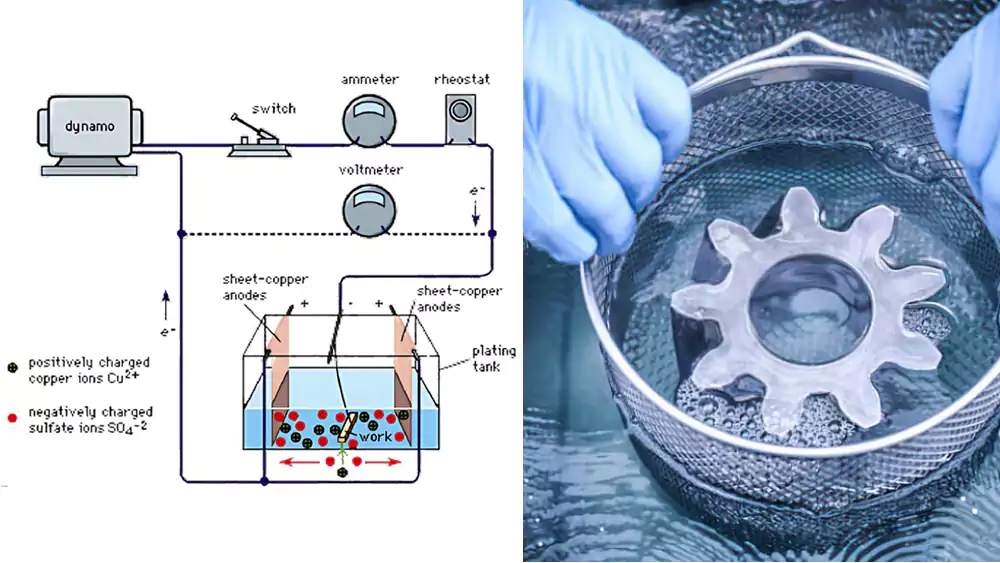
I have removed chrome from shafts, molds, and hydraulic rods for over 20 years. I never treat stripping as routine work. I treat it as a risk control project. If you manage precision parts, you should do the same.
What Must You Know About Chrome Plating Before Removal?
Many problems start because teams do not understand what they are removing. Chrome plating is not one single thing.
Before removing chrome, I always confirm whether it is decorative or hard chrome, measure thickness, identify the substrate material, and review its industrial function. These factors determine the stripping method and risk level.
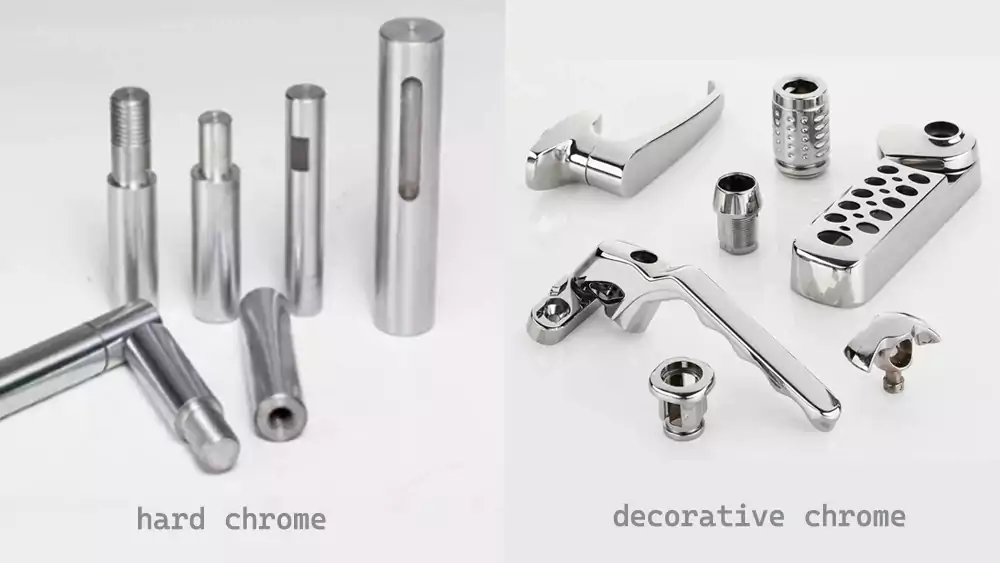
Decorative vs Hard Chrome
Decorative chrome usually measures 5–25 µm thick. It often sits over nickel layers. It is common in consumer parts and trim components.
Hard chrome usually measures 50–500 µm thick. It is used on hydraulic rods, shafts, molds, and wear surfaces. It provides hardness and corrosion resistance.
Adhesion and Bond Structure
Hard chrome bonds directly to steel through electrochemical deposition. The bond is strong. That strength makes stripping more sensitive.
If the chrome is thick, I expect longer stripping time and higher hydrogen exposure risk.
Substrate Materials
I often see:
- Carbon steel
- Alloy steel
- High-strength tool steel
- Stainless steel
High-strength steels above 1000 MPa are very sensitive to hydrogen embrittlement1. That risk changes everything.
I once inspected a 42CrMo4 hydraulic rod that cracked after poor stripping. The plating removal was careless. The base metal suffered micro-cracks. That repair cost more than replacing the rod.
When and Why Does Chrome Plating Need to Be Removed?
Many teams jump to stripping too quickly. I always ask why first.
Chrome plating is usually removed due to wear, cracking, dimensional rebuild, coating upgrades, or regulatory compliance. The decision must compare repair cost, replacement cost, and downtime impact.
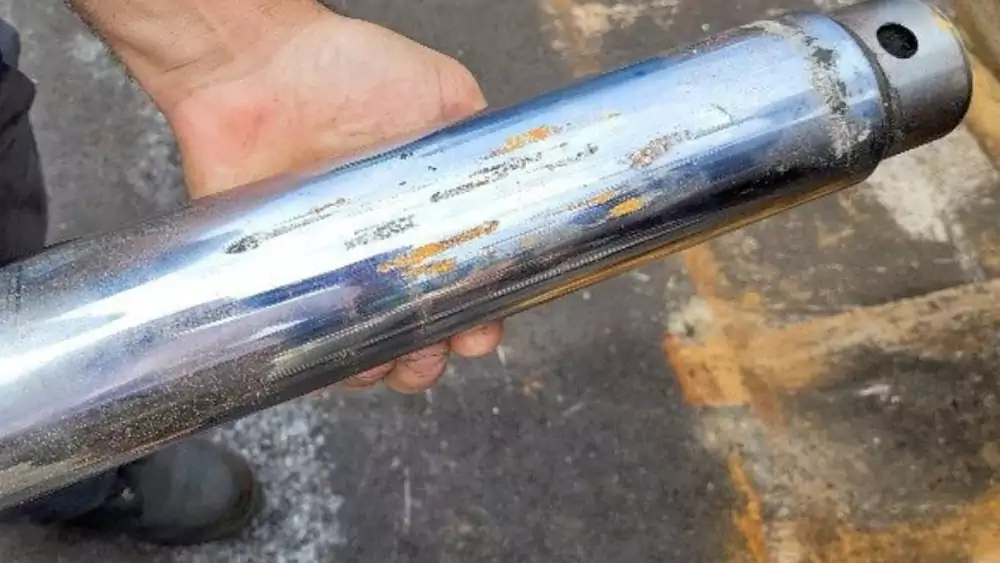
Common Reasons
- Worn hydraulic shafts that need rebuild
- Dimensional recovery for precision fits
- Surface cracking or peeling
- Switching to coatings like PVD or HVOF
- REACH compliance in EU supply chains2
- Design modification requiring re-machining
Repair vs Replace Decision
I calculate three factors:
| Factor | Repair (Strip & Replate) | Replace |
|---|---|---|
| Material cost | Low | High |
| Lead time | Medium | Long |
| Risk | Medium | Low |
If downtime is critical, repair may win. If tolerance is extremely tight, replacement may be safer.
Before I strip any precision part, I ask one question: does this chrome actually need to come off? Sometimes I can repair the worn area or apply a new coating over it. Removing chrome should never be the default. It should be the last option.
Which Chrome Removal Method Offers the Best Engineering Control?
Not all stripping methods are equal. Some are precise. Some are risky.
Reverse electroplating offers the best dimensional control for precision parts. Mechanical grinding provides speed but increases substrate risk. Chemical stripping can cause over-etching if not controlled.
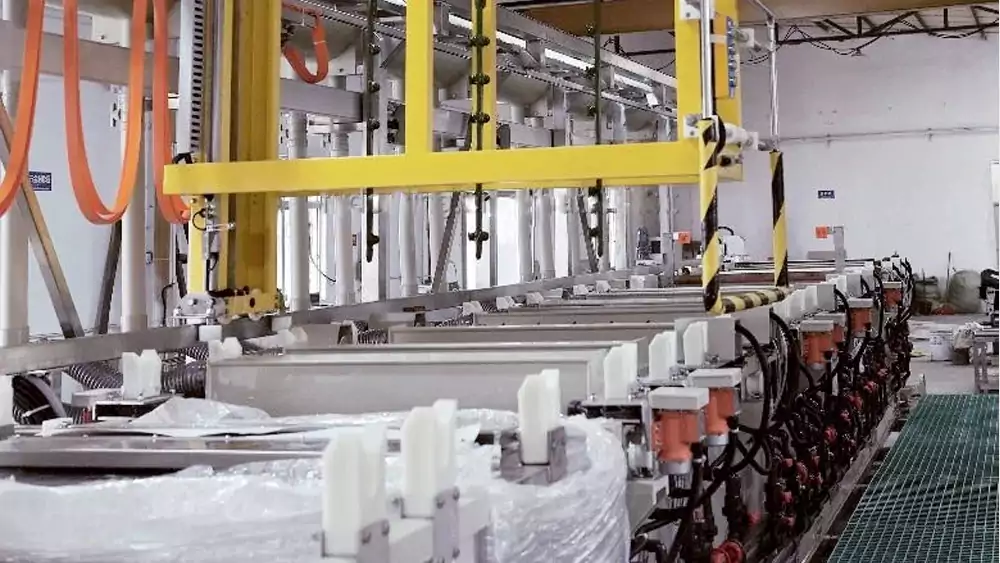
Method Comparison
| Method | Substrate Damage Risk | Dimensional Control | Surface Roughness Impact | Typical Use Case | Cost Level |
|---|---|---|---|---|---|
| Reverse electroplating | Low (controlled) | High | Minimal | Precision shafts | Medium |
| Chemical stripping | Medium | Medium | Possible pitting | General repair | Medium |
| Mechanical grinding | High | High (manual control) | Surface change | Thick chrome | Low |
| CNC re-machining | Medium | Very high | Controlled | Oversize rebuild | Medium |
| Abrasive blasting | High | Low | Rough finish | Non-precision | Low |
Engineering Risks
Hydrogen embrittlement is my main concern. Electrolytic stripping introduces hydrogen into steel. High-strength steel requires post-bake treatment.
Over-etching is another issue. Chemical baths can attack base metal if timing is poor.
Residual stress release can distort long shafts. I always check runout after stripping.
Case Study: Precision Hydraulic Rod Rebuild
I handled a 60 mm diameter hydraulic rod used in industrial automation.
Material: 42CrMo4
Original chrome thickness: 180 µm
Length: 780 mm
Tolerance before stripping: Ø60 h6
Runout requirement: ≤0.02 mm
| Parameter | Before Stripping | After Controlled Electrolytic Stripping |
|---|---|---|
| Diameter | 60.180 mm | 60.002 mm |
| Runout | 0.015 mm | 0.018 mm |
| Surface roughness | Ra 0.4 µm | Ra 0.6 µm |
| Hydrogen bake | Not applied | 200°C × 4 hours |
| Scrap rate | — | 0% |
We removed chrome using reverse electroplating3. We applied a 200°C bake for 4 hours to reduce hydrogen risk. We verified geometry with CMM inspection. The rod was later re-plated to 200 µm and ground back to h6 tolerance.
This job confirmed that process control prevents damage.
What Happens to Tolerance and Surface After Chrome Removal?
Engineers worry about dimensional loss. That concern is valid.
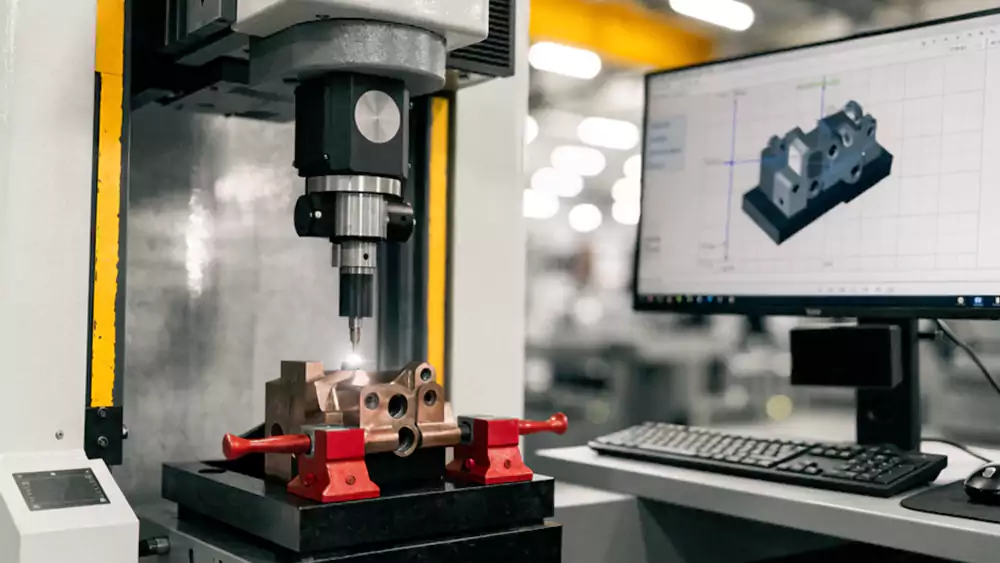
Chrome thickness is not equal to base metal loss. Controlled stripping can remove chrome while preserving the substrate within ±0.01–0.02 mm for precision parts.
Material Loss Reality
If stripping is controlled, only chrome dissolves4. Base metal loss should be minimal. Poor control causes pitting.
Surface Roughness Change
Chrome often has Ra 0.2–0.4 µm after grinding. After stripping, roughness may increase slightly. Re-machining or polishing may be needed.
Heat Treatment Sensitivity
Hardened tool steels react differently from mild steel. I always review heat treatment condition before starting.
Inspection Strategy
I use:
- CMM for diameter and runout
- Surface roughness tester
- Magnetic crack inspection if needed
For ±0.01 mm components, inspection is not optional. It is mandatory.
How Do Cost, Compliance, and Alternatives Influence the Final Decision?
Cost is more than labor. Compliance is more than paperwork.
Chrome removal cost includes chemical handling, environmental treatment, inspection, and potential re-plating. In the EU, hexavalent chromium regulations add strict documentation and disposal requirements.

Cost Factors
- Electrolytic setup time
- Waste treatment
- Inspection hours
- Re-plating and grinding
- Batch size
Small batches increase per-part cost.
EU Compliance
Hexavalent chromium is heavily restricted. Waste disposal must meet environmental standards. Audit documentation must be complete.
Alternatives to Stripping
Sometimes I recommend:
- Thermal spray rebuild
- Sleeve installation
- Hard turning instead of re-plating
- Switching to non-chrome coatings
I always return to the same question. Does the chrome truly need to come off? If the answer is uncertain, I analyze alternatives first.
Conclusion
Chrome removal is not routine work. It is a controlled engineering process. When managed correctly, it restores parts safely. When rushed, it creates hidden damage.
-
Explore this link to understand the risks of hydrogen embrittlement in high-strength steels and how to prevent costly damage during plating removal. ↩
-
Explore this link to understand the importance of REACH compliance for environmental safety and regulatory adherence in EU manufacturing. ↩
-
Explore this link to understand how reverse electroplating offers controlled substrate damage and high dimensional accuracy for precision shaft applications. ↩
-
Explore this link to understand how controlling stripping affects chrome dissolves and minimizes base metal loss, ensuring better material integrity. ↩
