Lightweight metals can cut weight, but picking the wrong one can raise cost, slow machining, and risk part failure. I have seen many projects fail at this step.
Lightweight metals are low-density metals like aluminum, titanium, magnesium, and advanced alloys that reduce weight while maintaining strength, machinability, and durability in CNC machined parts.
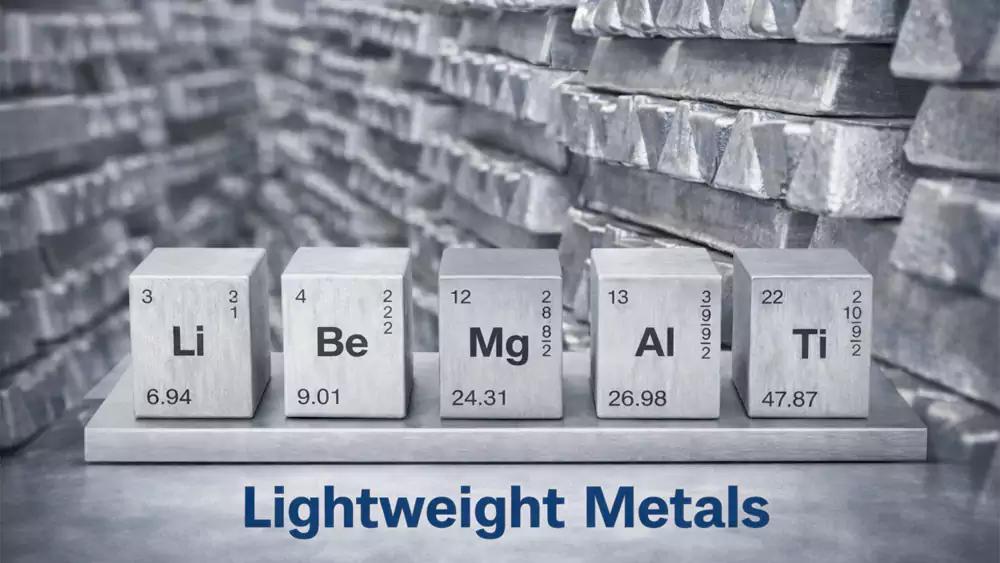
I will break this down step by step. I will show what matters in real machining work, not just theory. This will help you choose faster and with less risk.
What Are Lightweight Metals?
Many engineers focus only on weight. That often leads to poor material choices and higher machining costs.
Lightweight metals are materials with low density and sufficient strength that allow engineers to reduce part weight without sacrificing performance, manufacturability, or durability.
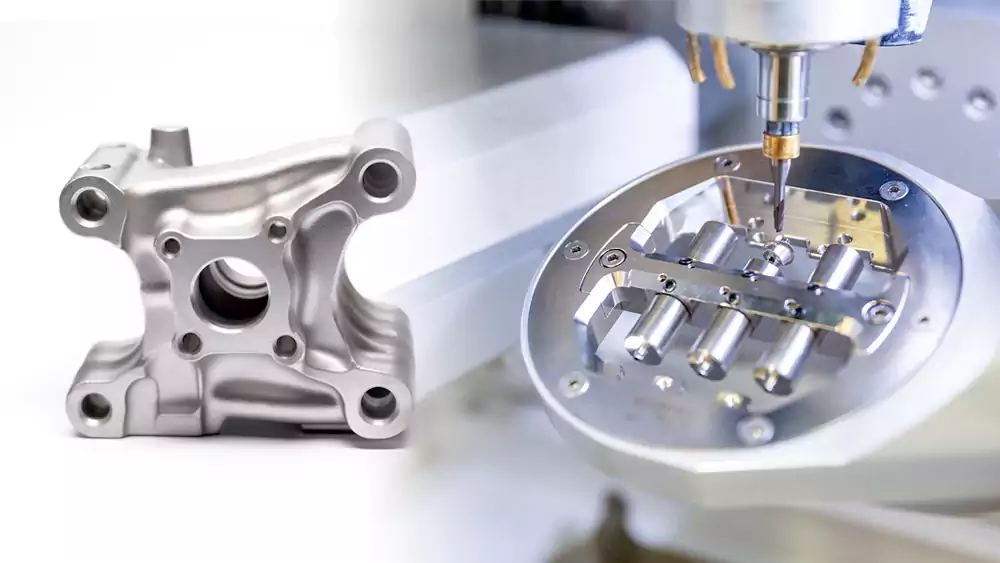
What “lightweight” really means in machining
In my shop, I never look at density alone. I always check these together:
- Density (weight)
- Strength-to-weight ratio1
- Machinability
- Cost per part
- Surface finish quality
A metal can be light but still a bad choice. Magnesium is a good example. It is very light, but it needs strict control and coating.
Why engineers care about lightweight metals
From my experience in industrial automation:
- Lower weight improves energy efficiency
- Moving parts respond faster
- Shipping cost drops
- System wear is reduced
Typical lightweight metals used in CNC
Here are the materials I use most:
- Aluminum (6061, 7075)
- Titanium (Grade 2, Grade 5)
- Magnesium alloys
- Zinc
- Aluminum-lithium alloys
- Scandium aluminum alloys
- Beryllium (rare use)
Each one behaves very differently during machining. That is where real decisions happen.
Types of Lightweight Metals and Their Key Properties?
You may know these materials by name. But the real challenge is how they perform in machining and real parts.
Lightweight metals differ in density, strength-to-weight ratio, corrosion resistance, and machinability, which directly affects CNC cost, lead time, and part performance.
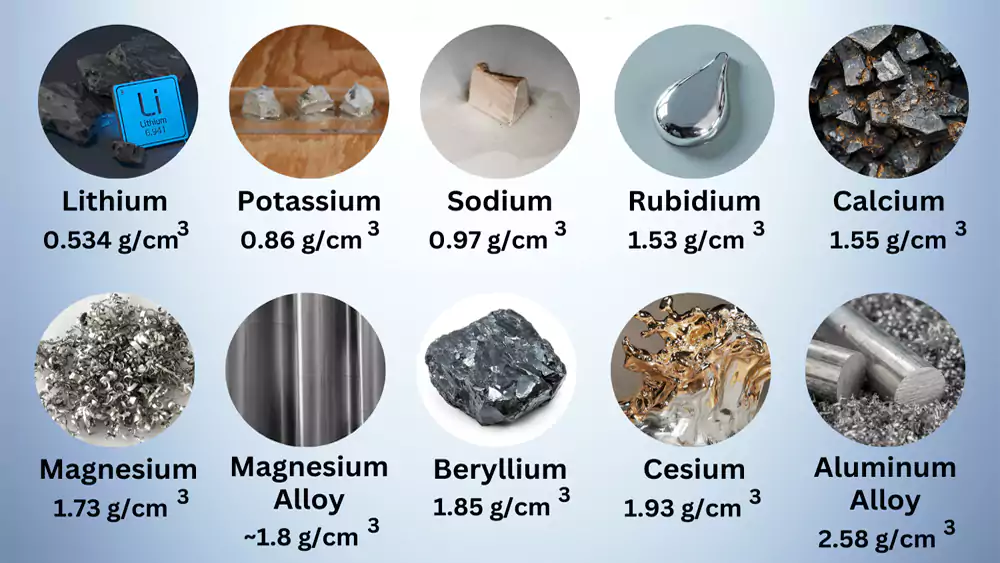
Key material breakdown
| Material | Density | Strength-to-Weight | Corrosion Resistance | Machinability |
|---|---|---|---|---|
| Aluminum | Low | Good | Good | Excellent |
| Titanium | Medium | Excellent | Excellent | Poor |
| Magnesium | Very Low | Moderate | Poor | Good (controlled) |
| Zinc | Moderate | Low | Good | Excellent |
| Beryllium | Very Low | High | Good | Difficult |
| Lithium Alloys | Very Low | Moderate | Poor | Limited |
| Scandium Alloys | Low | Very High | Good | Good |
| Al-Li Alloys | Very Low | High | Good | Moderate |
What I see in real machining
- Aluminum is the most stable and cost-effective
- Titanium causes heavy tool wear and heat issues
- Magnesium cuts fast but needs safety control
- Zinc works well for casting2, less for structural parts
- Scandium alloys offer high performance but high cost
Machinability matters more than expected
In real projects:
- Titanium can double machining cost
- Tool life can drop sharply
- Cycle time3 can increase 2–3 times
This directly impacts your quote and delivery schedule.
Lightweight Metals Comparison: Strength, Weight, Cost & Machinability?
Choosing the wrong material can increase cost without adding value. Many designs are over-engineered.
Aluminum offers the best balance of cost, weight, and machinability, titanium provides maximum strength, and magnesium delivers the lowest weight but requires careful handling and coating.
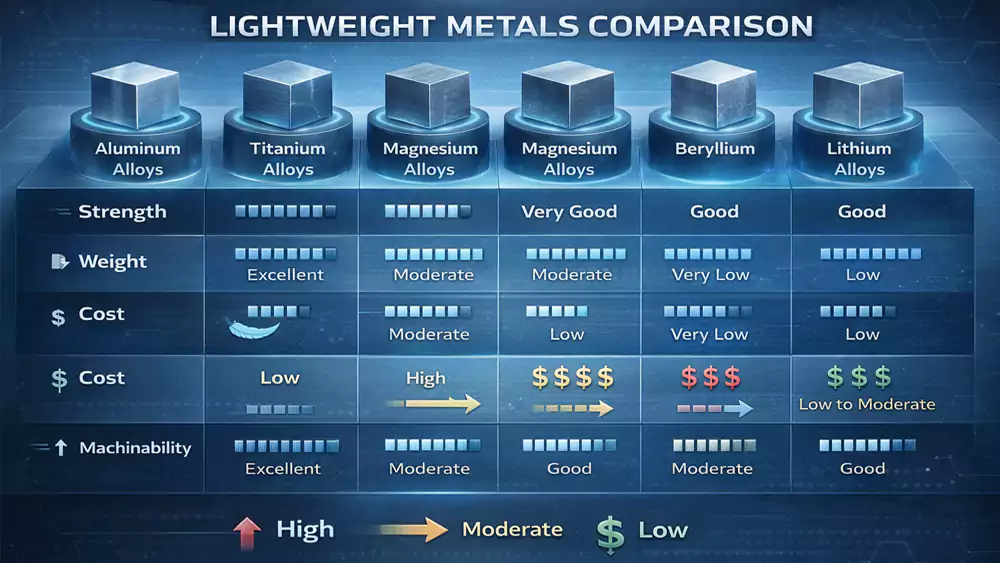
Practical comparison for decision making
| Material | Weight | Strength | Cost | Machinability | Best Use |
|---|---|---|---|---|---|
| 6061 Aluminum | Low | Medium | Low | Excellent | General parts |
| 7075 Aluminum4 | Low | High | Medium | Good | Structural parts |
| Titanium (Ti-6Al-4V5) | Medium | Very High | High | Poor | Aerospace, medical |
| Magnesium AZ31 | Very Low | Medium | Medium | Good | Lightweight housings |
| Zinc | Medium | Low | Low | Excellent | Die cast parts |
| Al-Li Alloy | Very Low | High | Very High | Moderate | Aerospace |
Case Study: Real CNC Project
I worked on a robotics housing project. The first design used titanium, but it was not practical.
| Parameter | Titanium Design | Final Aluminum Design |
|---|---|---|
| Material | Ti-6Al-4V | 7075 Aluminum |
| Weight | 1.8 kg | 1.2 kg |
| CNC Time | 220 min | 75 min |
| Tool Wear | High | Low |
| Cost per part | $180 | $65 |
| Surface Finish | Acceptable | Excellent |
What changed
- Cost dropped by over 60%
- Machining time reduced by 65%
- Strength still met requirements
This is why material selection must match real use, not just specs.
Applications of Lightweight Metals in Modern Manufacturing?
Different industries use lightweight metals for different reasons. Blindly copying material choices often leads to problems.
Lightweight metals are widely used in aerospace, automotive, medical, robotics, and electronics to reduce weight, improve efficiency, and enhance performance.
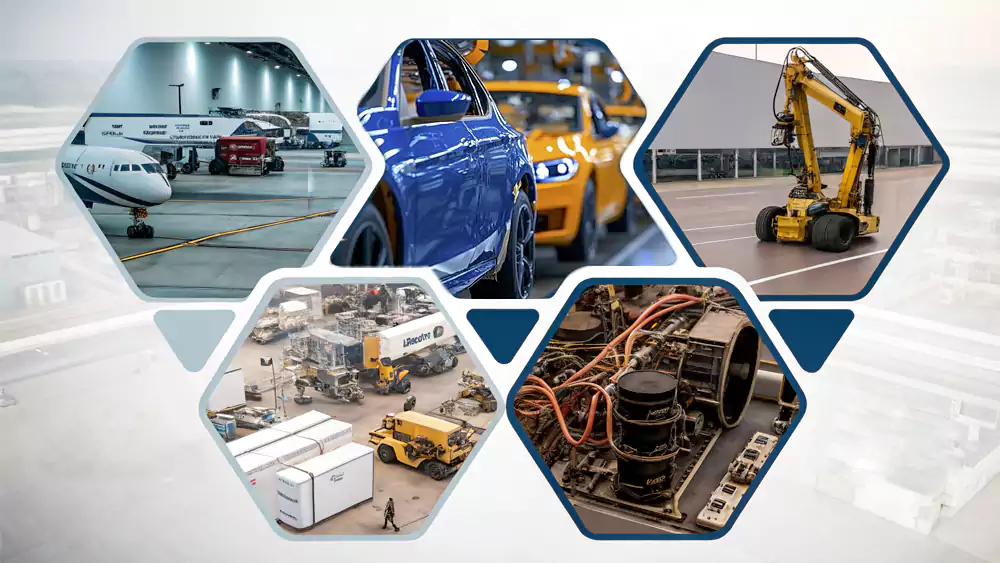
Aerospace
- Focus on fuel efficiency and strength
- Materials: titanium, Al-Li alloys
Common CNC machined parts:
- Structural brackets
- Aircraft seat frames
- Wing ribs and supports
- Engine housings
- Landing gear components
Automotive (EV)
- Focus on range and efficiency
- Materials: aluminum, magnesium
Common CNC machined parts:
- Battery housings
- Motor mounts
- Suspension arms
- Transmission cases
- Lightweight chassis components
Medical Devices
- Focus on safety and corrosion resistance
- Materials: titanium, aluminum
Common CNC machined parts:
- Surgical instrument handles
- Implant components
- Device housings
- Precision brackets
- Imaging equipment frames
Robotics & Automation
- Focus on speed and precision
- Materials: aluminum, 7075
Common CNC machined parts:
- Robot arm joints
- End effector housings
- Mounting plates
- Linear motion components
- Gearbox housings
Consumer Electronics
- Focus on lightweight design
- Materials: aluminum, magnesium
Common CNC machined parts:
- Laptop enclosures
- Smartphone frames
- Heat sinks
- Camera housings
- Structural internal brackets
How to Choose the Right Lightweight Metal for Custom Parts?
Many engineers over-spec materials. This increases cost without real benefit.
The right lightweight metal depends on load, environment, budget, machining efficiency, and production volume—not just strength or density.
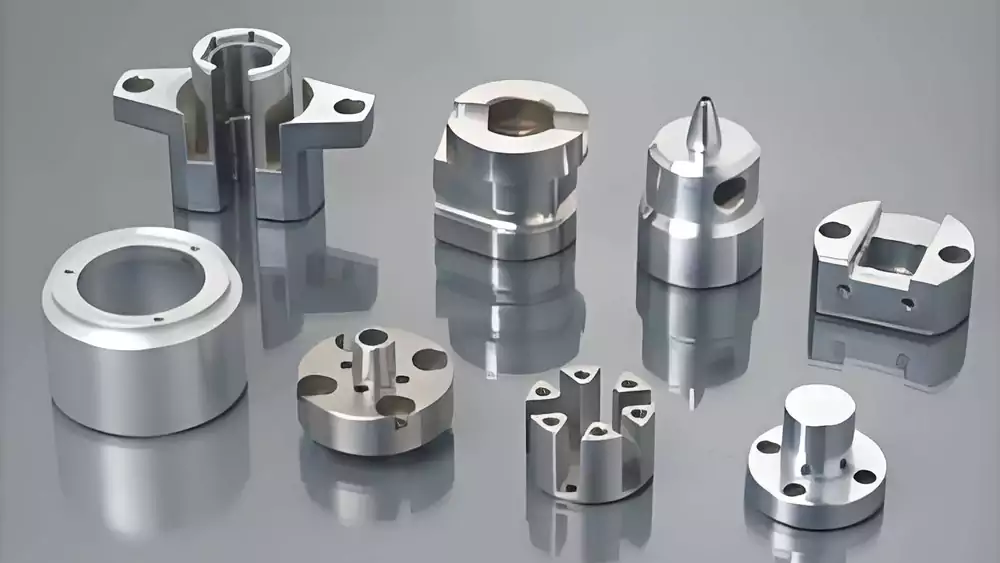
Now I will break down how I make decisions in real projects. This is the same logic I use when reviewing customer drawings.
Key decision factors
1. Load and strength
- Low stress → 6061 aluminum
- High stress → 7075 or titanium
2. Weight target
- Moderate reduction → aluminum
- Extreme reduction → magnesium
3. Environment
- Corrosion → aluminum or titanium
- High heat → titanium
4. Budget
- Tight budget → aluminum
- High budget → titanium or Al-Li
5. CNC machining suitability
From my experience:
- Aluminum is fast and stable
- Titanium is slow and expensive
- Magnesium is fast but requires control
6. Production volume
- Prototype → aluminum
- Mass production → aluminum or zinc
Conclusion
Choosing lightweight metals is a balance between weight, strength, machining cost, and real application needs. The right decision improves performance, reduces cost, and ensures stable production.
-
Explore this to understand how strength-to-weight ratio impacts material selection for efficient and durable lightweight machining. ↩
-
Explore this link to understand why zinc is preferred for casting and its limitations in structural applications, aiding better material choice. ↩
-
Understanding factors affecting cycle time helps optimize machining efficiency and reduce production delays. ↩
-
Explore why 7075 Aluminum offers a great balance of strength, machinability, and cost for structural parts in CNC projects. ↩
-
Explore this link to understand why Ti-6Al-4V is chosen for aerospace and medical uses despite its high cost and machining challenges. ↩
