I often see great machined parts fail early due to corrosion or wear. That wastes time and money. Many buyers still treat surface finishing as an afterthought.
Electroplating is a manufacturing process that uses electrical current to deposit a thin metal layer onto a CNC part, improving corrosion resistance, wear life, conductivity, and surface appearance.
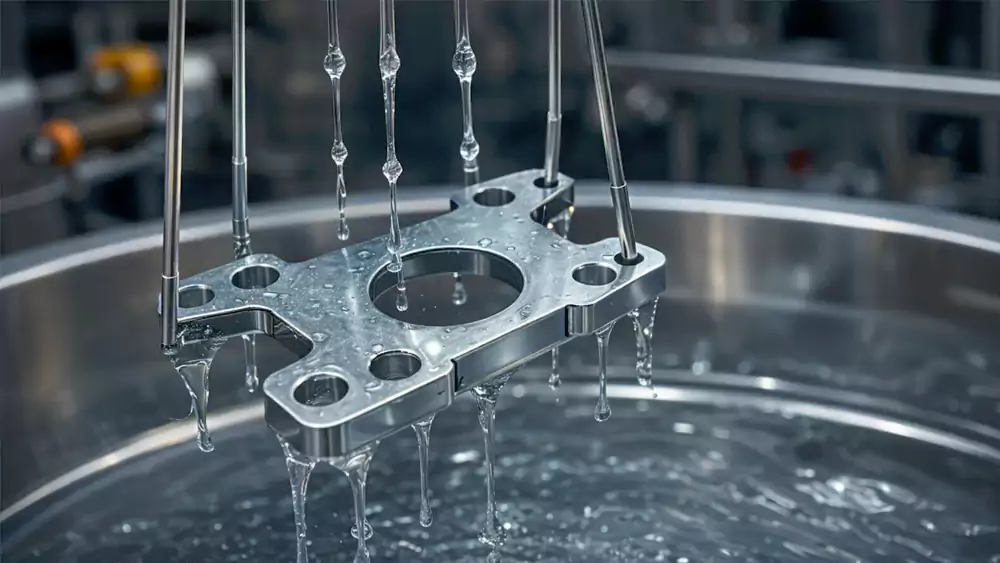
If you already understand how parts are made through CNC machining processes and workflows, the next step is making sure those parts actually survive real-world use.
What Is Electroplating & Why It Matters?
I used to focus only on machining precision. Then I saw parts fail in real environments. That changed how I think about finishing.
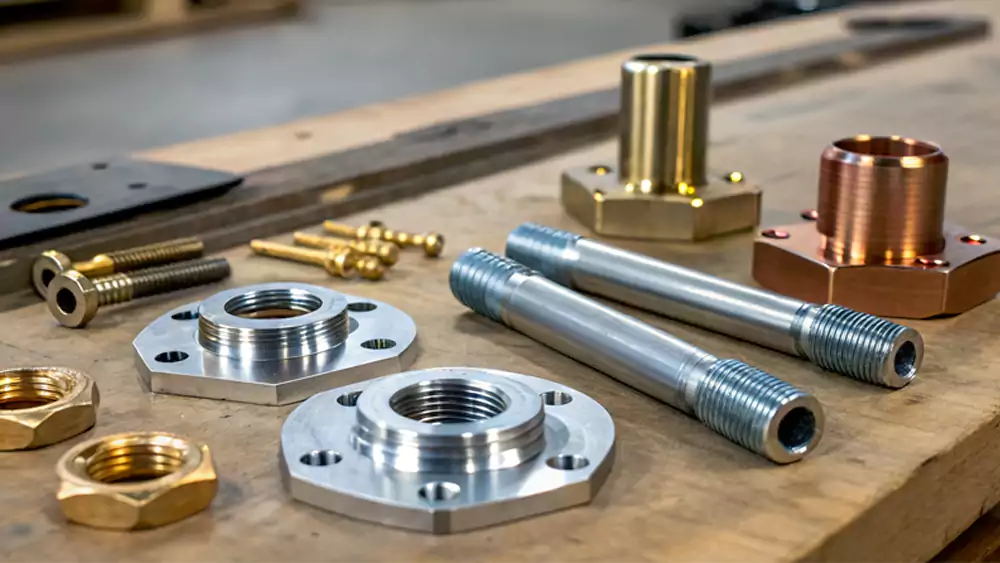
Electroplating adds a functional metal coating that protects CNC parts from corrosion, reduces wear, improves conductivity, and enhances surface appearance in demanding environments.
What it means in simple terms
Electroplating gives your part a protective outer layer. This layer is engineered for function, not just looks.
Why industries rely on it
In automotive, aerospace, and marine use, parts face moisture, heat, and stress. Bare metal fails fast. Electroplating extends service life.
Core benefits
| Function | What it does | Typical industries |
|---|---|---|
| Corrosion resistance1 | Stops rust and oxidation | Marine, automotive |
| Wear resistance2 | Reduces friction and damage | Industrial equipment |
| Conductivity | Improves electrical performance | Electronics |
| Appearance | Adds uniform and clean finish | Consumer products |
If you ignore this step, you risk failure in the field. That cost is always higher than the plating itself.
How Electroplating Works (Process & Key Steps)?
Many buyers trust suppliers without understanding the process. That creates risk when quality matters.
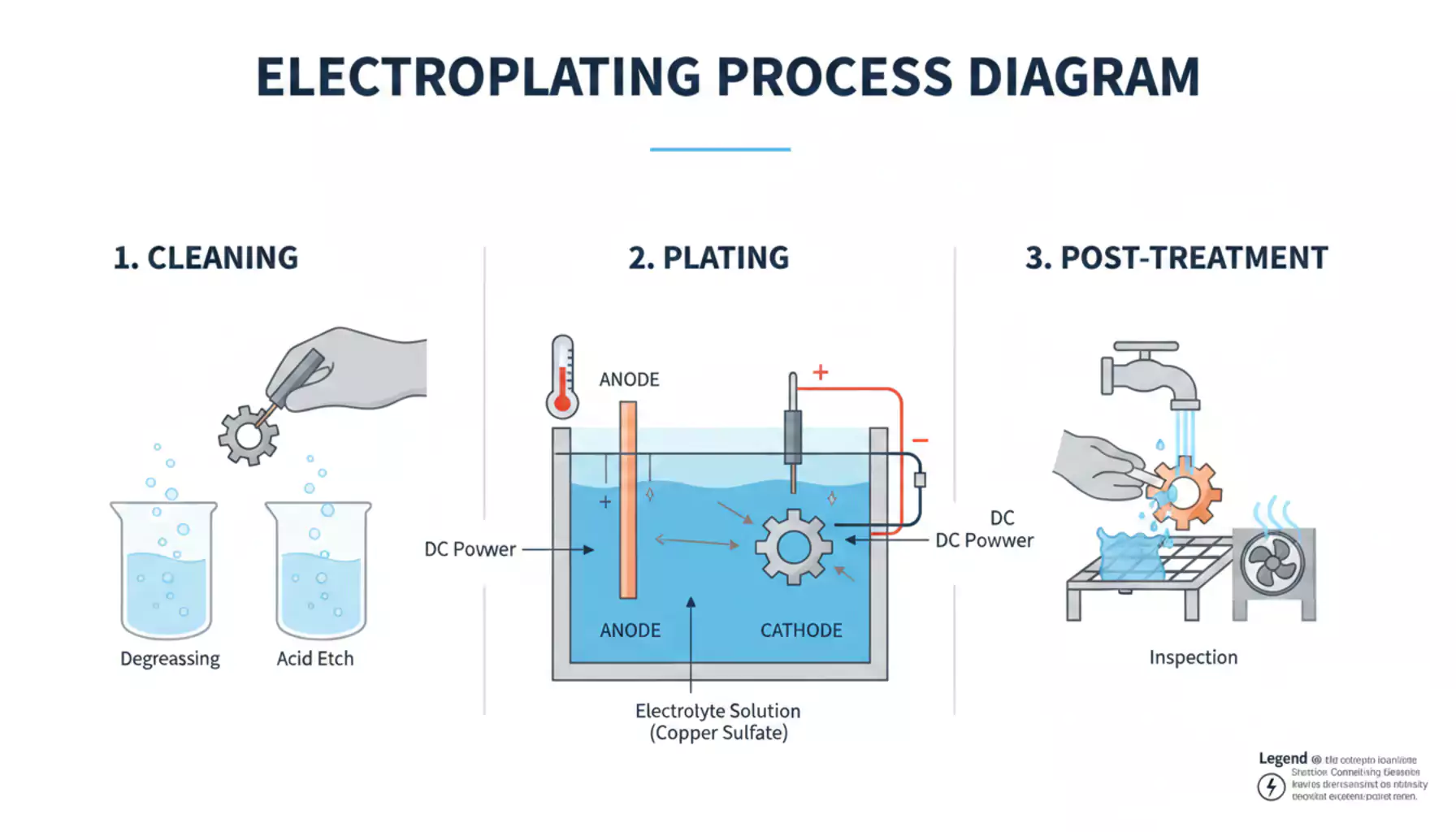
Electroplating works by passing electric current through a chemical solution, causing metal ions to bond to the part surface and form a controlled, uniform coating layer.
Simplified process flow
- Cleaning3
- Surface activation
- Electroplating bath
- Rinsing
- Post-treatment
Why cleaning is critical
If oil or residue remains, the coating will not bond. I have seen coatings peel within weeks due to poor prep.
Thickness control4
Thickness is measured in microns. It directly affects durability and cost.
| Parameter | Typical Range | Impact |
|---|---|---|
| Thickness | 5–50 µm | Durability vs cost |
| Current density | 1–10 A/dm² | Coating uniformity |
| Time | Minutes to hours | Direct thickness control |
Case Study: Zinc Plating Failure vs Optimized Process
I worked on steel brackets used outdoors. The first batch failed fast.
| Parameter | Failed Batch | Optimized Batch |
|---|---|---|
| Cleaning method | Basic solvent wipe | Ultrasonic cleaning |
| Plating thickness | 5 µm | 12 µm |
| Salt spray test | 48 hours | 240 hours |
| Failure rate | 18% | <1% |
| Cost increase | — | +8% |
The improvement was simple but powerful. A small cost increase prevented major field failures.
Types of Electroplating & Industry Applications?
Not all plating types deliver the same results. Choosing the wrong one leads to wasted cost or early failure.
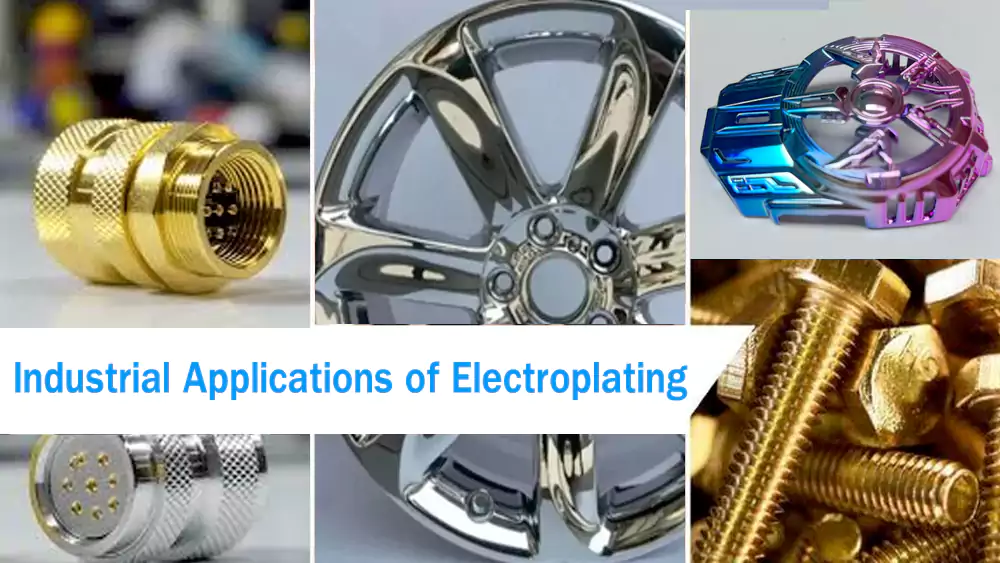
Electroplating types vary by metal used, such as zinc, nickel, chrome, gold, or silver, each designed for specific functions like corrosion protection, wear resistance, or electrical conductivity.
Common plating types
| Type | Key Benefit | Typical Use Case |
|---|---|---|
| Zinc | Corrosion protection | Automotive fasteners |
| Nickel | Wear + corrosion | Mechanical components |
| Chrome | Hardness + appearance | Shafts, decorative parts |
| Gold | Conductivity | Electronics connectors |
| Silver | High conductivity | Electrical contacts |
Industry applications
- Automotive: brackets, fasteners, engine parts
- Aerospace: precision and high-reliability components
- Marine hardware: corrosion-resistant fittings
- Consumer electronics: connectors and housings
My practical view
I usually recommend zinc for cost-sensitive parts. Nickel works better for wear. Gold is only for critical electrical performance5.
If you choose the wrong coating, you either overspend or underperform. Both are avoidable.
Materials, Pros & Cons of Electroplating?
Many engineers assume all metals are easy to plate. That is not true in real production.
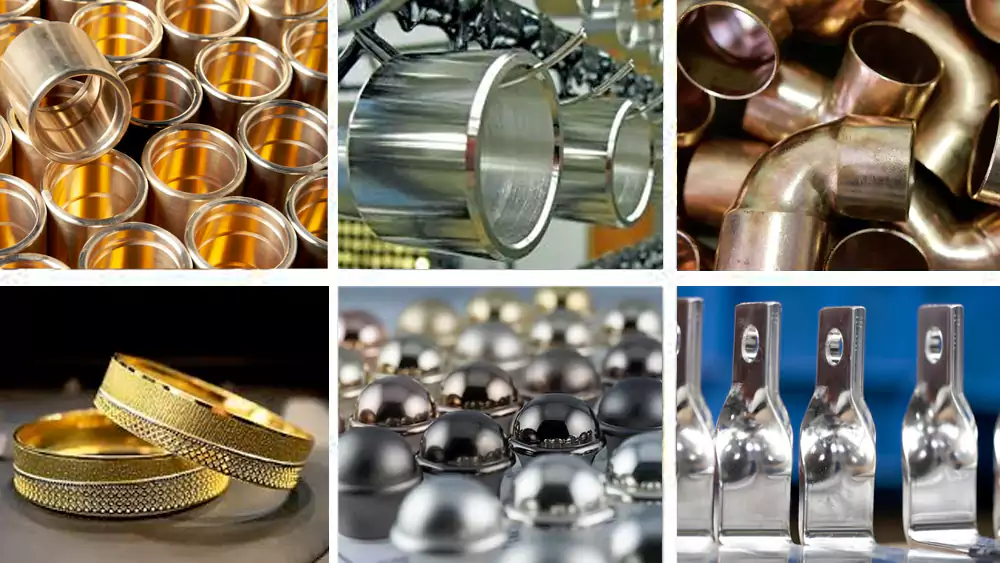
Electroplating works best on conductive metals like steel and copper, while materials like aluminum require special pre-treatment to ensure proper coating adhesion and performance.
Compatible materials
- Steel (easy and common)
- Copper (excellent adhesion)
- Brass (stable base)
- Stainless steel (needs activation)
- Aluminum (complex process)
Aluminum challenges
Aluminum forms oxide instantly. This blocks adhesion. A zincate process6 is required before plating.
Pros vs cons
| Pros | Cons |
|---|---|
| Cost-effective upgrade | Environmental concerns |
| Improved durability | Process sensitivity |
| Scalable for production | Risk of adhesion failure |
My experience
I never use plating to hide machining marks. That approach fails. I use it to improve performance and lifespan. In many real projects, I combine plating with other surface finishing options for CNC machined parts to get both protection and appearance.
How to Choose Electroplating for Your CNC Parts?
Most buyers focus on price per part. That is the wrong metric in many cases.
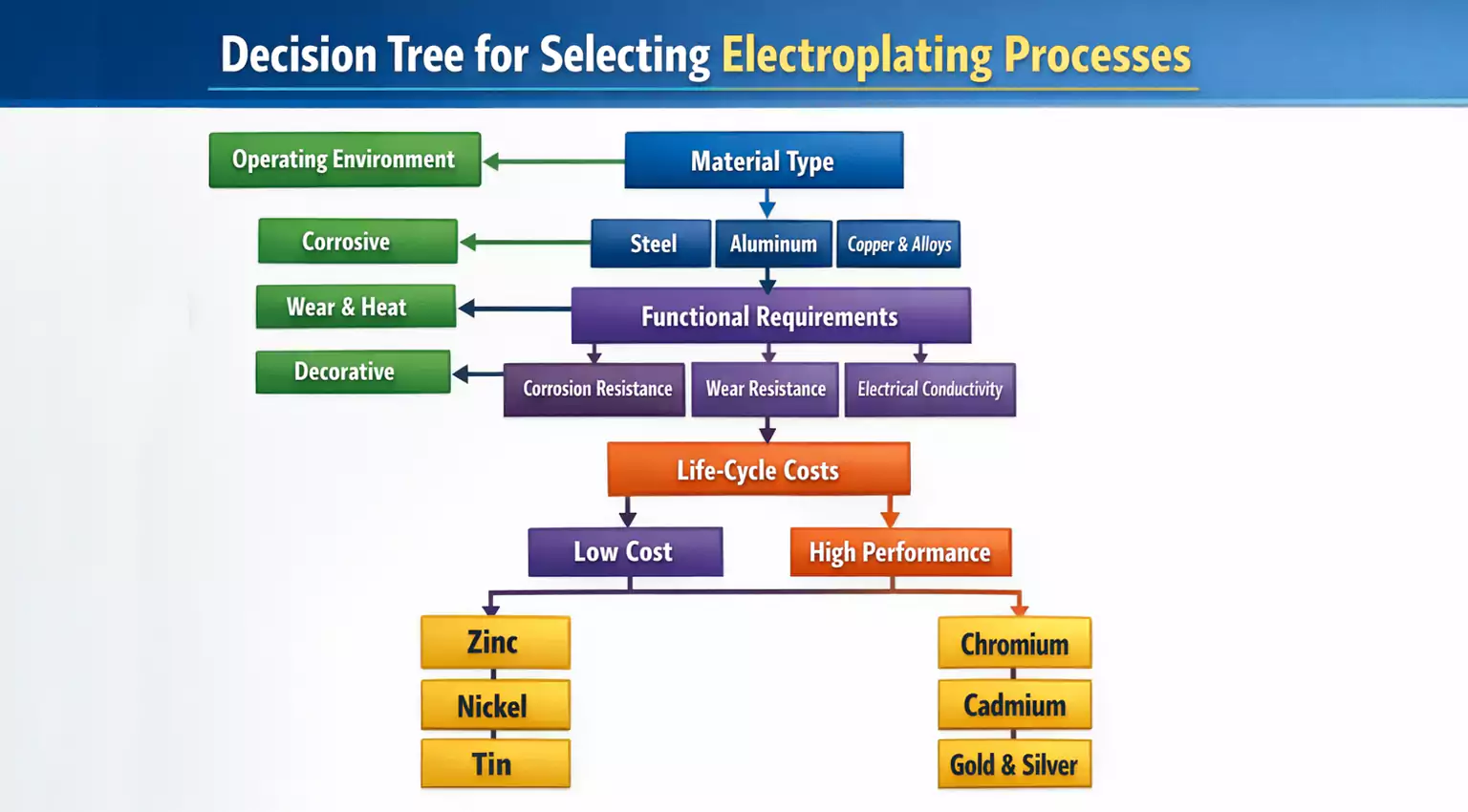
You should choose electroplating based on environment, material type, functional requirements, and lifecycle cost rather than just initial manufacturing price.
When you must use electroplating
- Outdoor or humid environments
- Moving parts with friction
- Electrical conductivity needs
Comparison with alternatives
| Process | Best for | Limitation |
|---|---|---|
| Electroplating | Functional coatings | Environmental concerns |
| Anodizing | Aluminum protection | Limited to aluminum |
| Painting | Low-cost appearance | Low durability |
| Polishing | Smooth finish | No protection |
Selection strategy
| Factor | Recommendation |
|---|---|
| Budget | Zinc plating for cost efficiency |
| Performance | Nickel or chrome |
| Electronics | Gold or silver |
| Material | Verify compatibility first |
Cost factors
- Batch size
- Coating thickness
- Material type
- Process complexity
If you optimize only for price, you risk failure. If you optimize for performance, you control long-term cost.
FAQs
What metals cannot be electroplated?
Non-conductive materials like plastics cannot be directly electroplated unless they go through special conductive coating processes. Some reactive metals also require complex pre-treatment.
Does electroplating wear off over time?
Yes, electroplating can wear over time depending on thickness, environment, and usage. Thicker coatings and proper material selection can significantly extend lifespan.
Is electroplating environmentally friendly?
Electroplating involves chemicals that require proper waste treatment. Modern facilities follow strict regulations to reduce environmental impact and ensure safe processing.
Is electroplating better than anodizing?
It depends on the material and application. Anodizing works best for aluminum, while electroplating offers broader material compatibility and more functional coating options.
How thick should electroplating be for CNC parts?
Typical thickness ranges from 5 to 50 microns. The right value depends on corrosion requirements, wear conditions, and cost targets.
Conclusion
Electroplating is not just a finishing step. It is a critical decision that defines how your CNC parts perform in the real world. When you match the right coating with the right material and application, you reduce failure risk, improve durability, and control long-term costs.
-
Explore this link to understand how corrosion resistance protects parts from rust and oxidation, crucial for marine and automotive industries. ↩
-
Learn why wear resistance is vital for reducing friction and damage, extending the life of industrial machinery and parts. ↩
-
Explore why thorough cleaning is essential to ensure coating adhesion and prevent peeling in electroplating. ↩
-
Learn how controlling plating thickness balances durability and cost for optimal electroplating performance. ↩
-
Learn how to choose the right plating to ensure optimal electrical performance and reliability in electronic components. ↩
-
Explore this link to understand the essential zincate process that enables effective plating on aluminum by preventing oxide formation. ↩
