Bad suspension design destroys handling, reduces safety, and shortens vehicle life. I have seen small machining errors create major vibration and alignment problems during real road testing.
A car suspension system controls vehicle stability, steering accuracy, ride comfort, and wheel movement. Modern suspension systems rely on precision CNC-machined components, durable materials, and strict manufacturing tolerances to maintain performance, safety, and long-term reliability under continuous road stress.
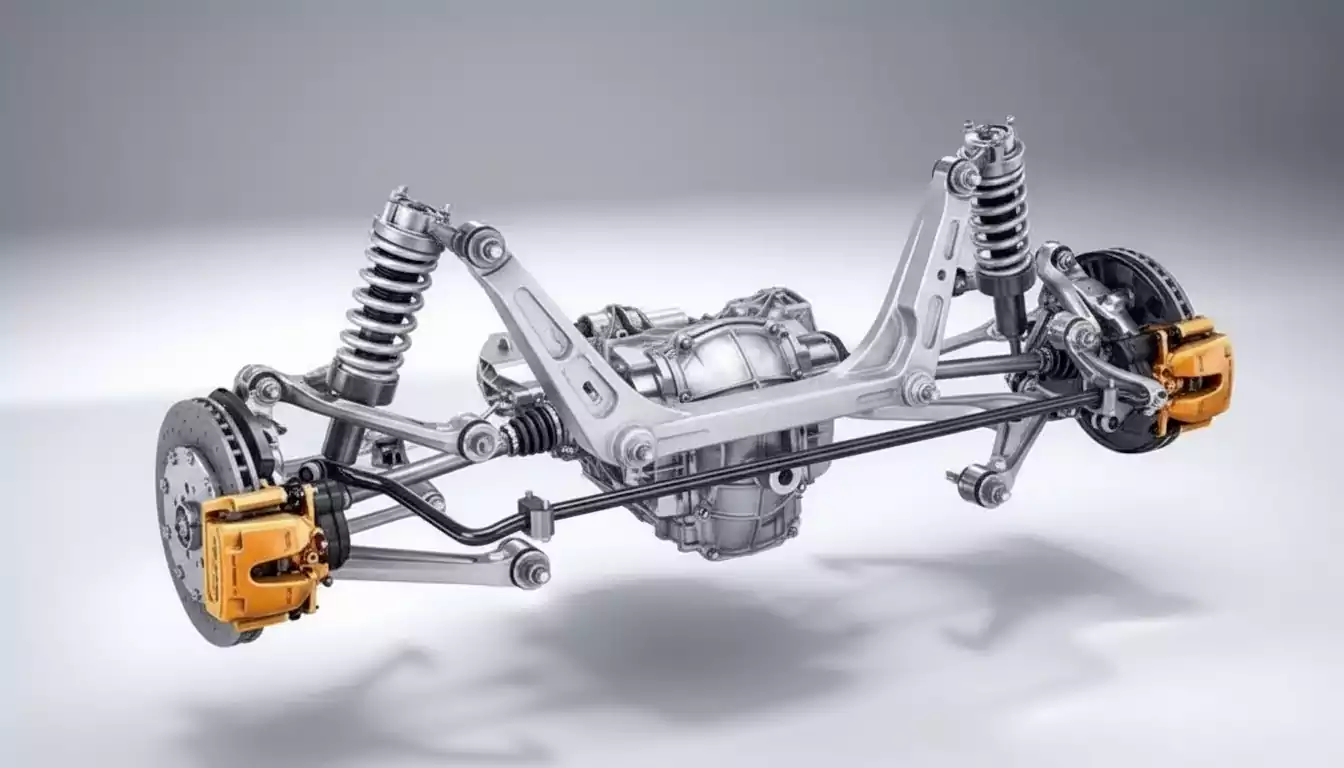
I have worked with engineers who spent months improving suspension geometry, only to lose performance because a supplier could not hold proper tolerances during machining. Suspension parts work under constant load, vibration, heat, and impact. A small dimensional error can change steering response, tire wear, and long-term durability. This is why I always focus on both manufacturability and real-world performance during production. I do not only machine parts. I help make sure every design performs exactly as intended after thousands of miles on the road.
What Is a Car Suspension System and Why Is It Critical for Vehicle Performance?
Poor suspension systems create unstable handling, excessive tire wear, and unsafe driving conditions. I have seen vehicles lose performance because basic suspension geometry was not maintained correctly.
A car suspension system connects the vehicle body to the wheels while controlling shock absorption, wheel alignment, and road contact. It improves handling stability, ride comfort, braking performance, steering response, and overall vehicle safety across different driving conditions.
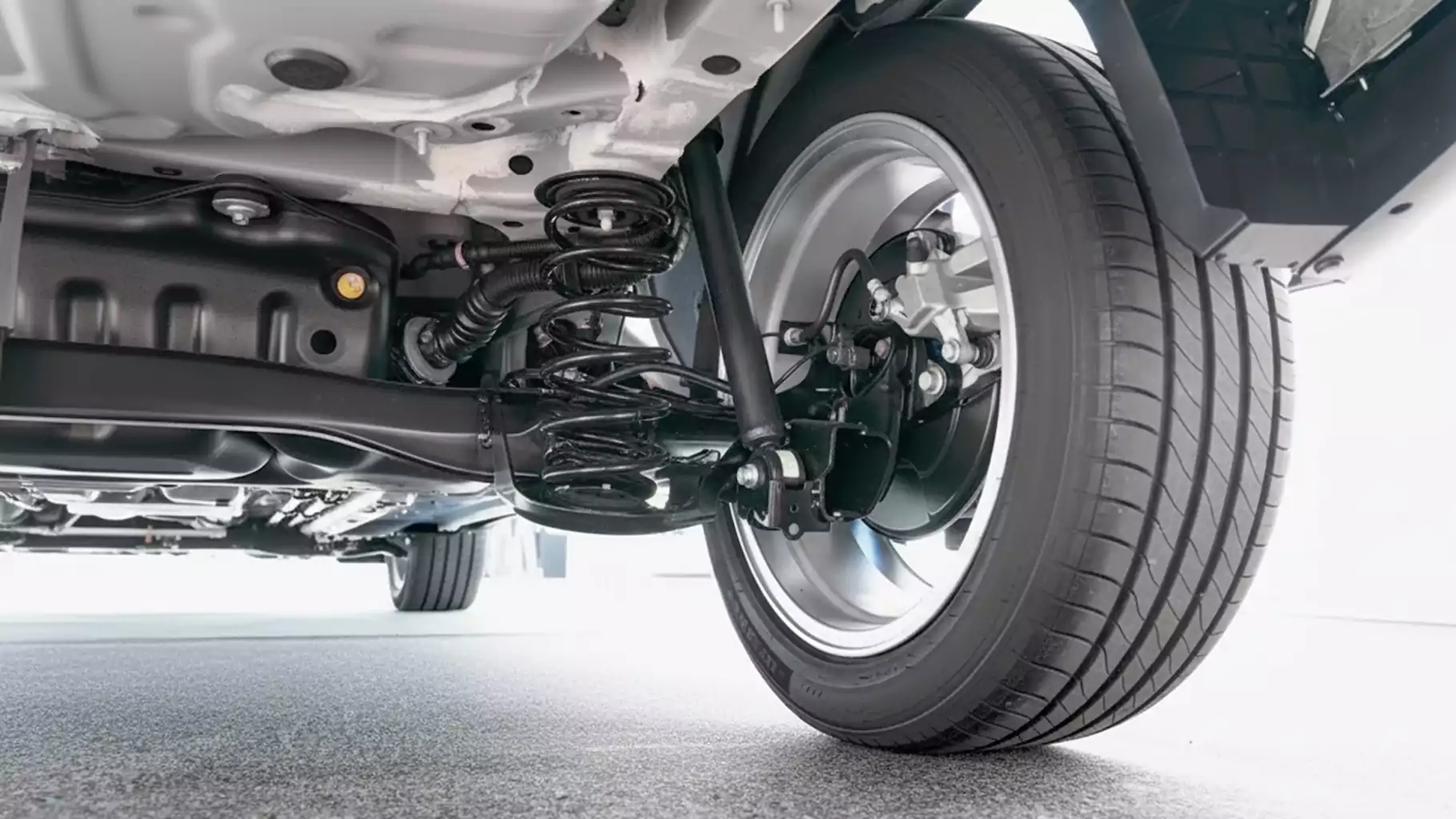
The suspension system works as the foundation of vehicle dynamics. Every braking movement, cornering force, and road impact passes through the suspension assembly. I always explain to customers that suspension systems are not only about comfort. They directly affect safety, steering accuracy, and mechanical reliability.1
Main Functions of Suspension Systems
| Function | Purpose |
|---|---|
| Shock Absorption | Reduces impact from uneven roads |
| Wheel Alignment | Maintains tire contact with road |
| Load Support | Supports vehicle weight |
| Handling Control | Improves steering response |
| Stability | Reduces body roll and vibration |
I often see engineers focus heavily on geometry design but underestimate manufacturing consistency. Even small tolerance variations can affect suspension behavior.2 A control arm with incorrect bore alignment can create steering drift at high speed.
In one project, a customer tested two suspension prototypes with nearly identical CAD data. One assembly failed road vibration testing after 8,000 km because the mounting bore shifted by 0.04 mm during machining. The second version passed because we modified the fixture strategy and improved toolpath stability during CNC processing.
Why Precision Matters in Suspension Systems
Suspension systems operate under dynamic stress every second. These loads include:
- Vertical road impact
- Lateral cornering force
- Braking load transfer
- Continuous vibration cycles
- Thermal expansion
This is why I always combine DFM analysis with machining strategy before production begins. Good machining alone is not enough. The design must also survive real road conditions. Many automotive engineers looking for custom automotive parts manufacturing now focus heavily on fatigue resistance and dimensional consistency before approving suppliers for production.
What Are the Main Suspension System Types Used in Modern Vehicles?
Many vehicles suffer from poor ride quality because the wrong suspension design is used for the application. Different vehicle platforms need different suspension behavior and load distribution.
Modern vehicles commonly use MacPherson strut, double wishbone, multi-link, solid axle, and air suspension systems. Each suspension type balances handling performance, ride comfort, manufacturing complexity, strength, packaging space, and production cost differently.
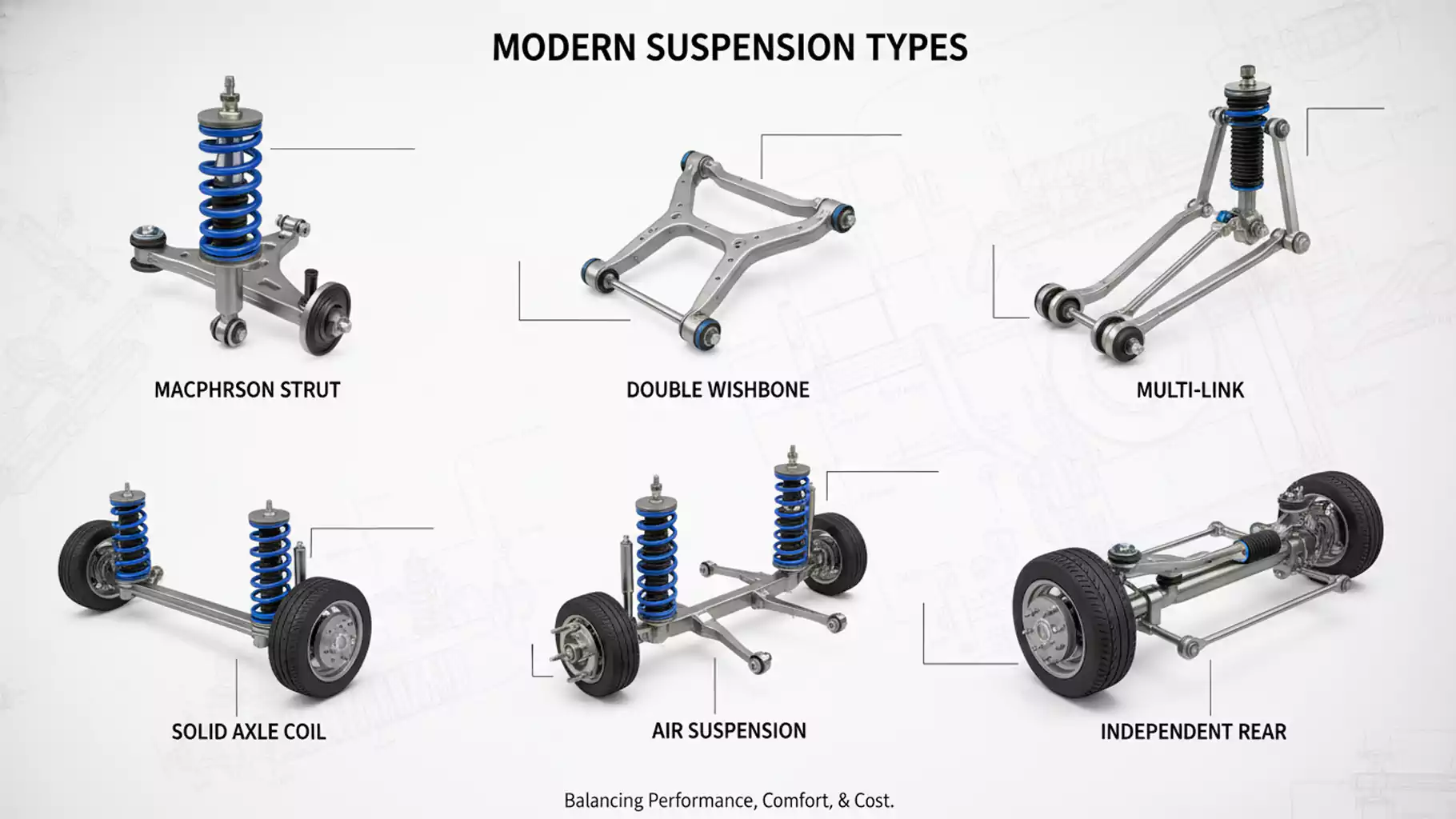
I often discuss suspension architecture with automotive engineers during prototype development. The suspension layout changes not only vehicle handling but also manufacturing cost, machining complexity, and assembly tolerance requirements.
Common Suspension Types
| Suspension Type | Main Advantage | Typical Application |
|---|---|---|
| MacPherson Strut | Low cost and compact design | Passenger cars |
| Double Wishbone | Better handling control | Sports cars |
| Multi-Link | Improved ride comfort | Luxury vehicles |
| Solid Axle | High strength | Trucks and off-road vehicles |
| Air Suspension | Adjustable ride height | Premium vehicles |
MacPherson Strut Suspension
This is one of the most common suspension systems. It uses fewer components and reduces production cost.3 Many OEM manufacturers prefer it because it saves space inside the engine bay.
Still, I often see limitations in high-performance applications because camber control is less precise during cornering.
Double Wishbone Suspension
I personally like double wishbone systems for performance vehicles. They provide better wheel control and more stable geometry under heavy load.
However, these systems require tighter machining tolerances. Suspension arms, knuckles, and mounting points must align very accurately.
Multi-Link Suspension
Multi-link systems offer excellent ride quality. They isolate vibration very well. Yet they also create more manufacturing complexity because multiple linkage points must work together precisely.
A small deviation in one mounting location can affect the entire suspension movement path.
Which Suspension Components Require Precision CNC Manufacturing?
Weak machining quality often causes suspension failure long before the design limit is reached. I have seen poor surface finish and inaccurate bores destroy expensive suspension assemblies.
Critical suspension components such as control arms, steering knuckles, shock mounts, wheel spacers, and suspension brackets require precision CNC machining to maintain strength, alignment accuracy, fatigue resistance, and long-term durability under dynamic vehicle loads.
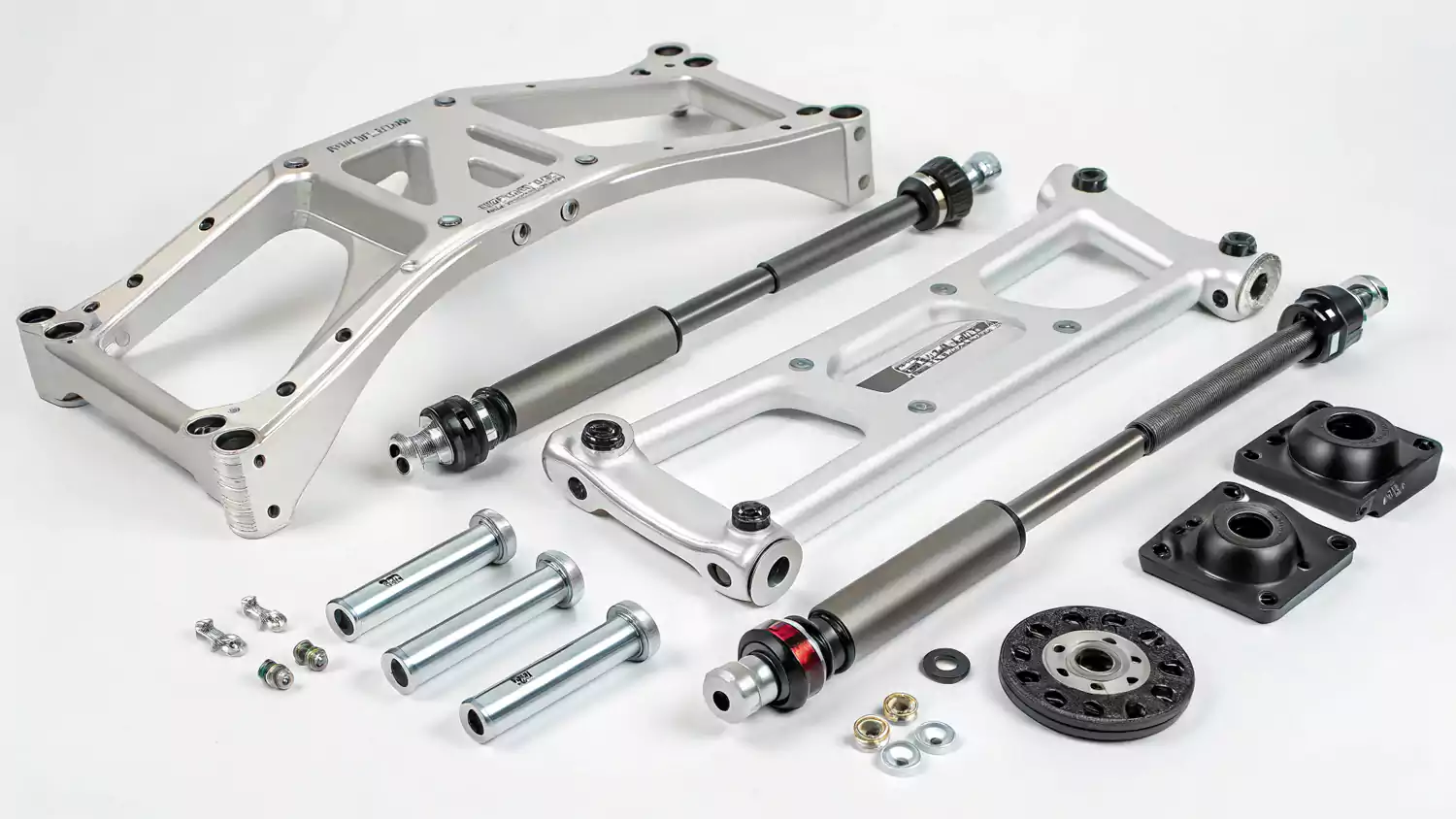
Suspension components face constant stress cycles. Because of this, I pay close attention to material stability, fixture rigidity, and machining consistency during production.
Key CNC Machined Suspension Parts
| Component | Manufacturing Focus |
|---|---|
| Control Arms | Structural strength |
| Steering Knuckles | Precision bore alignment |
| Shock Mounts | Fatigue resistance |
| Suspension Brackets | Dimensional consistency |
| Wheel Spacers | Flatness and concentricity |
| Linkage Rods | Thread precision |
Material Selection for Suspension Parts
| Material | Common Use |
|---|---|
| 6061-T6 Aluminum | Lightweight suspension arms |
| 7075 Aluminum | Racing suspension systems |
| 4140 Alloy Steel | Heavy-duty brackets |
| Stainless Steel | Corrosion resistance |
| Titanium | Motorsport applications |
I once worked on a racing suspension project where the customer wanted to reduce unsprung mass without sacrificing strength. We switched from standard steel to 7075 aluminum and optimized the pocket machining strategy. The final component weight dropped by 21%, while fatigue testing still passed the target cycle requirement.
Surface Treatment and Durability
Surface finishing also affects suspension reliability. I often recommend:
- Hard anodizing
- Zinc plating
- Powder coating
- Shot peening
- Heat treatment
These processes improve corrosion resistance and fatigue life under harsh driving conditions. Many of these processes are now standard for suppliers offering advanced CNC machining services for automotive applications and performance vehicle components.
How Are High-Performance Suspension Parts Manufactured and Tested?
Many suspension failures come from poor process control instead of bad design. I have seen strong CAD models fail because machining stress and inspection standards were ignored.
High-performance suspension parts are manufactured through CNC machining, heat treatment, precision inspection, and fatigue testing. Manufacturers validate dimensional accuracy, structural strength, surface quality, and long-term durability before components enter production or road testing.
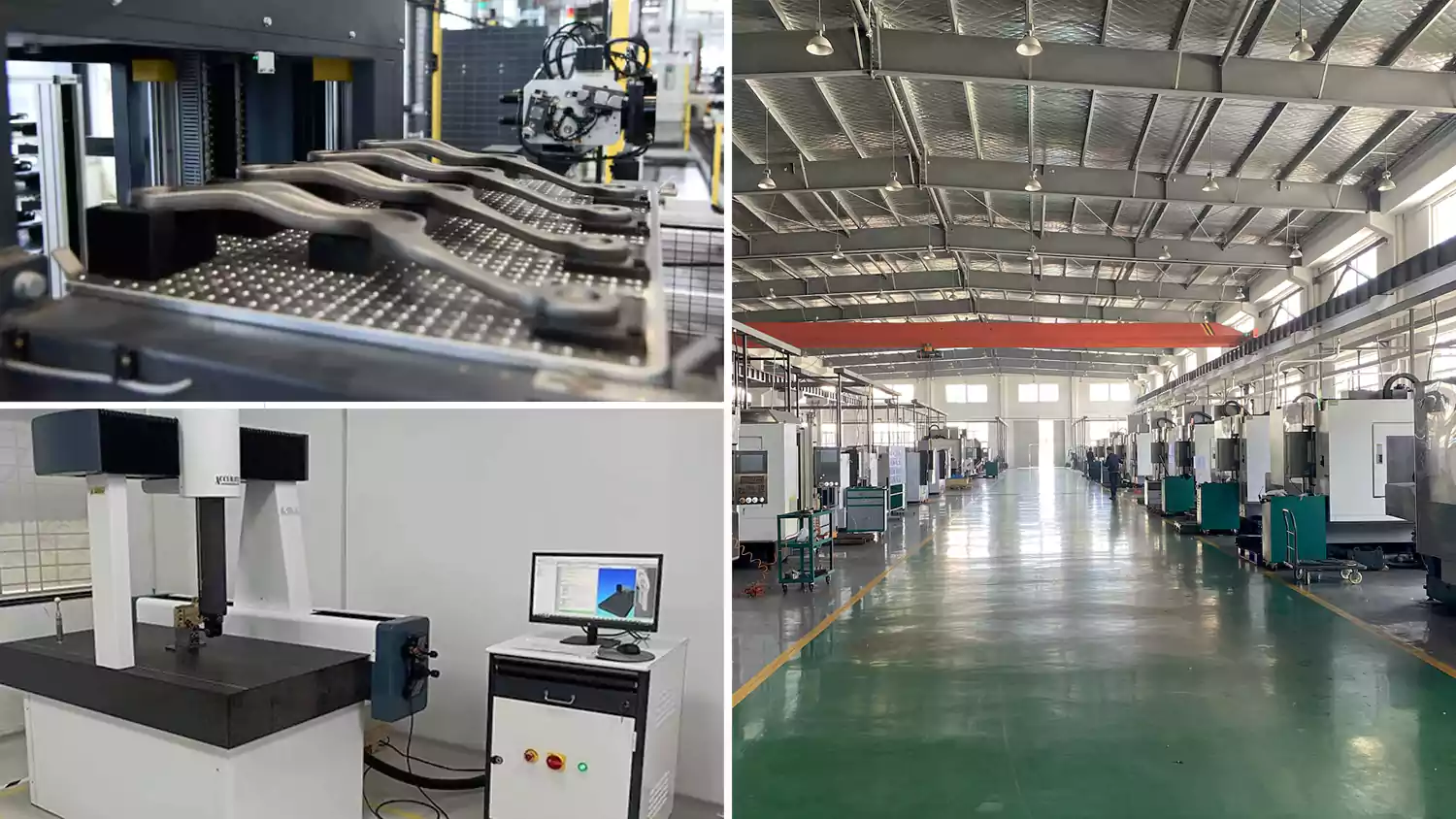
I always tell customers that suspension manufacturing is not only about cutting metal accurately. The entire process chain affects final durability.
Typical Manufacturing Workflow
| Process | Purpose |
|---|---|
| CNC Machining | Creates accurate geometry |
| Heat Treatment | Improves mechanical strength |
| Surface Finishing | Protects against wear |
| CMM Inspection | Confirms dimensional accuracy |
| Fatigue Testing | Verifies durability |
Real Production Case Study
I worked on a custom suspension bracket project for an off-road vehicle manufacturer. The customer faced cracking problems during field testing.
| Parameter | Original Version | Optimized Version |
|---|---|---|
| Material | Standard 6061 | 7075-T6 Aluminum |
| Wall Thickness | 5 mm | 6.5 mm |
| CNC Tolerance | ±0.08 mm | ±0.02 mm |
| Surface Finish | Ra 3.2 | Ra 1.6 |
| Fatigue Life | 12,000 cycles | 51,000 cycles |
| Weight Increase | — | +8% |
The original design looked acceptable in CAD software, but real vibration loads created stress concentration near the mounting corner. I added larger internal radii, adjusted machining sequence, and improved fixture support during production. The second version survived long-term durability testing successfully.
Importance of DFM in Suspension Manufacturing
DFM helps reduce production risk before machining starts. I often review:
- Sharp internal corners
- Thin wall sections
- Tool access limitations
- Tolerance stack-up
- Load concentration areas
This saves both time and production cost during scaling.
What Should Buyers Evaluate When Choosing a Custom Suspension Parts Supplier?
Many sourcing problems start when suppliers focus only on price. I have seen buyers lose months because suppliers lacked engineering support and process control.
Buyers should evaluate CNC machining capability, quality inspection systems, engineering support, material traceability, tolerance control, and DFM experience when selecting a custom suspension parts manufacturer for automotive or performance applications.
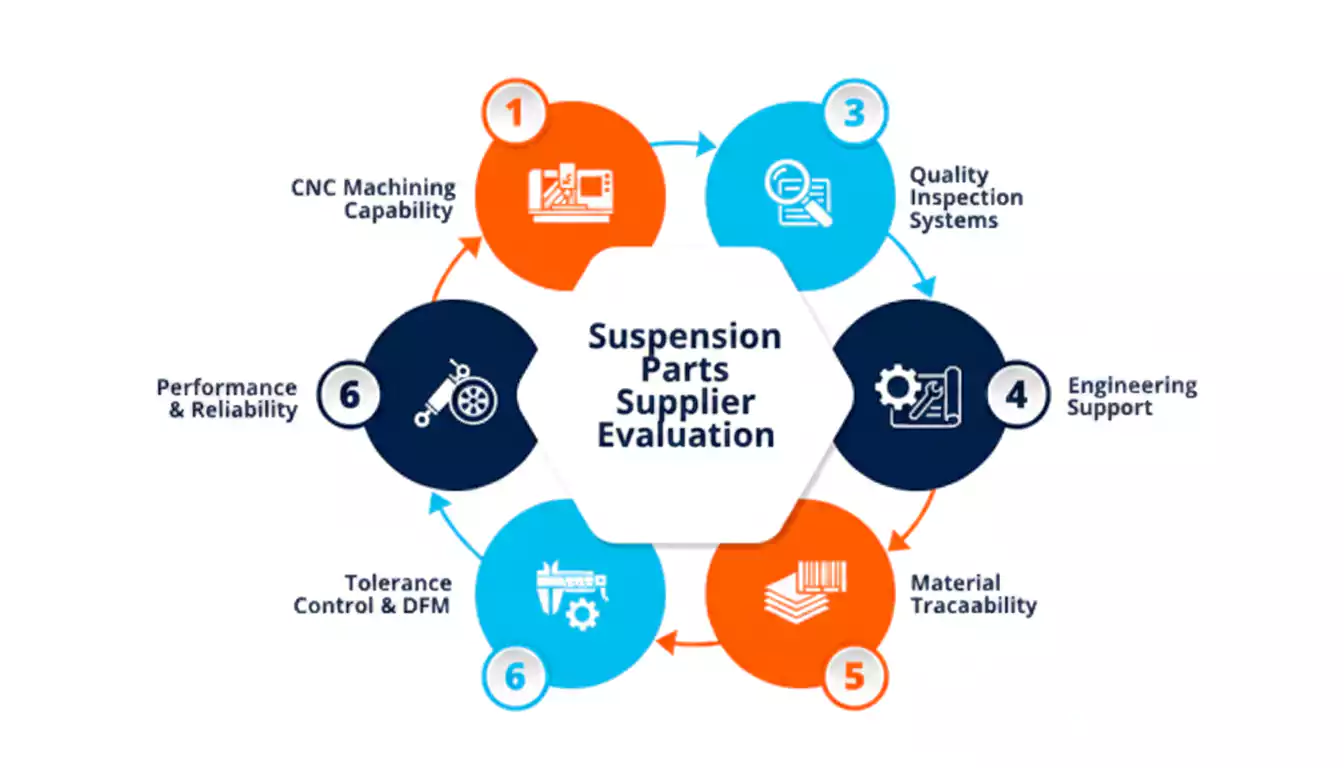
I always encourage engineers and procurement managers to evaluate suppliers beyond quoting speed. Suspension components are safety-related parts. Manufacturing quality directly affects product reliability.
Important Supplier Evaluation Factors
| Evaluation Area | Why It Matters |
|---|---|
| CNC Capability | Supports complex geometry |
| Inspection Equipment | Ensures dimensional accuracy |
| DFM Support | Prevents manufacturing issues |
| Material Certification | Confirms traceability |
| Prototype Flexibility | Speeds product validation |
| Production Stability | Maintains batch consistency |
Questions I Recommend Buyers Ask
- Can the supplier maintain tight tolerances consistently?
- Does the supplier understand fatigue-critical parts?
- Can they support both prototype and production volumes?
- Do they provide inspection reports?
- Can they improve manufacturability before production?
I often receive RFQs where the customer already experienced problems with another supplier. In many cases, the issue is not machine capability alone. The supplier simply did not understand how suspension parts behave under dynamic stress.
Strong suppliers combine machining knowledge with engineering understanding. That combination matters far more than low pricing alone.
Conclusion
A reliable suspension system depends on more than good design alone. Precision machining, proper material selection, DFM support, and strict quality control all work together to create suspension components that perform safely and consistently under real-world driving conditions. For engineers and buyers, choosing the right manufacturing partner is often the difference between short-term functionality and long-term reliability.
Footnote on evidence:
-
"[PDF] Fundamentals Of Vehicle Dynamics Universal Technical Systems", https://extnag.tacc.utexas.edu/Download_PDFS/s4BL19/245388/Fundamentals%20Of%20Vehicle%20Dynamics%20Universal%20Technical%20Systems.pdf. A vehicle-dynamics reference explains that suspension systems help maintain tire-road contact and control vehicle body motion, providing contextual support for their role in handling, steering response, and safety-related stability. Evidence role: general_support; source type: education. Supports: Suspension systems directly affect safety, steering accuracy, and mechanical reliability.. Scope note: The source would support the general relationship between suspension design and vehicle safety/handling, but not quantify effects for this specific article or any particular vehicle model. ↩
-
"Suspension Dimensional Variation Influence on the Vehicle ...", https://saemobilus.sae.org/papers/suspension-dimensional-variation-influence-vehicle-dynamic-behavior-2014-36-0171. Research on suspension kinematics and hard-point sensitivity shows that dimensional deviations in suspension mounting points can change wheel-alignment parameters such as toe and camber, supporting the mechanism by which manufacturing tolerances affect vehicle handling behavior. Evidence role: mechanism; source type: paper. Supports: Small tolerance variations in suspension components can affect suspension behavior.. Scope note: The source would support the general engineering mechanism, not the article’s specific example of a 0.04 mm bore shift or a particular prototype test result. ↩
-
"MacPherson strut - Wikipedia", https://en.wikipedia.org/wiki/MacPherson_strut. A vehicle dynamics or automotive engineering reference can support that MacPherson strut suspensions combine spring-damper guidance functions in a compact assembly with relatively few components, which is generally associated with lower production cost. Evidence role: general_support; source type: education. Supports: MacPherson strut suspension uses fewer components and reduces production cost.. Scope note: Such sources usually describe cost and packaging advantages in general terms rather than proving cost reductions for a specific vehicle program. ↩
