Editor's Note: Last updated on May 28, 2026, by Lucy
Modern telecom systems fail fast when machining quality becomes unstable. Poor tolerances create EMI leakage, thermal buildup, assembly issues, and signal instability in high-frequency communication equipment.
Precision CNC machining improves telecom electronics by maintaining tight tolerances, stable RF shielding, accurate heat dissipation, and reliable assembly performance. High-precision machining helps telecom equipment achieve better signal integrity, lower EMI interference, longer service life, and more stable operation in demanding communication environments.
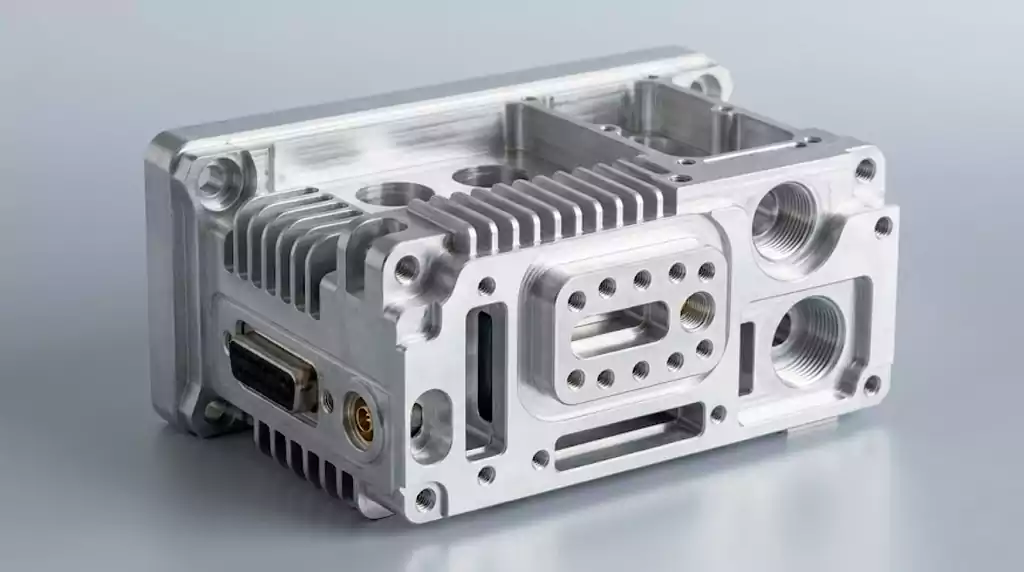
Telecom equipment keeps getting smaller and more powerful. I see this often in 5G systems, RF communication modules, and edge computing hardware. A very small machining error can now create major electronic problems. That is why I treat telecom CNC machining as both a mechanical and electrical process. Many customers looking for advanced CNC machining services now expect suppliers to understand both precision manufacturing and electronic performance requirements.
Why Does Telecom Electronics Equipment Require Precision CNC Machining?
Telecom hardware operates in high-frequency environments where small dimensional variation can affect shielding performance, thermal transfer, and signal stability.
Telecom electronics require precision CNC machining because RF systems depend on tight tolerances, flat sealing surfaces, accurate assembly alignment, and stable thermal management. Even minor machining deviation can reduce signal quality, increase EMI leakage, and shorten equipment lifespan.
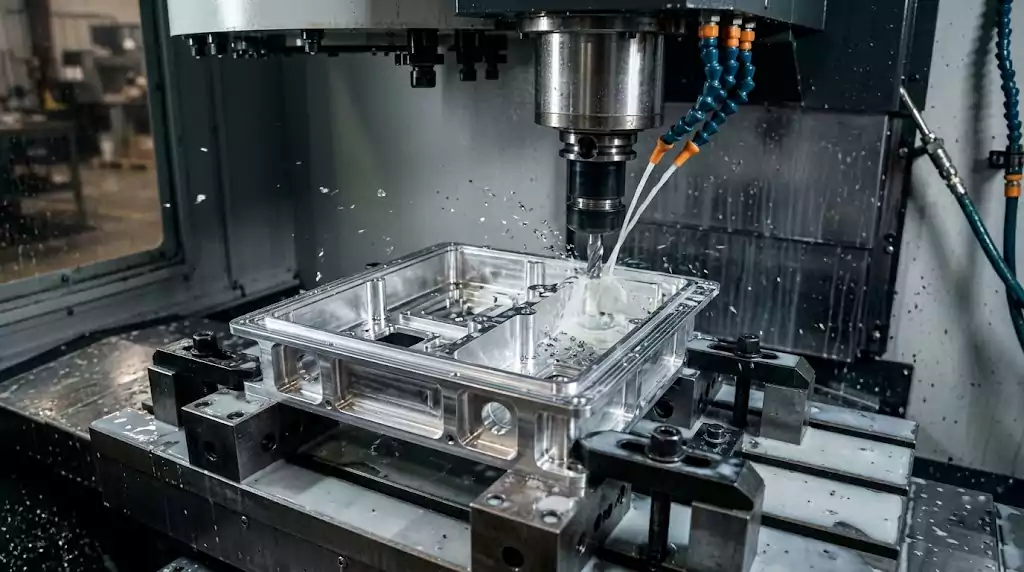
I once worked with a telecom customer producing outdoor 5G base station modules. Their first supplier delivered aluminum housings that appeared acceptable during visual inspection. Still, the RF shielding performance failed during EMC testing. The issue came from poor flatness around the enclosure interface. Small surface gaps created EMI leakage.1
After we improved the machining strategy and tightened the flatness tolerance to 0.02 mm, the shielding performance became stable. The customer passed EMC validation during the next testing cycle.
Why Tight Tolerances Matter in RF Equipment
High-frequency telecom systems are highly sensitive to dimensional variation. Precision-machined parts help maintain consistent electronic performance.
| Component Type | Critical Machining Requirement | Performance Impact |
|---|---|---|
| RF enclosure | Flat sealing surface | EMI shielding |
| Heat sink | Parallelism and flatness | Thermal transfer |
| Antenna bracket | Position accuracy | Signal direction |
| Waveguide part | Internal surface quality | Signal transmission |
| Connector housing | Tight bore tolerance | Signal stability |
In many telecom projects, I commonly machine parts with tolerances between ±0.01 mm and ±0.03 mm. Some RF cavity components require even tighter dimensional control.
Thermal Stability Also Matters
Modern telecom systems generate significant heat loads. Heat buildup changes electrical performance and can reduce component lifespan.2
Poor machining quality often creates:
- Uneven thermal contact
- Weak heat transfer
- Mechanical stress
- Early electronic failure
That is why telecom machining is not only about shaping metal. It is about maintaining long-term electronic reliability.
What CNC Machined Components Are Commonly Used in Telecom Electronics?
Telecom systems rely on precision-machined structural, shielding, and thermal management components to maintain stable performance.
Common telecom CNC machined parts include RF housings, heat sinks, shielding covers, antenna brackets, connector interfaces, waveguide components, and precision mounting frames used in communication infrastructure and electronic assemblies.
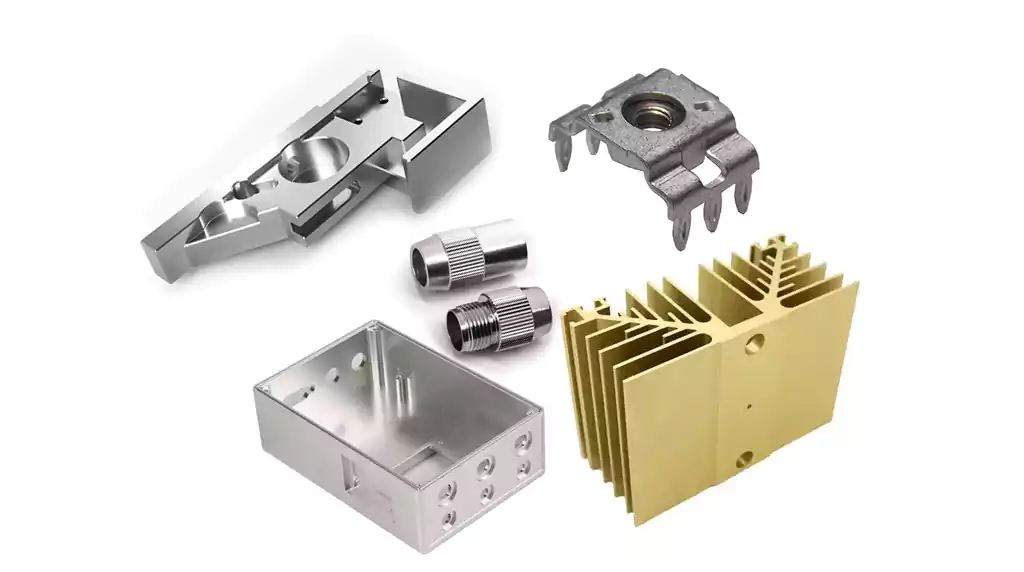
Most telecom projects I handle focus on lightweight aluminum structures. These components support both mechanical protection and electrical shielding3. The machining quality directly affects overall system stability. Similar precision requirements also appear in many consumer electronics parts where compact structures and thermal management are critical.
Common Telecom CNC Components
| Component | Main Function | Common Material |
|---|---|---|
| RF housing | Shield sensitive electronics | Aluminum 6061 |
| Heat sink | Remove processor heat | Aluminum 6063 |
| Antenna mount | Maintain signal alignment | Stainless steel |
| Shielding cover | Reduce EMI leakage | Aluminum 5052 |
| Waveguide block | Direct RF signal | Copper or aluminum |
| Rack frame | Support telecom assembly | Aluminum alloy |
Case Study: Outdoor 5G Communication Housing
A telecom customer contacted me for a precision-machined outdoor enclosure used in a 5G small-cell system. Their previous supplier struggled with dimensional consistency during medium-volume production.
Below are the actual production parameters from that project:
| Parameter | Requirement |
|---|---|
| Material | Aluminum 6061-T6 |
| Overall size | 420 mm × 280 mm × 95 mm |
| Flatness tolerance | 0.02 mm |
| Surface finish | Ra 1.6 μm |
| Wall thickness | 2.5 mm |
| EMI shielding requirement | < 60 dB leakage |
| Batch size | 1,500 units/month |
| Protection level | IP674 |
The biggest challenge was thermal deformation during machining. Thin-wall sections warped after rough milling. I adjusted the machining sequence and added stress-relief steps between operations. We also redesigned fixture support locations.
After process improvement:
- Flatness rejection rate dropped from 12% to below 1.5%
- Assembly efficiency improved by 18%
- EMC test consistency improved significantly
That project reminded me that telecom machining success depends heavily on process control, not only machine capability.
Which Materials and Manufacturing Processes Are Best for Telecom Electronics?
Material selection directly affects shielding performance, corrosion resistance, thermal conductivity, and long-term dimensional stability.
Aluminum alloys, copper, stainless steel, and engineering plastics are widely used in telecom electronics because they support RF shielding, heat management, corrosion resistance, and structural reliability. CNC milling, turning, anodizing, and precision inspection help maintain stable manufacturing quality.
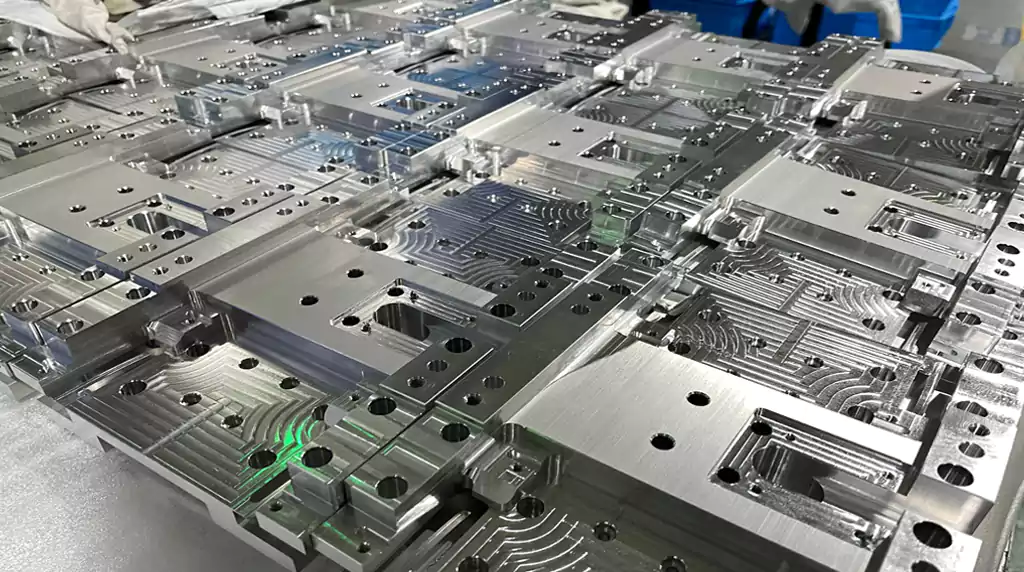
I usually recommend aluminum for telecom structures because it balances weight, machinability, corrosion resistance, and thermal conductivity. Still, each telecom application has different performance requirements.
Common Telecom Machining Materials
| Material | Main Advantage | Typical Application |
|---|---|---|
| Aluminum 6061 | Lightweight and stable | RF enclosures |
| Aluminum 7075 | High strength | Structural frames |
| Copper C110 | Excellent conductivity | RF components |
| Stainless steel 304 | Corrosion resistance | Outdoor mounting parts |
| PEEK | Electrical insulation | Precision insulators |
Important Manufacturing Processes
Telecom projects often require more than standard CNC milling.
CNC Milling
This process creates precision cavities, mounting surfaces, and heat sink structures. High-speed machining improves dimensional consistency and surface quality.
CNC Turning
Connector housings and threaded interfaces often require high-precision turning operations.
Surface Finishing
Surface treatment strongly affects telecom reliability and RF performance.
| Surface Treatment | Function |
|---|---|
| Clear anodizing | Corrosion protection |
| Conductive anodizing | EMI control |
| Nickel plating | RF conductivity |
| Powder coating | Outdoor durability |
Inspection and Validation
I never rely only on manual inspection for telecom projects. Most telecom components require:
- CMM dimensional inspection
- Surface roughness testing
- Flatness verification
- Thread gauge inspection
- EMC assembly validation
Without proper inspection control, long-term telecom reliability becomes unpredictable. This is one reason many OEMs now prefer outsourcing CNC machining to specialized suppliers with stronger inspection systems and telecom manufacturing experience.
What Should You Look for in a Telecom Electronics CNC Machining Partner?
Telecom projects require more than basic machining capability. Process control and manufacturing knowledge are equally important.
A reliable telecom CNC machining partner should understand RF-related tolerances, thermal management, EMI shielding requirements, precision inspection methods, and scalable production control for both prototypes and volume manufacturing.
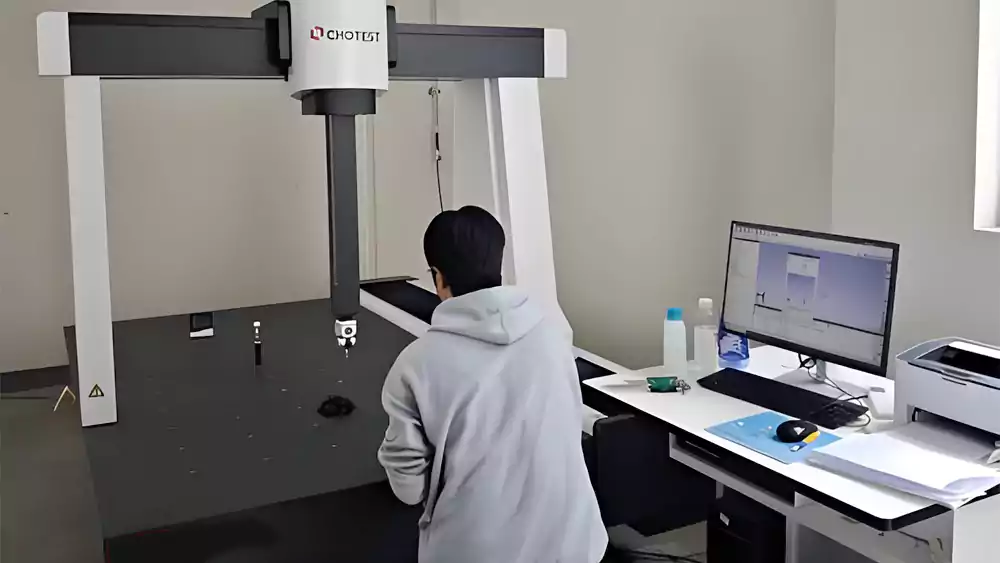
I often see engineers struggle with suppliers that focus only on low pricing. Telecom projects usually fail because of inconsistent quality control rather than obvious machining errors.
Key Capabilities to Evaluate
| Capability | Why It Matters |
|---|---|
| Tight tolerance machining | Maintains RF stability |
| Thin-wall machining experience | Prevents deformation |
| Material traceability | Ensures production consistency |
| CMM inspection | Confirms dimensional accuracy |
| Surface treatment control | Supports EMI performance |
| Prototype-to-production scaling | Reduces manufacturing risk |
Communication Is Also Critical
A strong telecom machining partner should review the design before production begins. I regularly help customers identify:
- Weak wall structures
- Thermal distortion risks
- Unnecessary tolerance stacking
- Cost-heavy machining features
- Surface treatment conflicts
This early engineering feedback saves both production time and cost.
Reliable Suppliers Reduce Long-Term Risk
Fast quotations alone do not guarantee manufacturing success. Telecom hardware requires stable process control and long-term consistency. Many buyers now spend more time evaluating reliable CNC machining suppliers in China because supplier capability directly affects field reliability and project timelines.
How Does Precision CNC Manufacturing Improve Telecom Equipment Reliability?
Reliable telecom systems depend on stable mechanical structures, accurate thermal management, and consistent electronic shielding performance.
Precision CNC manufacturing improves telecom equipment reliability by reducing EMI leakage, improving heat dissipation, maintaining dimensional consistency, supporting accurate assembly, and preventing failures caused by vibration, moisture, or thermal stress.
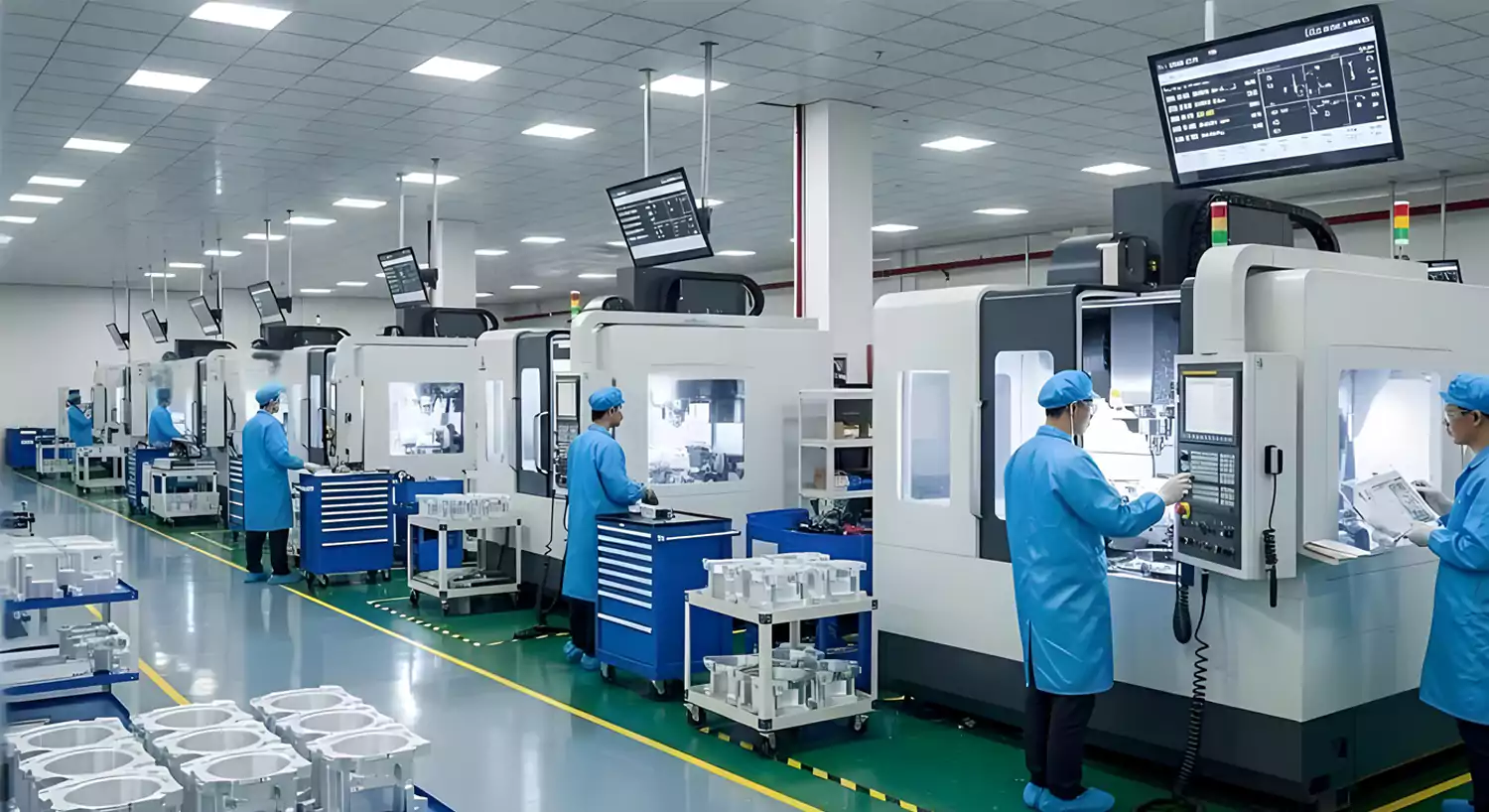
Telecom equipment often operates outdoors for years under harsh environmental conditions. Heat, vibration, humidity, and temperature changes continuously stress the hardware. Poor machining quality accelerates system failure.
Reliability Improvements from Precision Machining
| Precision Factor | Reliability Benefit |
|---|---|
| Flat mating surfaces | Better EMI sealing |
| Accurate heat sink contact | Lower operating temperature |
| Stable threaded interfaces | Reduced loosening |
| Controlled wall thickness | Improved structural stability |
| Consistent surface finish | Better assembly repeatability |
Long-Term Field Performance Matters
One telecom customer shared field repair data with me after switching to higher-precision housings. Their outdoor communication module failure rate dropped by nearly 22% within the first year.
Most failures originally came from:
- Water ingress
- Thermal fatigue
- Connector instability
- Shielding degradation
Precision machining reduced all four problems significantly.
That experience changed how I view telecom manufacturing. A machined telecom housing is not simply a metal enclosure. It directly protects network uptime, signal stability, and long-term equipment reliability.
Conclusion
Precision CNC machining plays a critical role in modern telecom electronics. Tight tolerances, stable materials, and controlled manufacturing processes help telecom systems achieve stronger signal integrity, better thermal performance, lower EMI interference, and longer operational life. As telecom hardware continues to become smaller, faster, and more demanding, reliable precision machining becomes an essential part of building stable communication infrastructure.

-
"A Comprehensive Guide to Understanding EMI Shielding ...", https://xgrtec.com/blog/comprehensive-guide-to-understanding-emi-shielding-effectiveness/. Studies of enclosure shielding effectiveness show that slots, seams, and apertures can substantially reduce electromagnetic shielding by allowing fields to couple through discontinuities in the conductive boundary; this supports the mechanism behind leakage from imperfect enclosure interfaces, although it does not verify the specific telecom housing case described here. Evidence role: mechanism; source type: paper. Supports: Small surface gaps at an RF enclosure interface can create EMI leakage.. Scope note: Supports the general electromagnetic mechanism, not the specific customer incident or measured EMC result. ↩
-
"Does a 10°C Increase in Temperature Really Reduce the Life of ...", https://www.electronics-cooling.com/2017/08/10c-increase-temperature-really-reduce-life-electronics-half/. Electronics reliability literature commonly reports that elevated operating temperature accelerates degradation mechanisms and can alter semiconductor and circuit behavior; this supports the statement that heat buildup affects performance and lifetime, although device-level effects depend on component design, materials, and operating conditions. Evidence role: expert_consensus; source type: government. Supports: Heat buildup can change electrical performance and reduce the lifespan of electronic components.. Scope note: Provides general support for electronics reliability under elevated temperature rather than telecom-specific lifetime data. ↩
-
"Electromagnetic shielding - Wikipedia", https://en.wikipedia.org/wiki/Electromagnetic_shielding. A standards or engineering reference on electronic enclosures can support that metal telecom housings are commonly used to provide physical protection while also attenuating electromagnetic interference. Evidence role: general_support; source type: institution. Supports: Lightweight aluminum telecom structures can provide both mechanical protection and electrical shielding.. Scope note: Such a source would support the general engineering function of metal enclosures, not verify the performance of the specific components described in this project. ↩
-
"Ingress Protection (IP) ratings - IEC", https://www.iec.ch/ip-ratings. The IEC ingress-protection classification defines IP67 as dust-tight protection with protection against temporary immersion in water under specified test conditions. Evidence role: definition; source type: institution. Supports: IP67 is the stated protection level for the outdoor telecom housing.. Scope note: The standard defines the rating; it does not confirm that the described enclosure passed IP67 testing unless a test report is separately cited. ↩
