Last updated on April 7, 2026, by Lucy
ctric vehicles are growing fast. But many engineers still struggle to find CNC suppliers who can meet tight tolerances, fast delivery, and stable quality.
CNC machining for electric vehicles means producing high-precision parts like battery housings, motor components, and thermal systems with micron-level tolerances, fast lead times, and strict quality control to support EV production demands.

I have worked in CNC machining for over 20 years, and I have seen many EV projects fail not because of design, but because suppliers could not hold tolerance or keep delivery stable. EV parts are system‑critical. That’s why understanding a custom CNC machining process matters before you pick a supplier or lock in your design.
What Is CNC Machining for Electric Vehicles?
EV programs move fast. But many teams still struggle to align machining capability with design intent.
CNC machining for electric vehicles is the process of using computer-controlled machines to manufacture high-precision EV components with tight tolerances, consistent repeatability, and reliable surface quality for critical systems.
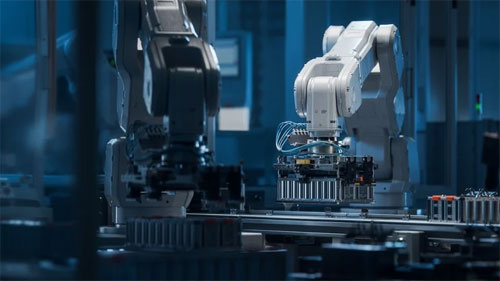
The key difference is not the machine. It is the requirement level. EV parts demand more stability, more consistency, and more engineering control.
How It Differs from Traditional Automotive Machining
| Aspect | Traditional Vehicles | Electric Vehicles |
|---|---|---|
| Core System | Engine & transmission | Battery & motor |
| Tolerance | Standard precision | Ultra-tight precision |
| Materials | Steel-heavy | Aluminum & copper |
| Production | High volume | Mixed volume |
Why CNC Is Still Critical
CNC machining remains essential because:
- It finishes precision surfaces
- It supports complex geometry
- It ensures functional accuracy
From my experience, CNC is no longer just a process. It is a control point in EV quality.
What Key EV Components Are Made with CNC Machining?
Many buyers underestimate how many EV parts depend on CNC machining. That mistake often leads to supplier mismatch and delays.
Key EV components made with CNC machining include battery housings, motor shafts, inverter heat sinks, and lightweight aluminum structures that require high precision, tight tolerances, and stable surface quality.
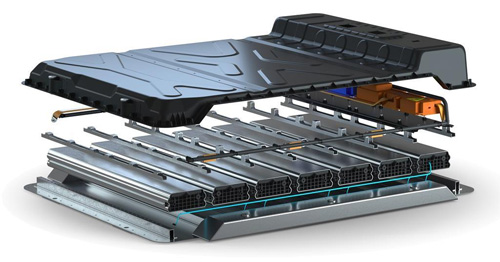
If you look across modern EV platforms, almost every critical subsystem includes machined parts.
Main CNC Machined EV Parts
Battery Housings1
- Large aluminum enclosures
- Require flatness and sealing performance
Motor Components
- Shafts and housings
- Require concentricity and balance
Thermal Management Parts2
- Heat sinks and cooling plates
- Often include complex internal features
Lightweight Structural Parts
- Brackets and supports
- Designed for weight reduction
For a broader view of how these components fit into production, I often relate them to real-world custom automotive parts manufacturing applications, where precision and repeatability directly impact system reliability.
Why These Parts Are Difficult
| Component | Key Challenge |
|---|---|
| Battery housing | Deformation control |
| Motor shaft | Concentricity |
| Heat sink | Complex geometry |
| Structural parts | Weight vs strength |
From what I see on the shop floor, battery housings and thermal parts are the most demanding.
Why Is CNC Machining Essential for EV Manufacturing?
EV manufacturers face pressure from all sides. They need better performance, lower weight, and faster iteration.
CNC machining is essential in EV manufacturing because it provides high precision, supports lightweight materials, ensures thermal performance, and enables rapid prototyping with consistent quality.
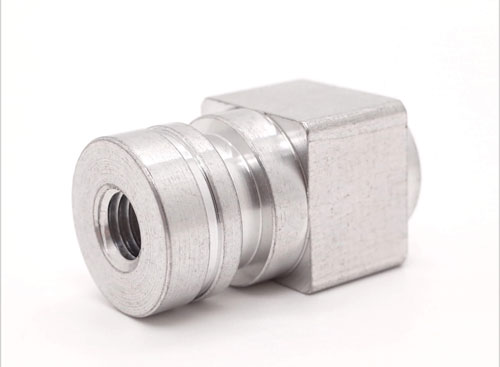
The value of CNC machining is not just accuracy. It is flexibility.
Key Advantages
Precision Control
- Critical sealing surfaces
- Motor alignment features
Lightweight Materials
- Aluminum alloys like 6061 and 7075
- Require controlled machining strategies
Thermal Performance
- Flatness for heat transfer
- Complex cooling geometries
Fast Prototyping
- Quick iteration cycles
- Low tooling cost
When teams move from concept to testing, CNC machining becomes the fastest way to validate designs. This is especially clear in early-stage development, where automotive prototyping solutions depend heavily on machining flexibility.
What Challenges Do Engineers Face in Machining EV Parts?
Many EV projects run into trouble during production. The root cause is often machining complexity.
Engineers face challenges in machining EV parts such as maintaining tight tolerances, managing complex geometries, handling materials like aluminum and copper, and balancing cost with scalable production.
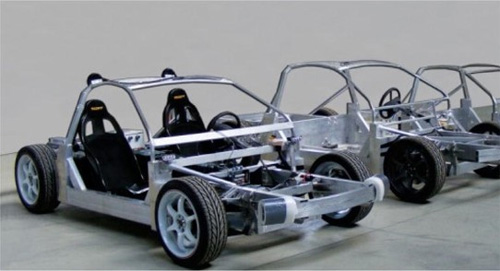
These challenges are real. They show up in almost every EV program.
Main Challenges
Tight Tolerances
- Often ±0.01 mm or tighter
- Require stable machines and processes
Complex Geometry
- Thin walls
- Deep cavities
- Multi-axis paths
Material Behavior
- Aluminum can deform
- Copper increases tool wear
Cost vs Production
- Prototype is easy
- Scaling is hard
Real Case from My Experience
| Item | Value |
|---|---|
| Material | 6061-T6 Aluminum |
| Tolerance | ±0.01 mm |
| Size | 450 mm length |
| Quantity | 500 pcs |
| Lead Time | 12 days |
| Surface Finish | Anodized |
The problem was deformation after machining.
I adjusted:
- Tool path strategy
- Clamping method
- Stress relief process3
The result:
- Flatness improved by 40%
- Scrap rate dropped from 8% to 1.5%
This is where experience matters.
How to Choose the Right CNC Machining Supplier for EV Projects?
Choosing a supplier is not just a purchasing decision. It is a risk decision.
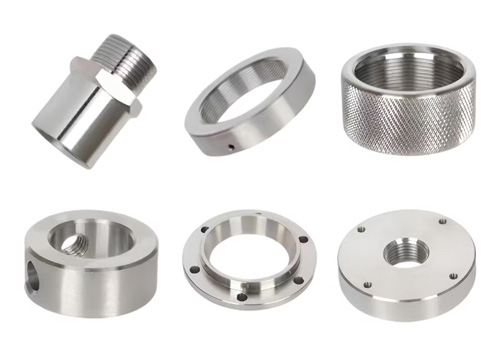
The right CNC machining supplier for EV projects should demonstrate tight tolerance capability, strong quality systems, fast response times, relevant certifications, and proven experience with EV components.
Before you choose a supplier, you need to understand what really matters.
What EV Manufacturers Look For
Precision Capability
- Can they hold ±0.01 mm?
- Do they use advanced machines?
Quality System
- CMM inspection
- Process documentation
Certifications
Engineering Support6
- DFM feedback
- Process optimization
Speed
- Fast quoting
- Reliable delivery
From my experience, the biggest risk is not price. It is inconsistency.
At Allied Metal, I built the process around what engineers actually need:
- Stable tolerance
- Fast response
- Clear communication
That is what helps projects move forward without delays.
Conclusion
CNC machining is essential for EV success. The right supplier helps you achieve precision, speed, and reliability while reducing risk in production.
-
Explore this link to understand the critical precision and sealing requirements that make battery housings essential for EV safety and performance. ↩
-
Learn about the complex internal features and manufacturing techniques that ensure effective cooling and reliability in EV thermal management. ↩
-
Learn how applying stress relief processes can reduce deformation and improve flatness in machined parts, enhancing quality and yield. ↩
-
Explore this link to understand how ISO 9001 ensures quality management systems that boost reliability and consistency in EV manufacturing. ↩
-
Explore this link to understand how IATF 16949 ensures quality management in automotive supply chains, crucial for EV manufacturing consistency. ↩
-
Learn how engineering support like DFM feedback and process optimization can improve manufacturing efficiency and outcomes. ↩
