Last updated on May 15, 2026, by Lucy
Surface treatment problems can ruin a good part fast. I have seen precision CNC parts fail early because the wrong finish caused corrosion, wear, or poor coating adhesion.
Surface treatment processes protect metal parts from corrosion, wear, and environmental damage. They also improve appearance, conductivity, coating adhesion, and long-term durability across industries like automotive, aerospace, medical, and industrial manufacturing.
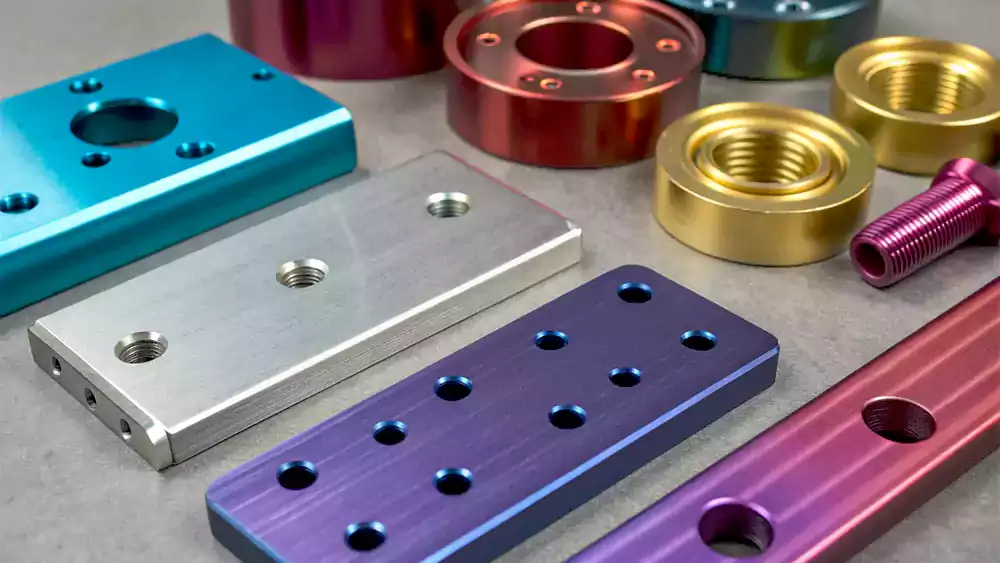
Many engineers focus heavily on machining accuracy but overlook finishing. I made the same mistake early in my career. Later, I realized the finish often decides whether a part survives real working conditions or fails too soon.
At Allied Metal, surface treatment is never just a cosmetic fix. Every layer of coating serves a specific purpose: corrosion resistance, wear resistance, and electrical conductivity. It is not about looks. It is about performance.
What Are Surface Treatment Processes and Why Are They Important?
Many machined parts fail because bare metal cannot survive moisture, friction, chemicals, or outdoor exposure. A good surface treatment can solve these problems before the part reaches the customer.
Surface treatment changes the outer layer of a material to improve corrosion resistance, wear resistance, appearance, electrical performance, and coating adhesion. It helps machined parts last longer and perform more reliably in demanding environments.
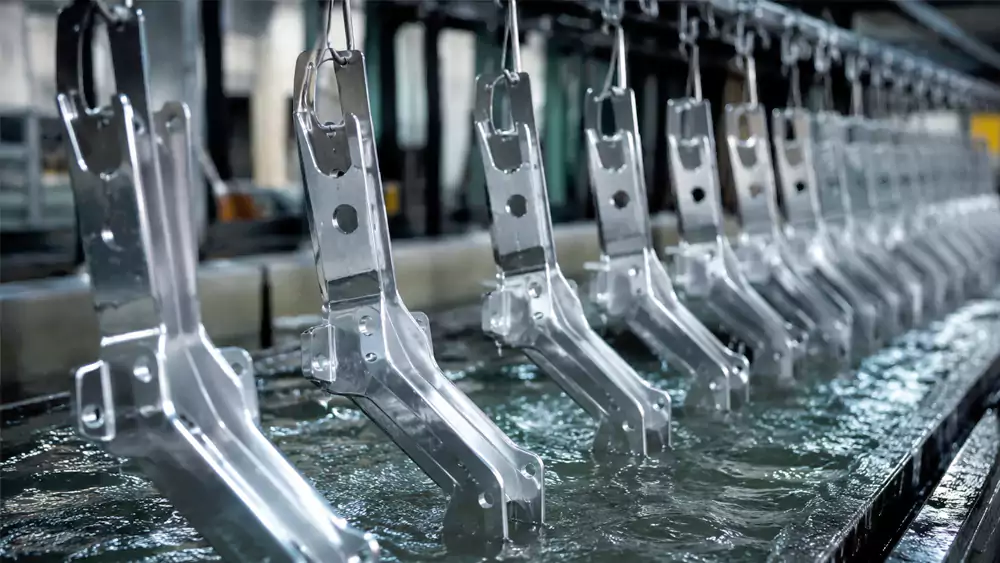
When I first worked in a machining shop, I thought surface treatment was mostly about visual appearance. After years in CNC manufacturing, I learned that two identical parts can perform completely differently because of the finish alone1.
For engineers sourcing CNC parts, understanding surface finishes for CNC machining can prevent expensive failures later in production and field use.
Main Functions of Surface Treatment
| Function | Purpose | Common Processes |
|---|---|---|
| Corrosion resistance | Protect metal from rust and oxidation | Anodizing, powder coating, passivation |
| Wear resistance | Reduce friction and surface damage | PVD coating, hard anodizing, shot peening |
| Appearance improvement | Improve texture, color, and gloss | Polishing, painting, brushing |
| Electrical insulation/conductivity | Control electrical behavior | Anodizing, plating |
| Adhesion enhancement | Help paint or coatings stick better | Sandblasting, phosphating |
Industries That Commonly Use Surface Treatments
Different industries need different types of protection. Aerospace companies focus on weight reduction and corrosion resistance. Medical companies care more about cleanliness and biocompatibility.
Common industries include:
- Automotive
- Aerospace
- Medical devices
- Consumer electronics
- Industrial equipment
I often work with automation engineers who need coatings that can survive oils, moisture, vibration, and outdoor weather for many years without maintenance.
Common Types of Surface Treatment Processes
Some engineers choose finishes only from supplier recommendations. That often creates unnecessary cost or poor performance later.
Surface treatment processes generally fall into four categories: electrochemical, chemical, mechanical, and coating finishes. Each process improves specific properties like corrosion resistance, wear resistance, appearance, or conductivity.
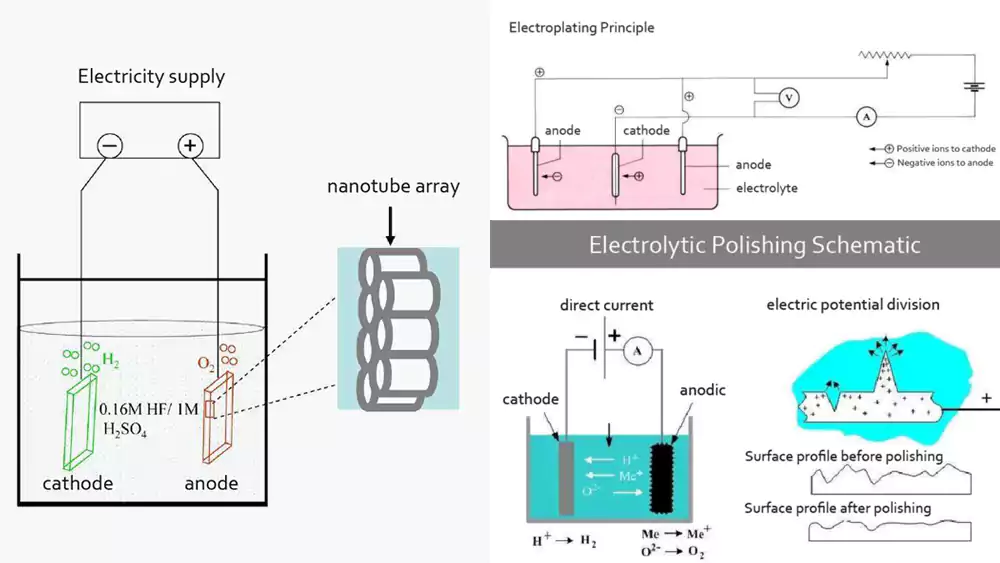
The best surface treatment depends on material type, environmental exposure, tolerance requirements, and production volume. I usually explain coating selection by comparing how each process changes the metal surface itself.
Before selecting a coating, I also recommend reviewing how surface treatment in CNC machining affects dimensional tolerances, assembly fit, and long-term product reliability.
Electrochemical Surface Treatments
Electrochemical treatments use electric current to modify or coat metal surfaces.
Anodizing
Anodizing is mainly used on aluminum. It creates a hard oxide layer that improves corrosion resistance and appearance. Hard anodizing also increases wear resistance.2
Electroplating
Electroplating adds a thin metal layer onto another metal surface. Common plating materials include nickel, zinc, chrome, and copper.
Electropolishing
Electropolishing removes a thin metal layer from stainless steel. It creates a smoother and cleaner surface. Medical and food-grade parts often use this process.
Chemical Surface Treatments
Chemical treatments use chemical reactions instead of electricity.
Passivation
Passivation removes free iron from stainless steel surfaces. This improves corrosion resistance.
Black Oxide
Black oxide creates a dark protective layer on steel parts. It provides mild corrosion protection and reduces glare.
Chemical Conversion Coating
This process creates a protective conversion layer on metals like aluminum and magnesium.
Phosphating
Phosphating improves paint adhesion and corrosion resistance for steel components.
Chromate Conversion Coating
This coating improves corrosion resistance on aluminum and other non-ferrous metals.
Mechanical Surface Treatments
Mechanical treatments physically change the surface texture.
Sandblasting
Sandblasting removes contaminants and creates a rough texture for coating adhesion.
Polishing
Polishing creates a smooth and reflective finish.
Brushing
Brushing produces a directional satin texture often used on stainless steel panels.
Shot Peening
Shot peening improves fatigue strength by creating compressive surface stress.
Tumbling
Tumbling smooths sharp edges and improves consistency on small parts.
Coating and Finishing Processes
These processes add protective or decorative layers.
Powder Coating
Powder coating creates a durable and thick protective finish. It works well for outdoor equipment.
Painting
Painting is flexible and low cost. It supports many color options.
E-coating
E-coating uses electric current to deposit paint evenly across complex surfaces.3
PVD Coating
Physical Vapor Deposition creates a thin, hard, wear-resistant coating.
Thermal Spraying
Thermal spraying applies molten materials to improve wear or heat resistance.
Many customers ask me which process lasts the longest outdoors. The answer depends on surface preparation, coating thickness, and environmental exposure. In many cases, poor preparation causes coating failure long before the coating itself reaches its limit.
Case Study: Outdoor Automation Housing Finish Selection
I worked on an industrial automation housing project for a customer in Texas. The equipment operated outdoors year-round. The original painted steel enclosure started corroding after 14 months.
We redesigned the surface treatment process.
| Parameter | Original Finish | New Finish |
|---|---|---|
| Base material | Carbon steel | Carbon steel |
| Surface prep | Light sanding | Sandblasting SA 2.5 |
| Primer thickness | 15 μm | 40 μm zinc-rich primer |
| Top coating | Standard paint | Polyester powder coating |
| Total coating thickness | 35 μm | 110 μm |
| Salt spray resistance | 240 hours | 1200 hours |
| Outdoor lifespan | 1-2 years | 7+ years |
The customer later standardized this coating system across all outdoor products because maintenance costs dropped significantly after the change.
How to Choose the Right Surface Treatment for Your Parts
Many engineers ask me which finish is best for CNC machined parts. The answer always depends on the material, environment, function, and budget.
The right surface treatment depends on material type, corrosion exposure, wear requirements, appearance goals, conductivity needs, production volume, and tolerance limits. A good finish balances performance, cost, and manufacturability.
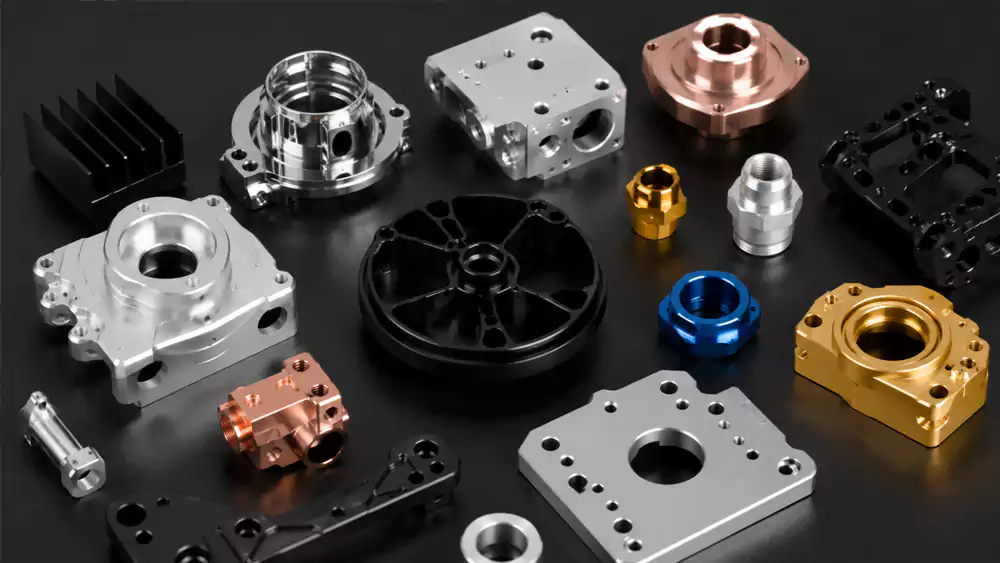
A finish that works perfectly for aerospace components may be unnecessary for industrial brackets or prototype parts. I always suggest defining the real operating environment before selecting any coating.
Based on Material Type
Different materials respond differently to coatings and treatments.
Aluminum
- Best options: anodizing, chromate conversion coating, powder coating
- Common use: lightweight corrosion-resistant parts
Stainless Steel
- Best options: passivation, electropolishing
- Common use: medical and food-grade parts
Carbon Steel
- Best options: zinc plating, black oxide, powder coating
- Common use: industrial machinery
Brass/Copper
- Best options: polishing, nickel plating
- Common use: electrical components
Plastic Parts
- Best options: painting, vapor polishing
- Common use: consumer products
Based on Functional Requirements
| Requirement | Recommended Treatments |
|---|---|
| Corrosion resistance | Anodizing, powder coating, passivation |
| Decorative finish | Polishing, brushing, painting |
| Wear resistance | Hard anodizing, PVD coating |
| Conductivity | Nickel plating, copper plating |
| Food/medical compliance | Electropolishing, passivation |
Based on Cost and Production Volume
Prototype parts often use simpler finishes because setup costs stay lower. Larger production runs can justify automated coating systems and premium finishes.
Low-cost options:
- Black oxide
- Basic painting
- Zinc plating
Premium finishes:
- PVD coating
- Hard anodizing
- Thermal spraying
Surface Treatment and Tolerance Considerations
Surface treatment changes dimensions. Many engineers underestimate this during product design.
Coating Thickness
Every coating adds thickness. Thick powder coating can affect assembly fit and tolerance stack-up.
Dimensional Changes
Hard anodizing can grow both inward and outward on aluminum surfaces.
Thread Masking
Threaded holes often require masking before coating. Otherwise, assembly problems may happen later.
I once saw a customer scrap hundreds of aluminum parts because anodizing closed critical threaded holes. The machining itself was excellent. The finishing plan caused the failure.
Common Surface Treatment Mistakes to Avoid
Many coating failures are not caused by poor coating quality. Most failures begin during process selection and design planning.
Common surface treatment mistakes include ignoring coating thickness, choosing finishes only for appearance, overpaying for unnecessary coatings, and using the same finish in completely different environments.
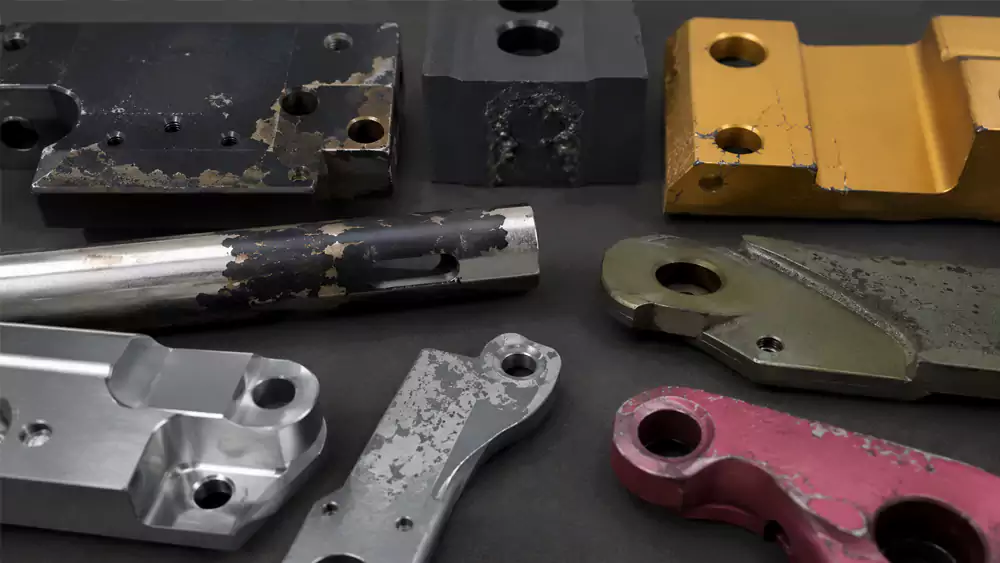
I have reviewed many failed parts over the years. In most cases, the coating itself was not the real issue. The wrong coating was selected for the actual working conditions.
Choosing Finish Based Only on Appearance
A shiny surface does not always mean better protection. Decorative coatings may fail quickly outdoors if corrosion resistance is weak.
Ignoring Coating Thickness Tolerance
Coatings add thickness and affect fitment. Engineers must include coating thickness during tolerance planning.
Using the Same Finish for Different Environments
Indoor and outdoor parts face completely different conditions. Humidity, UV exposure, chemicals, and salt spray all matter.
Over-Specifying Expensive Coatings
Some projects use aerospace-grade coatings when simple powder coating would work perfectly well. This increases cost without adding real value.
Forgetting Post-Machining Compatibility
Some coatings affect welding, bonding, grounding, or electrical conductivity. Surface treatment decisions should happen early during design review.
FAQ
What is the most common surface treatment for aluminum parts?
Anodizing is the most common finish for aluminum because it improves corrosion resistance, wear resistance, and appearance while maintaining relatively low weight.
Which surface finish offers the best corrosion resistance?
For many outdoor industrial applications, powder coating combined with proper surface preparation offers excellent long-term corrosion resistance.
Does surface treatment affect part dimensions?
Yes. Surface treatments add coating thickness and can change dimensions, especially on threaded holes, precision bores, and tight-tolerance assemblies.
What is the difference between anodizing and electroplating?
Anodizing converts the aluminum surface into oxide, while electroplating adds a separate metal layer onto the material surface.
Which coating is best for outdoor metal parts?
Powder coating, thermal spraying, and zinc-rich coating systems are commonly used for outdoor metal parts because they provide strong weather and corrosion resistance.
Conclusion
The right surface treatment improves durability, reliability, and product lifespan. A smart finish choice protects both machined parts and long-term manufacturing costs.

-
"Effect of surface modification on corrosion fatigue fracture behavior ...", https://www.sciencedirect.com/science/article/pii/S2238785426006253. A materials-science review of surface engineering supports that coatings and surface treatments can substantially change surface-dependent properties such as corrosion resistance, friction, wear, and fatigue behavior, meaning parts with the same base geometry and alloy may perform differently after finishing. Evidence role: mechanism; source type: paper. Supports: Two otherwise identical CNC parts can perform differently because surface finish affects functional properties.. Scope note: This would provide general materials-engineering support rather than proof for a specific CNC-machined part or finish. ↩
-
"[PDF] Process Specification for the Anodizing of Aluminum Alloys - NASA", https://www.nasa.gov/wp-content/uploads/2023/03/prc-5006-current.pdf. A technical source on hard anodizing supports that thicker, denser anodic oxide coatings on aluminum can increase abrasion and wear resistance compared with untreated aluminum. Evidence role: general_support; source type: research. Supports: Hard anodizing increases wear resistance.. Scope note: Wear resistance depends on alloy, coating thickness, sealing, and test method, so the citation would support the general effect rather than a universal performance value. ↩
-
"Electrophoretic Deposition (E-Coating): Principle, Process, Benefits ...", https://updebo.com/electrophoretic-deposition-e-coating-principle-process-benefits-and-applications/. A technical source on electrodeposition coating supports that e-coating uses an electric field to deposit paint particles on conductive parts and is valued for uniform coverage, including recessed or complex geometries. Evidence role: mechanism; source type: research. Supports: E-coating uses electric current to deposit paint evenly across complex surfaces.. Scope note: Uniformity depends on part geometry, bath chemistry, voltage, and process control, so the source would support the general capability rather than guarantee equal thickness everywhere. ↩
