The wrong material can increase weight, cost, and failure risk. I often see engineers struggle to balance strength, corrosion resistance, and manufacturability in automotive parts.
Aluminum car parts are widely used because aluminum delivers the best balance of lightweight performance, structural strength, and corrosion resistance, making it ideal for modern vehicles, especially EVs and high-efficiency automotive systems.
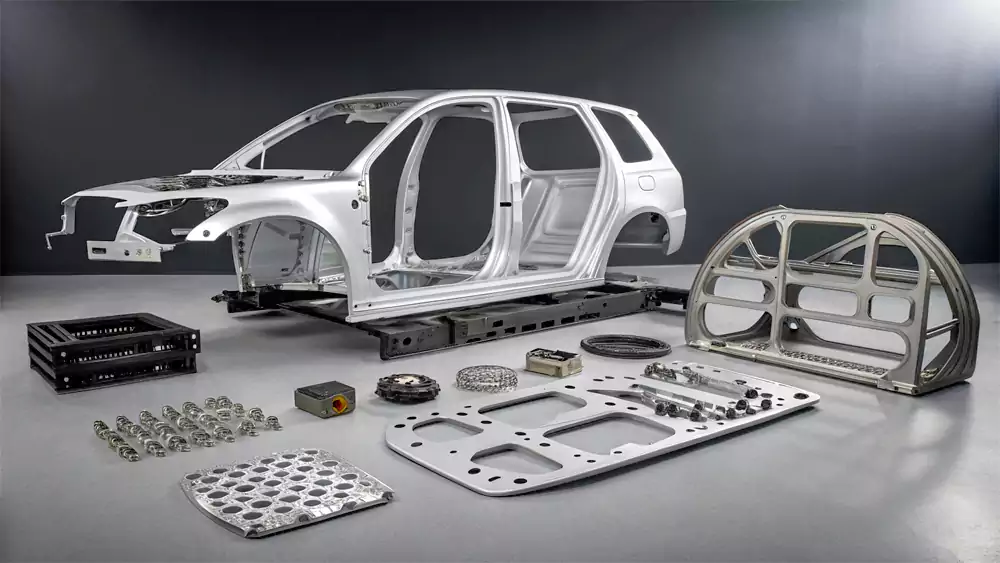
I have worked with many automotive clients. Most do not ask for aluminum at first. They ask for performance. Aluminum just happens to be the answer that fits all key requirements.
What Are Aluminum Car Parts & Why They Are Widely Used?
Design limits often come from material choices. Heavy parts reduce efficiency. Weak materials fail under stress. This creates constant trade-offs for engineers.
Aluminum car parts are automotive components made from aluminum alloys that provide a high strength-to-weight ratio, strong corrosion resistance, and excellent machinability for both structural and functional applications.
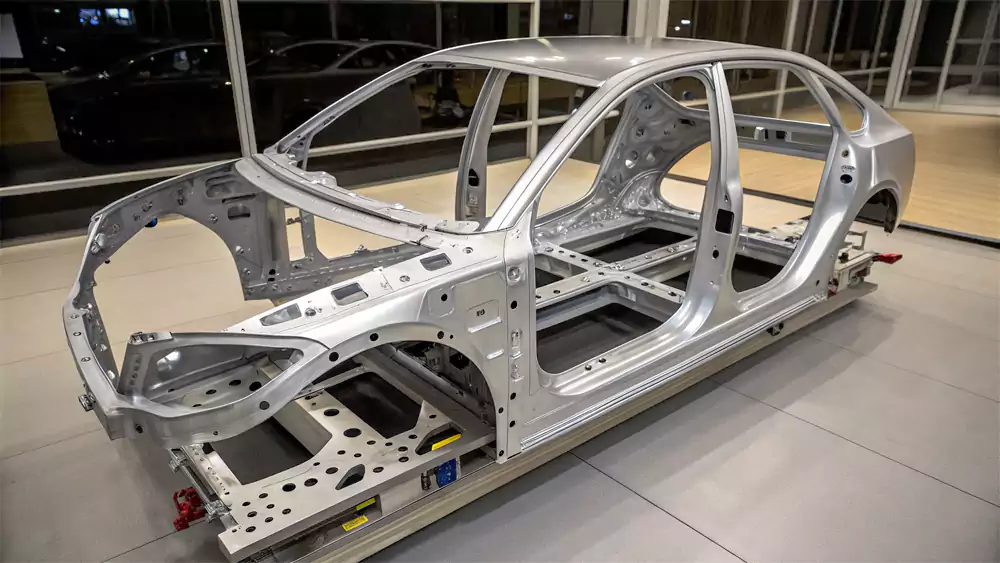
I see the same pattern again and again. Engineers want a material that solves multiple problems at once. Aluminum does exactly that.
Key Properties That Matter
| Property | Why It Matters in Automotive |
|---|---|
| Lightweight1 | Improves fuel efficiency and EV range |
| Strength | Supports structural and load-bearing parts |
| Corrosion Resistance | Extends service life in harsh environments |
| Machinability | Reduces production cost and time |
Where I See It Used Most
I often machine these parts:
- Engine brackets and housings
- Suspension arms and knuckles
- EV battery enclosures
- Heat sinks and cooling plates
In many projects, I recommend aluminum not because it is the cheapest option, but because it reduces total system cost over time.
If you are evaluating suppliers, many buyers start by exploring automotive parts machining services to understand capabilities and tolerances.
Common Aluminum Alloys & Automotive Applications?
Choosing the wrong alloy can lead to overdesign or failure. Many engineers default to familiar materials without reviewing real requirements.
The most common aluminum alloys for automotive parts are 6061, 7075, and 5052, each offering different levels of strength, corrosion resistance, and formability based on application needs.
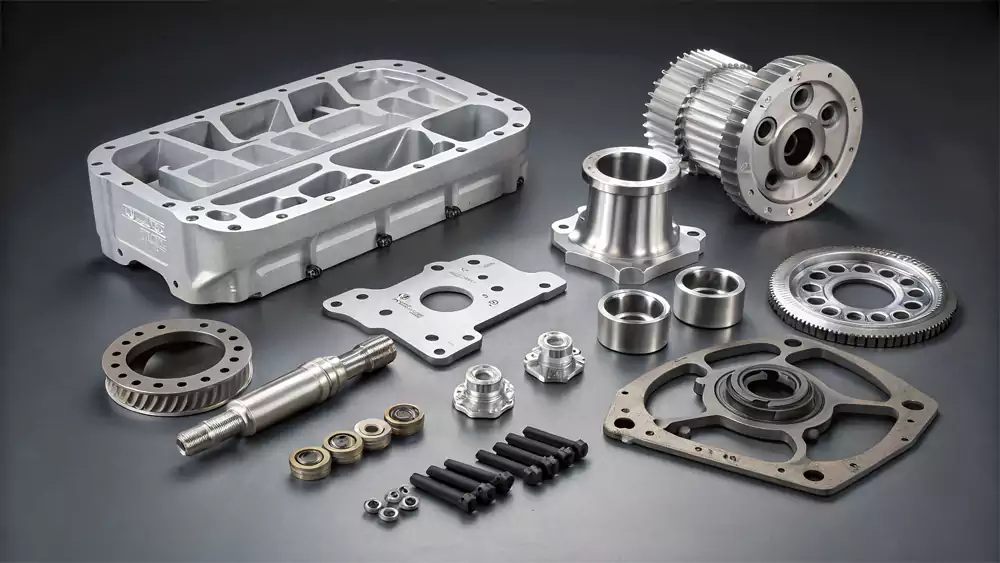
I always go back to basics. Load, environment, and production method drive the right choice.
Alloy Comparison Table
| Alloy | Strength | Corrosion Resistance | Best Use Case |
|---|---|---|---|
| 6061 | Medium | Good | General structural parts |
| 7075 | Very High | Moderate | High-stress components |
| 5052 | Low-Medium | Excellent | Sheet metal, enclosures |
How I Help Clients Choose
I simplify decisions like this:
- Use 6061 for most CNC machined parts2
- Use 7075 when strength is critical
- Use 5052 for forming and bending
Case Study: EV Battery Housing Project
I worked on an EV battery housing for a European client.
| Parameter | Value |
|---|---|
| Material | 6061-T6 |
| Part Size | 450 × 320 × 120 mm |
| Tolerance | ±0.02 mm |
| Process | CNC machining + anodizing |
| Batch Size | 500 units |
| Cycle Time | 38 minutes per part |
| Result | 18% weight reduction vs steel |
The client first considered steel. After redesign, aluminum improved both weight and thermal performance.
At this stage, many engineers begin reviewing options from an aluminum parts manufacturer to validate feasibility and cost early.
Manufacturing Processes for Custom Aluminum Car Parts?
Process selection is often overlooked. This can increase cost or reduce performance. I see many parts that could be made more efficiently with the right method.
Custom aluminum car parts are produced using CNC machining, precision Casting, extrusion, or forging, with each process selected based on part geometry, volume, and mechanical requirements.
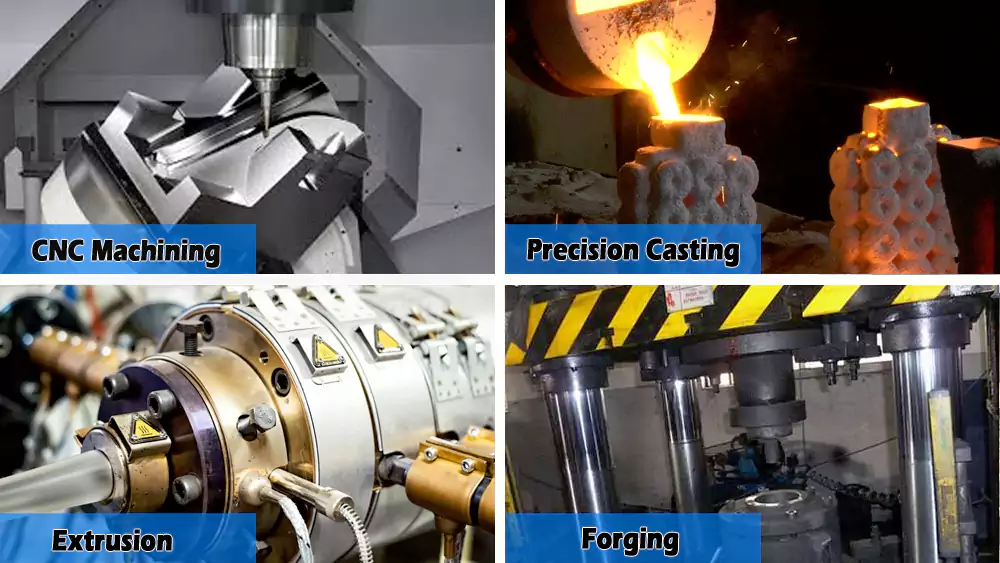
I match process to purpose. That is how I control both cost and quality.
Process Comparison
| Process | Best For | Pros | Cons |
|---|---|---|---|
| CNC Machining | Prototypes, precision parts | High accuracy | Higher cost |
| precision Casting | High volume parts | Low unit cost | Tooling cost |
| Extrusion | Profiles | Efficient | Limited shapes |
| Forging | High strength parts | Strong structure | Expensive tooling |
How I Decide in Real Projects
- Low volume + high precision → CNC machining
- High volume + complex shape → Die casting3
- Long profiles → Extrusion
- Safety-critical parts → Forging
For more technical insights, many engineers review a detailed aluminum CNC machining guide to understand tolerances, tooling, and optimization strategies.
Surface Finishing & Cost Factors?
Even a well-designed part can fail without proper finishing. Cost also becomes a major concern at this stage.
Surface finishing improves corrosion resistance, durability, and appearance, while total cost depends on material selection, machining complexity, tolerance requirements, finishing processes, and production volume.
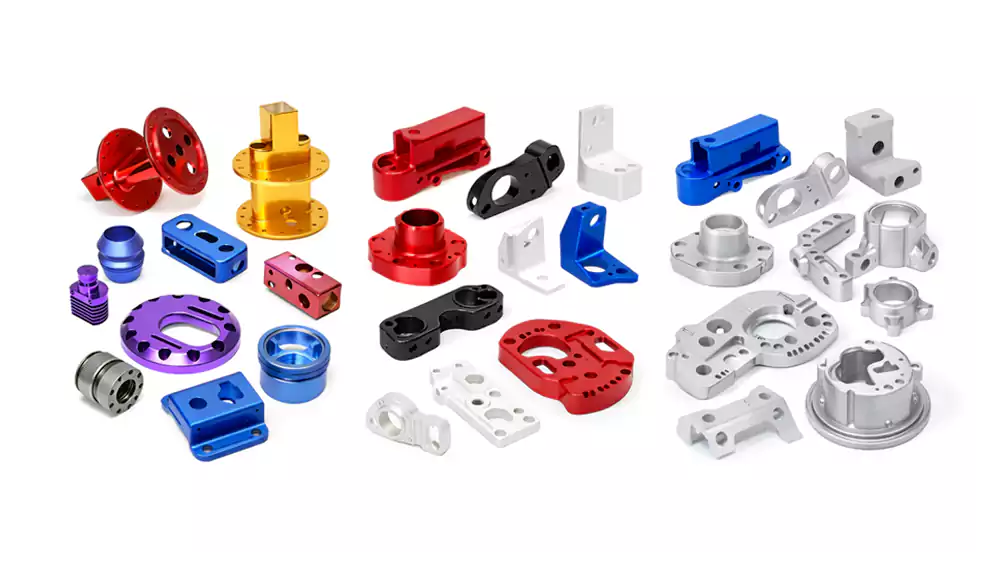
I always treat finishing as part of the design, not an afterthought.
Common Surface Finishes
| Finish | Benefit |
|---|---|
| Anodizing | Corrosion resistance, hardness |
| Powder Coating | Strong protection, aesthetics |
| Sandblasting | Uniform texture |
Main Cost Drivers
From my quoting experience:
- Material grade
- Machining time
- Tolerance requirements
- Surface finishing steps
- Batch size
I often reduce cost by adjusting tolerances that are tighter than necessary.
How to Choose a Reliable Aluminum Parts Manufacturer?
Finding suppliers is easy. Finding the right one is not. This is where many projects fail.
A reliable aluminum parts manufacturer should offer certified quality systems, precise inspection capabilities, fast and accurate quoting, and proven experience in automotive component production and export.
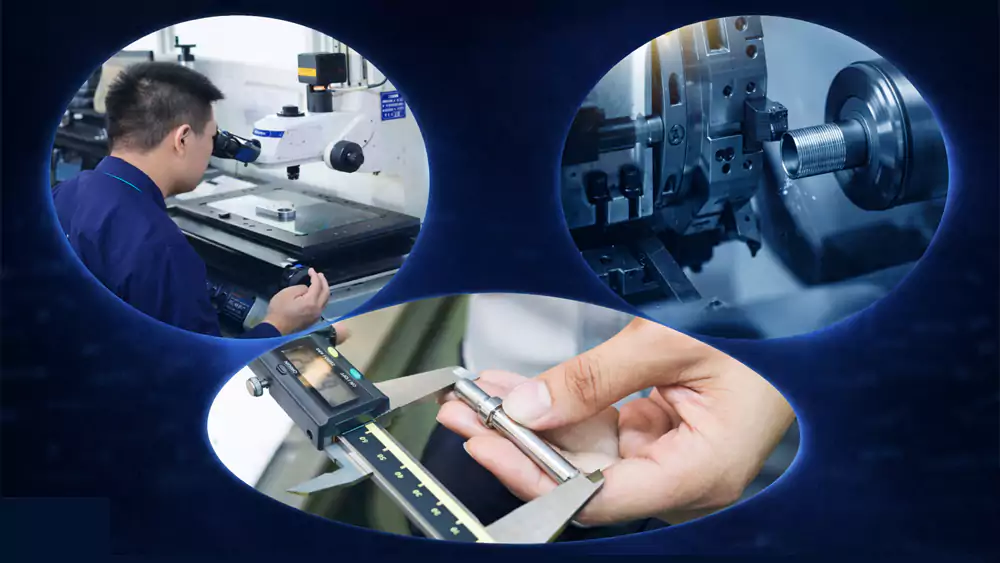
I focus on consistency, not promises.
What I Check First
- Certifications: ISO 9001, IATF 16949
- Inspection tools: CMM and full reports4
- Project experience: automotive applications
- Communication speed and clarity
What Matters Most to Engineers
From my experience:
- Can they hold ±0.01 mm tolerance5?
- Can they quote within 24–48 hours?
- Can they ensure data confidentiality?
Many buyers looking for long-term partners explore suppliers focused on customized automotive parts to ensure industry-specific expertise.
Practical Advice
Start small. Validate quality. Then scale production with confidence.
Conclusion
Aluminum car parts provide the best balance of weight, strength, and durability when the right material, process, and supplier are carefully selected.
-
Explore how lightweight materials like aluminum improve fuel efficiency and EV range, crucial for modern automotive design. ↩
-
Learn why 6061 aluminum alloy is the material of choice for precision machining and casting due to its balance of strength, machinability, and corrosion resistance. ↩
-
Learn why precision casting is the preferred choice for high-volume parts due to its low unit cost, making it a cost-effective manufacturing process. ↩
-
Explore this link to understand how CMM and full reports guarantee precise measurements and quality control in manufacturing. ↩
-
Explore this link to understand why maintaining ±0.01 mm tolerance is critical for high-quality automotive parts and precision engineering. ↩
