Last updated on February 3, 2026, by Lucy
I often see projects stall when a standard shaft fails in testing. Loads are higher than expected. Space is tight. Lead time is short. That is when teams start looking for a real custom solution.
A custom shaft is designed for a specific load, speed, fit, and environment when off-the-shelf parts cannot meet performance, tolerance, or lifecycle needs. It combines tailored geometry, suitable materials, and controlled machining processes to ensure reliability in demanding OEM applications.

I have worked on many shaft projects over the years. Some were simple motor shafts. Some were complex stepped drive shafts. Each one started with a clear talk about function and limits. That talk always shaped the final result. If you are exploring broader capabilities, you can also review our complete range of precision CNC shaft solutions.
What Makes a Shaft Truly “Custom” in Real Applications?
Many teams start with a catalog shaft. It looks close enough. The diameter is similar. The length is workable. Then problems show up during assembly or testing. That is when hidden design gaps become clear.
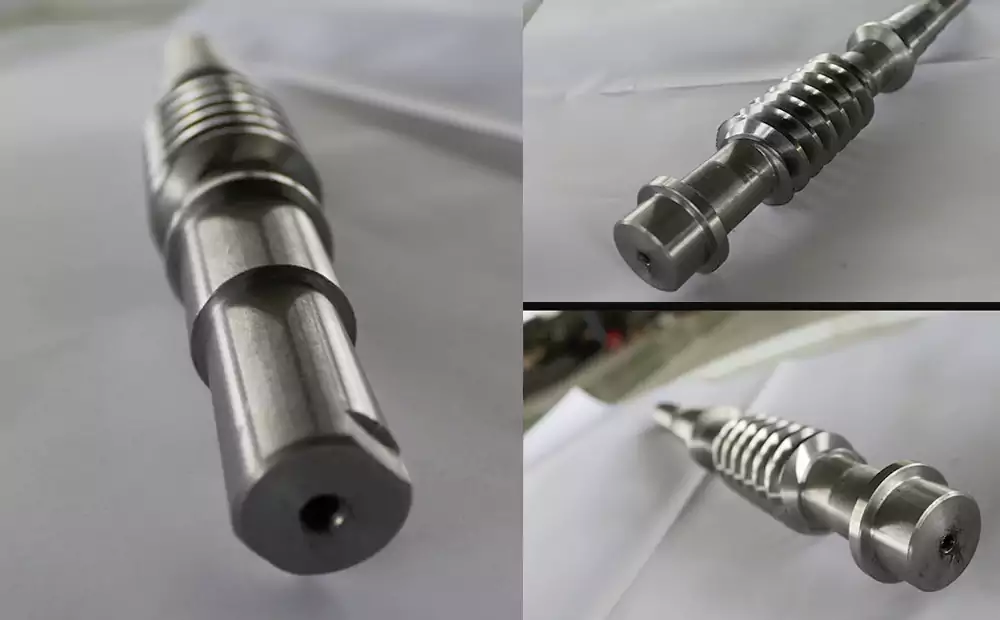
A shaft becomes “custom” when its dimensions, tolerances, features, and material are engineered for a specific machine function, not chosen from standard stock. This often includes special steps, splines, threads, heat treatment, and tight runout control.
Functional Roles of Shafts in Mechanical Systems
I always remind clients that a shaft is not just a rod. It is a load carrier and a motion carrier. It transfers torque. It keeps gears and bearings aligned. It controls rotation accuracy.
| Function | What It Means in Practice | Why Custom Matters |
|---|---|---|
| Torque transmission1 | Carries rotational force | Needs correct diameter and material strength |
| Positioning | Holds gears, rotors, or pulleys | Needs tight tolerances and shoulders |
| Support | Works with bearings and bushings | Needs surface finish and roundness control |
Common Types I Often Manufacture
Over the years, I have produced many shaft styles. Each type has different machining and inspection priorities.
- Drive shafts for power transfer systems — similar to those explained in detail in this guide to transmission shafts
- Motor shafts that demand tight runout and balance, like those discussed in this overview of what a motor shaft is
- Splined shafts for torque transfer without keys
- Hollow shafts to reduce weight and inertia
- Stepped shafts with multiple bearing and gear seats
Each type changes how we plan machining, heat treatment, and final inspection.
How Do Design and Material Choices Affect Shaft Performance?
I have seen strong designs fail because the material was wrong. I have also seen heavy shafts replaced by lighter ones with better alloys and heat treatment. Design and material always work together.
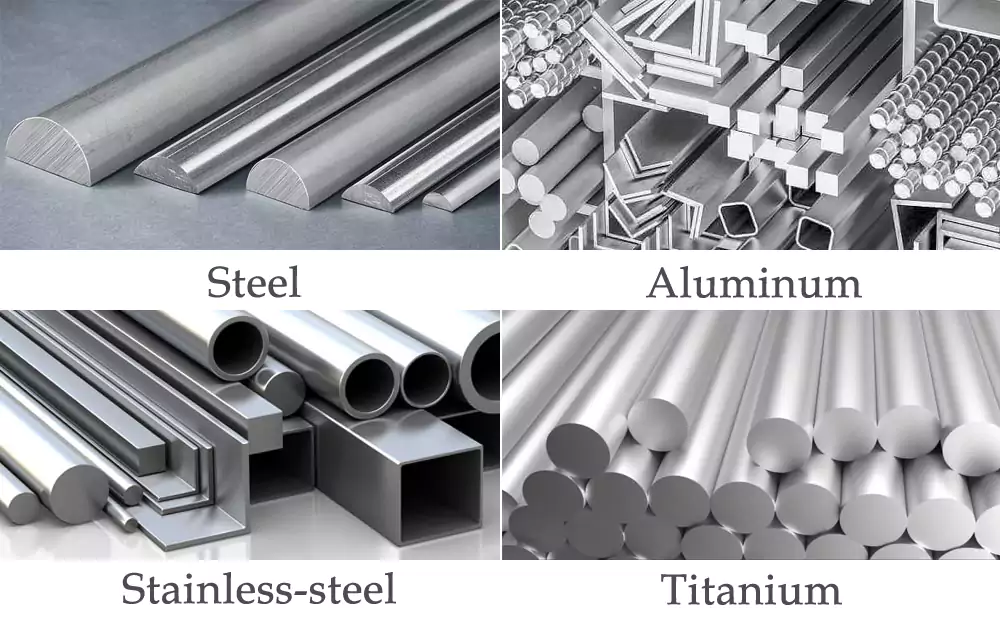
Shaft design must match load, speed, and environment, while material selection controls strength, wear resistance, corrosion resistance, and heat treatment response. The right combination improves fatigue life and long-term reliability.
Key Design Factors I Review First
When I receive a drawing, I check these points right away:
- Torque and bending load2
- Rotational speed
- Bearing fit tolerances
- Stress points at shoulders and grooves
- Space and weight limits
Sharp corners often cause cracks. Thin walls may bend. Small design changes can add a lot of life.
Materials I Commonly Recommend
| Material | Why I Use It | Typical Use |
|---|---|---|
| 4140 / 4340 alloy steel3 | High strength and toughness | Automotive and industrial drive shafts |
| 17-4PH stainless | Strength + corrosion resistance | Medical and food equipment |
| 316 stainless | Strong corrosion resistance | Wet or chemical environments |
| Aluminum alloys | Light weight | Robotics and light-duty systems |
| Titanium | High strength-to-weight ratio | Aerospace or high-end applications |
Heat treatment is also key. Hardening improves wear. Case hardening helps splines and bearing seats last longer.
What Actually Happens During Custom Shaft Manufacturing?
Many engineers know design well. Fewer see what happens on the shop floor. I always tell clients that process planning is as important as design. If you want a deeper technical breakdown, this article on CNC machining of shafts gives a focused look at machining strategies.
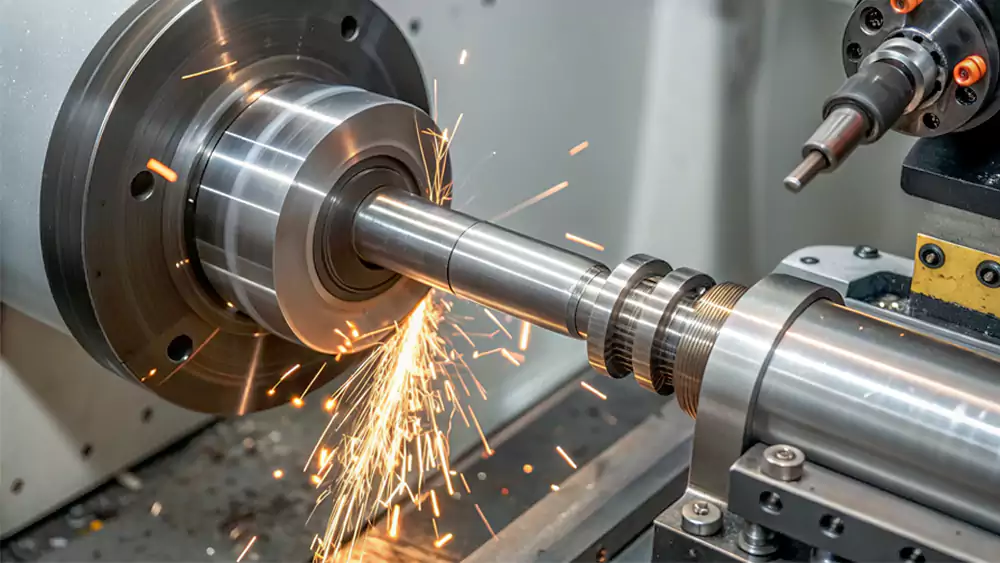
Custom shaft manufacturing moves from drawing review to CNC turning, feature machining, heat treatment, grinding, finishing, and final inspection. Each step controls geometry, strength, and surface quality.
The Process Flow I Typically Follow
- DFM review – I check if tolerances and features are practical
- CNC turning – Main diameters and steps are machined
- Milling or hobbing – Keyways, splines, or gears are added
- Heat treatment – Strength and wear resistance are improved
- Grinding – Tight tolerances and smooth surfaces are achieved
- Surface finishing – Coating or corrosion protection if needed
- Inspection – Runout, size, and finish are verified
Grinding is often the step that brings a shaft from “machined” to “precision.”
What Quality Factors Decide Whether a Shaft Will Last?
I have seen shafts that looked perfect but failed early. Small geometric errors can cause vibration, noise, and bearing damage.
Precision shafts depend on strict control of runout, concentricity, surface finish, and heat-treatment distortion. These factors directly affect fatigue life, vibration, and bearing performance in real machines.
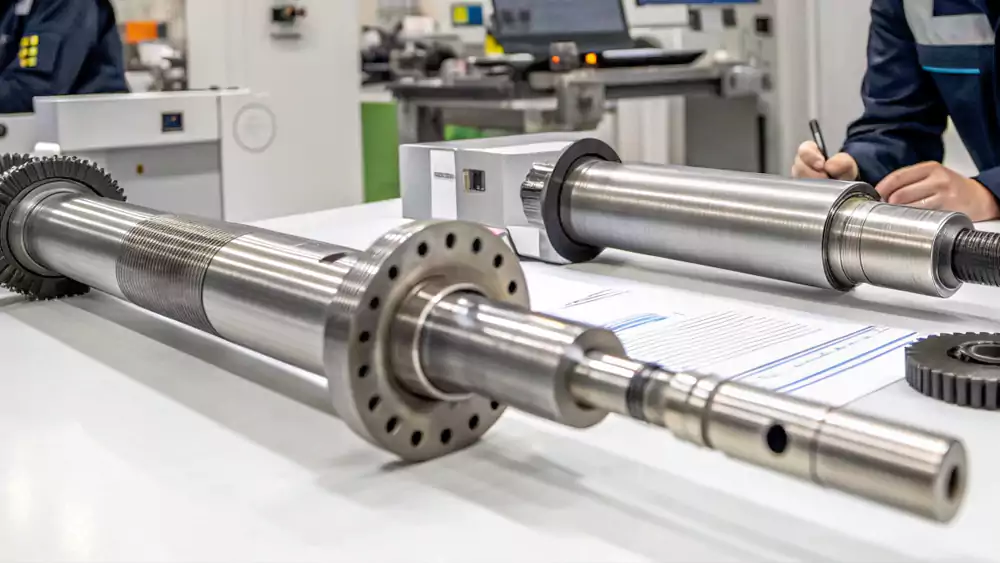
Critical Parameters I Watch Closely
| Parameter | Why It Matters | Typical Control Method |
|---|---|---|
| Runout | Affects vibration and bearing life | Dial indicators, CMM |
| Concentricity | Keeps rotating parts aligned | Precision setups, grinding |
| Surface roughness | Impacts bearing and seal wear | Controlled grinding and polishing |
| Straightness | Prevents wobble at high speed | Between-centers grinding |
Heat treatment distortion4 is another big risk. We often leave grinding stock before hardening, then finish grind after.
How Do I Choose the Right Custom Shaft Manufacturer?
I have worked with many customers who changed suppliers after quality issues. Choosing the right partner early saves time and money. For automotive programs in particular, this guide on custom automotive shaft machining and OEM supplier selection explains what many OEMs look for.
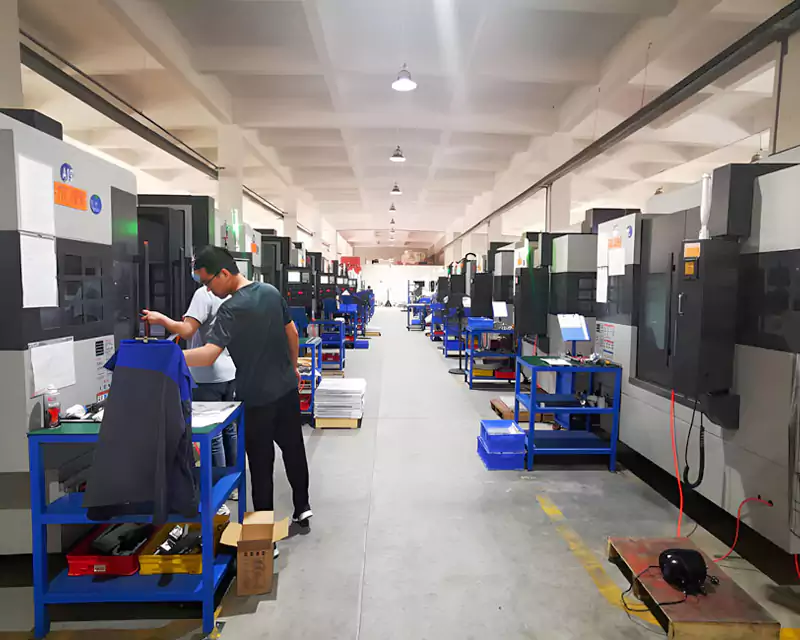
A reliable shaft manufacturer should have multi-axis CNC capability, precision grinding, strong quality control, and experience with similar applications. The ability to support both prototypes and production is also critical.
What I Suggest You Check
- Equipment list and machining capacity
- Experience in your industry
- Tolerance capability history
- In-house vs outsourced heat treatment
- Inspection tools and traceability system
Case Study: High-Speed Motor Shaft
One project I handled involved a high-speed motor shaft for industrial automation.
| Parameter | Requirement | Final Result |
|---|---|---|
| Material | 17-4PH stainless | H900 heat treated |
| Max runout | ≤ 0.01 mm | 0.006 mm achieved |
| Surface roughness (bearing seat) | Ra ≤ 0.4 µm | Ra 0.32 µm |
| Operating speed | 18,000 RPM | Stable in endurance test |
| Production volume | 1,200 pcs/year | Consistent over 3 batches |
The key was controlling distortion after heat treatment and finishing with precision grinding.
Conclusion
A reliable custom shaft comes from good design, the right material, controlled machining, and a capable manufacturing partner who understands real working conditions.
-
Explore this link to understand how torque transmission is critical for shaft performance and why material strength and diameter matter. ↩
-
Explore this to understand how managing torque and bending load can prevent mechanical failures and extend component life. ↩
-
Learn why 4140 / 4340 alloy steel is preferred for its high strength and toughness in critical mechanical applications. ↩
-
Explore this link to understand how heat treatment distortion can impact machining accuracy and how to mitigate it effectively. ↩
