Many CNC shops still wait for machines to fail. This causes delays, scrap, and stress. I have seen projects fall apart because one spindle stopped at the wrong time.
Predictive maintenance uses real-time data and analytics to detect early signs of machine failure. It helps OEM manufacturers fix issues before breakdowns happen, reducing downtime, improving part quality, and ensuring stable production.
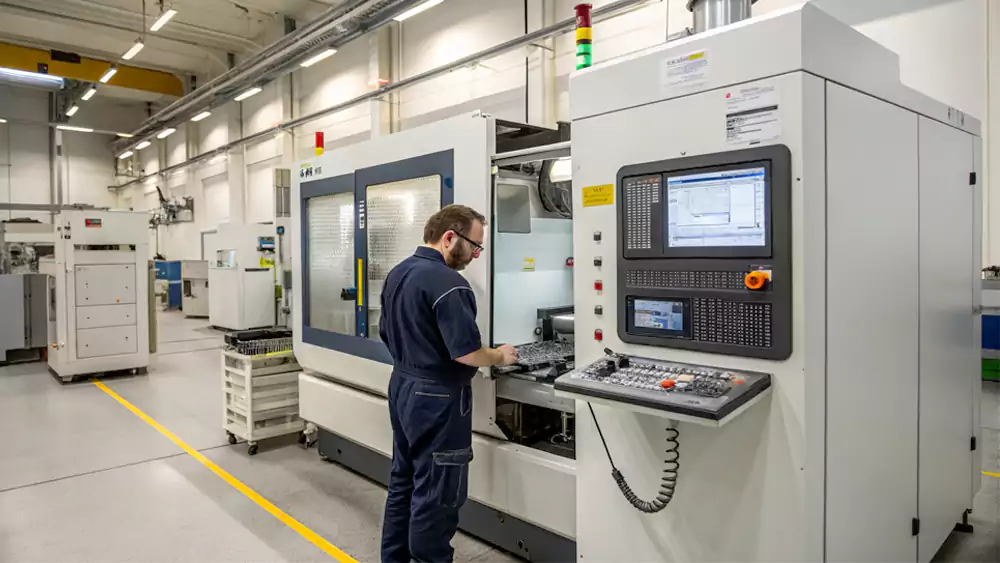
I used to fix machines after they broke. Now I focus on stopping problems before they start. This shift changed how I run my shop and how I serve my customers. If you want stable delivery and fewer surprises, you need to understand how this works in real production.
What Is Predictive Maintenance in CNC Machining?
Machine failures often come without warning. That is the problem. Traditional maintenance reacts too late.
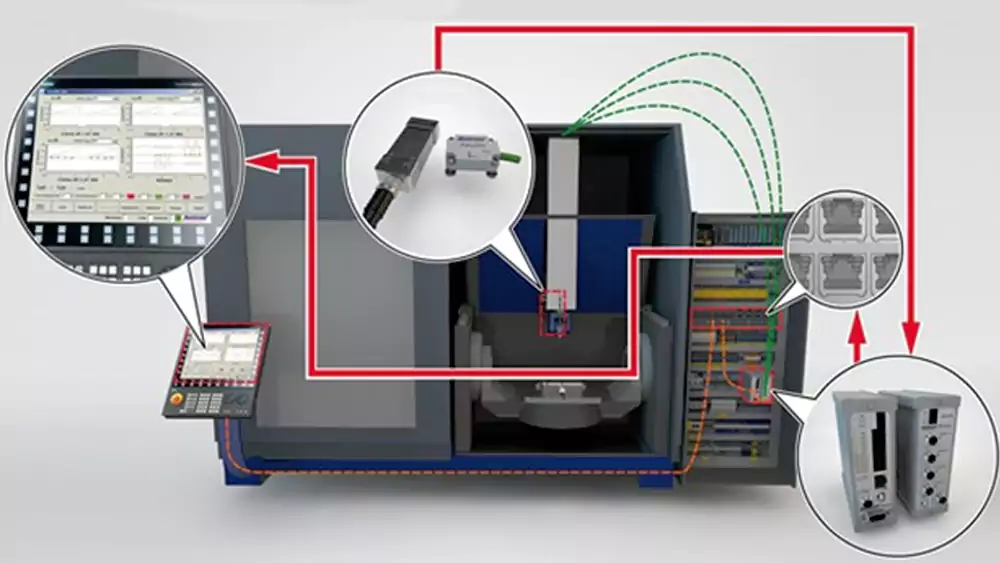
Predictive maintenance monitors machine conditions like vibration, temperature, and load. It uses this data to predict failures before they happen, allowing planned maintenance instead of emergency repairs.
How It Works in Real CNC Environments
I rely on sensors and software to track machine health. These tools give me early signals.
Key Data Points I Monitor
| Parameter | What It Indicates | Risk Signal |
|---|---|---|
| Spindle vibration1 | Bearing wear | Sudden increase |
| Temperature | Lubrication or overload | Continuous rise |
| Cutting force | Tool wear or chatter | Abnormal fluctuation |
| Power usage | Machine load condition | Unexpected spikes |
Simple Workflow
- Collect data from sensors
- Analyze trends using software
- Detect abnormal patterns
- Schedule maintenance before failure2
This is not guesswork. It is data-driven control. That is the key difference.
Why Predictive Maintenance Matters in Modern CNC Manufacturing?
Downtime is expensive. In high-mix, low-volume production, even one delay can break the schedule.
Predictive maintenance matters because it reduces unexpected downtime, supports lean manufacturing, and aligns with smart factory trends like Industry 4.0 and digital manufacturing.

I have seen a clear shift in what serious buyers expect. They no longer accept unstable delivery. They want data-backed reliability. This is where predictive maintenance starts to separate capable suppliers from average ones.
Industry Shift I Have Seen
In the past, most shops used preventive maintenance. They followed fixed schedules. That worked, but it was not efficient.
Now I see more OEM customers asking for stability and traceability.
What OEM Buyers Care About3
- On-time delivery
- Stable process capability
- Low defect rates
- Transparent production data
Predictive maintenance helps me meet all of these.
Real Case from My Shop
I once worked on a batch of aerospace components. The tolerance was tight: ±0.01 mm.
| Parameter | Before Implementation | After Implementation |
|---|---|---|
| Spindle failure rate | 3 times / 6 months | 0 times / 6 months |
| Scrap rate | 4.8% | 1.2% |
| Downtime | 18 hours/month | 5 hours/month |
| Delivery delay | 2–3 days | 0 days |
This was not luck. It came from tracking spindle vibration and replacing bearings early.
Key Technologies and Methods Behind Predictive Maintenance?
Without the right tools, predictive maintenance cannot work. Data is the foundation.
Predictive maintenance relies on sensors, IoT systems, machine learning, and data analytics to monitor machine health and detect failure patterns.
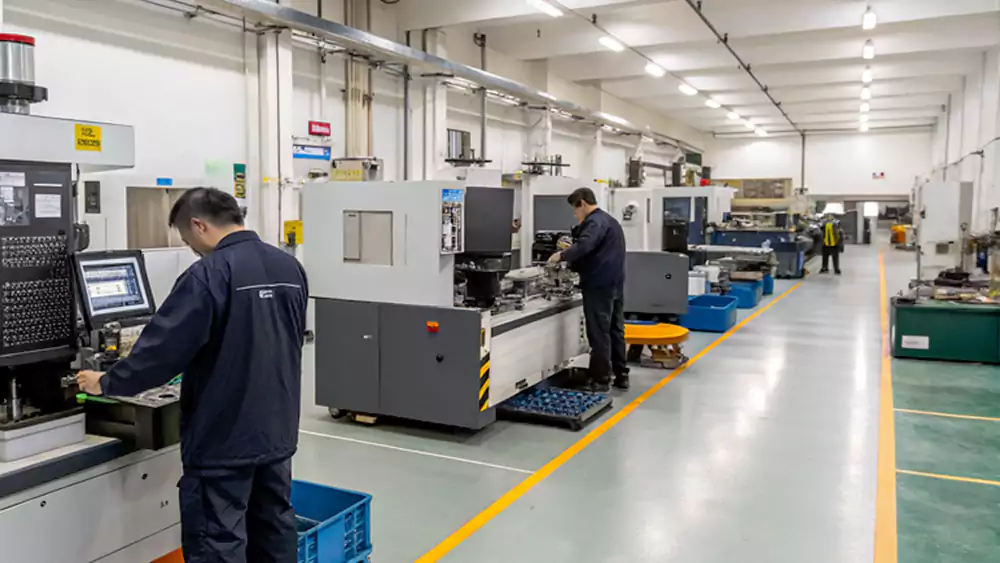
The technology may sound complex, but the idea is simple. You collect the right data, then you act before failure happens. What matters is not how advanced the system is, but whether it helps you make better decisions.
Core Technologies I Use
1. Sensors
These are installed directly on machines.
- Vibration sensors
- Temperature sensors
- Acoustic sensors
2. IoT Connectivity
Machines send data to a central system. I can monitor multiple machines at once.
3. Data Analytics
Software identifies patterns. It compares current data with historical trends.
4. Machine Learning (Advanced Stage)4
This helps predict failures more accurately over time.
Methods That Actually Work
| Method | Use Case | Benefit |
|---|---|---|
| Condition monitoring5 | Continuous tracking | Early detection |
| Trend analysis | Long-term performance review | Predict wear patterns |
| Threshold alerts | Real-time warning | Fast response |
I do not use everything at once. I start simple. Then I scale based on results.
Benefits of Predictive Maintenance for CNC Machine Tools?
Many people think it is only about avoiding breakdowns. That is not the full picture.
Predictive maintenance improves machine uptime, reduces scrap, extends tool life, and increases overall production efficiency.
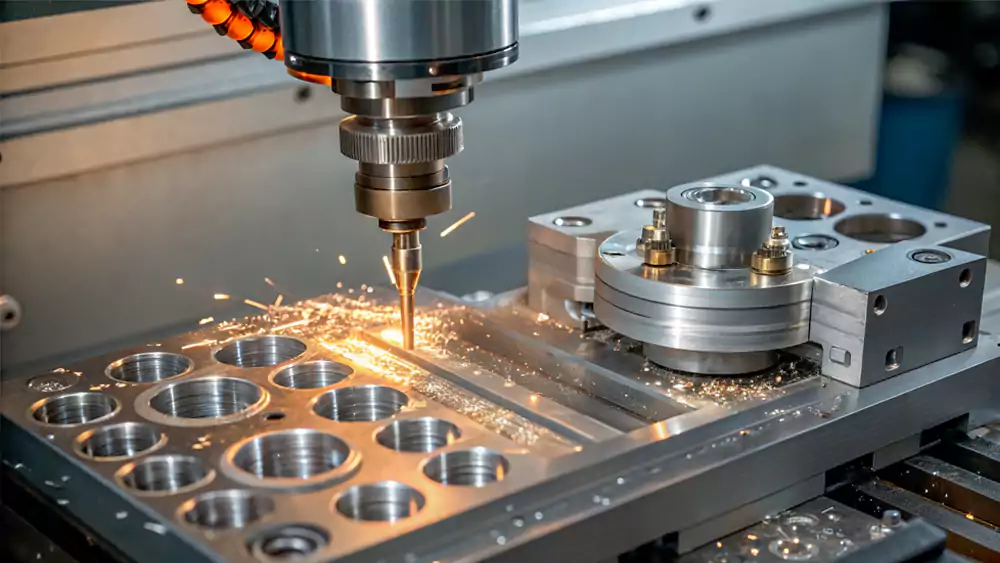
When I first applied this in my shop, the biggest change was not just fewer failures. It was the confidence in production. I could commit to deadlines without worrying about sudden machine stops.
What Changed in My Shop
1. Downtime Reduction6
This is the most obvious gain.
- Fewer emergency stops
- Better production planning
2. Better Part Quality
Stable machines produce stable parts.
- Less variation
- Fewer rejected parts
3. Longer Tool Life
I replace tools based on condition, not guesswork.
4. Cost Control
Less scrap. Less rework. Less wasted time.
Measurable Impact
| Metric | Improvement Range |
|---|---|
| Downtime | -50% to -70% |
| Scrap rate | -30% to -60% |
| Maintenance cost | -20% to -40% |
These numbers match what I see in real production.
How Predictive Maintenance Is Implemented in CNC Workshops?
Many people think this is complex. It does not have to be.
Predictive maintenance is implemented by installing sensors, collecting machine data, analyzing trends, and creating maintenance schedules based on real conditions instead of fixed intervals.
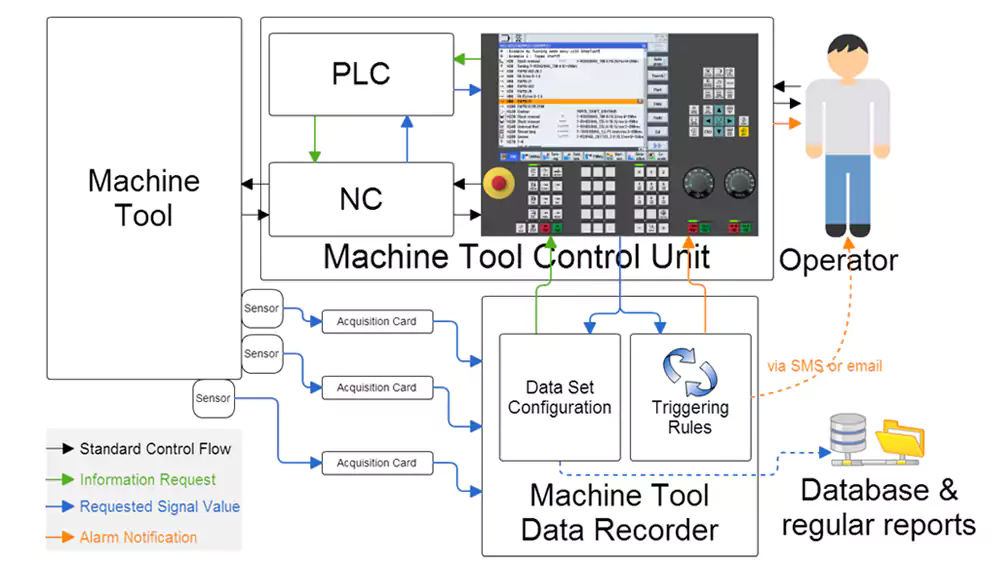
Most shops fail not because of technology, but because they overcomplicate the process. I always keep it simple at the start. Then I improve step by step.
My Step-by-Step Approach
Step 1: Start with Critical Machines
I begin with machines that affect delivery the most.
Step 2: Install Basic Sensors
No need for full automation at the start.
Step 3: Collect and Review Data
I track trends weekly. I look for patterns.
Step 4: Set Threshold Alerts
This helps me act fast when something changes.
Step 5: Train the Team
Operators must understand the data. This is important.
Common Mistakes I Avoid
- Installing too many sensors at once
- Ignoring data after collection
- Not linking maintenance to production planning
Simple systems work better at the start.
Cost, ROI, and What It Means When Choosing a CNC Supplier?
Many buyers ask one question: is it worth it?
Predictive maintenance delivers ROI by reducing downtime, improving consistency, and lowering total production cost, making CNC machining suppliers more reliable and competitive.
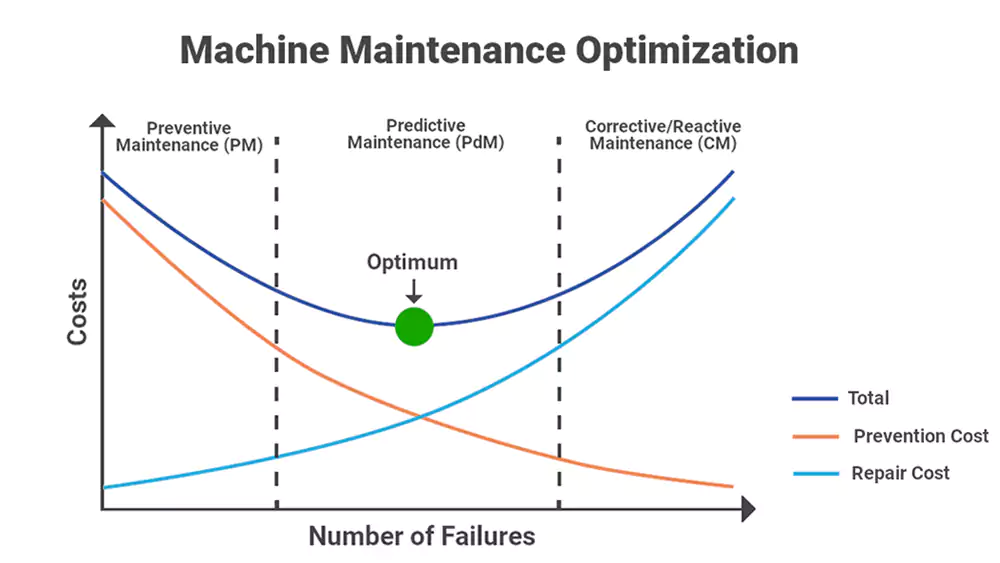
When customers evaluate my shop, they do not just look at price. They look at risk. Predictive maintenance reduces that risk. That is why it directly affects supplier selection.
Cost vs Value
Initial costs include:
- Sensors
- Software
- Setup time
But the return is clear.
ROI Breakdown
| Factor | Impact |
|---|---|
| Downtime reduction | Direct cost savings |
| Scrap reduction | Material savings |
| Efficiency gain | Higher output capacity |
What It Means for You as a Buyer
When I choose suppliers, or when customers choose me, predictive maintenance becomes a signal of maturity.
A Supplier with Predictive Maintenance Can:
- Deliver on time more consistently
- Maintain tighter tolerances
- Handle complex parts with confidence
- Reduce risk in your supply chain
This is what experienced engineers look for. Not just price, but reliability.
Conclusion
Predictive maintenance shifts CNC machining from reactive to proactive. It improves reliability, reduces cost, and builds trust with customers who depend on consistent, high-quality parts.

-
Explore this link to understand how monitoring spindle vibration can prevent bearing wear and unexpected machine failures. ↩
-
Learn strategies to use data-driven insights for timely maintenance, reducing downtime and extending machine life. ↩
-
Learn why OEM buyers focus on on-time delivery, stable processes, low defects, and transparent data to choose capable suppliers. ↩
-
Learn how machine learning enhances predictive maintenance by accurately forecasting failures, helping you optimize maintenance schedules and reduce downtime. ↩
-
Explore this link to understand how condition monitoring enables continuous tracking and early detection, crucial for preventing costly machine failures. ↩
-
Explore this link to learn proven methods to significantly reduce downtime, boosting production efficiency and meeting deadlines confidently. ↩
