I often see engineers confused about AI in CNC. They hear big claims. They still need real parts made right and on time.
AI does not replace traditional CNC machining. It enhances it by improving programming, predicting errors, and optimizing processes, while skilled machinists still control quality, materials, and final outcomes in real production.
I have worked with both traditional and AI-assisted machining for years. I have seen where each works well. I will break it down in a simple and practical way.
What AI Means in CNC Machining (Beyond the Buzzword)?
Many people think AI means fully automated factories. That is not the reality in most CNC shops today.
In CNC machining, AI mainly means software that helps with toolpath optimization, error prediction, and process automation. It supports machinists rather than replacing them in real-world production.
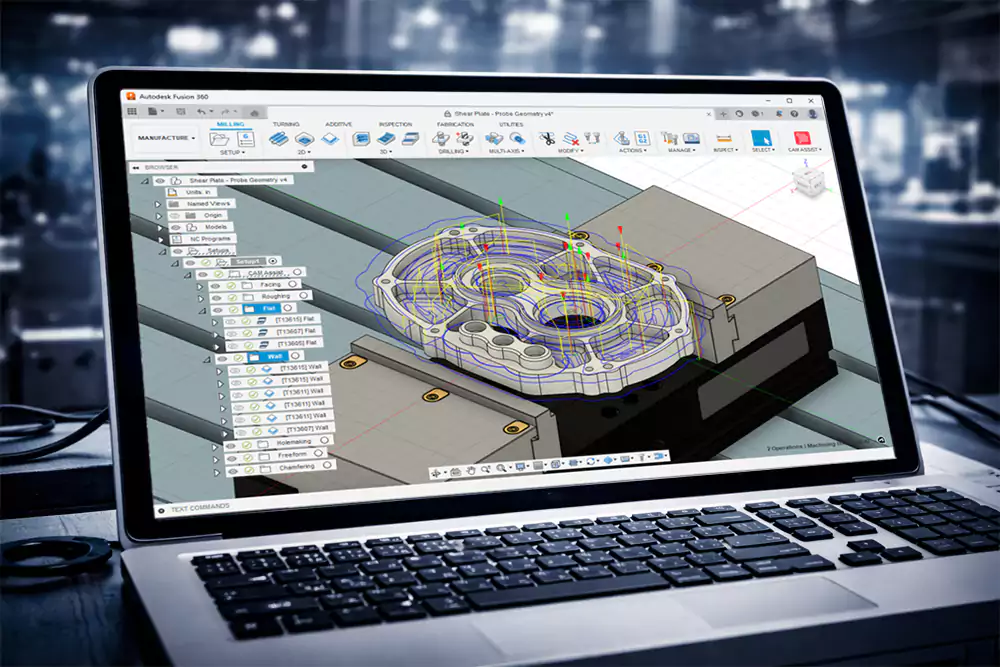
When I first started using AI-assisted CAM tools, I noticed one clear change. The system could analyze thousands of toolpath options very fast. It could suggest better cutting strategies. It could also warn about collisions before they happened.
Where AI actually shows up
AI in CNC is not magic. It shows up in specific steps:
- Toolpath generation and optimization
- Feed rate and cutting parameter adjustment
- Collision detection and simulation
- Predictive maintenance of machines1
What it does not do
It does not:
- Understand customer intent fully
- Replace engineering judgment
- Handle unexpected material behavior on its own
I still rely on my team for decisions. For example, when machining thin-wall aluminum part, AI may suggest aggressive cutting. But I know that can cause deformation. So I adjust it manually.
AI helps with speed. Humans control risk.
AI vs Traditional CNC Machining: Key Differences in Real Production
Many buyers ask me if AI machining is always better. The answer is no. It depends on the job.
AI-assisted CNC improves efficiency and consistency through automation and data, while traditional CNC relies more on operator experience, offering strong control and reliability in stable production environments.
Here is a clear comparison based on real shop experience:
| Factor | Traditional CNC | AI-Assisted CNC |
|---|---|---|
| Programming | Manual CAM setup | AI-assisted toolpath |
| Cycle Time | Stable | Faster after optimization |
| Precision | Operator dependent | More consistent |
| Cost | Lower upfront | Better long-term efficiency |
| Flexibility | Good for simple parts | Strong for complex geometry |
Case Study: Aluminum Housing Project
I worked on a project for a European automation client. The part was a complex aluminum housing.
| Parameter | Value |
|---|---|
| Material | 6061-T6 Aluminum |
| Tolerance | ±0.01 mm |
| Batch Size | 120 pcs |
| Traditional Cycle Time | 38 min |
| AI Optimized Cycle Time | 29 min |
| Scrap Rate Reduction2 | 22% |
What happened in reality
At first, we used a traditional programming method. It worked fine. But the cycle time was long. The tool wear was also higher than expected.
Then we switched to AI-assisted toolpath optimization. The system adjusted cutting paths and feed rates. It reduced air cutting and improved engagement.
But I still reviewed every step. I made final decisions on finishing passes and critical tolerances.
The result was better efficiency. But the success came from combining AI with experience.
Can AI Replace Traditional CNC Machining in Real Manufacturing?
Many articles say AI will replace machinists. I do not agree with that view.
AI cannot replace traditional CNC machining because it lacks real-world judgment, material understanding, and accountability. It works best as a tool that supports skilled machinists in improving efficiency and reducing errors.
I always tell my clients this:
AI does not replace machinists. It gives machines a “super brain” for calculations and prediction. But we still control the outcome.
The software finds the fastest path. My team makes sure it is the right one.
Why AI alone is not enough
There are three key limits:
1. Material behavior is not predictable3
Different batches of material behave differently. AI models cannot fully predict that.
2. Engineering trade-offs need human judgment4
Sometimes you need to choose between speed and surface finish. AI cannot understand customer priorities clearly.
3. Responsibility matters
When a part fails, someone must take responsibility. That is always a human decision.
What AI really changes
AI reduces:
- Programming time
- Trial and error
- Machine idle time
But it does not replace:
- Quality control
- Process validation
- Final inspection
That is why real factories use both.
When to Choose AI vs Traditional CNC Machining?
Choosing the right method is not about trends. It is about your project needs.
AI-assisted CNC is better for complex, high-efficiency, or repeat production, while traditional CNC is more suitable for simple parts, early-stage prototypes, and projects that require tight manual control.
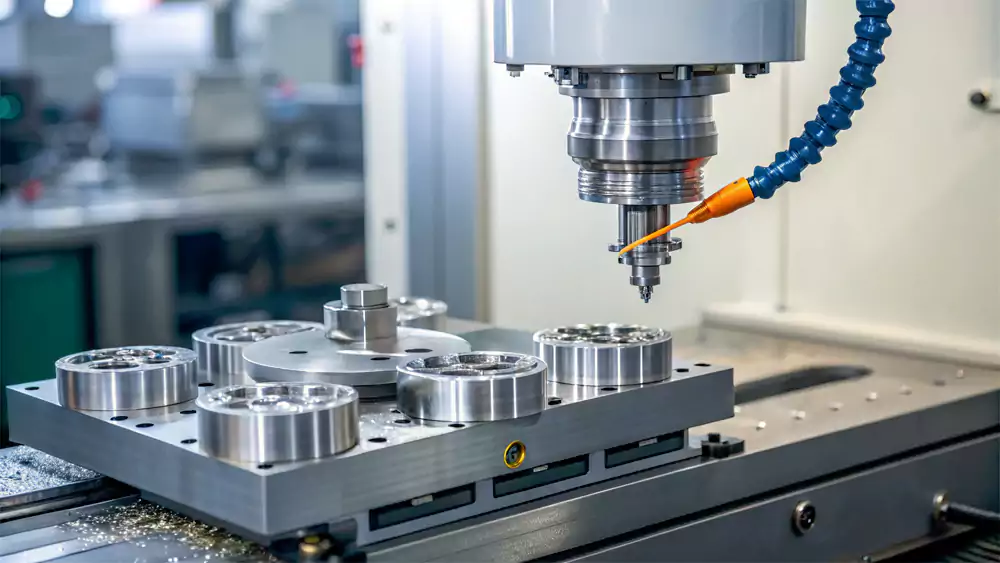
Scenario-based decision guide
1. Prototype development
I often use traditional CNC for early prototypes. It is faster to set up. It allows quick changes.
2. Complex geometry parts
For complex shapes, AI helps a lot. It finds better toolpaths. It reduces machining time.
3. Tight tolerance parts
Both methods can achieve tight tolerances. But AI improves consistency across batches.
4. Cost-sensitive projects
If the volume is low, traditional CNC is usually more cost-effective.
If the volume increases, AI optimization reduces cost per part.
Practical rule I follow
- Simple part → Traditional CNC
- Complex part → AI-assisted CNC
- High volume → AI
- Low volume → Traditional
This simple rule works in most cases.
How to Choose a Reliable CNC Machining Partner in the Age of AI?
Many buyers focus too much on technology. They forget the supplier matters more.
A reliable CNC machining partner should combine AI-assisted capabilities with strong engineering support, DFM expertise, quality systems, and reliable communication, especially for international manufacturing projects.
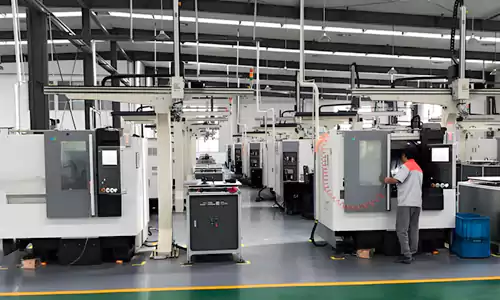
When I work with clients from Europe and the US, I see the same concerns again and again.
What really matters
1. Engineering support
Can the supplier review your design and suggest improvements?
2. DFM capability
Do they optimize your part for manufacturing, or just follow drawings?
3. AI capability (practical, not marketing)
Do they actually use AI tools in programming and production?
4. Quality system
Do they have stable inspection processes and documentation?
5. Communication and delivery
Can they respond fast and meet deadlines?
What I do in my own shop
I combine AI-assisted programming with experienced machinists.
I do not rely only on automation.
I review critical dimensions manually.
This is what many of my long-term clients value. They want efficiency. But they also want reliability.
Conclusion
AI improves CNC machining, but it does not replace it. The best results come from combining smart software with experienced machinists.

-
Learn about predictive maintenance techniques that help prevent machine failures and extend the lifespan of CNC equipment, ensuring smoother operations. ↩
-
Learn how AI integration in CNC processes leads to substantial scrap rate reduction, enhancing cost savings and sustainability. ↩
-
Explore this to understand the challenges AI faces in predicting material behavior, crucial for realistic manufacturing expectations. ↩
-
Learn why human decision-making is essential in balancing speed and quality, which AI alone cannot manage effectively. ↩
