Pins often look simple. Many engineers ignore them. That mistake can cause misalignment, wear, and costly assembly failure.
Pins are precision fasteners used to locate, align, or secure parts. Choosing the right pin type depends on load, fit, material, and environment, because even small errors in tolerance or selection can lead to major assembly failure.
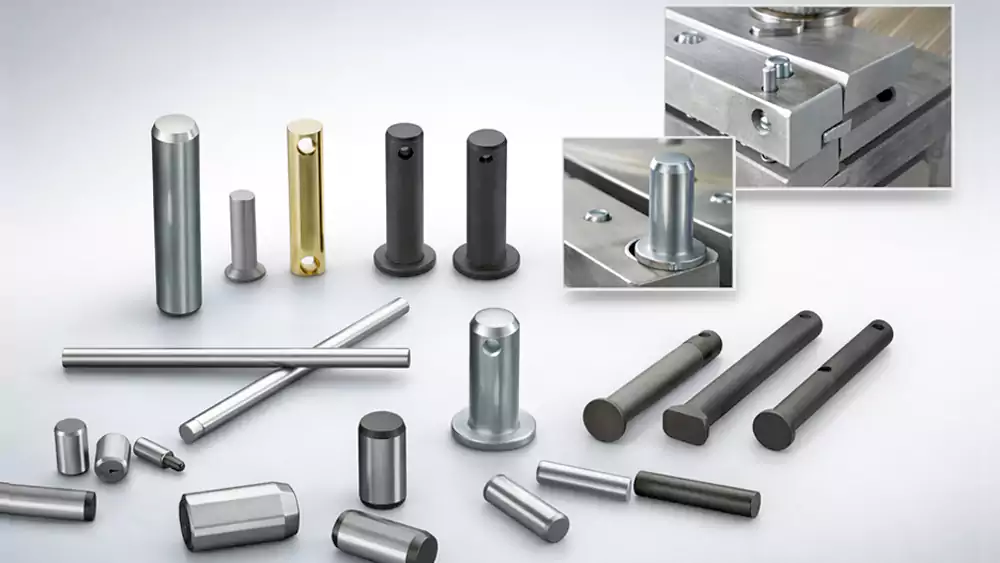
I have seen many assemblies fail because of one small pin. I always treat pins as critical parts. A small tolerance error can destroy system accuracy. I will walk through what really matters.
What Are Pins and Where Are They Used?
Pins often look simple. Many engineers treat them as standard parts. That view can cause alignment issues and repeat failures.
Pins are cylindrical or tapered fasteners used to position, align, or secure components in mechanical assemblies, especially in industries like automotive, aerospace, and industrial machinery where precision and repeatability are critical.
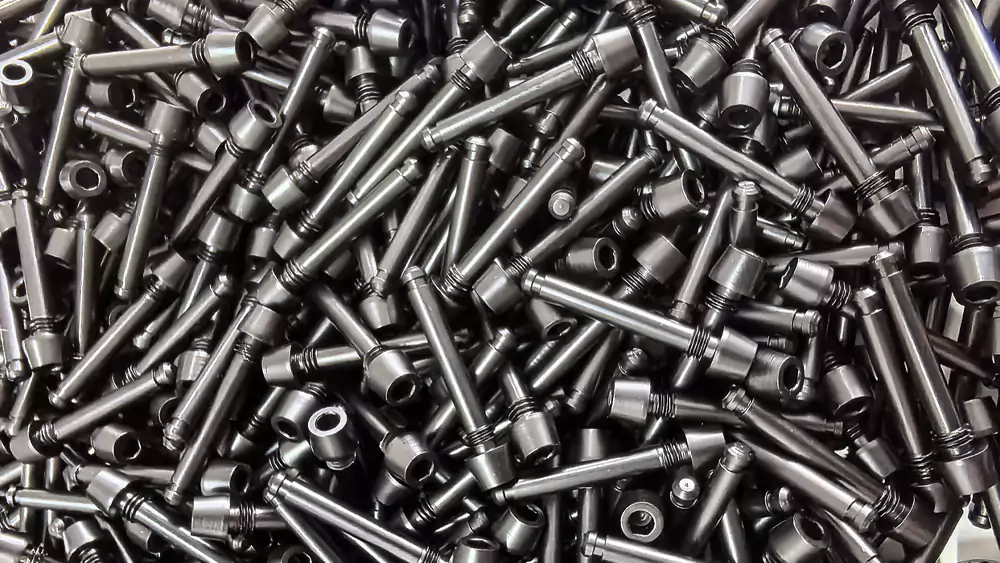
I often start with function before anything else. I ask what the pin is supposed to control. That helps me avoid many early mistakes.
What Pins Do in Assemblies
I use pins mainly for three functions:
- Locating1: control position between parts
- Securing: hold components together
- Aligning: ensure repeatable assembly
Pins do not replace bolts. Pins control geometry. Bolts control clamping force.
Typical Industry Applications
| Industry | Use Case | Why Pins Matter |
|---|---|---|
| Automotive | Gearbox alignment2 | Prevent misalignment under load |
| Aerospace | Structural positioning | High tolerance requirement |
| Machinery | Fixture location | Repeatability in production |
Before I move to pin types, I always remind myself that not all pins behave the same. Choosing the wrong type can cause more problems than using no pin at all.
Common Types of Pin Fasteners in Manufacturing (Functions & Applications)?
Many engineers choose pin types based on habit. That often leads to poor performance and early failure.
Different types of pin fasteners serve specific functions such as precision alignment, load support, or quick assembly, so selecting the correct type depends on the application, load conditions, and assembly requirements.
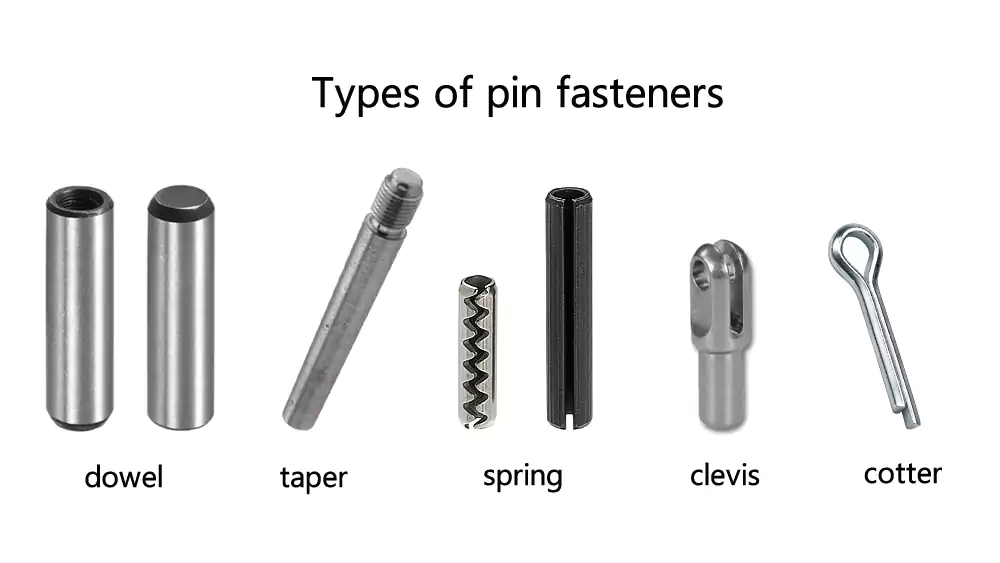
I usually compare pin types side by side. That gives me a clear view of their strengths and limits.
Main Pin Types Overview
| Pin Type | Function | Advantage | Application |
|---|---|---|---|
| Dowel Pin | Precision locating | High accuracy | Fixtures, molds |
| Taper Pin | Self-locking | Strong fit | Shafts, hubs |
| Spring Pin | Flexible fastening | Absorbs shock | Dynamic loads |
| Clevis Pin | Quick assembly | Easy removal | Linkages |
| Cotter Pin | Locking | Prevents loosening | Safety retention |
Real Factory Case (20+ Years Experience)
I once worked on an automation fixture project. The client had repeat alignment issues. They used standard dowel pins without thinking about fit.
| Parameter | Original | Optimized |
|---|---|---|
| Pin Type | Standard dowel | Ground precision dowel3 |
| Diameter | 10 mm | 10 mm (h6 tolerance) |
| Fit | Loose fit | Interference fit |
| Material | Carbon steel | Hardened alloy steel |
| Result | ±0.08 mm error | ±0.01 mm error |
This change improved repeatability by 8x. I learned that pin selection is not a small decision.
Materials and Manufacturing Processes for Precision Pins?
Many buyers focus on price only. That often leads to poor durability and early wear.
Precision pins are made from materials like carbon steel, stainless steel, alloy steel, or brass, and are manufactured using processes such as CNC machining, cold heading, grinding, and heat treatment to ensure strength, accuracy, and durability.
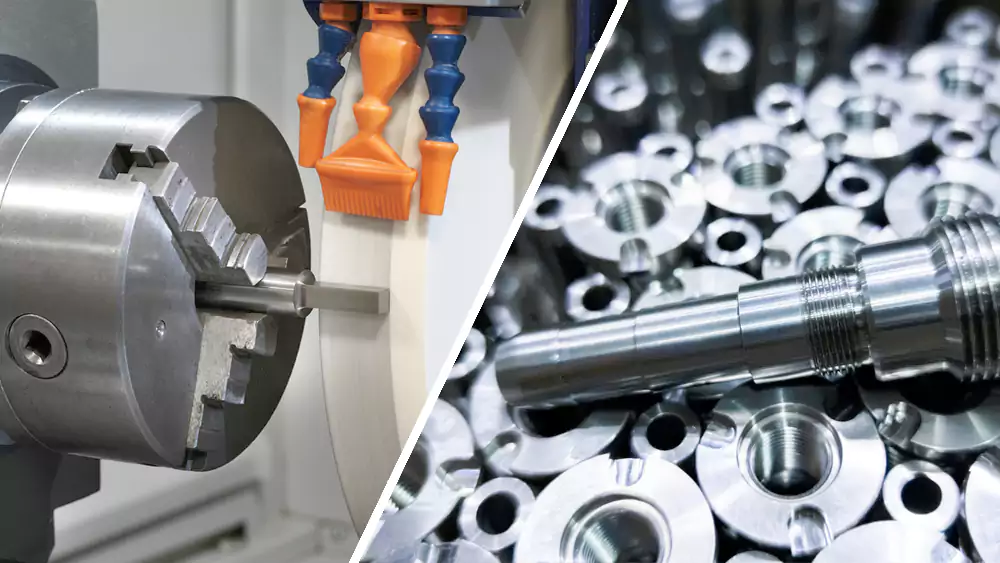
I always match material and process together. One without the other does not work well.
Common Materials
| Material | Strength | Corrosion Resistance | Cost |
|---|---|---|---|
| Carbon Steel | Medium | Low | Low |
| Stainless Steel 304 | Medium | High | Medium |
| Alloy Steel | High | Medium | High |
| Brass | Low | Medium | Medium |
When customizing pin fasteners, I typically choose stainless steel if corrosion resistance is required. If high strength is needed, I opt for alloy steel. If you’re unsure, feel free to contact our machining experts at any time; they will help you select the appropriate CNC machining material..
Manufacturing Processes
- Cold Heading: best for high volume
- CNC Machining: flexible for custom parts
- Grinding: required for high precision
- Heat Treatment: improves hardness
Surface Finishing
- Zinc plating → corrosion protection
- Black oxide → basic protection
When it comes to choosing a surface treatment for custom pins, I always base my decision on the specific application environment.
Before selecting a pin, I always step back and evaluate the real working condition. That leads to the next key step.
How to Choose the Right Pin for Your Application?
Many engineers select pins by size only. That creates hidden risks in performance.
Choosing the right pin requires evaluating load type, fit, environment, and assembly needs, because each factor directly affects strength, durability, and long-term reliability.
I always break the decision into simple steps. That keeps the process clear.
Key Selection Factors
1. Load Type4
- Shear load → dowel or taper pins
- Dynamic load → spring pins
2. Fit Type
| Fit Type | Use Case |
|---|---|
| Interference Fit | Permanent assembly |
| Clearance Fit | Easy removal |
3. Environment
- High humidity → stainless steel
- High temperature → alloy steel
4. Assembly Needs
- Frequent removal → clevis pin
- Permanent locking → cotter pin
I often think about real use. Will the pin move? Will it be removed? That answer guides my decision.
Custom Pin Manufacturing: Tolerances, Standards and How to Choose a Reliable Supplier?
Many suppliers offer pins. Few can control precision consistently.
Custom pin manufacturing depends on strict tolerance control, compliance with standards like ISO or DIN, and reliable quality inspection, while choosing the right supplier ensures consistent quality, fast response, and long-term reliability.
I always evaluate suppliers carefully. A good supplier saves time and reduces risk.
Tolerances and Standards
- ISO / DIN standards define size
- h6 tolerance is common for dowel pins
- Surface roughness affects fit
Quality Control
I check:
- Material certification
- Inspection reports
- Hardness testing
- Surface finish
How I Choose a Supplier
| Criteria | What I Look For |
|---|---|
| Tolerance Capability | ±0.01 mm or better |
| Process Control | Grinding capability |
| Response Speed | Fast RFQ |
| Confidentiality | Protect drawings |
When I deal with custom fasteners, I also look at related experience. For example, suppliers with expertise in custom motorcycle fasteners manufacturing often understand precision and durability very well.
RFQ Tip
When I send RFQ, I include:
- 2D drawing with tolerance
- Material specification
- Quantity
That reduces back-and-forth and speeds up quoting.
Conclusion
Pins may look simple, but they control alignment, precision, and reliability. The right selection and supplier make all the difference in real-world performance.
-
Explore how locating pins control position between parts to avoid early assembly mistakes and ensure precise component placement. ↩
-
Learn why pins prevent misalignment under load in gearboxes, crucial for automotive assembly reliability and performance. ↩
-
Explore this link to understand how ground precision dowel pins drastically improve alignment accuracy and repeatability in industrial applications. ↩
-
Understanding load types helps you choose the right pin for durability and performance in your application. ↩
