Porous, rough 3D printed parts often fail in real use. I have seen leaks, poor sealing, and inconsistent finishes delay entire projects.
Vapor smoothing is a chemical post-processing method used in 3D printing that applies solvent vapor to reflow the outer surface of parts, reducing roughness, sealing porosity, and producing smooth, watertight, production-ready components.
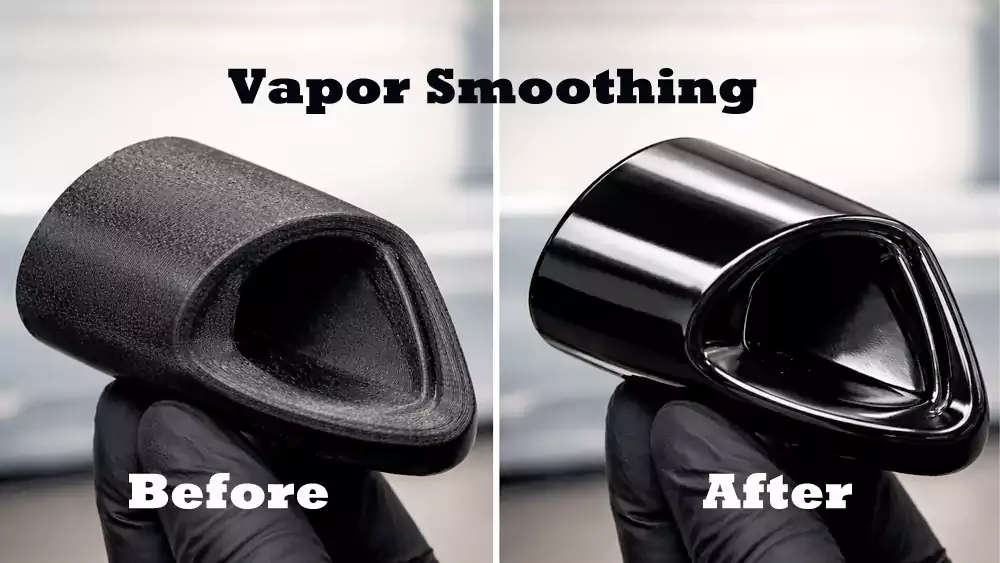
I will walk through how vapor smoothing works, when to use it, and how to get consistent results for real production parts.
What Is Vapor Smoothing and How Does It Work?
Rough SLS parts often look acceptable, but they fail under pressure or fluid use. I have seen this happen many times in early prototypes.
Vapor smoothing works by exposing 3D printed parts to controlled solvent vapor, which softens and reflows the outer layer, creating a smoother, sealed surface without removing material.
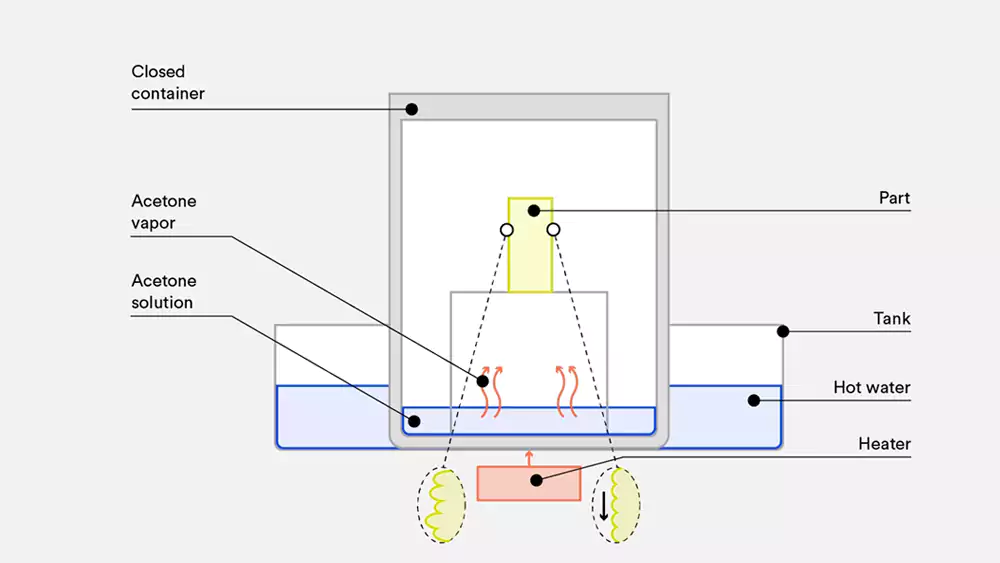
I will break this down step by step so you can clearly see what is happening at the surface level.
What happens during vapor smoothing?
I usually explain it in three simple steps:
- The part is placed in a controlled chamber
- Solvent vapor surrounds the part evenly
- The outer layer softens and reflows, then solidifies
This is not material removal like sanding. It is a surface transformation1.
Why engineers use vapor smoothing
From my experience, engineers choose vapor smoothing when they need:
- Smooth 3D printed parts for visible components
- Watertight 3D printed parts for fluid systems
- Sealed 3D printed parts to reduce porosity
- Better consistency across production batches
Key technical impact
| Factor | Before | After Vapor Smoothing |
|---|---|---|
| Surface roughness (Ra) | 10–25 µm | 2–6 µm |
| Porosity2 | High | Significantly reduced |
| Appearance | Matte / grainy | Semi-gloss / smooth |
| Functionality | Limited | Production-ready |
This is why vapor smoothing SLS and vapor smoothing PA12 are widely used in industrial applications.
Materials, Surface Results & When to Use Vapor Smoothing
Not every material responds well to vapor smoothing. I always check material compatibility first before recommending it.
Vapor smoothing is best suited for thermoplastics like PA12 and ABS, where solvent interaction enables surface reflow that reduces roughness, improves sealing, and enhances overall part performance.
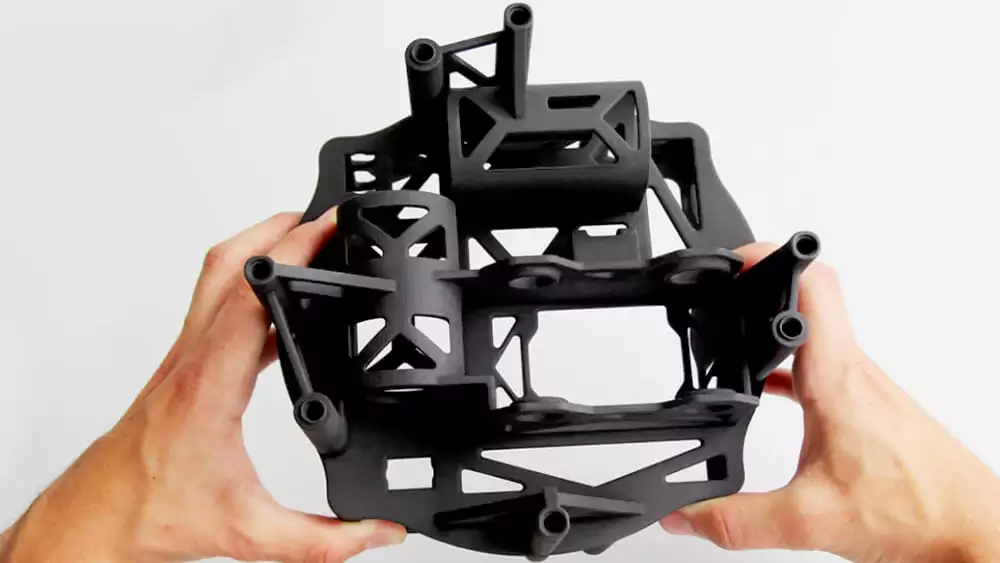
Now let’s look at how materials and results affect your decision.
Common materials and solvents
| Material | Typical Process | Result |
|---|---|---|
| PA12 (SLS) | Vapor smoothing SLS | Best balance of strength and finish |
| ABS | Chemical smoothing | Very smooth cosmetic finish |
| Resin | Limited use | Risk of distortion |
Surface performance improvements
When done correctly, I have seen vapor smoothing deliver:
- Surface roughness Ra reduction up to 70%
- Porosity reduction in 3D printing for sealing
- Improved fluid resistance
- Better cleanability for medical parts
When should you use it?
I recommend vapor smoothing when:
- You need fluid system sealing3
- You require consumer-grade surface finish
- You want batch consistency in low volume production
When should you avoid it?
There are also limits. I always warn clients about:
- Small holes may shrink or close
- Threads may lose precision
- Tight tolerance areas may shift slightly
Case Study (Real Production Insight)
In one project, I worked on an industrial fluid component that required sealing performance.
| Parameter | Before | After |
|---|---|---|
| Material | PA12 SLS | PA12 SLS |
| Surface roughness | Ra 18 µm | Ra 4 µm |
| Leak test pressure | Failed at 0.3 MPa | Passed at 0.8 MPa |
| Batch size | 120 units | 120 units |
| Post-process time | — | +24 hours |
This is where vapor smoothing service becomes critical for real applications like industrial 3D printed components finishing.
Vapor Smoothing vs Other Finishing Methods: Cost, Quality & Trade-offs
Many engineers ask me the same question: what is the best surface finishing for SLS parts?
Vapor smoothing provides the best balance of surface quality, sealing performance, and consistency compared to sanding, bead blasting, and polishing, making it ideal for functional 3D printed parts.
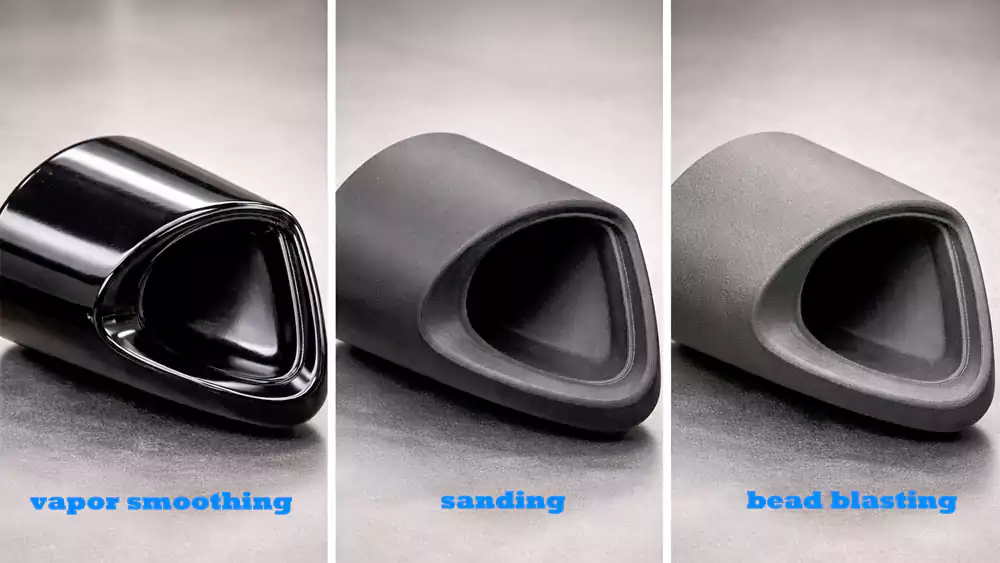
Understanding the trade-offs helps you choose the right process for your application.
Comparison overview
| Method | Surface Quality | Cost | Consistency | Function |
|---|---|---|---|---|
| Sanding | Medium | Low | Low | Cosmetic |
| Bead blasting | Uniform matte | Low | Medium | Visual only |
| Polishing | Smooth | Medium | Low | Limited |
| Vapor smoothing | High | Medium | High | Functional + sealing |
Key differences
Vapor smoothing vs sanding
- Sanding removes material
- Vapor smoothing reflows material
- Vapor smoothing gives better consistency
Vapor smoothing vs bead blasting
- Bead blasting improves look only
- Vapor smoothing improves function and sealing
Vapor smoothing vs coating
- Coating adds material
- Vapor smoothing modifies existing surface
- No risk of peeling or delamination
Cost and lead time
From my projects:
- Vapor smoothing cost is higher than basic finishing
- But it reduces failure risk and rework
- Lead time is usually +1 day
In most production cases, it is more cost-effective overall.
How to Get High-Quality Vapor Smoothed Parts (Design Tips + Supplier Guide)
Getting good results is not just about the process. It starts from design and supplier selection.
To achieve high-quality vapor smoothed parts, you need proper design considerations, correct file preparation, and a reliable vapor smoothing service supplier to ensure consistent results and cost efficiency.
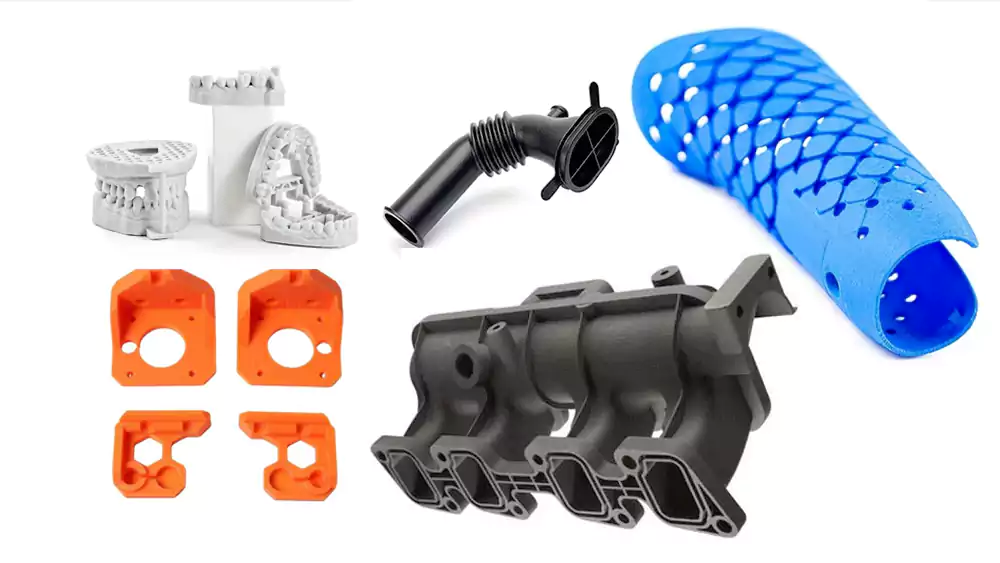
Now I will show you how to avoid common mistakes and get production-ready parts.
Design tips I always recommend
- Avoid very small holes (<1 mm)
- Add tolerance allowance for critical fits
- Do not rely on threads after smoothing
- Design for uniform wall thickness4
File preparation
To get accurate quotes and results:
- Use STEP for engineering review
- Use STL for printing
- Clearly mark critical surfaces
How to reduce cost and lead time
I usually suggest:
- Batch production instead of single parts
- Combine finishing requirements early
- Choose standard materials like PA12
In-house vs outsourcing
In-house vapor smoothing requires:
- Equipment investment
- Safety control for solvents
- Process expertise
That is why most companies choose a vapor smoothing service supplier.
How to choose a reliable supplier
From my experience, a good supplier should:
- Offer consistent SLS finishing service
- Provide fast RFQ response
- Understand dimensional accuracy after vapor smoothing
- Protect your design files
When outsourcing makes sense
If you need:
- Custom 3D printed parts finishing
- Low volume production finishing
- Rapid prototyping finishing service
Outsourcing is almost always the better choice.
Conclusion
Vapor smoothing turns rough prints into functional parts. It improves sealing, consistency, and surface quality for real production use.
-
Explore this link to understand how vapor smoothing changes the surface properties without material removal, enhancing part quality. ↩
-
Learn why reducing porosity through vapor smoothing is crucial for watertight and sealed 3D printed components. ↩
-
Explore this link to understand how fluid system sealing enhances performance and reliability in industrial components. ↩
-
Learn how uniform wall thickness can enhance product strength and reduce manufacturing defects by visiting this link. ↩
