Last updated on April 29, 2026, by Lucy
I often see engineers struggle between speed, cost, and complexity. A wrong process choice can quickly lead to delays, redesigns, and rising costs.
CNC machining is best for high precision and fast turnaround in low to medium volumes, while investment casting is more cost-effective for complex parts in high-volume production.
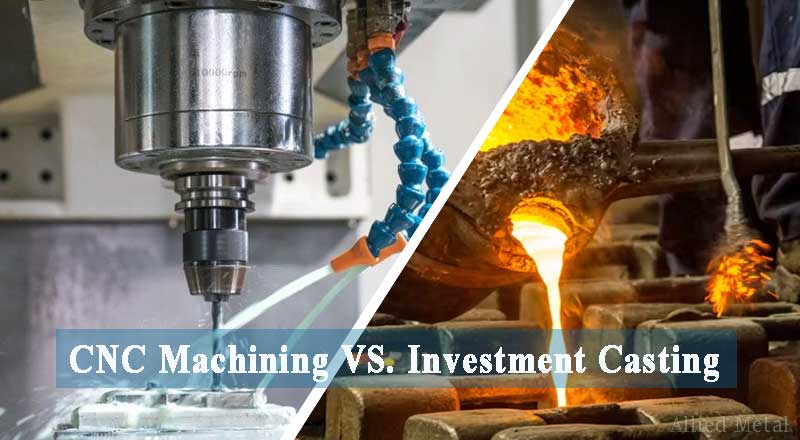
I have worked with both processes for many years. I have seen small decisions here change the outcome of entire projects. So I will break this down in a clear and practical way.
CNC Machining and Investment Casting Overview?
Many engineers send drawings without knowing which process fits best. This often leads to wasted time and unnecessary cost.
CNC machining removes material from solid stock to achieve tight tolerances, while investment casting forms complex shapes by pouring molten metal into precision molds.
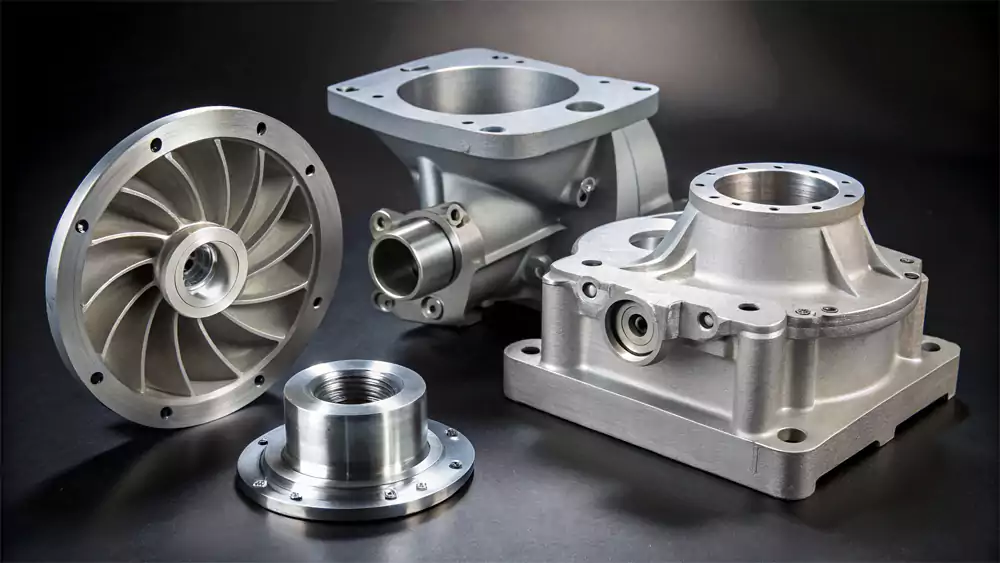
I want to make this simple. If you understand how each process works, your decisions become much easier.
What Is CNC Machining?
Process Overview
I use CNC machines to cut material away from a solid block. The machine follows programmed instructions. This ensures repeatability.
Materials & Tolerances
I often work with aluminum, stainless steel, titanium, and plastics. Tolerances can reach ±0.005 mm when required.
Typical Applications
I use CNC machining for prototypes, precision components, and low to medium production.
What Is Investment Casting (Lost Wax Casting)?
Process Overview
I start with a wax model. Then I build a ceramic shell1 around it. After removing the wax, I pour molten metal into the cavity.
Material Options & Surface Finish
I commonly use stainless steel and alloy steel. The surface is smooth, but not as precise as CNC.
Common Industry Applications
I see casting used for complex parts like valve bodies, pump housings, and structural components.
CNC Machining vs Investment Casting: Key Differences?
Many people compare only cost. That approach is too narrow and often misleading.
CNC machining offers superior precision and shorter lead times, while investment casting reduces unit cost and supports complex geometries in large-scale production.
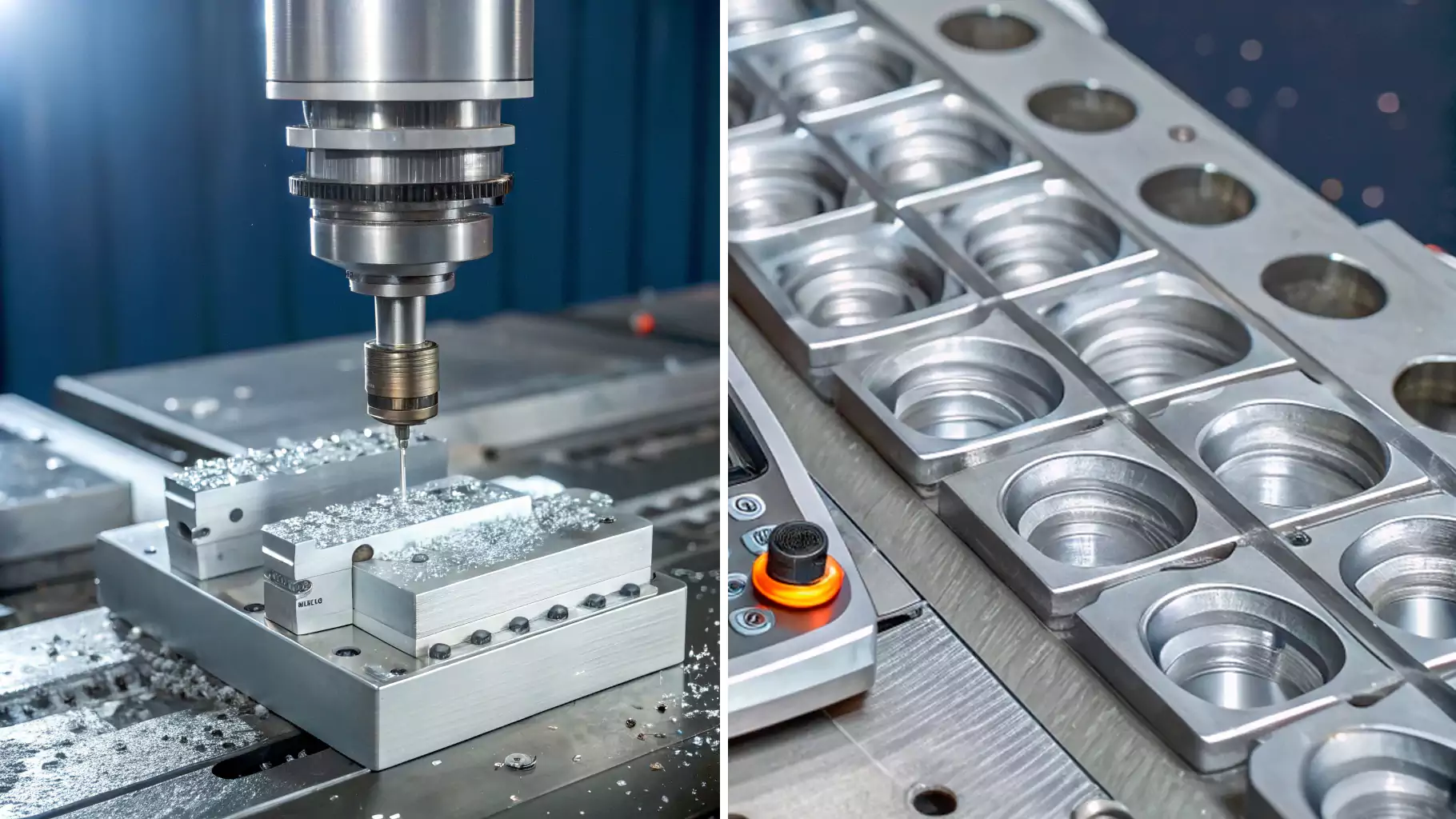
Now I will break each factor down so you can see the real trade-offs.
Quick Comparison Table
| Factor | CNC Machining | Investment Casting |
|---|---|---|
| Setup Cost | Low | High (tooling required) |
| Unit Cost | High (low volume) | Low (high volume) |
| Tolerance | Very tight | Moderate |
| Surface Finish | Excellent | Good |
| Complexity | Limited by tools | Very high |
| Lead Time | Short | Longer |
| Material Waste | Higher | Lower |
Cost Comparison
Prototype vs Mass Production
I always use CNC for prototypes. There is no tooling cost2. Changes are fast.
For mass production, casting becomes more economical as volume increases.
Tooling Cost vs Unit Cost
CNC has low upfront cost. But each part requires machining time.
Casting requires tooling investment. But unit cost drops significantly at scale.
Accuracy & Tolerances
I rely on CNC when precision is critical. Casting usually needs secondary machining for tight tolerances.
Surface Finish
CNC delivers excellent surface quality directly. Casting may require finishing steps.
Design Complexity
Casting allows more freedom. I can create internal channels and complex shapes.
Lead Time
CNC is fast. I can deliver in days. Casting takes longer due to tooling.
Material Efficiency & Waste
CNC removes material, which creates waste. Casting is near-net-shape and more efficient3.
When to Use CNC Machining vs Investment Casting?
Choosing the wrong process can lock you into high costs or poor performance later.
Use CNC machining for precision, fast iteration, and low volumes, and choose investment casting for complex designs and cost efficiency in high-volume production.
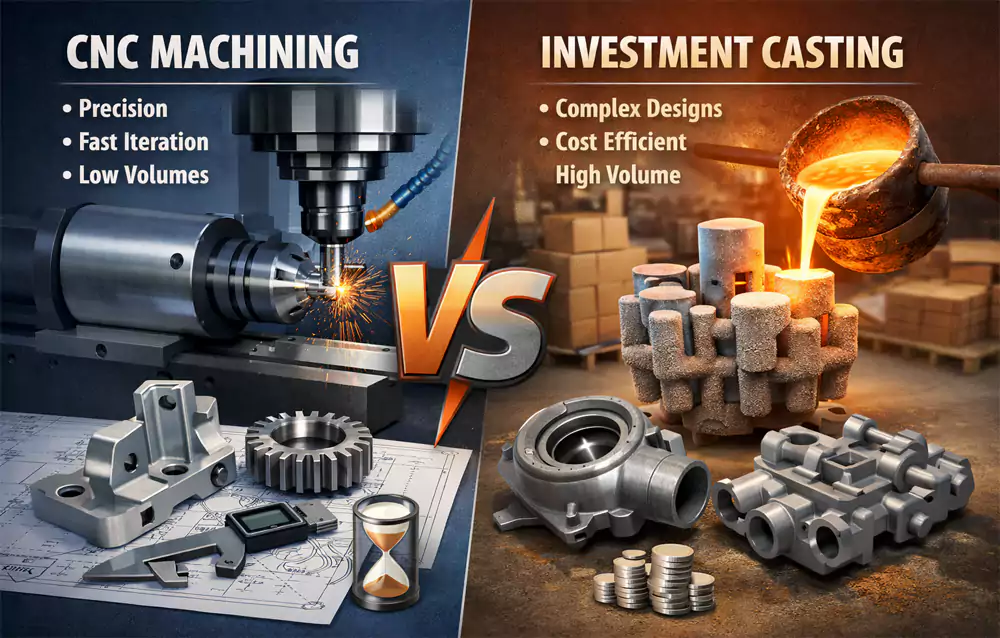
I always guide clients based on real production needs, not just drawings.
Based on Production Volume
Low Volume / Prototyping
I start with CNC. It allows quick testing and iteration.
High Volume Production
I move to casting when volume justifies tooling cost.
Based on Part Requirements
Tight Tolerance Parts
CNC is the best choice for critical dimensions.
Complex Geometry Parts
Casting is better for shapes that are difficult to machine.
Industry-Specific Recommendations
Automotive & Motorcycle
I use CNC for performance parts. Casting works for structural components.
Aerospace
I combine both processes depending on critical features.
Medical Devices
I prefer CNC due to strict tolerance and quality control.
Marine & Industrial Equipment
Casting works well for large and complex parts.
Can CNC Machining and Investment Casting Work Together?
Casting + CNC Finishing
This is a very common solution. I cast the shape and machine critical areas.
Hybrid Manufacturing Strategy
I often combine both to balance cost and performance.
Cost Optimization Case
I worked on a stainless steel valve body project:
| Parameter | CNC Only | Casting + CNC |
|---|---|---|
| Material | SS316 | SS316 |
| Volume | 5,000 pcs | 5,000 pcs |
| Unit Cost | $48 | $19 |
| Tooling Cost | $0 | $8,500 |
| Lead Time | 3 weeks | 6 weeks |
| Tolerance Critical Area | ±0.01 mm | CNC finished |
I switched to a hybrid approach. The cost dropped by more than 50%. The client accepted a longer lead time for significant savings.
How to Choose the Right Process for Your Project?
Many engineers delay this decision. That often leads to redesign and lost time.
Choose CNC machining when you need speed, precision, and flexibility, and choose investment casting when your priority is reducing cost for complex parts at scale.
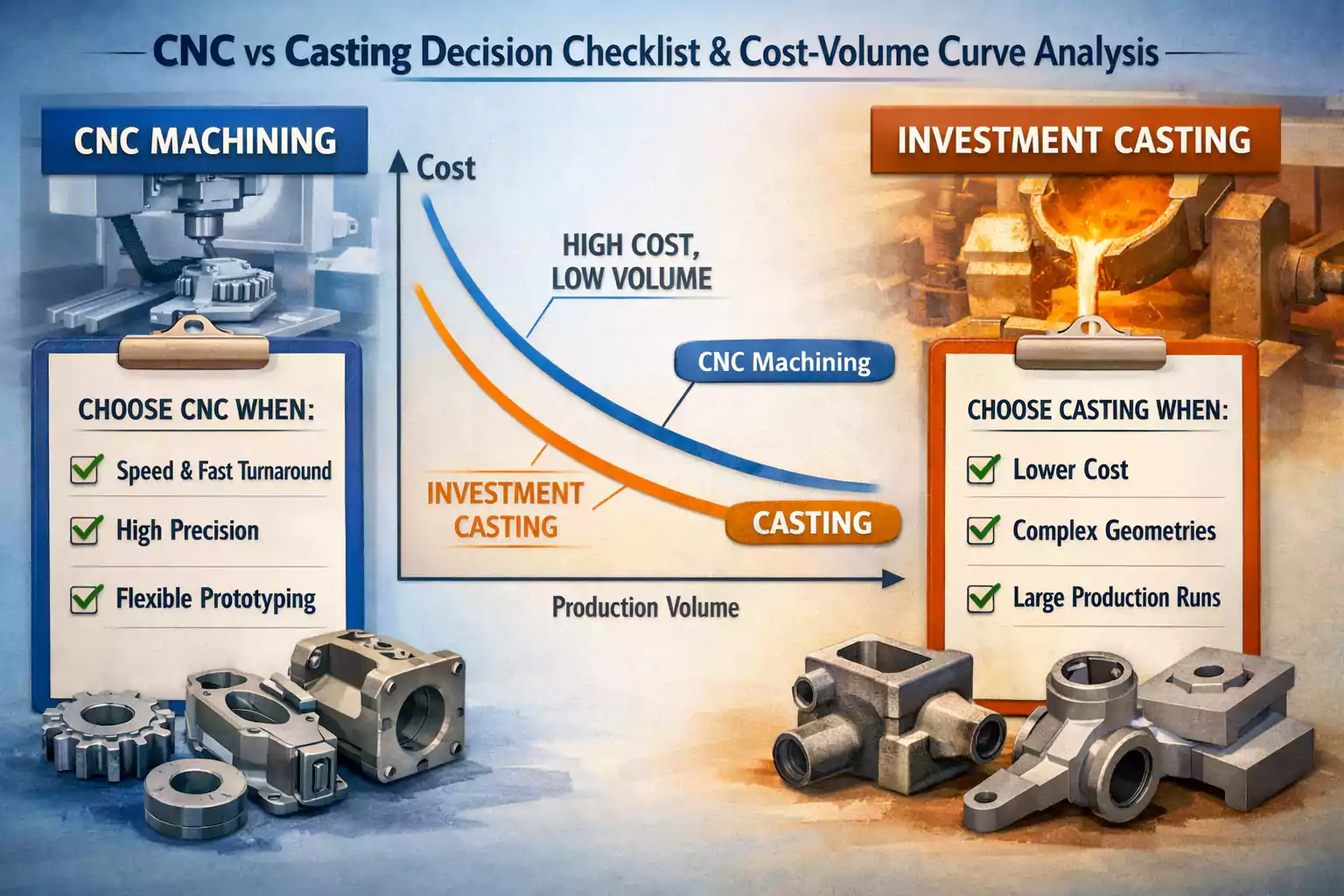
I always follow a structured approach. It keeps projects on track.
Decision Checklist
- What is the expected volume?
- What tolerance is required?
- How complex is the geometry?
- What lead time is acceptable?
- What is the budget?
Cost vs Volume Curve
At low volume, CNC is more cost-effective. As volume increases, casting becomes the better option due to lower unit cost.
Questions to Ask Your Supplier
- Can you meet tolerance requirements?
- Do you support both processes?
- Can you optimize the design?
- What is the actual lead time?
Common Mistakes to Avoid
- Choosing casting too early
- Ignoring tooling cost
- Over-specifying tolerances4
- Failing to plan for scaling
FAQs
Is investment casting cheaper than CNC machining?
Yes, but only when production volume is high enough to offset tooling cost.
When should I switch from CNC to casting?
Usually when production reaches several thousand units.
Can casting achieve tight tolerances?
Not by itself, but CNC finishing can improve accuracy.
Which process is better for stainless steel parts?
Both are suitable. CNC is better for precision, casting for complexity and cost efficiency.
Conclusion
I always balance precision, cost, and scalability before choosing a process. CNC machining gives speed and accuracy. Investment casting reduces cost at scale. In many real projects, the best solution is not choosing one, but combining both to achieve the right balance between performance, cost, and production efficiency.
-
"Ceramic mold casting - Wikipedia", https://en.wikipedia.org/wiki/Ceramic_mold_casting. A ceramic shell is a refractory mold created around a wax pattern in the investment casting process, as described in technical encyclopedias and manufacturing textbooks. Evidence role: definition; source type: encyclopedia. Supports: In investment casting, a ceramic shell is built around a wax model to form the mold for casting metal.. ↩
-
"Manufacturing Tooling Costs - A Complete Guide - Machine Metrics", https://www.machinemetrics.com/blog/tooling-costs. Tooling cost refers to the initial investment required to create molds or dies for manufacturing processes such as investment casting, which is a significant factor in determining the overall cost-effectiveness of production methods at different volumes. Evidence role: definition; source type: encyclopedia. Supports: Tooling cost refers to the initial investment required to create molds or dies for manufacturing processes such as investment casting.. ↩
-
"Near net shape - Allied Metal Casting", https://alliedcasting.com/what-is-near-net-shape-manufacturing/. A technical review of near-net-shape manufacturing processes explains that investment casting typically produces parts closer to final dimensions, reducing material waste compared to subtractive methods like CNC machining. However, the efficiency depends on part geometry and post-processing requirements. Evidence role: mechanism; source type: blog. Supports: Casting is near-net-shape and more efficient. Scope note: Efficiency varies with part complexity and finishing needs. ↩
-
"Why are Tolerances Important in Manufacturing?", https://www.pacific-research.com/why-are-tolerances-important-in-manufacturing-prl/. Engineering design guidelines and manufacturing best practices emphasize that specifying tighter tolerances than necessary can significantly increase production costs and complexity without adding functional value. Evidence role: expert_consensus; source type: education. Supports: Over-specifying tolerances is a common mistake to avoid in manufacturing because it can unnecessarily increase costs and complicate production.. Scope note: This is a general principle and may vary depending on specific industry requirements or applications. ↩
