Last updated on March 27, 2026, by Lucy
Saltwater destroys metal faster than most engineers expect. I have seen good designs fail early just because the wrong material was chosen.
Marine grade metals are corrosion-resistant materials like 316 stainless steel, aluminum 5083, duplex stainless steel, titanium, and bronze, designed to withstand saltwater, prevent pitting, and extend service life in marine environments.
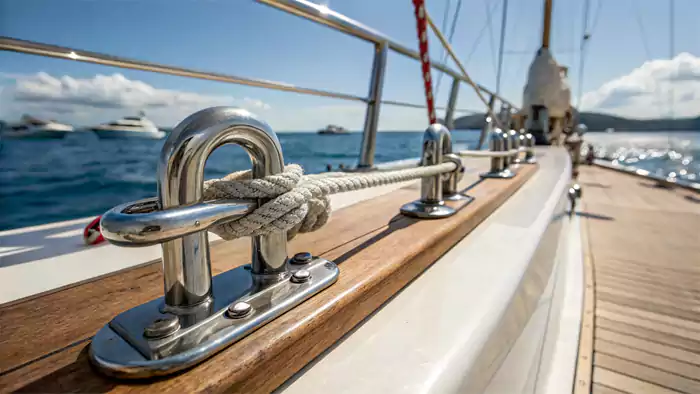
If you are sourcing CNC parts for marine use, material choice is not just a detail. It decides whether your part lasts years or fails in months.
What Does “Marine Grade Metal” Mean? (Key Properties Explained)
Saltwater is aggressive. Many metals fail even when they look strong on paper. I learned this early in my career.
A marine grade metal resists saltwater corrosion, including pitting, crevice corrosion, and galvanic corrosion, while maintaining strength and durability in harsh marine conditions.
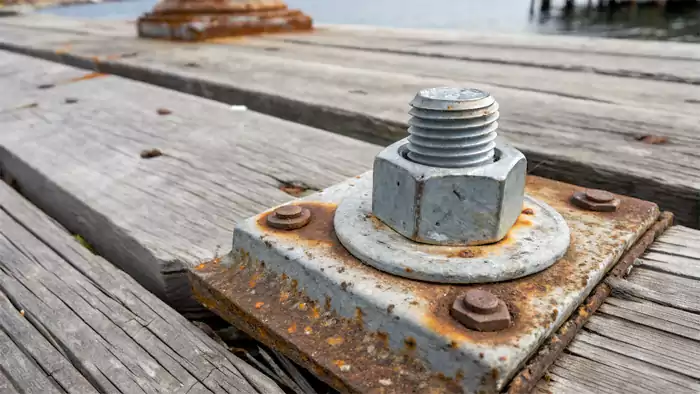
Key corrosion risks in marine environments
| Corrosion Type | What Happens | Risk Level |
|---|---|---|
| Pitting corrosion | Small holes form due to chloride ions1 | Very high |
| Crevice corrosion | Hidden corrosion in gaps or joints | High |
| Galvanic corrosion | Different metals react electrically | Very high |
Saltwater contains chloride ions. These ions attack protective layers on metals. Once the surface breaks, corrosion spreads fast.
Why lifecycle cost2 matters
Many buyers focus only on material price. That is a mistake. A cheap material can fail early. Then replacement cost becomes higher than the original saving.
I always tell clients:
You should machine for where the part lives, not just what the drawing says.
Marine Grade Metals List: Stainless Steel, Aluminum, Titanium & More
Many engineers ask me for a simple list. The truth is, there is no single best metal. Each one fits a different job.
Common marine grade metals include 316 stainless steel, aluminum 5052/5083, duplex stainless steel, titanium, and marine bronze, each offering different corrosion resistance, strength, and cost for marine applications.

Core marine materials comparison
| Material | Corrosion Resistance | Strength | Cost | Typical Use |
|---|---|---|---|---|
| 316 Stainless Steel | Good | Medium | Medium | General marine parts |
| Aluminum 5083 | Very good | Medium | Low | Boat structures |
| Duplex Stainless | Excellent | High | High | Offshore equipment |
| Titanium | Outstanding | High | Very high | Critical components |
| Marine Bronze | Excellent | Medium | Medium | Propellers, fittings |
When to use each material
- 316 Stainless Steel → Best for general-purpose marine hardware
- Aluminum 5083 → Best for lightweight structures
- Duplex Stainless Steel → Best for high-salinity offshore environments
- Titanium → Best for extreme corrosion resistance
- Bronze → Best for seawater flow components
Case Study: Offshore Instrument Housing
I worked on an offshore sensor housing project. The client first chose 316 stainless steel. It failed in under one year.
We redesigned the part using duplex stainless steel.
| Parameter | Before (316 SS) | After (Duplex SS) |
|---|---|---|
| Environment | Continuous seawater | Same |
| Wall Thickness | 8 mm | 6 mm |
| Corrosion after 12 months | Severe pitting | None |
| Maintenance cycles | 6 months | 24+ months |
| Total lifecycle cost | High | Reduced by 35% |
This case changed how I look at marine materials.
Is Stainless Steel 316 Always the Best Choice? (Material Comparison & Limits)
Many buyers default to 316 stainless steel. I understand why. It is widely available and easy to machine.
316 stainless steel is widely used in marine environments, but it is not always the best choice. In high-salinity or continuous immersion conditions, duplex stainless steel or titanium provide better corrosion resistance.

Where 316 stainless works well
- Marine hardware
- Fasteners
- Enclosures above water
It offers good corrosion resistance3 and stable machining performance.
Where 316 fails
- Constant seawater immersion
- High temperature + salt
- Poor ventilation areas
In these cases, pitting corrosion appears quickly.
Aluminum vs Stainless Steel
| Factor | Aluminum 5083 | 316 Stainless |
|---|---|---|
| Weight | Light | Heavy |
| Corrosion resistance | Very good | Good |
| Strength | Medium | Medium |
| Cost | Lower | Higher |
Aluminum is great when weight matters. Stainless is better when rigidity is required.
Is galvanized steel marine grade?
Short answer: No.
Galvanized steel depends on a zinc coating. Saltwater consumes this layer fast. Once gone, corrosion accelerates.
When to upgrade materials
- Use Duplex Stainless Steel for offshore platforms
- Use Titanium for long-life, zero-maintenance parts
How to Choose the Right Marine Grade Metal for Your CNC Project
Material selection is not just engineering. It is also about cost, machining, and supply chain.
The best marine grade metal depends on environment, required lifespan, budget, and CNC machining complexity. Engineers must balance corrosion resistance, cost, and manufacturability.

Step 1: Define the environment
- Splash zone → 316 or aluminum
- Full immersion → Duplex or titanium
- Seawater flow → Bronze
Step 2: Balance cost vs lifespan
| Strategy | Material | Result |
|---|---|---|
| Low cost | Aluminum / 316 | Shorter lifespan |
| Balanced | Duplex | Strong performance |
| Premium | Titanium | Maximum durability |
Step 3: Consider CNC machining factors
- Titanium → Hard to machine, higher cost
- Duplex Stainless → Tool wear is high
- Aluminum → Easy machining, fast production
Step 4: Surface treatment matters
- Passivation for stainless steel
- Anodizing for aluminum
- Polishing for corrosion resistance
Get a Quote for Marine Grade CNC Parts
If you are sourcing marine-grade CNC components, I can help you choose the right material and avoid costly failures.
At Allied Metal, we support:
- 316 / 316L stainless steel
- Aluminum 5052 / 50834
- Duplex stainless steel
- Titanium machining
We focus on tight tolerances, stable quality, and batch production for industrial clients.

Conclusion
Choosing the right marine grade metal means matching material to environment, not just cost, to ensure long-term performance and reliability.
-
Explore this link to understand how chloride ions aggressively attack metals, leading to severe corrosion in marine settings. ↩
-
Learn why considering lifecycle cost helps avoid expensive replacements and ensures long-term savings in marine applications. ↩
-
Explore this link to understand which materials offer superior corrosion resistance, crucial for durability in marine environments. ↩
-
Learn why Aluminum 5052 / 5083 is favored for easy machining and fast production with good corrosion resistance in marine applications. ↩
