Last updated on March 30, 2026, by Lucy
Getting CNC parts made often feels risky. Costs rise fast. Quality can fail. Deadlines slip. I have seen many engineers lose control without understanding the full process.
CNC machining is a manufacturing process where computer-controlled machines remove material from a solid block using programmed toolpaths to create precise parts. It delivers high accuracy, repeatability, and scalability for prototypes and production.
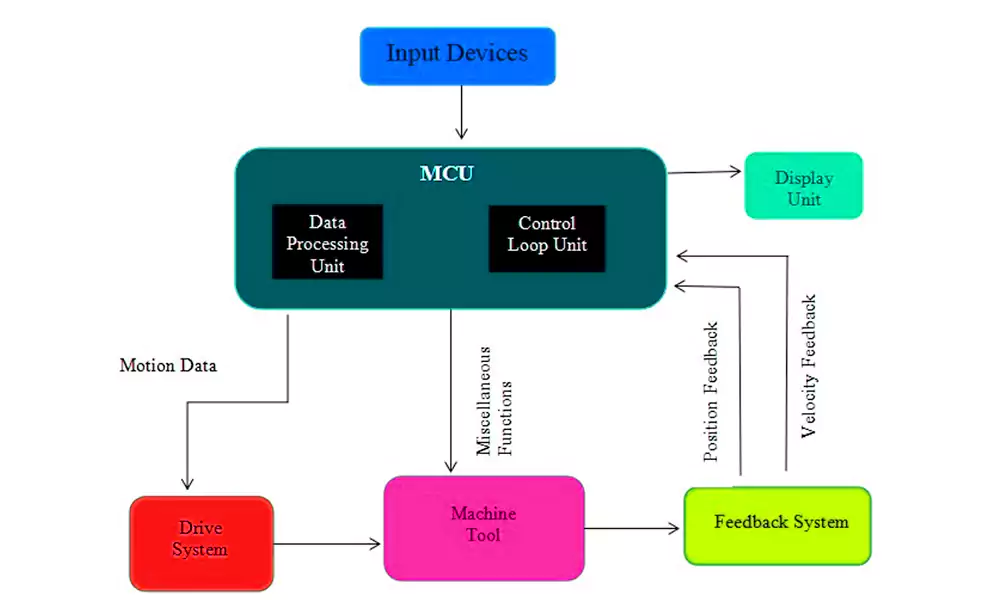
I will break down each step clearly. I will show where cost changes. I will show what really drives precision and delivery.
What Is CNC Machining? (Quick Definition for Buyers)?
Many buyers think CNC machining is simple automation. That mistake leads to bad quotes and poor supplier decisions.
CNC machining is a subtractive manufacturing process where pre-programmed computer software controls machines to cut and shape raw materials into finished parts with high precision and tight tolerances.
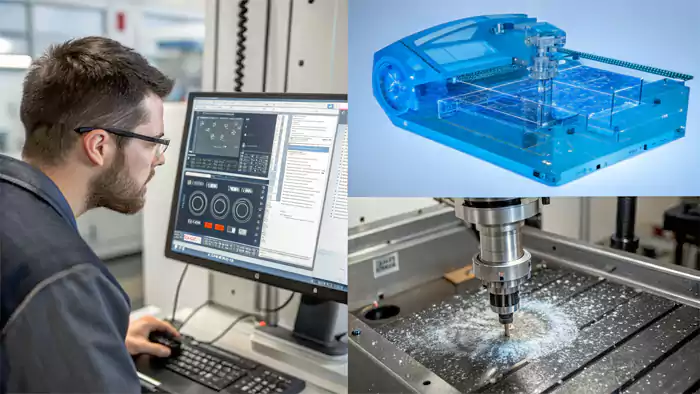
How It Works in Simple Terms
I explain it in three parts:
- CAD = the digital design
- CAM = the machining instructions
- CNC machine = the execution
Each step depends on the last one. Any mistake multiplies downstream.
Why Buyers Should Care
From my experience, CNC is not just cutting. It is decision-making.
| Factor | Impact |
|---|---|
| Design | Drives cost and machinability |
| Programming | Controls efficiency |
| Material | Affects tool wear and speed |
| Setup | Impacts lead time |
| Inspection | Ensures quality |
The CNC Machining Process: Step-by-Step Explained?
Many engineers send files but do not see what happens next. That gap creates delays and cost surprises.
The CNC machining process includes CAD design, CAM programming, material selection, machine setup, machining operations, inspection, and finishing. Each step directly affects cost, accuracy, and production time.
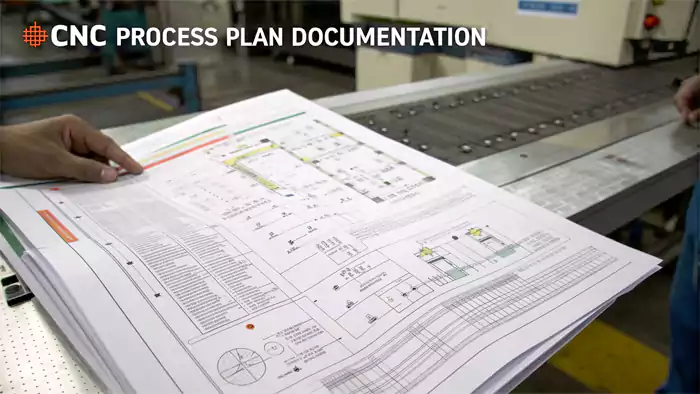
CAD Design
The design defines everything.
- Complex shapes increase machining time
- Tight tolerances raise cost fast
- Poor design blocks tool access
I once received a part with sharp internal corners. It could not be machined without redesign.
CAM Programming
This is where real experience shows.
- Toolpaths define efficiency1
- Poor strategy increases tool wear
- Optimization reduces cycle time
A skilled programmer can reduce machining time by 30%.
Material Selection
Material choice changes everything.
| Material | Impact |
|---|---|
| Aluminum | Fast, low cost |
| Stainless Steel | Slower, harder |
| Titanium | Very slow, very costly |
Material also affects heat and deformation.
Machine Setup
Setup includes CNC fixturing and tools.
- Complex setup increases lead time
- Weak fixtures cause vibration
- Multiple setups reduce accuracy
Setup is often hidden cost.
Machining Operations
This is the cutting phase.
- Roughing removes bulk
- Finishing controls precision
- Multi-axis handles complex geometry
Balance between speed and quality is critical.
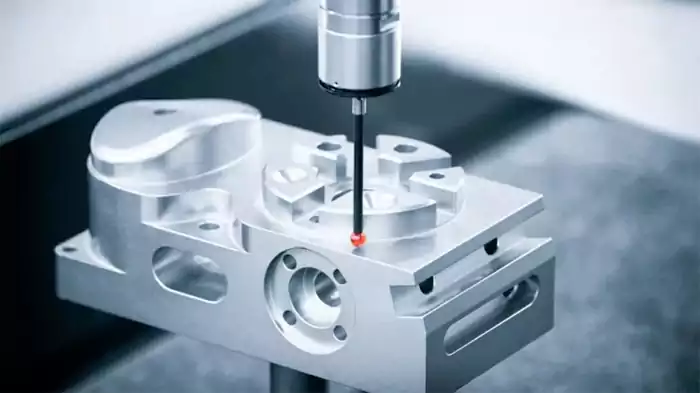
Quality Inspection
Inspection ensures accuracy.
- CMM checks dimensions
- Surface finish is verified
- Tolerance is confirmed
Skipping this leads to failure later.
Finishing & Delivery
Final steps include:
- Deburring
- Anodizing or plating
- Packaging
These affect function and appearance.
What Affects CNC Machining Cost, Quality, and Lead Time?
Many buyers ask why prices vary so much. The answer is always in the details.
CNC machining cost depends on part complexity, material, tolerance, quantity, and machining time. Tight tolerances and complex designs increase cost significantly, while efficient programming and larger volumes reduce cost per part.
Key Cost Drivers
| Factor | Effect |
|---|---|
| Design complexity | More machining time |
| Tolerance | Exponential cost increase |
| Material | Tool wear and speed |
| Quantity | Setup cost distribution |
| Surface finish | Extra operations |
Real Case Study from My Shop
I worked on a robotics component with strict requirements.
| Parameter | Value |
|---|---|
| Material | 7075 Aluminum |
| Tolerance | ±0.01 mm |
| Quantity | 50 pcs |
| Machine | 5-axis CNC |
| Cycle Time2 | 42 min/part |
| Setup Time | 6 hours |
| Surface Finish | Ra 0.8 |
What Happened
- Initial quote was high due to tight tolerance
- Customer adjusted tolerance to ±0.02 mm
- Cycle time dropped to 28 minutes
- Cost reduced by 22%
This is where savings come from.
Key Insight
Precision costs money. Over-specifying wastes budget.
How to Work with a CNC Machining Supplier Effectively?
Many projects fail due to poor communication, not machining errors.
To work effectively with a CNC machining supplier, provide complete 3D CAD files, detailed 2D drawings with tolerances, material specifications, and production quantities to ensure accurate quotes and consistent quality.

What to Provide in RFQ
I always request:
- STEP file
- 2D drawing (PDF)
- Tolerance details3
- Material grade
- Quantity
- Surface finish
Missing data delays everything.
STEP vs PDF
| Format | Purpose |
|---|---|
| STEP | 3D model |
| Dimensions and tolerances |
Both are required.
How to Avoid Rework
- Avoid unnecessary tight tolerances
- Simplify geometry where possible
- Highlight critical dimensions
I have seen full batches scrapped due to unclear notes.
Communication Tips
- Ask for DFM feedback
- Confirm lead time early
- Align inspection standards
A good supplier will question your design.
Is CNC Machining Being Replaced by AI? (Reality vs Hype)?
Many people think AI will replace machining. That idea is not realistic.
AI enhances CNC machining by improving programming efficiency, optimizing toolpaths, and predicting tool wear, but it cannot replace skilled machinists or the physical process of precision manufacturing.

What AI Actually Does
- Improves CAM programming speed
- Suggests better cutting paths
- Reduces human error
What AI Cannot Replace
- Material behavior judgment4
- Machine setup expertise5
- Real-time problem solving
I still rely on skilled machinists every day.
Conclusion
CNC machining is not just cutting. It is decision control across design, process, and communication that defines cost, quality, and delivery.

-
Explore how toolpaths impact machining efficiency and learn strategies to optimize CAM programming for better performance. ↩
-
Understanding cycle time helps optimize production efficiency and reduce costs, especially in complex machining processes. ↩
-
Explore this resource to understand how precise tolerance details can prevent production delays and ensure quality. ↩
-
Learn why human expertise in material behavior is crucial for accurate machining and why AI cannot fully replace this skill. ↩
-
Explore this link to understand the critical skills behind machine setup expertise that AI cannot replace, highlighting the value of human machinists. ↩
