Many shaft projects run into cost jumps, long lead times, and supply risks. I have seen teams blame machining when the real issue was material choice.
The right shaft material depends on load, fatigue life, environment, machining method, and supply stability. Carbon steel, alloy steel, and stainless each serve different engineering goals. Smart selection improves performance and reduces total sourcing risk.
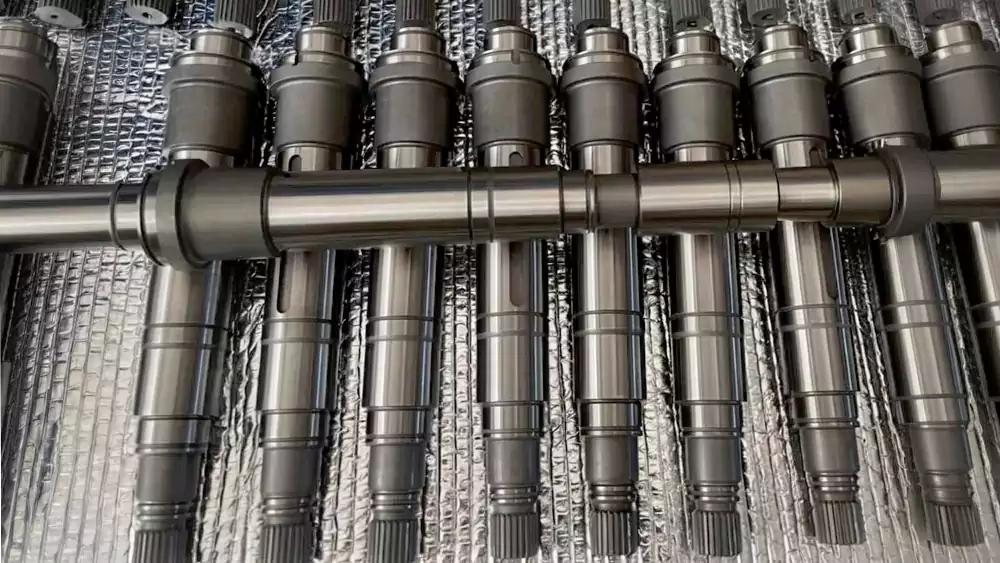
I work with buyers and engineers who source parts through our precision CNC shaft solutions program. I often see strong designs lose time and money because the material decision comes too late. I want to help teams avoid that problem early in the project.
Why Does Material Selection Strongly Affect Shaft Cost and Supply Stability?
Buyers often see large price gaps for what looks like the same shaft. That creates stress during supplier comparison and budgeting.
Material grade, heat treatment, raw stock type, and regional availability all affect cost, lead time, and supply continuity. Two shafts with identical drawings may come from very different supply chains with very different risks.
Why Prices Differ So Much
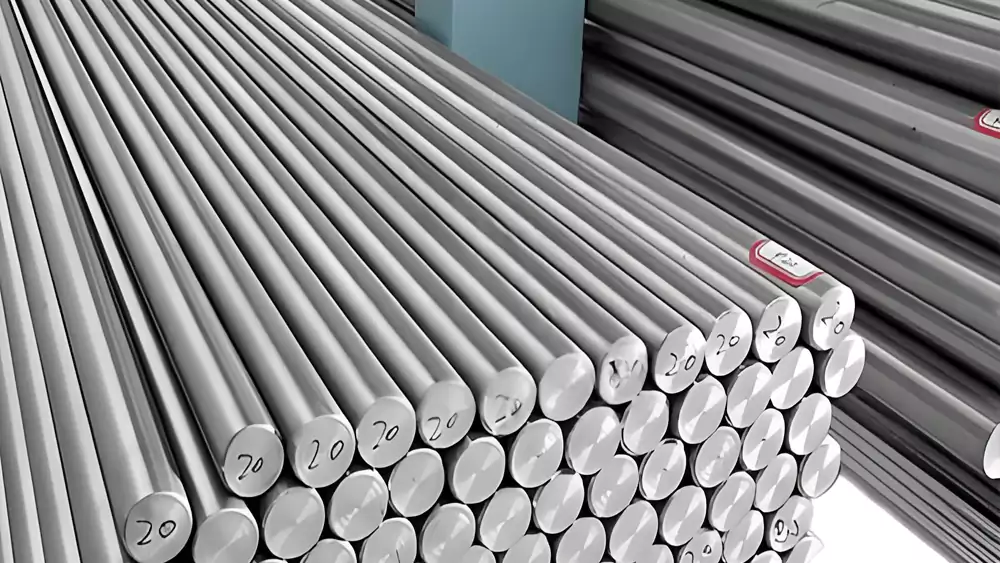
I receive RFQs that simply state “alloy steel shaft.” That description leaves too much open. One supplier may quote EU-sourced 42CrMo4 quenched and tempered1. Another may use imported 4140 in annealed condition. Certification level, inspection scope, and testing standards also vary. All these factors move the final price.
Bar diameter also matters. Large diameters are not always stocked. Surface class and straightness tolerance also change machining effort and scrap rate. If ultrasonic testing is required, cost increases again. These are common issues I also explain in our custom shaft manufacturing guide.
How Material Impacts Lead Time and Risk
Some steels are standard warehouse stock across Europe. Others require mill production. Long mill cycles increase schedule risk. Heat treatment capacity2 can also become a bottleneck during peak seasons.
| Factor | Impact on Cost | Impact on Lead Time | Supply Risk |
|---|---|---|---|
| Standard carbon steel | Low | Short | Low |
| Q&T alloy steel | Medium | Medium | Medium |
| Special stainless grades | High | Long | High |
I always remind procurement teams that material choice is also a supply chain strategy.
What Shaft Materials Are Common in European Manufacturing?
Engineers often select grades based on habit or past projects. Buyers benefit from understanding how each group behaves in machining and in service.
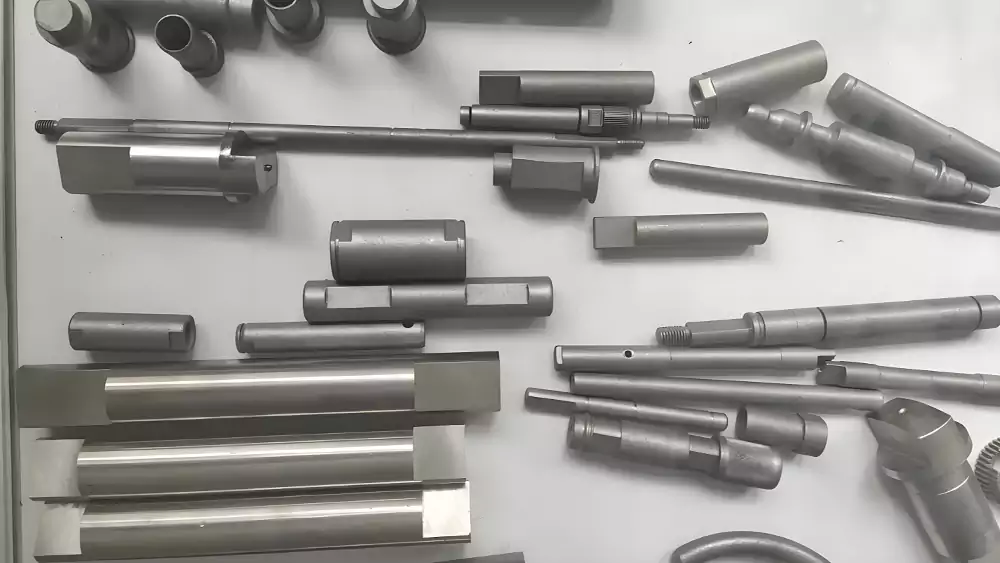
European shaft production mainly uses carbon steel, alloy steel, stainless steel, aluminum, titanium, brass, and bronze. Each group balances strength, corrosion resistance, weight, and machining cost differently.
Carbon Steel (C45 / 1045)
I use carbon steel for moderate torque and cost-sensitive applications. It machines easily and has stable supply. Fatigue strength is limited compared with alloy steels.
Alloy Steel (42CrMo4 / 4140)
I use this material for higher torque and fatigue demands. After quenching and tempering3, strength increases greatly. Machining becomes harder. Cost and lead time both rise.
Stainless Steel
I select stainless when corrosion matters. Austenitic grades resist rust but machine slowly. Martensitic grades can be hardened but offer lower corrosion resistance.
Lightweight and Specialty Materials
Aluminum reduces weight but cannot handle very high fatigue loads. Titanium offers excellent strength-to-weight ratio but has very high cost and long machining time. Brass and bronze usually serve low-load or bearing applications, not high-torque drive shafts.
| Material | Strength | Machinability | Corrosion Resistance | Cost Level |
|---|---|---|---|---|
| 1045 | Medium | Good | Low | Low |
| 42CrMo4 / 4140 | High | Medium | Low | Medium |
| Stainless 304/316 | Medium | Low | High | High |
| Aluminum 7075 | Medium | Very Good | Medium | Medium |
| Titanium Ti-6Al-4V | High | Low | High | Very High |
What Engineering Trade-Offs Should Procurement Teams Understand?
Procurement teams often compare only raw material price. Real performance trade-offs affect lifetime cost and machining efficiency.
Key trade-offs include strength versus fatigue life, machinability versus tool wear, heat treatment impact on distortion and lead time, and regional material availability.
Strength vs Fatigue Life vs Machinability
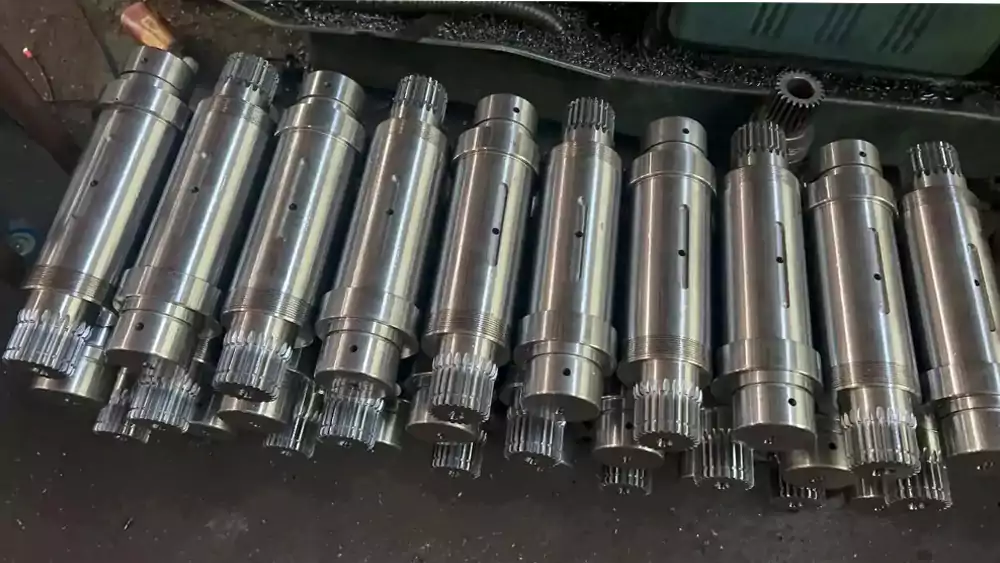
High strength steels resist fatigue well. They are harder to machine. Tool wear increases. Cycle time may increase. Lower strength steels machine faster but may fail earlier under cyclic loads. I balance these factors based on real torque and life data, not guesswork.
Heat Treatment Effects
Quenching and tempering adds cost and time. Distortion may occur. Extra stock must be left for post-heat-treat machining. Straightening may also be needed. This is a key topic when discussing CNC machining of shafts with customers.
EU Supply Considerations
Standard alloy bars are widely stocked in common diameters. Forged blanks or very large diameters often require mill orders. That adds weeks to lead time.
| Decision Area | Lower Cost Option | Higher Performance Option | Hidden Impact |
|---|---|---|---|
| Base Material | Carbon steel | Alloy steel | Heat treat cost |
| Corrosion Control | Coating | Stainless steel | Longer machining time |
| Raw Form | Rolled bar | Forged blank | Longer sourcing cycle |
How Do I Choose Shaft Materials for Different Automotive Systems?
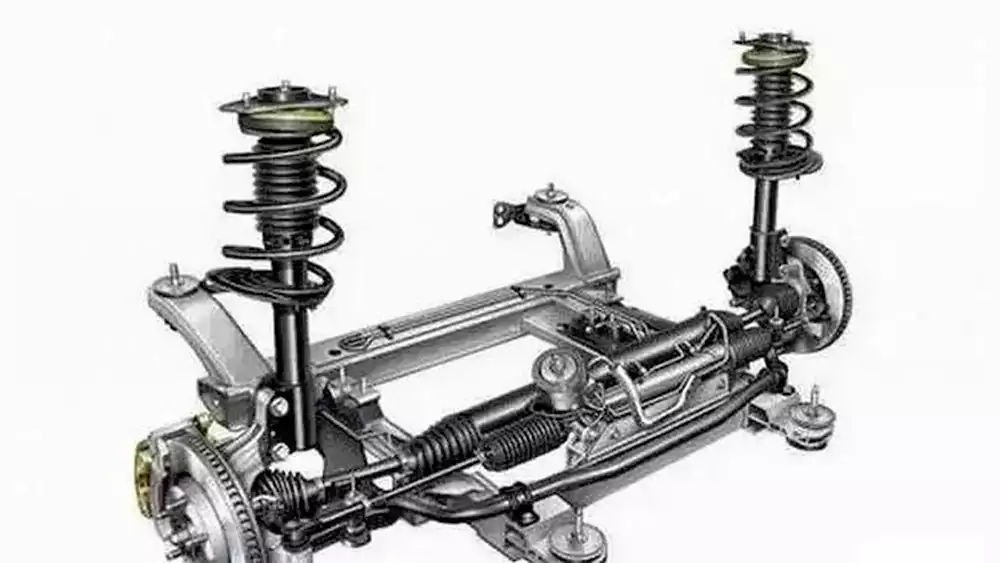
Different automotive shafts operate under very different loads and safety requirements.
Powertrain shafts prioritize torque capacity and fatigue resistance. Steering shafts demand precision and high safety margins. Suspension shafts must balance durability with strict cost targets.
Powertrain Shafts
Transmission and drive shafts carry high torque and repeated loads. I often choose 42CrMo4 QT or similar grades. You can read more about function differences in transmission shafts explained and how to make a custom driveshaft.
Steering Shafts
Steering systems require tight tolerances and reliable toughness. Failure is not acceptable. Controlled heat treatment and careful machining are critical, similar to the practices described in what is a motor shaft.
Suspension and Chassis Shafts
Cost pressure is higher. Loads are moderate. Carbon steel with surface treatment often works well if fatigue life is verified.
Case Study from My Shop
I worked on a transmission output shaft for a light commercial vehicle program.
| Parameter | Value |
|---|---|
| Material | 42CrMo4 + QT |
| Shaft Diameter | 38 mm |
| Length | 412 mm |
| Peak Torque | 1,850 Nm |
| Fatigue Life Target | 1.5 million cycles |
| Hardness | 32–36 HRC |
| Annual Volume | 12,000 pcs |
| Raw Material Lead Time | 5 weeks |
| Scrap Rate | 2.1% |
The first prototype used 1045 steel. Fatigue cracks appeared early. We switched to alloy steel. Cost increased 11%. Field reliability improved a lot. This project followed the same supplier selection logic described in custom automotive shaft machining.
How Can I Specify Shaft Materials Without Over-Engineering?
Over-specification is common in RFQs. It drives cost up without improving performance.
Procurement teams should align material grades with actual loads, environment, and required life. Early supplier input helps prevent unnecessary use of premium alloys or stainless steels.
Common RFQ Mistakes
I often see stainless specified for parts that run inside sealed gearboxes. Corrosion risk is low. Stainless only increases machining cost. I also see aerospace alloys used in low-speed industrial systems.
Aligning with Real Functional Needs
I ask for torque, duty cycle, and environment data4. With those numbers, I can often suggest a simpler grade that still meets safety factors. Design details like fillets and surface finish, discussed in how to design a CNC machined shaft, often improve fatigue life more than upgrading material.
Questions Procurement Should Ask Early
| Question | Why It Matters |
|---|---|
| What is maximum torque and cycle count? | Determines strength level |
| Is corrosion exposure real? | Determines need for stainless |
| Are weight limits strict? | May justify aluminum or titanium |
| What tolerances are critical? | Affects machining cost and process, see key tolerances for shaft machining explained |
Clear early answers reduce cost and improve sourcing stability.
Conclusion
Smart shaft material selection links engineering performance with cost and supply stability. Early alignment between design and procurement prevents expensive changes and sourcing risks later.

-
Explore this link to understand why 42CrMo4 quenched and tempered steel affects pricing and quality in shaft manufacturing. ↩
-
Learn how heat treatment capacity can create bottlenecks and influence production schedules and costs in steel manufacturing. ↩
-
Learn how quenching and tempering significantly increase alloy steel strength for high torque applications. ↩
-
Understanding torque, duty cycle, and environment data helps select the right material grade, balancing cost and safety effectively. ↩
