Many buyers face a common problem. Shaft drawings look correct, yet quotes vary widely and delivery dates feel uncertain. In most cases, tolerance decisions are the hidden cause.
Key tolerances in shaft machining define how a shaft performs, how much it costs, and how reliably it can be delivered. When tolerances match real functional needs, procurement teams can control cost, reduce risk, and keep suppliers competitive.
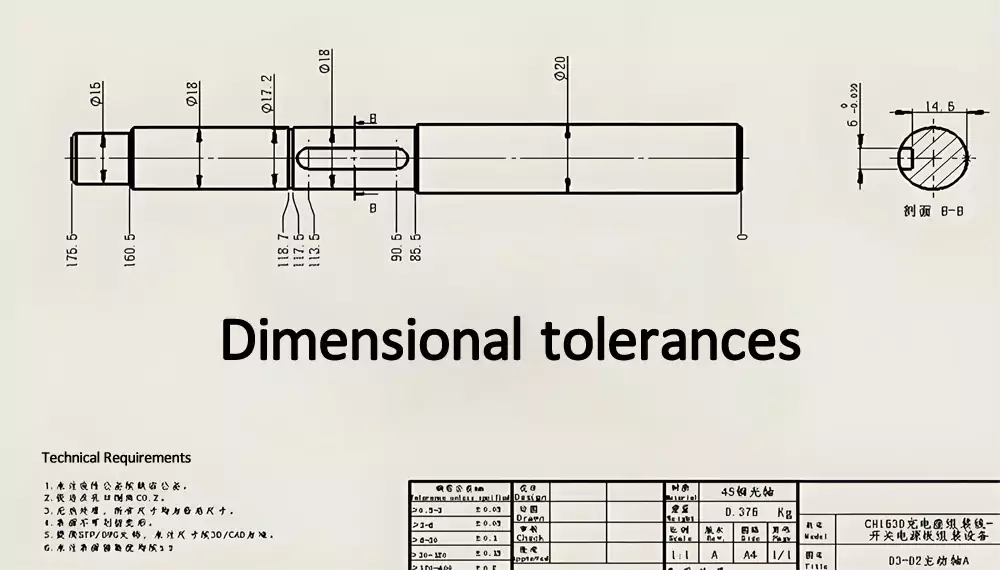
For buyers evaluating suppliers or planning new projects, it also helps to understand the broader service landscape, which is why many teams start with this overview of precision CNC shaft solutions.
When I started working closely with procurement teams across Europe, I saw the same pattern repeat. The shaft design itself was reasonable, but tolerances were set without a clear link to function or process. That gap almost always led to higher cost and longer lead times.
Why Shaft Tolerances Matter in Cost, Lead Time, and Supplier Risk?
Many procurement managers ask why two suppliers can quote the same shaft with a large price difference. The answer is rarely material or machine rate. It is usually tolerance.
Shaft tolerances directly affect machining time, inspection effort, delivery stability, and how many qualified suppliers can realistically bid on a project.
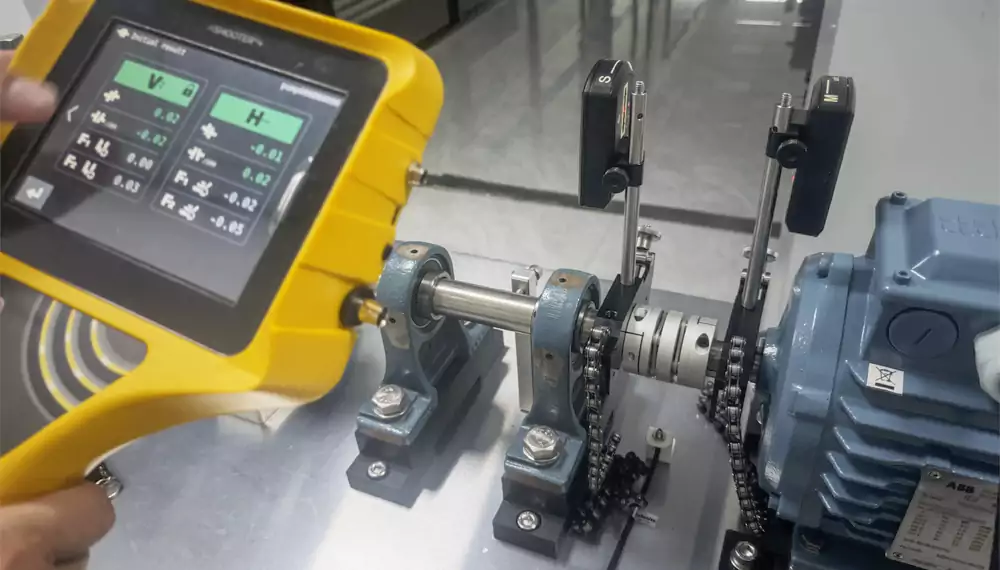
How tolerances drive cost and risk
Each tighter tolerance adds work. Setups take longer. Fixturing becomes more complex. Cutting speeds drop. Inspection becomes mandatory rather than selective. These effects apply whether the shaft is a simple pin or a complex motor component.
Overly strict tolerances also increase scrap risk. A shaft may pass rough machining and fail final inspection. From a supplier view, this risk must be priced into the quote. This is why buyers often see higher prices or longer quoted lead times.
Supplier availability is another key issue. Many CNC shops can meet standard shaft requirements described in a typical CNC machining of shafts process. Fewer shops can consistently meet very tight geometric tolerances. As tolerances tighten, your supplier pool shrinks. This is especially important for EU procurement teams focused on long-term supply stability.
In short, tolerances define not only quality but also commercial exposure.
Key Shaft Tolerances Every Procurement Manager Should Understand?
Procurement managers do not need to calculate tolerances. They do need to know what each tolerance changes in real production and in real use.
Straightness, concentricity, roundness, and surface roughness affect shaft function in different ways, and each one carries a different cost impact.
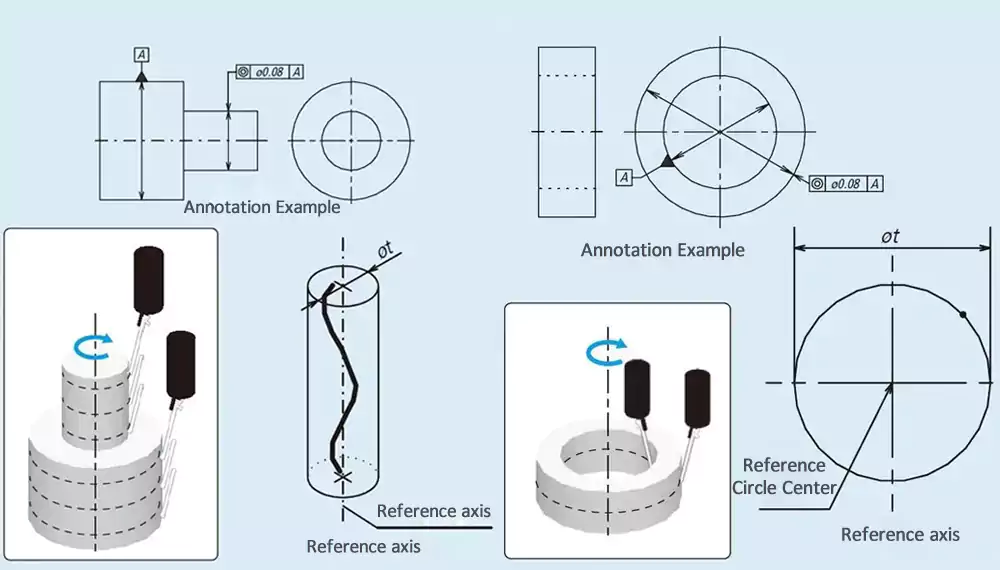
Understanding functional impact without over-specifying
Straightness matters when shafts slide, rotate at speed, or pass through long bearing spans. For a fixed locating shaft, straightness beyond a certain level adds no value. This distinction becomes clear when comparing different shaft roles, such as those explained in a typical motor shaft application.
Concentricity1 is critical when multiple diameters interact with bearings, gears, or seals. Poor concentricity leads to uneven loading and early wear. This is especially true for rotating systems such as transmission shafts, where alignment directly affects service life.
Roundness affects smooth rotation. Standard CNC turning already achieves acceptable roundness for many industrial uses. Very tight roundness requirements often push the process toward grinding.
Surface roughness influences friction, wear, and sealing. A fine surface may improve performance, but it increases cycle time. In many cases, only specific areas need a fine finish. Clear guidance during the design of a CNC machined shaft helps avoid unnecessary cost.
The guiding rule is simple. If a tolerance does not protect function, it likely adds cost without benefit.
How Tolerance Levels Directly Affect Machining Cost and Lead Time?
This is where procurement teams feel the impact most clearly. Small tolerance changes often create large differences in price and delivery.
Tighter shaft tolerances increase machining complexity, inspection load, and delivery uncertainty, even when the shaft geometry stays unchanged.
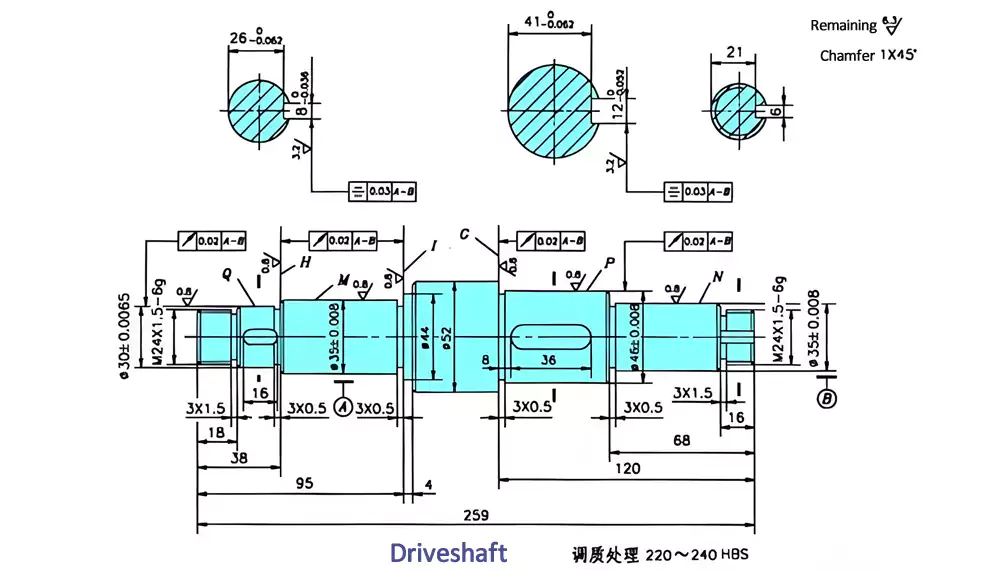
Cost and lead time in real projects
Standard tolerances allow faster machining, simpler setups, and flexible scheduling. Tight tolerances slow production. Skilled operators are required. Machines stay occupied longer. Inspection queues grow.
Inspection is often underestimated. Tight tolerances require CMMs, roundness testers, or custom gauges. These resources are limited. When inspection becomes the bottleneck, lead time extends.
Another issue is tolerance stacking2. When many features carry tight limits, the chance of one failure rises sharply. This increases rework and delays shipment.
Case study from a custom shaft project
I once supported a buyer sourcing a custom motor shaft for an industrial drive. The original RFQ applied strict tolerances across the full length, following a generic custom shaft manufacturing guide without functional filtering.
| Parameter | Original Requirement | Revised Requirement |
|---|---|---|
| Material | 42CrMo43 | 42CrMo4 |
| Shaft length | 420 mm | 420 mm |
| Straightness | 0.01 mm full length | 0.03 mm non-critical zones |
| Concentricity | 0.01 mm all diameters | 0.01 mm bearing seats only |
| Surface roughness | Ra 0.4 µm entire shaft | Ra 0.4 µm critical zones |
| Process | Grinding required | Turning + selective grinding |
| Lead time | 6–7 weeks | 4 weeks |
| Unit cost | +32% baseline | Baseline |
By aligning tolerances with function, the buyer reduced cost and lead time without affecting performance. This same logic applies to automotive programs, where OEMs often review tolerance strategy during custom automotive shaft machining.
CNC Turning vs Grinding: When Each Process Makes Sense for Shaft Machining?
Grinding is often seen as the safest choice. In reality, it should be the last choice unless function demands it.
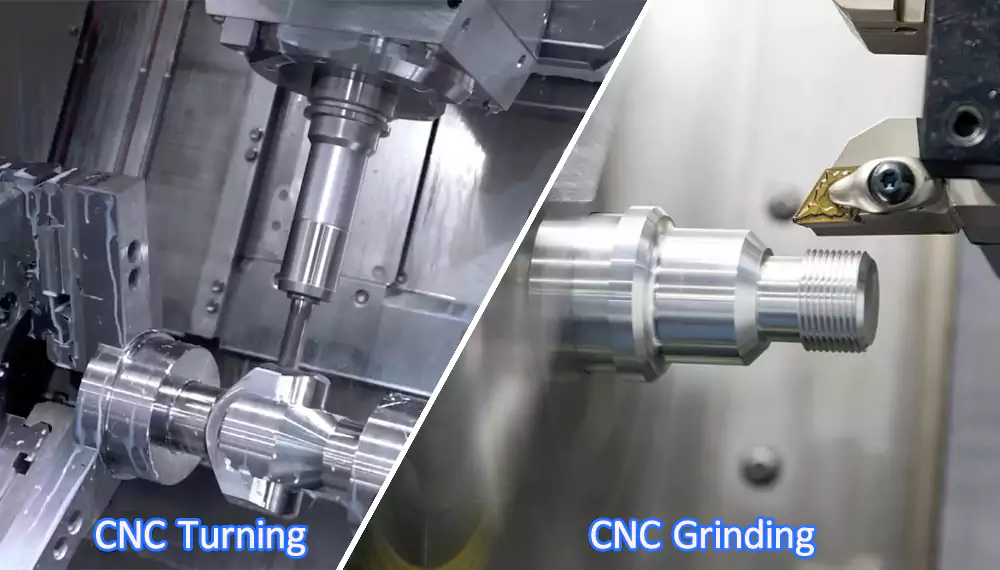
CNC turning can meet many shaft tolerance requirements, while grinding should be reserved for features that turning cannot reliably control.
Choosing the right process with procurement logic
CNC turning is efficient and flexible. It covers most straightness, concentricity, and surface finish needs for automotive, EV, and industrial shafts. Many applications, including those similar to a custom driveshaft, rely on turning for the majority of features.
Grinding becomes necessary for very tight roundness, ultra-smooth bearing seats, or demanding sealing surfaces. It improves accuracy but increases cost, cycle time, and supplier dependency.
A smart approach is selective grinding. Only the functional zones receive grinding. Other areas remain turned. This approach preserves performance while controlling cost and lead time.
Grinding should be specified intentionally, not automatically. When procurement teams question where grinding is truly needed, suppliers can propose better-balanced solutions.
Conclusion
Effective shaft tolerance decisions balance function, cost, and delivery. When tolerances serve real needs, procurement teams reduce risk, protect lead time, and build stronger, more reliable supplier partnerships.

-
Concentricity refers to the level of alignment between multiple circles, primarily within a 2D framework.Read more ↩
-
Learn tolerance stacking refers to the accumulation of allowable variations in dimensions or measurements during the manufacturing process. Read more ↩
-
Explore this link to understand 42CrMo4 steel's characteristics and why it's chosen for shaft manufacturing and engineering applications. ↩
