Last updated on April 13, 2026, by Lucy
I often see teams rush into tooling and regret it later. A bad prototype leads to costly mistakes and delays that could have been avoided.
Plastic prototyping is the process of creating functional or visual parts before production, helping engineers validate fit, function, and performance while reducing risk, cost, and time-to-market.
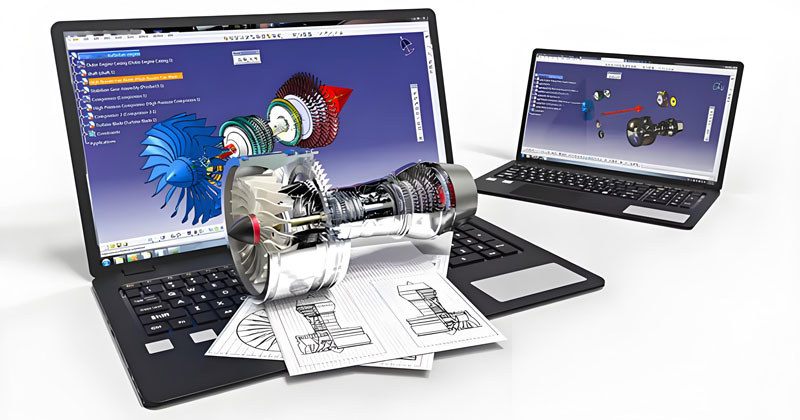
I have worked with many engineers who learned this the hard way. A prototype is not just a step. It is a filter that protects your project from failure.
What Is Plastic Prototyping?
I used to think prototypes were only for appearance. Then I saw assemblies fail because parts did not fit or perform under real conditions.
Plastic prototyping is the process of producing early-stage parts to test design, assembly, and function, allowing engineers to identify issues before committing to full-scale production.

Why manufacturers rely on prototypes
I always tell my clients this. A prototype must behave like the final part, not just look like it.
- Design validation1: verify geometry and assembly
- Functional testing: simulate real-world use
- Low-volume production: support pilot runs
In many projects, I combine different rapid prototyping solutions for custom plastic parts to balance speed and accuracy.
Real problem I often see
Many teams rely too much on 3D printing. Then problems appear after tooling. At that point, the cost is already locked in.
A good prototype gives you confidence. A bad one gives you false security. That is why the next step matters.
Common Plastic Prototyping Technologies Explained?
I often get asked which process is best. The truth is simple. Each method solves a different problem.
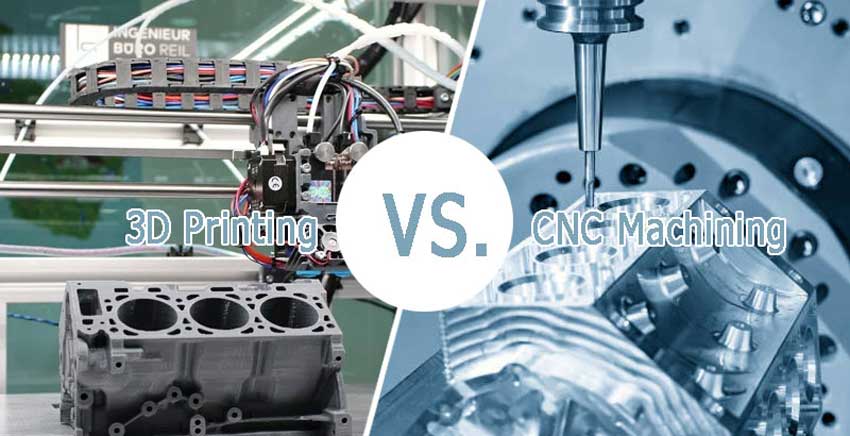
CNC machining delivers the highest precision and real material performance, while 3D printing and casting offer faster and lower-cost options for visual models and early-stage validation.
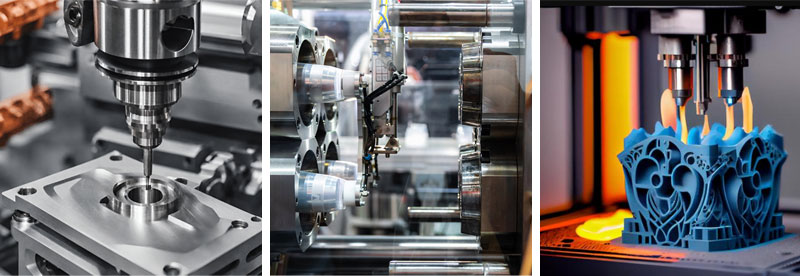
Process comparison
| Process | Advantages | Limitations | Best Use Cases |
|---|---|---|---|
| CNC Machining | High precision, real materials, tight tolerance | Higher cost | Functional prototypes |
| FDM/SLA/SLS | Fast, low cost, complex shapes | Lower strength, limited accuracy | Visual models |
| Vacuum Casting2 | Good surface, small batches | Requires mold | Pre-production |
| Injection Molding | Production-level quality | High tooling cost | Bridge production |
My experience
I use CNC when performance matters. I use 3D printing when I only need shape validation.
In practice, most engineers start by understanding what is rapid prototyping in manufacturing and how it works before choosing the right process.
Choosing the right process is not about preference. It is about matching the process to your engineering goal.
How to Choose the Right Prototyping Method?
Choosing the wrong method wastes time and money. I have seen projects delayed just because this decision was made too quickly.
The right prototyping method depends on quantity, tolerance, surface finish, lead time, and cost, with CNC machining being the best option for high-precision functional validation.

Decision factors
| Factor | CNC Machining | 3D Printing | Casting |
|---|---|---|---|
| Quantity | Low–Medium | Low | Medium |
| Tolerance | ±0.01 mm | ±0.1 mm | ±0.05 mm |
| Surface Finish | Excellent | Moderate | Good |
| Lead Time | Medium | Fast | Medium |
| Cost | Medium | Low | Medium |
Case study from my shop
I worked on a robotics housing project. The client first used SLA printing.
| Parameter | SLA Prototype | CNC Prototype |
|---|---|---|
| Material | Resin | ABS |
| Tolerance | ±0.15 mm | ±0.02 mm |
| Fit issues | Yes | No |
| Functional test | Failed | Passed |
| Cost | $120 | $380 |
The client avoided a costly mold rework by switching to CNC early.
This is where many engineers change their mindset. Cost is not just about the prototype. It is about what happens after.
Common Materials for Plastic Prototyping?
Material selection is often overlooked. That mistake leads to misleading test results.
Common plastic prototyping materials include ABS, Nylon, POM, PC, and PEEK, each offering different strength, heat resistance, and machinability depending on the application.
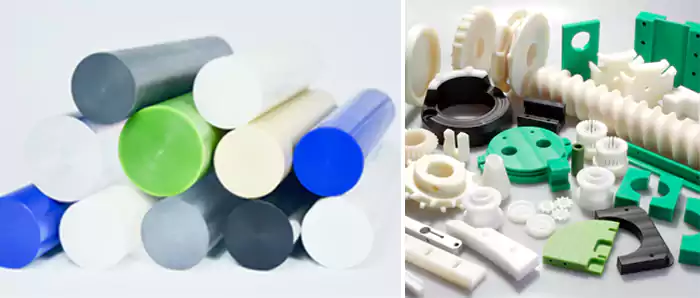
Engineering plastics
- ABS: easy to machine, good impact resistance
- Nylon: strong, wear-resistant
- POM: high precision, low friction
- PC: transparent, high toughness
- PEEK: high temperature, high performance
3D printing materials
- Resin3: high detail but brittle
- PLA: low cost but weak
- Nylon powder4: better strength but rough finish
My recommendation
If your part will face stress, load, or heat, I always move to CNC with engineering plastics.
Material defines performance. Process defines accuracy. You need both to get reliable results.
Applications of Plastic Prototyping in Modern Manufacturing?
Different industries approach prototyping in different ways. Still, the goal is always the same.
Plastic prototyping is widely used in automotive, medical, electronics, and industrial sectors to validate design, ensure functionality, and reduce production risk.
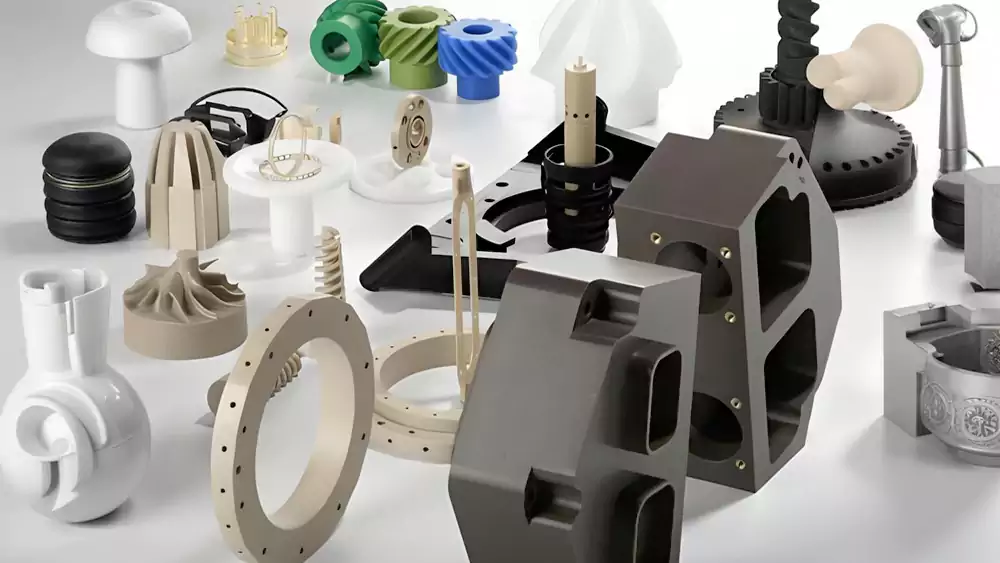
Automotive
Common parts:
- Sensor housings
- Dashboard components
- Connector brackets
Medical devices
Common parts:
- Device enclosures
- Surgical guides
- Fluid connectors
Consumer electronics
Common parts:
- Product housings
- Internal mounts
- Button structures
Industrial equipment
Common parts:
- Gear housings
- Fixtures
- Machine covers
What I notice
Industries with strict tolerance requirements5 move to CNC earlier because failure is not acceptable.
In many real projects, engineers refine their decisions by following a practical guide to rapid prototyping processes and material selection to avoid costly mistakes.
This leads to the final step. Turning a prototype into a production-ready part.
From Prototype to Production: Cost, Lead Time & CNC Advantages?
This is where many projects succeed or fail. The wrong choice here creates delays and hidden costs.
CNC machining is the best choice when you need accurate fit, real material performance, and reliable testing before investing in expensive production tooling.
Prototype vs production
| Aspect | Prototype | Production |
|---|---|---|
| Goal | Validation | Scale |
| Cost | Flexible | Optimized |
| Speed | Fast | Planned |
Cost drivers
- Material selection
- Geometry complexity
- Quantity
Lead time comparison
- 3D printing: 1–3 days
- CNC machining: 3–7 days
- Injection molding: 3–6 weeks
When I choose CNC
I choose CNC when:
- Fit must be precise
- Material performance matters
- Failure risk is high
My real insight
The point of a prototype is not to look like the part. It must behave like the part.
I would rather spend a few hundred dollars on a CNC prototype and catch a problem early than deal with a costly failure after tooling.
Conclusion
Plastic prototyping is not just a step in development. It is a decision tool that reduces risk and improves outcomes. By combining the right rapid prototyping strategy with CNC machining when needed, you can validate designs with confidence, avoid expensive rework, and move into production with fewer unknowns.
-
Explore this to understand how design validation ensures prototypes meet geometry and assembly requirements, reducing costly errors. ↩
-
Learn about casting, explore its advantages in small-batch production, and discover common materials and different casting methods. ↩
-
Explore this link to understand resin's high detail capabilities and brittleness in 3D printing for better material choice. ↩
-
Explore this link to understand nylon powder's strength and finish qualities for optimal 3D printing results. ↩
-
Explore this link to understand why CNC machining is favored in industries where precision and tolerance are critical to avoid costly failures. ↩
