Last updated on February 28, 2026, by Lucy
Many buyers assume material drives CNC cost. They approve titanium and expect high prices. Then the final quote arrives even higher. That gap creates tension and delays.
The most expensive cost drivers in CNC machining are not just material, but machine time, tight tolerances, complex geometry, tool wear, and secondary processes. In high-precision industries, geometry and tolerance often cost more than raw stock.

I have seen engineers focus on alloy price while ignoring cycle time and inspection load. The real cost concentration usually hides inside geometry and precision.
Where CNC Machining Costs Actually Accumulate in Industrial Projects?
Many engineers review the material line first. They compare titanium vs steel. They rarely ask how many spindle hours the part needs.
CNC machining costs accumulate mainly in machine time, CAM programming, tooling wear, inspection requirements, and surface finishing. Material is visible, but geometry and tolerance quietly multiply total cost.

When I break down a quote, I look at six core areas:
1. Machine Time (3-Axis vs 5-Axis)
A 5-axis machining center costs far more per hour than a 3-axis mill. The capital investment is high. The maintenance is high. The operator skill requirement is high.
If a part requires multi-face positioning or continuous 5-axis surfacing, cycle time1 increases fast. One extra setup can add 15–25% to cost. A continuous 5-axis contour can double programming time.
2. Raw Material
Titanium and Inconel are expensive. But waste ratio matters more. If your part removes 70% of stock, you are paying for scrap. Thick billet removal in industrial equipment parts often drives hidden cost.
3. Tool Wear & Cutting Strategy
Hard materials kill tools. Deep cavities break tools. Aggressive tolerances require finish passes. Every tool change adds time and cost.
4. CAM Programming Complexity2
Complex geometry means longer tool path planning. A simple bracket may take 30 minutes to program. A robotic arm joint with blended surfaces may take 6–8 hours.
5. Inspection & Documentation
Automotive PPAP files. Medical traceability. CMM inspection. Each adds labor and equipment load.
6. Surface Finishing & Secondary Operations
Heat treatment, anodizing, plating, grinding. Each process adds handling time and risk.
Most buyers underestimate where the real cost concentration lies. They see material. I see geometry and tolerance.
The 6 Most Expensive Cost Drivers in CNC Projects (Ranked by Impact)?
Buyers often ask me what really drives cost. I tell them to look beyond alloy price.
The top CNC cost drivers are high-performance materials, 5-axis machine hours, tight tolerances below ±0.01 mm, complex geometries, heavy tool wear, and secondary processing such as heat treatment and coating.
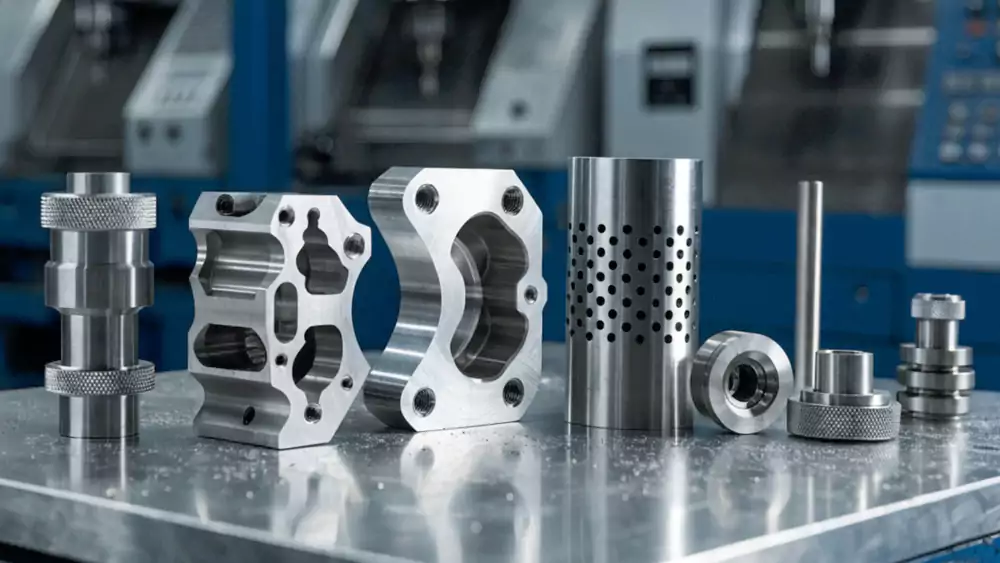
Here is how I rank them in industrial projects:
| Rank | Cost Driver | Why It Becomes Expensive |
|---|---|---|
| 1 | Tight Tolerances (< ±0.01 mm) | Requires slower feeds, finish passes, CMM checks |
| 2 | Complex Geometry | Long programming + multi-axis machining |
| 3 | 5-Axis Machine Time | High hourly rate + skilled operator |
| 4 | High-Performance Materials | Tool wear + slow cutting speed |
| 5 | Deep Cavities / Thin Walls3 | Tool deflection risk + scrap rate |
| 6 | Secondary Processes | Extra handling + external vendor margin |
Case Study: Robotic Gear Housing (Industrial Automation)
I worked on a robotic gearbox housing for an automation client.
Part Parameters:
| Parameter | Value |
|---|---|
| Material | 7075-T6 Aluminum |
| Batch Size | 200 pcs |
| Tolerance | ±0.008 mm on bearing bores |
| Geometry | 4 deep pockets (85 mm depth) |
| Surface Finish | Ra 0.8 µm on critical surfaces |
| Secondary | Hard anodizing |
Cost Breakdown (Per Part):
| Cost Element | % of Total Cost |
|---|---|
| Material | 18% |
| Machine Time | 42% |
| Programming | 10% |
| Tooling | 8% |
| Inspection | 12% |
| Anodizing | 10% |
Material was not the problem. Tight bores and deep pockets drove cycle time from 38 minutes to 74 minutes. Inspection time doubled. That is where profit disappears.
Why Automotive, Medical & Industrial Parts Cost More Than You Expect?
Engineers design for performance. Procurement sees only the unit price. The industry context changes everything.
Automotive, medical, and industrial parts cost more due to compliance requirements, documentation, fixture investment, and higher precision standards. These indirect factors often exceed raw machining cost.
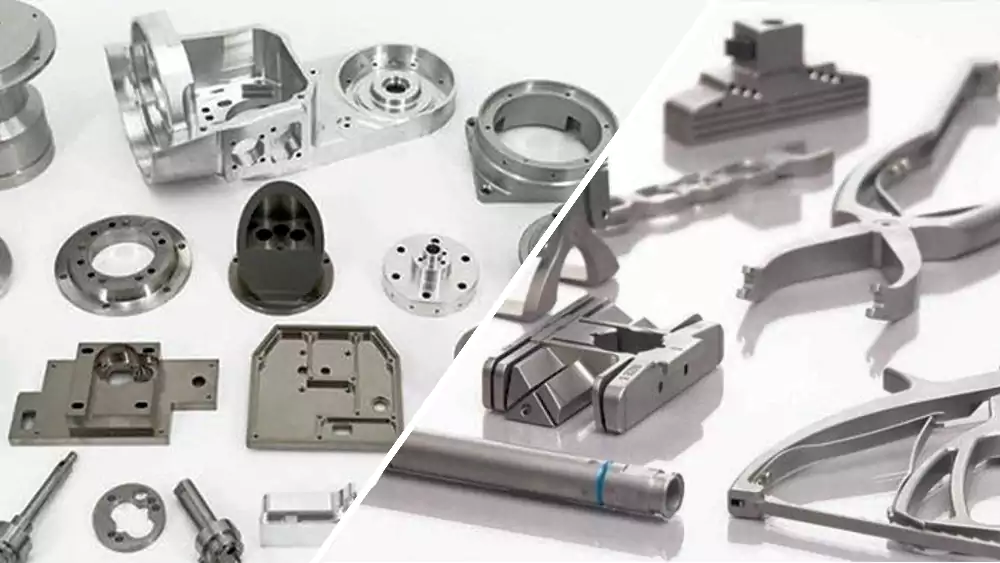
Automotive
Automotive projects require PPAP documentation4. Fixtures must be stable for thousands of cycles. Initial setup cost spreads across volume, but early batches look expensive.
Medical
Medical parts require traceability. Each batch must link to material certification. Clean machining environments are required. Scrap risk is unacceptable.
Industrial Equipment
These parts are often large. Stock removal ratio is high. Deep cavities are common. Thick sections increase cutting time.
Motorcycle Components
Surface aesthetics matter. Anodizing consistency matters. Visual defects lead to rejection even if dimensions pass.
Each industry adds hidden layers of cost beyond spindle time.
How Procurement Teams Can Reduce CNC Costs Without Compromising Quality?
Many teams push for lower price. That approach often backfires. Smart cost control starts at design.
Procurement teams can reduce CNC costs by relaxing unnecessary tolerances, optimizing material selection, increasing batch size, consolidating operations, and engaging suppliers early for DFM review.
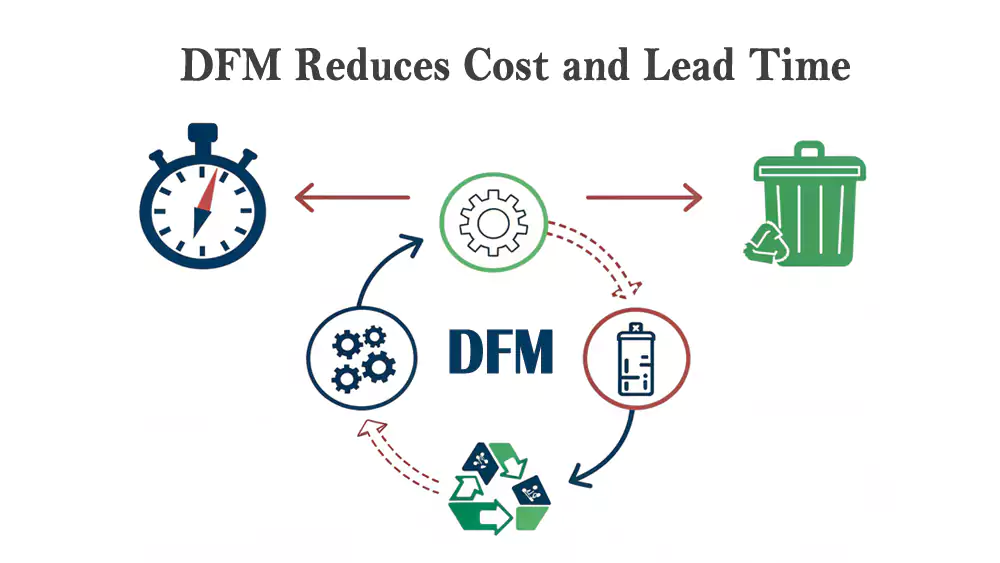
Here is what I recommend:
Relax Unnecessary Tolerances
If a feature does not affect fit or function, do not hold ±0.01 mm. Moving to ±0.03 mm can reduce cycle time by 20–40%.
Optimize Material
Sometimes 6061-T6 replaces 7075 without performance loss. That saves both material and tooling cost.
Consolidate Operations
Design parts to reduce setups. Fewer setups mean less fixture time and less positional error risk.
Increase Batch Size
Setup cost spreads over volume. Small batches carry heavy overhead.
Early DFM Collaboration
When I join at design stage, I often reduce total project cost by 10–25%. Simple geometry changes can eliminate a 5-axis requirement.
When a Higher CNC Price Actually Saves You Money?
Lowest quote feels safe. It rarely is.
A higher CNC price can reduce total cost by lowering scrap risk, preventing rework, improving delivery reliability, and reducing quality escape consequences. Lowest quote does not equal lowest total cost.
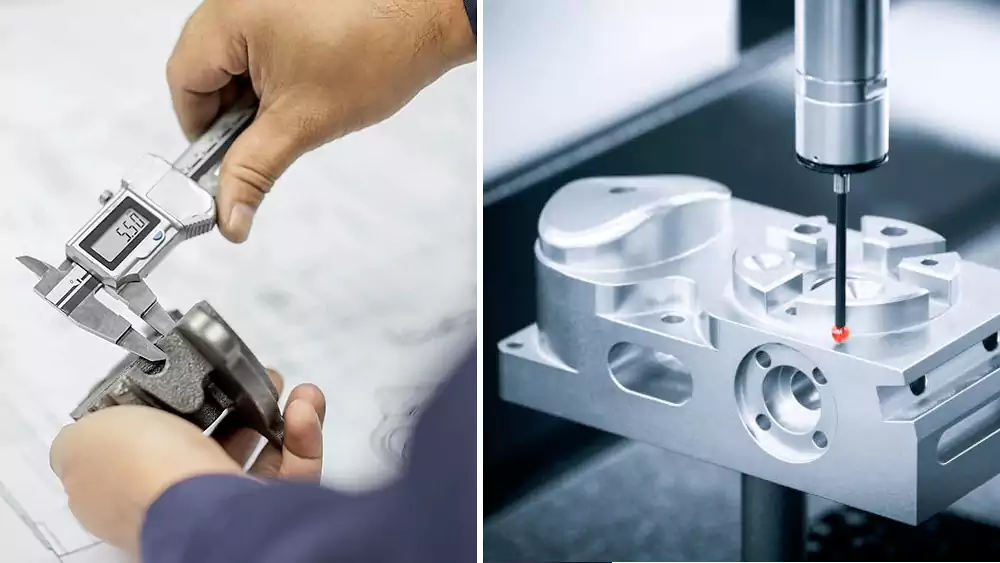
Cheap suppliers may cut inspection time. They may rush finishing passes. They may skip tool replacement intervals.
Scrap risk increases. Rework cost rises. Delivery delays hurt production lines. In automotive or medical sectors, one quality escape can cost far more than the original savings.
I have seen projects move to low-cost suppliers. Six months later, they return after tooling damage and missed deadlines.
Geometry and tolerance are silent profit-eaters. I learned this after 20 years running machines and building a shop. Material cost is visible. Precision cost hides in process discipline.
Conclusion
Material rarely defines CNC cost. Geometry, tolerance, and process control do. Smart design and early supplier collaboration reduce cost without sacrificing quality.
If you require custom CNC machining for parts, please contact our experts to obtain a transparent CNC cost breakdown for your project.

-
Understanding cycle time helps optimize machining efficiency and reduce costs in complex manufacturing processes. ↩
-
Exploring CAM programming complexity reveals its impact on production time and overall machining expenses. ↩
-
Learn why deep cavities and thin walls increase tool deflection risk and scrap rates, raising manufacturing expenses. ↩
-
Explore this link to understand the critical role of PPAP documentation in ensuring quality and compliance in automotive manufacturing. ↩
