Last updated on May 22, 2026, by Lucy
Many production problems do not start with the machine itself. They start with unstable setups, poor positioning, and inconsistent part alignment during machining or assembly.
A jig tool is a manufacturing device used to locate, hold, and guide a workpiece or cutting tool during production. It improves machining accuracy, reduces setup errors, increases repeatability, and helps manufacturers produce consistent parts faster and more efficiently.
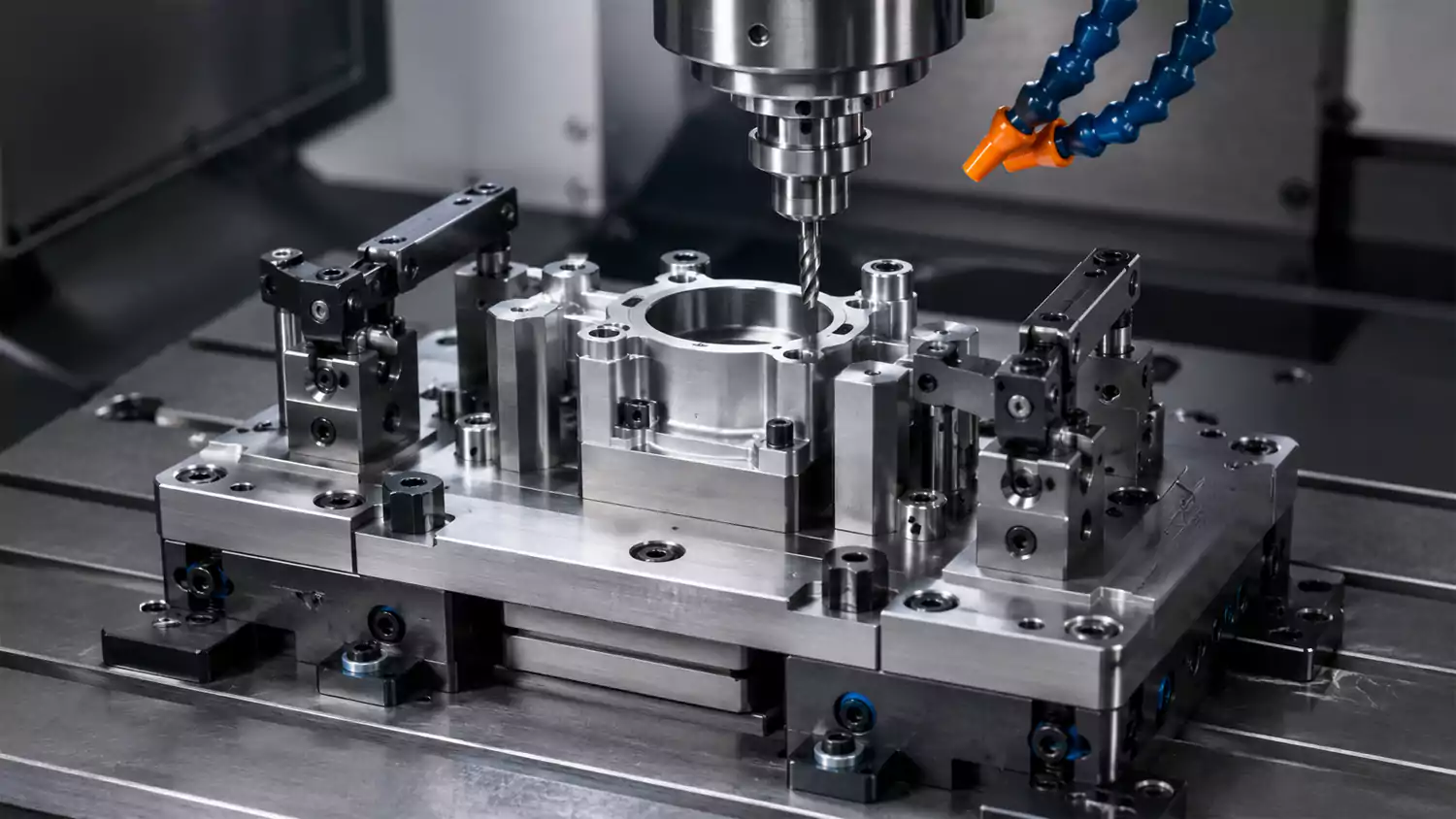
In my early years working inside a CNC machining shop, I learned something very quickly. Machines alone do not create precision. A properly designed jig tool is what allows operators to produce the same part accurately again and again with confidence.
What Is a Jig Tool?
Even a high-end CNC machine can produce poor results if the workpiece is not positioned correctly. Small setup mistakes often lead to scrap, rework, and wasted production time.
A jig tool is a custom manufacturing aid that positions, supports, and guides tools or parts during machining, drilling, welding, assembly, or inspection operations. It helps manufacturers achieve consistent dimensions, stable production quality, and repeatable accuracy across multiple parts.
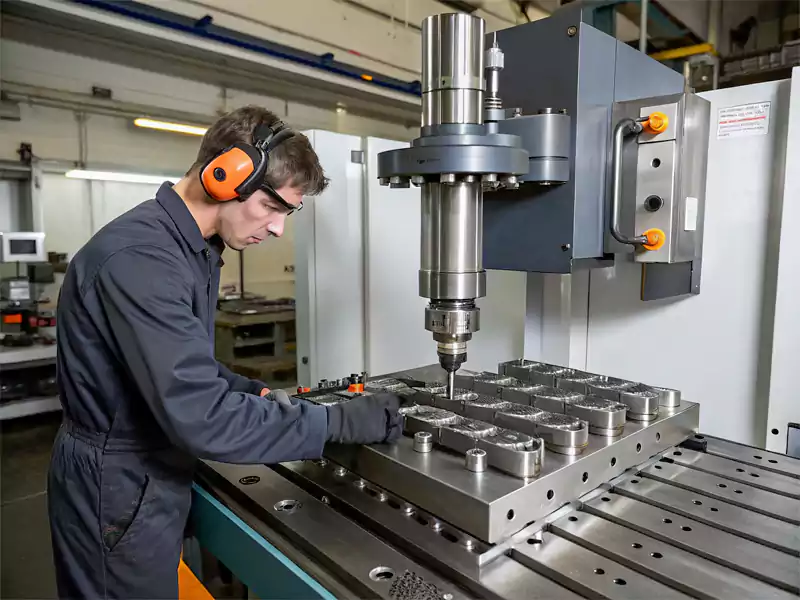
Formal Definition of a Jig Tool
In manufacturing, a jig is more than a simple holding device. A true jig not only secures the workpiece but also guides the cutting tool during the process1.
I often explain it this way to customers. A fixture mainly holds the part in place. A jig controls both the part position and the tool path.
Jigs are commonly used in:
- CNC machining
- Drilling operations
- Welding production
- Product assembly
- Quality inspection
Many custom manufacturers also combine jigs with advanced CNC machining services to improve setup consistency and production speed for complex precision parts.
How a Jig Tool Works
A jig tool controls three critical areas during production:
| Function | Purpose |
|---|---|
| Positioning | Locates the workpiece accurately |
| Clamping | Holds the part securely |
| Guiding | Controls tool direction and location |
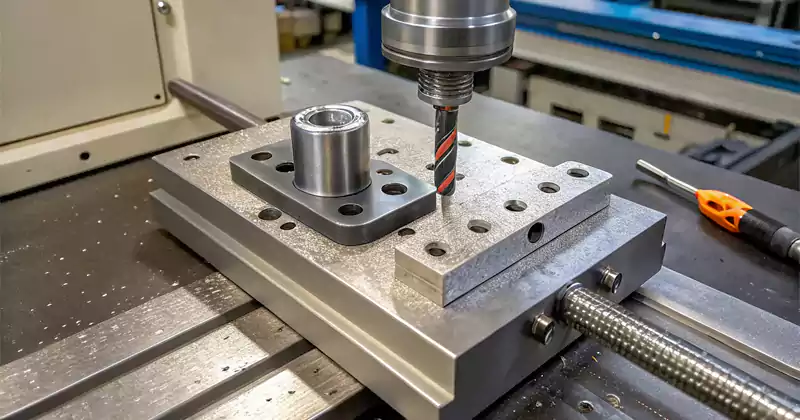
For example, in drilling applications, a drill jig uses hardened drill bushings to guide the drill bit into the same location every time. This greatly reduces operator error and improves hole consistency.
In CNC machining, jigs help reduce variation between setups2. This becomes very important when tight tolerances or repeat production runs are required.
Difference Between a Jig and a Fixture
Many people use these terms together, but they are not exactly the same.
| Feature | Jig | Fixture |
|---|---|---|
| Guides cutting tool | Yes | No |
| Holds workpiece | Yes | Yes |
| Common applications | Drilling, welding, assembly | Milling, turning, grinding |
| Design complexity | Usually higher | Usually simpler |
In real factory environments, some tooling systems combine both jig and fixture functions. If you want a deeper breakdown of tooling differences and applications, this detailed guide about CNC fixtures explains the topic very clearly.
Why Jig Tools Matter in Modern Manufacturing
Modern manufacturing depends heavily on consistency and repeatability.
A properly designed jig tool helps manufacturers:
- Reduce setup errors
- Improve machining consistency
- Increase production speed
- Lower scrap rates
- Reduce operator dependency
One customer I worked with struggled with hole alignment issues on aluminum automation brackets. Operators manually aligned every setup, and the rejection rate reached nearly 8%.
After we developed a custom drill jig with hardened guide bushings and precision locating pins, the rejection rate dropped below 1%, while setup time improved by almost 40%.
That is the real value of a good jig tool.
Common Types and Applications of Jig Tools
Without the correct jig system, production becomes slower, less accurate, and harder to scale. Different manufacturing operations require different types of jig tools.
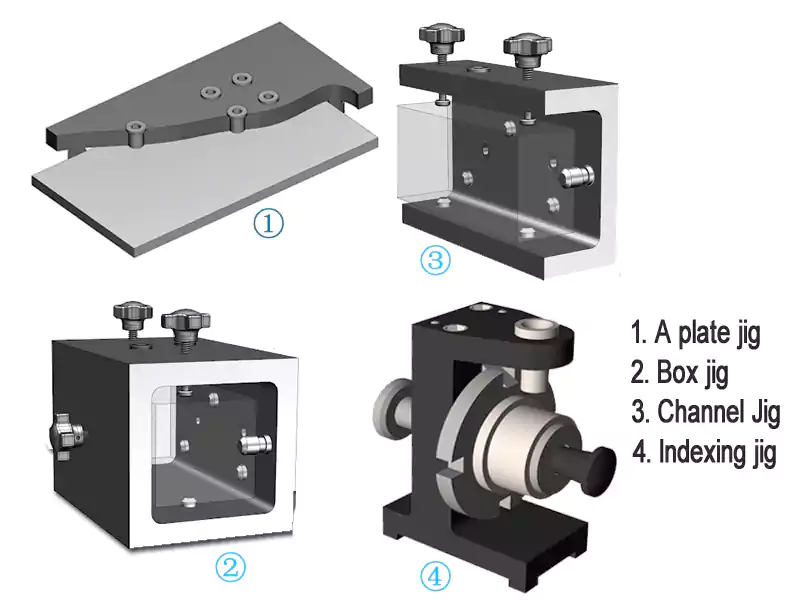
Common jig tools include drill jigs, welding jigs, CNC machining jigs, assembly jigs, and inspection jigs. Each type is designed to improve positioning accuracy, repeatability, production efficiency, and manufacturing consistency for specific industrial applications.
Drill Jigs
Drill jigs are among the most widely used jig types in manufacturing. They guide drill bits into exact locations through hardened bushings.
These jigs are commonly used for:
- Repetitive drilling operations
- Multi-hole patterns
- Sheet metal fabrication
- Precision mounting holes
A properly designed drill jig reduces manual layout work and improves hole location consistency.3
Welding Jigs
Welding creates heat distortion that can shift parts during assembly. Welding jigs help control this movement.
They improve production by:
- Maintaining alignment
- Securing component positions
- Supporting repeatable weld quality
- Improving robotic welding consistency
I often recommend welding jigs for fabricated steel frames and automation structures.
CNC Machining Jigs
Even advanced CNC equipment still depends heavily on accurate workholding.
CNC machining jigs help manufacturers:
- Reduce setup time
- Improve repeatability
- Support complex part geometries
- Minimize vibration during machining
For high-mix production environments, modular jig systems are becoming increasingly popular because they support faster product changeovers.
Assembly and Inspection Jigs
Assembly jigs help operators place components correctly during assembly operations.
Inspection jigs help quality teams quickly verify dimensions and positioning consistency.
These systems are common in industries such as:
- Electronics manufacturing
- Medical device production
- Automotive assembly
- Precision industrial equipment
Industries That Commonly Use Jig Tools
Automotive Manufacturing
Automotive production relies heavily on repeatable assembly and interchangeable parts.
Jig tools are widely used for:
- Chassis welding
- Engine component drilling
- Robotic assembly
- Precision positioning
Aerospace Components
Aerospace manufacturing requires extremely tight tolerance control and process stability.
Jigs help maintain:
- Hole accuracy
- Structural alignment
- Machining consistency
- Repeatable assembly quality
Electronics and Precision Equipment
Small precision components require highly accurate positioning and repeatable assembly operations.
Industrial Machinery
Large industrial components often require heavy-duty custom jigs to support machining stability and welding accuracy.
Real Manufacturing Case Study
I once worked on a custom machining jig project for stainless steel actuator housings used in industrial robotics systems.
| Parameter | Data |
|---|---|
| Material | SUS304 Stainless Steel |
| Part Size | 210 mm × 145 mm |
| Production Volume | 4,500 pcs/year |
| Required Tolerance | ±0.02 mm |
| Original Setup Time | 18 minutes |
| New Setup Time | 7 minutes |
| Scrap Rate Before Jig | 6.5% |
| Scrap Rate After Jig | 0.9% |
The final jig system used hardened locating pins, pneumatic clamping, and interchangeable support blocks. The customer recovered the tooling investment within four months through reduced labor costs and lower rejection rates.
What Makes a Good Jig Tool Design?
A poorly designed jig often creates more manufacturing problems than it solves. Weak clamping or inaccurate positioning can directly affect machining quality and production efficiency.
A good jig tool design focuses on positioning accuracy, stable clamping, repeatability, material durability, ease of operation, and long-term manufacturing efficiency while supporting consistent part quality.
Positioning and Clamping Accuracy
Accurate positioning is the foundation of every successful jig design.
Most jig systems use:
- Locating pins
- Datum surfaces
- Support blocks
- Mechanical or pneumatic clamps
The goal is simple. Every part must return to the exact same position with minimal variation.
Poor clamping often causes vibration, dimensional errors, and unstable machining conditions.
Material Selection for Jig Tools
Different jig materials offer different advantages depending on the production environment.
Steel
Steel provides high rigidity and long-term durability. It is widely used for heavy production tooling.
Aluminum
Aluminum reduces overall jig weight and improves machinability. It works well for medium-duty applications.
Engineering Plastics
Engineering plastics help protect delicate surfaces and reduce cosmetic damage on sensitive components.
| Material | Main Advantage | Common Application |
|---|---|---|
| Steel | High durability | Heavy production |
| Aluminum | Lightweight structure | Flexible tooling |
| Engineering Plastics | Surface protection | Sensitive precision parts |
Ease of Operation and Maintenance
Operators may use the same jig hundreds of times per day. Complicated tooling designs often slow production and increase operator mistakes.
Good jig designs should:
- Allow fast loading and unloading
- Reduce operator fatigue
- Simplify maintenance
- Support quick cleaning
I always tell younger engineers this. The best jig design is usually the one operators can use naturally without extra effort.
Repeatability and Production Efficiency
A high-quality jig tool reduces variation between production batches.
This improves:
- Product consistency
- Inspection efficiency
- Machine utilization
- Manufacturing repeatability
CAD, CNC Machining, and Tolerance Control
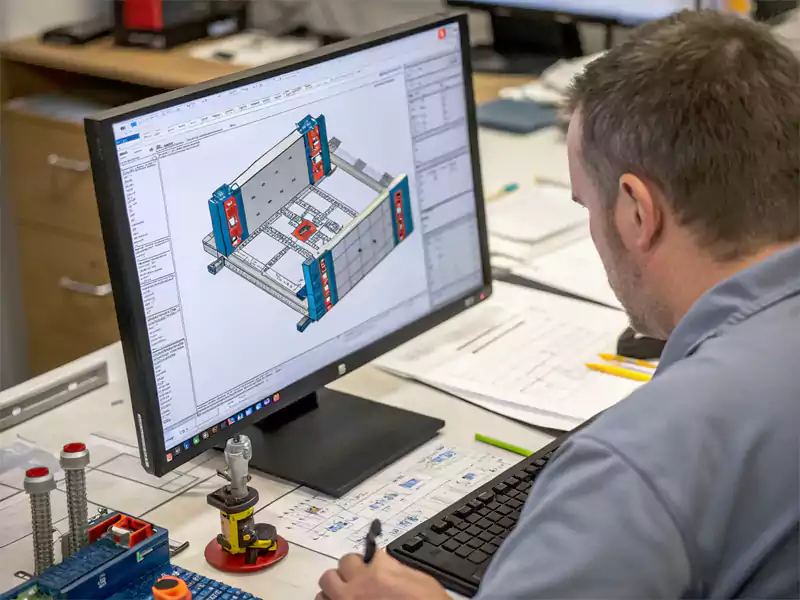
Modern jig development relies heavily on CAD software and precision CNC machining.
Digital engineering allows manufacturers to:
- Simulate workholding positions
- Check assembly interference
- Optimize tolerances
- Improve production workflow
In precision manufacturing, even small locating errors inside a jig can directly affect final machining accuracy.
When Should You Use a Custom Jig Tool?
Many manufacturers delay investing in custom tooling because they focus only on initial cost. In reality, inefficient setups often create much larger hidden production losses.
Custom jig tools are most valuable when manufacturers need repeatable accuracy, reduced setup time, lower labor costs, stable machining quality, or faster production efficiency in medium or high-volume manufacturing.
Prototype vs Production Manufacturing
Prototype production often uses flexible setups because part designs may still change.
Production manufacturing is very different. Once the design becomes stable, repeatability becomes the top priority.
Custom jig tools help manufacturers stabilize production quality after the prototype stage.
Low-Volume and High-Mix Production
Many people think jigs are only useful for mass production. That is no longer true.
Today, modular jig systems are widely used for:
- Small batch production
- Prototype validation
- Multi-product manufacturing
- Flexible production systems
Reducing Machining Errors and Labor Costs
Custom jigs reduce dependency on manual operator skill.
This helps manufacturers:
- Reduce setup mistakes
- Lower rework costs
- Improve process stability
- Shorten operator training time
In many cases, labor savings eventually become larger than the tooling investment itself.
How Custom Jig Tools Improve CNC Machining Efficiency
Setup time is one of the largest hidden costs in CNC machining.
Custom jig tools improve efficiency by:
- Reducing alignment time
- Improving clamping consistency
- Supporting multi-part machining
- Reducing machine idle time
This becomes especially valuable for complex precision parts with multiple machining operations.
Choosing a Reliable Jig Tool Manufacturer
A good jig supplier should understand both machining processes and real production environments.
I usually recommend choosing suppliers with:
- CNC machining experience
- Design engineering capability
- Precision inspection equipment
- Tight tolerance control
- Rapid prototyping support
The best tooling manufacturers do not simply build jigs. They help improve the entire manufacturing process from setup to final inspection.
FAQ
What is the difference between a jig and a fixture?
A jig guides the cutting tool and positions the workpiece, while a fixture mainly holds and supports the workpiece during machining operations.
What materials are commonly used for jig tools?
Steel, aluminum, and engineering plastics are the most common materials used for manufacturing jig tools.
Are jig tools used in CNC machining?
Yes. Jig tools are widely used in CNC machining to improve setup consistency, positioning accuracy, and production efficiency.
Can custom jig tools improve production efficiency?
Yes. Custom jig tools help reduce setup time, improve repeatability, lower scrap rates, and reduce labor costs during manufacturing.
How much does a custom jig tool cost?
The cost depends on the jig size, complexity, material selection, tolerance requirements, and production volume. Simple jig tools may cost a few hundred dollars, while advanced production tooling can cost several thousand dollars.
Conclusion
A jig tool is not just a production accessory. It is a critical part of modern manufacturing efficiency, machining accuracy, and repeatable quality. The right jig helps manufacturers reduce errors, improve consistency, and turn precision designs into reliable real-world production results.
-
"Boosting Manufacturing Efficiency: Advantages of Jigs and Fixtures", https://www.carrlane.com/engineering-resources/technical-information/design-standards-engineering-information/advantages-of-jigs-and-fixtures?srsltid=AfmBOoq2tc6XSWvLW_5LJhSjb5ZqLB3XBS2Pf3u999U1I-YDjdSv0wTo. A machining or manufacturing engineering source explains that jigs locate and guide tools to reduce manual marking or layout and improve repeatability of hole placement; this supports the general principle rather than quantifying the improvement for every jig design. Evidence role: general_support; source type: education. Supports: A properly designed drill jig reduces manual layout work and improves hole location consistency.. Scope note: The expected source may support the mechanism generally, but performance gains depend on jig design, operator practice, and production conditions. ↩
-
"Effect of machining fixture design parameters on workpiece ...", https://pure.psu.edu/en/publications/effect-of-machining-fixture-design-parameters-on-workpiece-displa. Research on machining fixtures and workholding explains that accurate locating and clamping systems improve repeatability across setups by controlling workpiece position relative to the machine tool. Evidence role: mechanism; source type: paper. Supports: Jigs and related workholding systems can reduce setup-to-setup variation in CNC machining.. Scope note: The evidence would support the general relationship between workholding design and setup repeatability, not guarantee variation reduction in every CNC process. ↩
-
"(PDF) Jigs and Fixtures in Manufacturing - Academia.edu", https://www.academia.edu/88316874/Jigs_and_Fixtures_in_Manufacturing. A manufacturing engineering reference defines a jig as a workholding device that also guides the cutting tool, distinguishing it from fixtures that primarily locate and secure the workpiece. Evidence role: definition; source type: education. Supports: A jig secures the workpiece and guides the cutting tool during manufacturing.. ↩
