Last updated on April 20, 2026, by Lucy
I often see teams rush into tooling and regret it later. Small design flaws turn into expensive mistakes. Fixing molds after production starts is painful and slow.
A CNC hand board is a precision-machined prototype made from real production materials, used to test fit, function, and performance before mass production, helping engineers identify design flaws early and avoid costly tooling revisions.
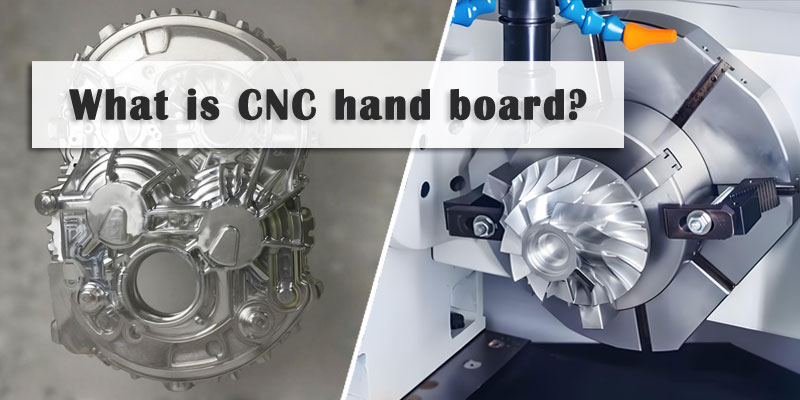
I have worked with many engineers who only came to understand this through painful lessons. CNC-machined prototype parts often reveal issues that CAD software cannot display. This is why this step is crucial.
What Is a CNC Hand Board (CNC Prototype)?
I often meet clients who confuse terms. They hear “hand board” and think it is something handmade. That misunderstanding can slow down decisions.
A CNC hand board is a functional prototype created using CNC machining from real materials, and it is essentially the same as a CNC prototype used to verify design accuracy, assembly fit, and real-world performance.
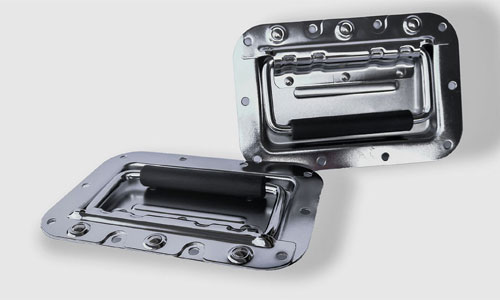
Understanding this term is important. Once you know what it really means, you can make better decisions about prototyping and avoid unnecessary delays, especially when working with professional rapid prototyping solutions for custom CNC parts that bridge design and production.
What Does “Hand Board” Mean in Manufacturing?
In my early career, I learned that “hand board” comes from Asian manufacturing language. It refers to a pre-production sample. It does not mean manual work. It means an early-stage physical validation model1.
CNC Hand Board vs CNC Prototype: Are They the Same?
In real projects, I treat them as the same thing. The difference is only in wording. Engineers in different regions use different terms, but the goal is identical.
Why CNC Hand Boards Are Critical Before Mass Production
I always tell clients this. Problems only appear when you test real materials. Digital models cannot show everything.
| Validation Area | What You Discover |
|---|---|
| Fit & Assembly | Interference, misalignment |
| Strength | Weak points, stress concentration |
| Function | Motion issues, vibration |
| Surface Quality | Cosmetic defects |
How CNC Hand Boards Are Made: Process & Materials?
Many people think prototyping is just machining a part. That is not true. Every step affects accuracy, cost, and speed.
A CNC hand board is produced through a structured process including CAD design, CAM programming, CNC machining, and surface finishing, with material selection based on functional testing needs and final production requirements.
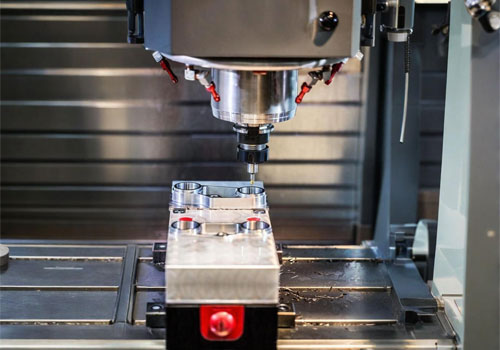
If the process is not controlled well, errors will stack up. A good workflow keeps everything predictable and efficient. This is why understanding the full CNC machining workflow from design to finished part helps reduce mistakes early.
Step-by-Step CNC Prototyping Process
From my experience, a clear process always saves time.
CAD Design & File Preparation
I always start with a clean CAD model. I review tolerances and remove unnecessary complexity.
CAM Programming2
Toolpaths are created here. Poor programming leads to longer machining time and higher cost.
CNC Machining
This is where design meets reality. Material behavior becomes visible.
Surface Finishing
Finishing defines both function and appearance. It can affect wear resistance and aesthetics.
Common Materials for CNC Hand Boards
Material selection must match the real use case.
| Material Type | Use Case |
|---|---|
| Aluminum 6061/70753 | Lightweight structural parts |
| ABS / POM / Nylon | Functional plastic testing |
| Stainless Steel | High strength and corrosion resistance |
CNC Hand Board vs 3D Printing vs Traditional Methods?
I often get this question from engineers. They want the fastest and cheapest option. But each method solves a different problem.
CNC hand boards provide higher precision, stronger mechanical properties, and superior surface finish compared to 3D printing, making them the best choice for functional testing and engineering validation.
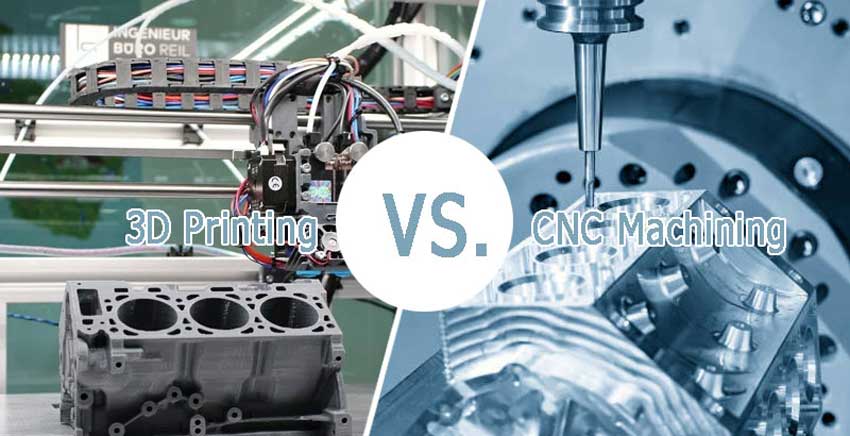
Choosing the wrong method can lead to wrong conclusions. That is why understanding the differences is critical, especially when comparing CNC with modern rapid prototyping technologies for functional part validation.
Precision & Tolerance Comparison
CNC machining can achieve ±0.01 mm or better. That level of accuracy is hard for most 3D printing methods.
Strength & Functional Testing Capability4
CNC parts behave like final products. 3D printed parts often cannot handle real loads.
Surface Finish & Aesthetic Quality
Machined parts have clean surfaces. Printed parts usually need extra finishing work.
Cost & Lead Time Considerations
| Method | Cost Level | Lead Time | Best Use Case |
|---|---|---|---|
| CNC Machining | Medium | Medium | Functional prototypes |
| 3D Printing | Low | Fast | Concept validation5 |
| Injection Mold | High | Slow | Mass production |
Advantages & Applications of CNC Hand Boards?
Some teams try to skip prototyping to save money. I have seen that decision fail many times.
CNC hand boards offer high precision, real material validation, and reliable performance testing, making them essential for industries that require accuracy, durability, and production-ready verification.
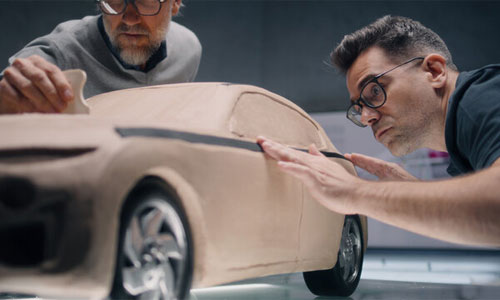
When you test with real parts, you reduce risk. That is the biggest advantage. In many industries, combining CNC validation with structured rapid prototyping services for engineering development ensures faster iteration and better outcomes.
Key Advantages
From my experience, these benefits are consistent:
- High precision (±0.01 mm)
- Real production materials
- Excellent surface finish
- Reliable functional testing
Industry Applications
I have worked across many industries. The needs are different, but the purpose is the same.
| Industry | Typical Use Case |
|---|---|
| Automotive | Engine brackets, housings |
| Aerospace | Structural components |
| Consumer Electronics | Enclosures, internal frames |
| Marine Hardware | Corrosion-resistant fittings |
| Industrial Equipment | Custom machine parts |
Design Tips, Cost Factors & Supplier Selection?
Even a good design can fail if small details are ignored. I have seen simple mistakes lead to delays and extra cost.
Optimizing design features, selecting the right materials, and working with a capable CNC supplier can significantly reduce prototype cost while improving accuracy, lead time, and overall project success.
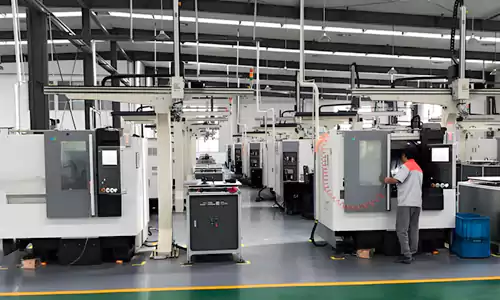
If you control these factors early, the whole project becomes smoother and more predictable. This is where applying proven CNC machining best practices for cost and efficiency makes a clear difference.
Key Design Tips for CNC Hand Boards
I always follow these basic rules:
- Avoid thin walls that are hard to machine
- Do not over-specify tight tolerances
- Choose materials based on real function
What Affects CNC Prototype Cost?
Cost always follows clear logic.
| Cost Factor | Impact Level |
|---|---|
| Material | High |
| Machining Complexity | High |
| Surface Finish | Medium |
| Quantity & Lead Time | Medium |
How to Choose a Reliable CNC Prototyping Supplier
I look for partners who can deliver consistently:
- Advanced machines and tooling
- Proven experience in similar industries
- Strong quality control systems
- Fast and clear communication
Case Study: Real CNC Hand Board Project
I worked on an automotive housing prototype where timing was critical.
| Parameter | Value |
|---|---|
| Material | Aluminum 6061 |
| Tolerance | ±0.02 mm |
| Quantity | 5 units |
| Machining Time | 18 hours total |
| Surface Finish | Sandblasting + anodizing |
| Lead Time | 5 days |
| Key Issue Found | Assembly interference |
| Prototype Cost | $850 |
| Estimated Mold Fix Cost | $12,000+ |
The prototype exposed a small clearance issue. We fixed it before tooling. That single step saved a large amount of money and avoided production delay.
Conclusion
CNC hand boards are more than prototypes. They are a practical way to reduce risk, validate real-world performance, and improve design confidence. By combining precise machining with smart prototyping strategies, you can avoid costly tooling errors, shorten development cycles, and move into production with far greater certainty.

-
Explore this link to understand how early-stage physical validation models help ensure product quality before mass production. ↩
-
Learn how effective CAM programming optimizes toolpaths, reducing machining time and costs for better project outcomes. ↩
-
Explore this link to understand why Aluminum 6061/7075 is ideal for lightweight structural parts due to its strength-to-weight ratio and versatility. ↩
-
Learn why CNC parts are preferred for functional testing due to their ability to handle real loads, unlike many 3D printed parts. ↩
-
This guide will explore different strategies for concept validation, investigating when and how to use tools like concept tests and online surveys to validate. ↩
