Last updated on April 21, 2026, by Lucy
Medical parts fail when precision is ignored. Even a tiny deviation can risk patient safety and delay approvals. Many engineers struggle to find suppliers who truly meet medical standards.
Medical CNC machining delivers ultra-precise, fully traceable, and regulation-compliant parts using certified materials, tight tolerances, and controlled processes, ensuring safety and reliability in medical devices and healthcare applications.
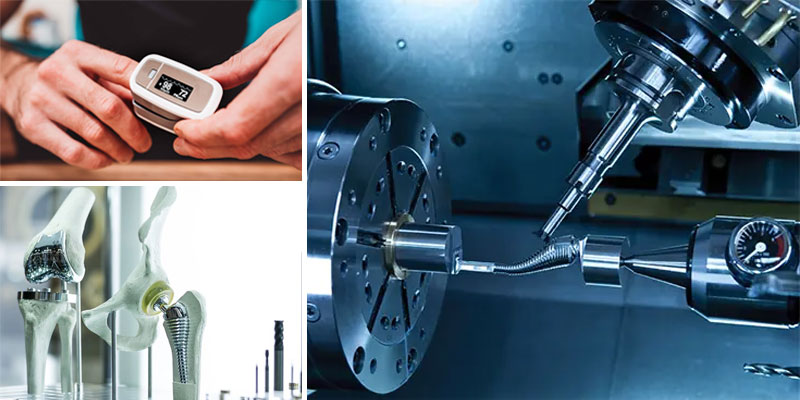
I have worked with many engineers who faced delays and rejected parts. The root cause is often the same. The supplier does not meet medical standards. If you already understand the basics of CNC workflows, similar to what is covered in a comprehensive CNC machining process overview, you will see that medical machining simply raises every requirement to a higher level.
What Is Medical CNC Machining and Why It Matters?
Many suppliers claim precision. Few meet medical-level requirements. This gap often leads to costly redesigns and failed audits.
Medical CNC machining is a specialized manufacturing process designed to meet strict medical standards, including micron-level tolerances, cleanroom conditions, and full traceability for every part produced.
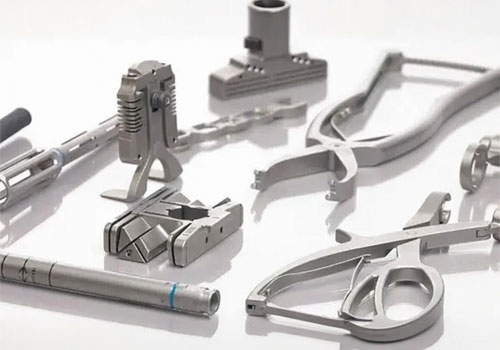
If you work in medical product design, you already know the stakes are high. A single failure can stop your entire project. That is why understanding this process matters.
Definition and Role in Medical Manufacturing
Medical CNC machining produces critical components used in devices that support or interact with the human body. These parts must meet strict safety and performance requirements. In many cases, these components fall under specialized categories, such as high-precision medical device machining solutions, where both compliance and repeatability are critical.
Key Differences from Standard CNC Machining
| Factor | Standard CNC | Medical CNC |
|---|---|---|
| Tolerance | ±0.05 mm | ±0.01 mm or tighter |
| Cleanliness | General shop | Controlled environment |
| Traceability | Limited | Full batch traceability |
| Documentation | Basic | Complete compliance records |
-
Tolerance and Precision Requirements
Medical parts require extremely tight tolerances. Small errors are not acceptable. -
Cleanroom and Surface Finish Standards
Surface quality must support sterilization and reduce contamination risks. -
Traceability and Documentation1
Every material and process must be recorded and traceable.
Common CNC Machining Technologies Used
- CNC Milling
- CNC Turning
- Swiss Machining
- 5-Axis Machining
Each process supports different design needs and complexity levels.
Materials and Design Considerations for Medical CNC Parts?
Choosing the wrong material can lead to rejection or failure. I have seen projects delayed just because of poor material decisions.
Medical CNC parts require biocompatible materials such as titanium, stainless steel, and engineering plastics that can withstand sterilization while maintaining strength, stability, and safety in medical use.
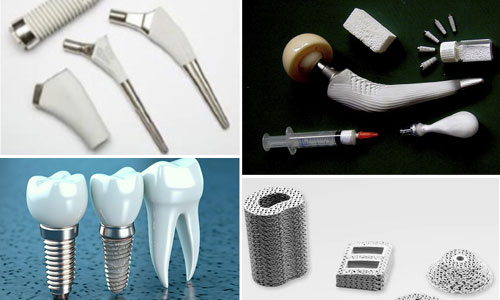
Material selection is not just about strength. It is about safety, compliance, and long-term performance. That is why engineers must think carefully at the design stage.
Common Medical-Grade Materials
-
Titanium Alloys (Ti-6Al-4V)2
Strong, lightweight, and highly biocompatible. -
Stainless Steel (316L)
Corrosion-resistant and widely used in tools. -
Engineering Plastics (PEEK, PTFE, PC)
Ideal for lightweight and non-metal components.
Biocompatibility and Sterilization Requirements3
Materials must not react with the human body. They must also survive sterilization methods like autoclave or radiation.
Design for Manufacturability (DFM) in Medical CNC
| Design Factor | Recommendation |
|---|---|
| Wall Thickness | Avoid extremely thin walls |
| Geometry | Reduce unnecessary complexity |
| Surface Finish | Match functional needs |
| Tolerance | Apply only where necessary |
-
Wall Thickness & Geometry4
Thin walls increase risk during machining. -
Surface Finish & Coating
Smooth surfaces improve hygiene and performance. -
Tight Tolerances
Only apply tight tolerances where needed to control cost.
Applications of CNC Machining in the Medical Industry?
Medical CNC machining supports a wide range of applications. I often see engineers needing both prototypes and production parts at the same time.
CNC machining is used to produce surgical tools, orthopedic implants, dental components, and precision parts for diagnostic equipment, all requiring high accuracy and reliability.
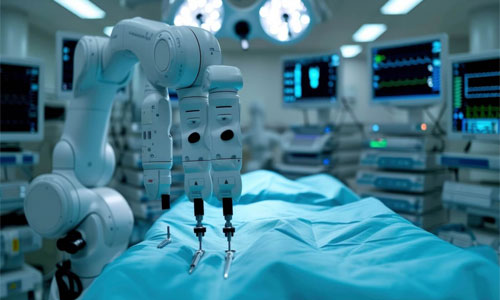
From simple tools to complex implants, the requirements are always strict. Each application brings its own challenges.
Surgical Instruments
Tools like forceps and clamps require durability and precision.
Orthopedic Implants
Parts such as bone screws and joint replacements must fit perfectly and last long.
Dental Components
Crowns and implants require high accuracy and smooth finishes.
Diagnostic and Imaging Equipment Parts
These include housings and precision parts used in advanced machines.
Case Study: Custom CNC Machining for a Medical Device
I worked on a project for a minimally invasive surgical device. The design was complex. The tolerance was very tight.
Project Data
| Parameter | Value |
|---|---|
| Material | Ti-6Al-4V |
| Tolerance | ±0.008 mm |
| Surface Roughness | Ra 0.4 µm |
| Batch Size | 500 units |
| Lead Time | 18 days |
| Process | 5-axis CNC + polishing |
Project Challenge
The part had deep cavities and thin walls. Tool access was limited. Deformation was a real risk.
Machining Solution
We used 5-axis machining to reduce setups. We optimized tool paths. We added stress relief steps.
Final Results & Benefits
| Result | Outcome |
|---|---|
| Scrap Rate | Reduced by 35% |
| Lead Time | Reduced by 20% |
| Surface Quality | Improved significantly |
| Client Feedback | Approved for production |
This kind of project shows that experience and process control make the real difference.
Quality Standards and Challenges in Medical CNC Machining?
Many suppliers fail at compliance. This creates delays, extra costs, and approval risks for engineers.
Medical CNC machining must follow strict standards such as ISO 13485, FDA regulations, and EU MDR, supported by detailed inspection, documentation, and full traceability systems.
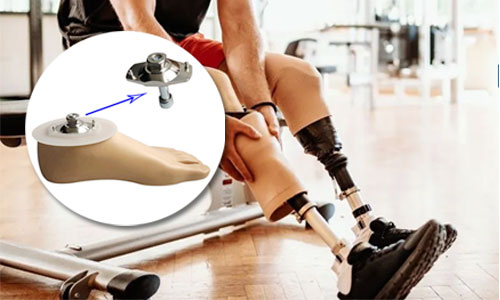
If you want consistent results, you need a system. Quality is not just inspection. It is built into every step.
Key Certifications and Regulations
- ISO 13485
- FDA Requirements
- EU MDR Compliance
Quality Control and Inspection Processes
| Method | Purpose |
|---|---|
| CMM Inspection5 | Verify dimensions |
| Surface Testing | Check roughness |
| Documentation | Ensure traceability |
-
CMM Inspection
Ensures dimensional accuracy. -
Surface Roughness Testing
Critical for implants and hygiene. -
Documentation & Traceability
Tracks every step and material batch.
Common Challenges in Medical CNC Manufacturing
-
Complex Geometries
Difficult to machine and inspect. -
Material Machining Difficulty
Titanium and PEEK are challenging. -
Cost vs Compliance
Higher standards increase cost.
I always remind clients that cutting corners here leads to bigger problems later.
How to Choose the Right Medical CNC Machining Partner?
Choosing the wrong partner can delay your entire project. I have seen teams lose months because of poor supplier decisions.
The right medical CNC machining partner should offer advanced machining capabilities, certified quality systems, strong engineering support, and reliable delivery for both prototypes and production.
You need more than a supplier. You need a partner who understands your challenges and supports your goals.
Technical Capabilities to Look For
- 5-axis machining
- Micro-machining capability
- Experience with medical materials
Industry Experience and Certifications
ISO 13485 certification is essential. Real experience matters more than claims.
Communication and Engineering Support
Clear communication reduces errors. Fast feedback keeps projects moving.
Cost, Lead Time, and Scalability
| Factor | What to Check |
|---|---|
| Cost | Transparent pricing |
| Lead Time | Stable delivery |
| Scalability | From prototype to production |
Future Trends in Medical CNC Machining
- Automation and Smart Manufacturing
- Integration with 3D Printing
- Micro-machining Innovations
These trends will push the industry toward higher precision and faster delivery.
Conclusion
Medical CNC machining is not just about making parts. It is about protecting lives through precision, compliance, and consistency. When I choose a partner, I look for proven systems, real experience, and the ability to deliver reliable results at scale. That is what ensures long-term success in medical manufacturing.
-
Learn how full batch traceability and complete compliance records are essential for safety and regulatory adherence in medical manufacturing. ↩
-
Explore this link to understand why Titanium Alloys (Ti-6Al-4V) are preferred for their strength, biocompatibility, and lightweight properties in medical devices. ↩
-
Explore this to understand how materials must be safe for the human body and withstand sterilization processes essential for medical use. ↩
-
Explore expert guidelines on wall thickness and geometry to ensure safety, manufacturability, and performance in medical devices. ↩
-
Explore this link to understand how CMM Inspection ensures dimensional accuracy, crucial for high-quality medical device production. ↩
