Last updated on April 21, 2026, by Lucy
Motorcycle parts often fail when precision is poor or materials are weak. I have seen delays and failures when parts cannot handle real riding conditions.
CNC machining is critical for motorcycle parts because it delivers precise tolerances, strong materials, and consistent repeatability, making it ideal for complex, high-performance components in both prototype and production stages.

I will walk you through how CNC machining works for motorcycle parts. I will keep it practical so you can apply it to real sourcing decisions.
Why Is CNC Machining Critical for Motorcycle Parts?
Motorcycle parts face heat, vibration, and constant stress. I often see failures when manufacturing methods cannot meet these demands.
CNC machining is essential for motorcycle parts because it ensures tight tolerances, high strength, and repeatable quality, which outperform casting and forging in complex and high-precision applications.
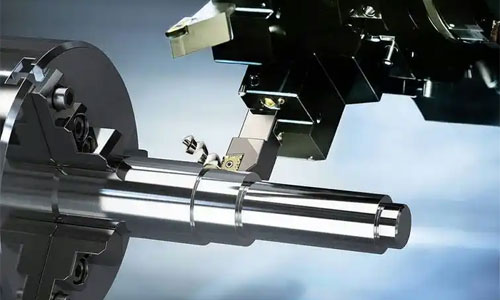
Many engineers struggle to balance performance, cost, and manufacturability. This is where the right process makes a big difference.
Precision and tight tolerances
I work with tolerances as tight as ±0.01 mm. This is critical for engine and braking systems.
Strength, durability, and performance
I prefer billet machining1. It preserves material strength and improves fatigue life.
CNC vs casting vs forging
- Casting is cost-effective but may have defects
- Forging is strong but limited in geometry
- CNC offers both flexibility and accuracy
OEM vs aftermarket applications
OEM requires consistency. Aftermarket needs customization. CNC handles both well.
What Motorcycle Parts and Materials Work Best with CNC Machining?
Choosing the wrong material can cause failure in real use. I have seen lightweight designs fail due to poor selection.
CNC machining supports a wide range of motorcycle parts and materials, allowing engineers to choose aluminum, steel, titanium, or plastics based on strength, weight, and performance requirements.
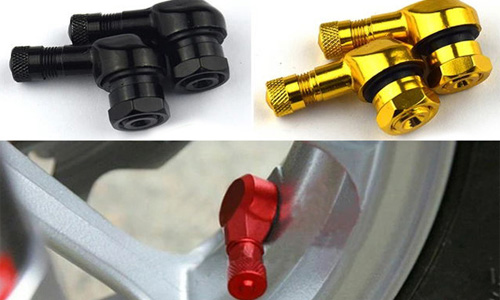
Material choice often defines performance. I always match material to real use conditions, not just design intent.
Common CNC machined parts
Engine components
Cylinder heads and housings need precision and heat resistance.
Chassis & structural parts
Frames and mounts require strength and stability.
Suspension & braking components
These need tight tolerances and smooth finishes.
Custom aftermarket parts
I often machine covers, brackets, and visual upgrades. For example, when working on exhaust-related assemblies, I focus on heat-resistant alloys2 and tight sealing features similar to these custom CNC motorcycle exhaust system components.
Material selection guide
| Material | Key Benefit | Typical Use Case |
|---|---|---|
| Aluminum 60613 | Lightweight, affordable | General structural parts |
| Aluminum 7075 | High strength | Performance components |
| Stainless Steel | Corrosion resistance | Exhaust and fasteners |
| Titanium | High strength/weight | Racing applications |
| Plastics | Lightweight, insulating | Covers, non-load parts |
How Do CNC Machining Processes and Surface Finishing Improve Performance?
Complex parts often fail when machining capability is limited. I have seen redesigns caused by lack of advanced equipment.
CNC machining processes like 5-axis milling and precision surface finishing improve part accuracy, durability, and surface quality, which directly enhances motorcycle performance and lifespan.
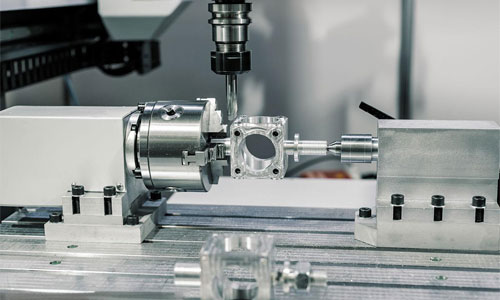
Process capability directly affects performance. Better machining leads to better parts.
CNC milling & turning
I use milling for complex shapes and turning for round parts.
5-axis machining
This reduces setups and improves accuracy for complex geometries.
Surface finishing
| Process | Benefit |
|---|---|
| Anodizing | Corrosion resistance |
| Polishing | Smooth surface, aesthetics |
| Coating | Wear resistance |
From prototype to production
I start with prototypes. Then I scale to production without changing the core process.
How Do You Ensure Quality, Tolerances, and Performance Optimization?
Quality issues can stop production. I have seen entire batches rejected due to small tolerance problems.
Quality control in CNC machining ensures every motorcycle part meets strict tolerances using inspection tools like CMM, while design optimization improves manufacturability, durability, and cost efficiency.
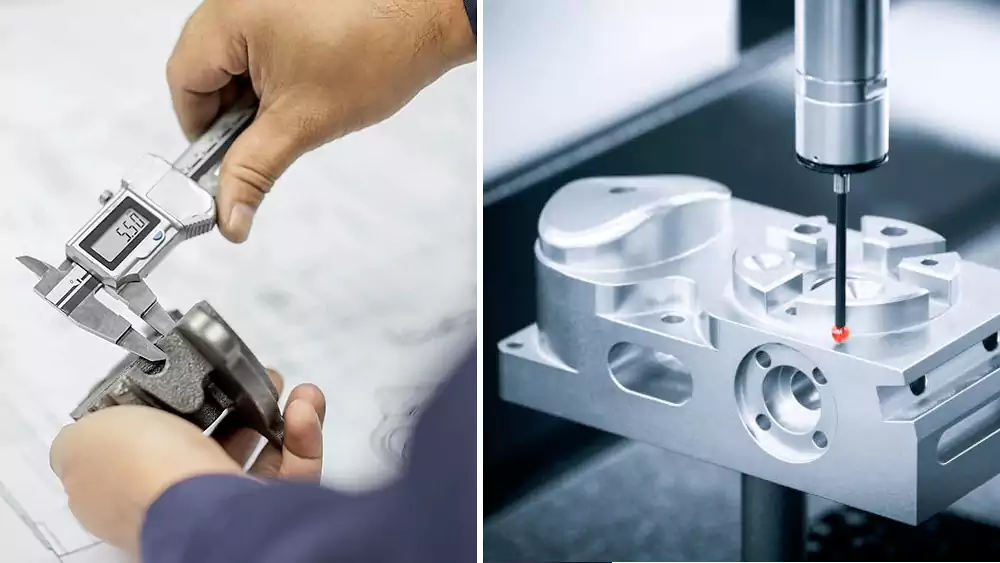
Consistent quality builds trust. Without it, even a good design can fail in production.
Typical tolerances
- Standard: ±0.05 mm
- Precision: ±0.01 mm
- Ultra precision: ±0.005 mm
Inspection and quality control
I rely on CMM reports4 and full documentation before shipment.
Surface finish and wear resistance
Surface finish affects friction and durability. I always define Ra values clearly.
DFM tips
- Avoid sharp internal corners
- Reduce unnecessary tight tolerances
- Design for tool access
Case Study: CNC Machining Motorcycle Brake Caliper Bracket
I worked on a high-performance brake component project.
| Parameter | Value |
|---|---|
| Material | Aluminum 7075-T6 |
| Tolerance | ±0.01 mm |
| Surface Finish | Anodized (black) |
| Quantity | 500 units |
| Machining Process | 5-axis CNC milling |
| Lead Time | 18 days |
| Inspection Method | Full CMM report |
The result was a 22% weight reduction and improved braking stability. The client moved directly into production.
How Do You Choose the Right CNC Machining Partner and Control Costs?
A poor supplier can delay your project and increase risk. I have seen projects fail due to weak communication and lack of capability.
Choosing the right CNC machining partner ensures consistent quality, fast communication, and scalable production, while cost depends on material, complexity, tolerance, and order volume.
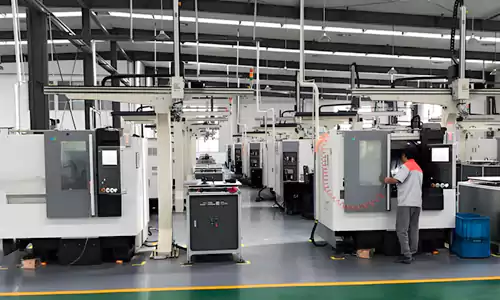
Selecting a supplier is not just about price. It is about long-term reliability and engineering support.
Supplier selection criteria
Certifications
I look for ISO 9001 and IATF 169495.
Industry experience
Experience in motorcycle or automotive parts reduces risk.
Production capability
The supplier should support both prototypes and mass production.
Communication
Fast and clear communication is critical for engineering changes.
Cost drivers
| Factor | Impact on Cost |
|---|---|
| Material | High |
| Complexity | High |
| Tolerance | Very high |
| Volume | Reduces unit cost |
Cost reduction strategies
- Use standard materials
- Relax tolerances where possible
- Increase batch size
Why global buyers choose China
I often work with Chinese suppliers because they combine strong manufacturing capacity, modern equipment, and efficient scaling for global projects. This is especially useful when sourcing precision hardware such as bolts and connectors, where consistency matters, similar to these custom motorcycle fasteners manufacturing solutions.
FAQs About CNC Motorcycle Parts?
What tolerances can CNC machining achieve?
I commonly achieve ±0.01 mm, and tighter if needed.
Which material is best for motorcycle parts?
I use aluminum for lightweight needs and steel or titanium for strength.
Is CNC machining suitable for mass production?
Yes. It scales from single prototypes to large production runs.
How long does it take to manufacture custom parts?
Prototypes take 3–7 days. Production takes 2–4 weeks.
How to reduce CNC machining costs?
Simplify design, use standard materials, and increase volume.
Conclusion
CNC machining gives me full control over precision, material performance, and scalability. It allows me to turn complex motorcycle designs into reliable, production-ready components that perform consistently under real-world conditions.
-
Explore this link to understand how billet machining enhances material strength and fatigue life, crucial for high-performance engineering. ↩
-
Explore this link to understand which heat-resistant alloys ensure durability and performance in exhaust system parts. ↩
-
Explore this link to understand why Aluminum 6061 is ideal for lightweight, affordable structural parts in CNC machining projects. ↩
-
Explore this link to understand how CMM reports help maintain precision and quality in production processes. ↩
-
Explore how these certifications ensure quality management and reliability in supplier selection, crucial for long-term partnerships. ↩
