Last updated on April 7, 2026, by Lucy
CNC machining often fails not because of tools, but because of poor cooling and lubrication. I have seen parts burn, tools break, and costs rise fast.
CNC coolant is a cutting fluid used in machining to cool the tool and workpiece, reduce friction, and remove chips. It directly improves tool life, surface finish, and machining stability, making it essential for efficient and precise CNC operations.
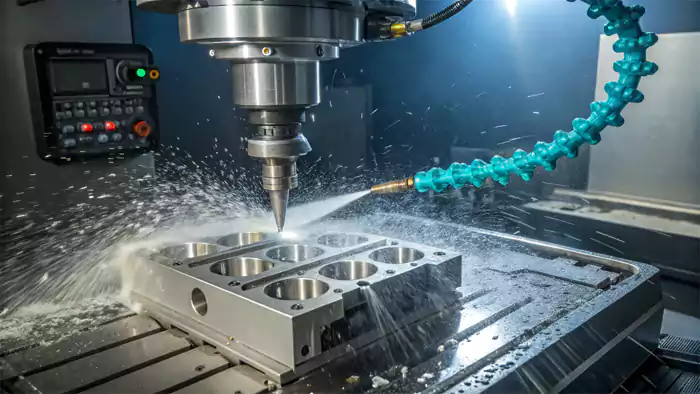
Most people think coolant is just a liquid in the tank. I used to think the same. But once you run real production, you see how much it controls heat, tool wear, and part quality.
What is Coolant in a CNC Machine?
Many engineers focus on tools and machines, but ignore the fluid that works at the cutting edge every second.
CNC coolant is a specially formulated fluid that manages heat, reduces friction, and clears chips during machining. It acts as a critical support system that directly affects cutting efficiency, accuracy, and tool performance.
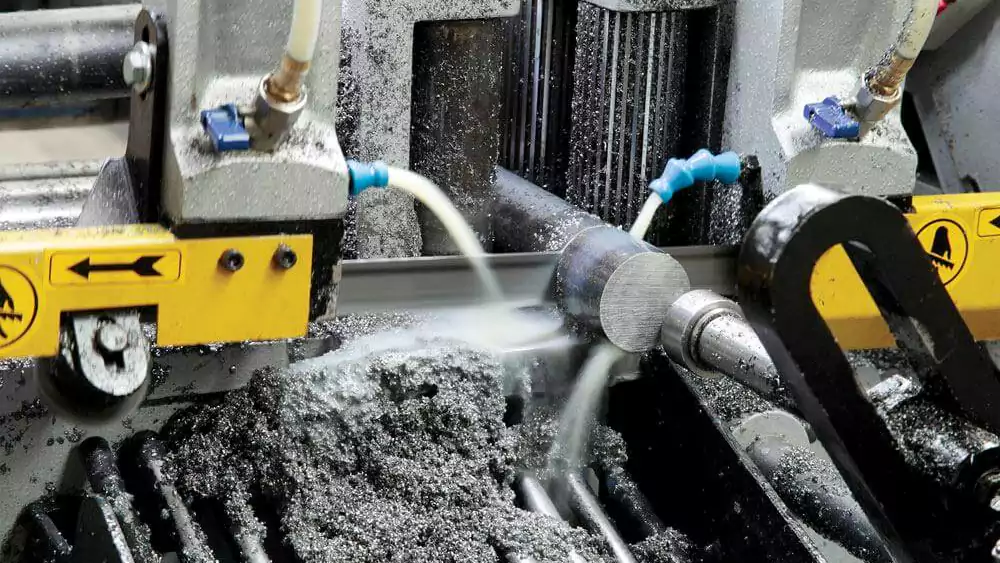
If you look at a cutting process closely, you will see extreme heat and pressure at the tool tip. That is where coolant works. It keeps the process stable and predictable.
Why Coolant Matters More Than You Think
From my experience on the shop floor, coolant does three main jobs:
| Function | What It Does | Why It Matters |
|---|---|---|
| Cooling | Removes heat from tool and workpiece | Prevents tool wear1 and thermal distortion |
| Lubrication | Reduces friction at cutting edge | Improves surface finish and tool life |
| Chip Removal | Flushes chips away | Avoids recutting and tool breakage |
If coolant fails, everything fails. I have seen tools wear out much faster just because of poor coolant choice.
Types of CNC Coolants and Their Applications?
Many shops use the wrong coolant simply because they do not understand the differences.
The main types of CNC coolants include water-soluble, synthetic, semi-synthetic, and straight oil. Each type is designed for specific materials and machining conditions, balancing cooling and lubrication needs.
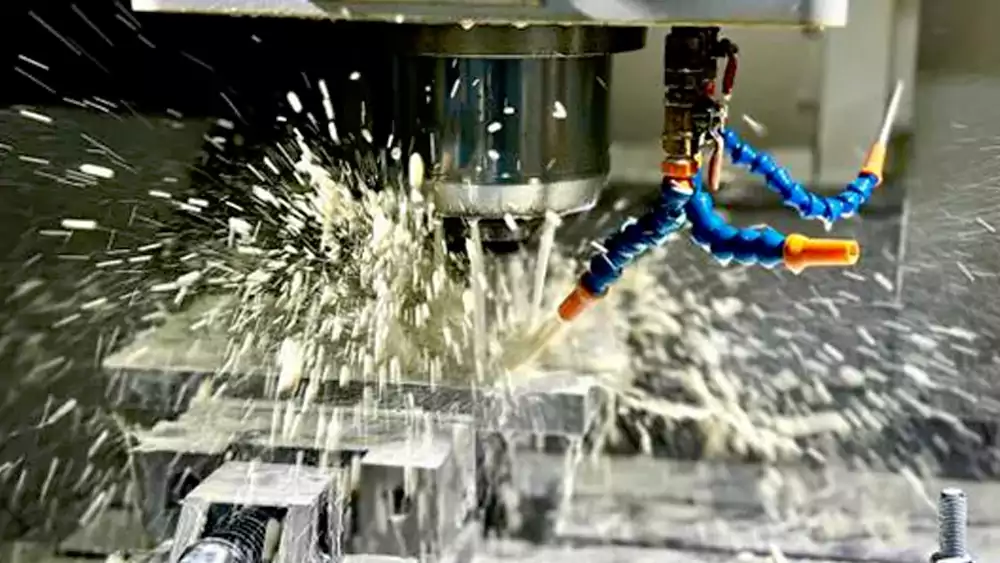
Choosing the right type is not about habit. It is about matching performance to your machining task.
Common Coolant Types I Use
1. Water-Soluble Coolants2
- Mixed with water
- Strong cooling ability
- Ideal for aluminum and general machining
2. Synthetic Coolants3
- No oil content
- Excellent heat control and cleanliness
- Best for high-speed CNC machining
3. Semi-Synthetic Coolants4
- Blend of oil and synthetic
- Balanced performance
- Suitable for mixed materials
4. Straight Oil (Neat Oil)
- No water
- Strong lubrication
- Used for heavy cutting and threading
Application Mapping (Real Shop Logic)
| Material | Recommended Coolant | Reason |
|---|---|---|
| Aluminum | Water-soluble | Best heat dissipation |
| Stainless Steel | Semi-synthetic / Oil | Needs lubrication |
| Titanium | Synthetic | Handles high temperature |
| High-speed machining | Synthetic | Stability and cooling |
I always match coolant to material first. Then I fine-tune based on cutting conditions.
What Is CNC Coolant Made Of?
Some engineers want to go deeper. They want to know what is inside the fluid they rely on every day.
CNC coolant is made from water, base oils, and performance additives such as emulsifiers, corrosion inhibitors, and biocides. These components work together to provide cooling, lubrication, and long-term stability.

Understanding the composition helps you avoid problems like rust, odor, and poor tool life.
Key Ingredients Explained
Base Components
- Water: main cooling medium
- Oil: provides lubrication
Additives That Matter
| Ingredient | Function |
|---|---|
| Emulsifiers5 | Mix oil and water |
| Anti-wear agents6 | Protect tools |
| Corrosion inhibitors | Prevent rust |
| Biocides | Control bacteria |
| Foam inhibitors | Stabilize flow |
Why Composition Matters
I once had a project where finished parts showed rust marks. The machining process was correct. The issue came from poor coolant chemistry. After switching coolant, the problem was gone.
So I always review coolant formulation before scaling production.
How to Choose the Right Coolant for Different Materials and Machining Conditions?
This is where real decisions happen. Many buyers focus on price, but ignore performance impact.
The right CNC coolant depends on the material and machining conditions. Aluminum requires strong cooling, stainless steel needs high lubrication, and titanium demands thermal stability and wear resistance.
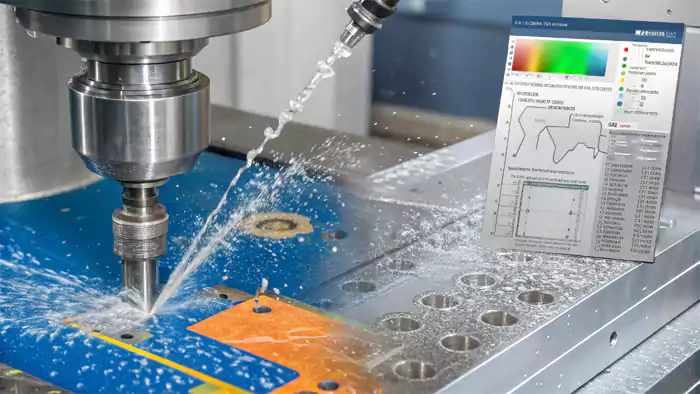
If you choose wrong here, everything downstream becomes harder and more expensive.
Material-Based Selection
Aluminum (Heat Control First)
- Use water-soluble coolant
- High cooling efficiency
- Prevents built-up edge
Stainless Steel (Lubrication First)
- Use semi-synthetic or oil
- Reduces friction
- Improves finish
Titanium (Extreme Conditions)
- Use high-performance synthetic coolant
- Handles heat and pressure
- Protects tool life
Case Study: Titanium Aerospace Bracket
I worked on a titanium aerospace bracket project. It was a tough job with unstable machining at the start.
Initial Problem
- Tool life: 15 minutes
- Surface finish unstable
- Heat concentration high
Optimized Parameters
| Parameter | Value |
|---|---|
| Material | Ti-6Al-4V |
| Cutting speed | 45 m/min |
| Feed rate | 0.08 mm/tooth |
| Coolant type | Synthetic |
| Coolant concentration | 8% |
| Delivery pressure | 70 bar |
Result After Optimization
- Tool life increased 2.5x
- Surface finish improved (Ra < 1.6 μm)
- Process became stable
In this case, coolant selection changed everything. It solved heat and wear at the same time.
High-Speed / Precision Machining
For high-speed machining:
- Use synthetic coolant
- Focus on heat removal
- Maintain stable concentration
For precision parts machining:
- Use clean and filtered coolant
- Avoid contamination
- Keep flow consistent
Coolant Management and Alternatives: Best Practices from the Shop Floor?
Even the best coolant fails if it is not managed well. I have seen many shops waste money due to poor control.
Effective coolant management includes maintaining proper concentration, filtering contaminants, controlling bacteria, and replacing fluid regularly. Alternatives like MQL, dry machining, and air cooling can be used in specific scenarios.
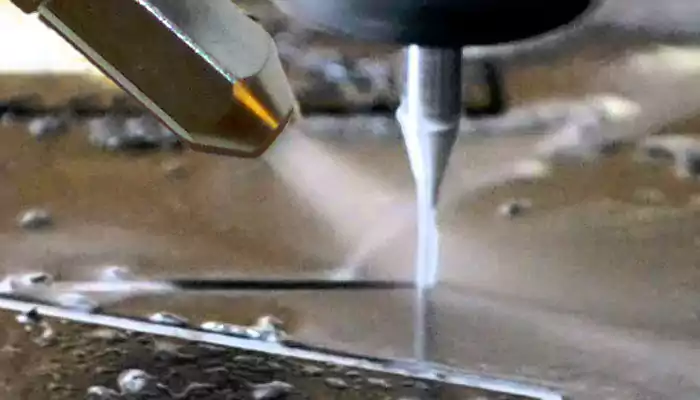
Good management extends coolant life and keeps machining stable.
Coolant Management Best Practices
1. Concentration Control
- Keep within 5–10% range
- Too low reduces lubrication
- Too high increases cost
2. Filtration
- Remove chips and debris
- Improve fluid quality
- Extend service life
3. Bacterial Control
- Monitor smell and color
- Use biocides
- Replace when needed
4. Replacement Cycle
- Based on usage conditions
- Usually every 2–6 months
Alternatives to Traditional Coolant
Dry Machining
- No fluid used
- Lower cost
- Limited applications
MQL (Minimum Quantity Lubrication)
- Uses small oil mist
- Cleaner process
- Suitable for light cutting
Air Cooling
- Uses compressed air
- Helps chip evacuation
- Limited cooling capacity
Conclusion
Coolant is not just a fluid. It is a core part of machining performance, cost control, and product quality.
-
Learn why proper coolant use is critical to reducing tool wear and extending tool life in manufacturing. ↩
-
Explore this link to understand why Water-Soluble Coolants are ideal for aluminum and general machining due to their strong cooling ability. ↩
-
Learn how Synthetic Coolants provide excellent heat control and cleanliness, making them perfect for high-speed CNC machining tasks. ↩
-
Explore this link to understand why semi-synthetic coolants offer balanced performance for mixed materials, enhancing your machining efficiency. ↩
-
Explore this link to understand how emulsifiers enable oil and water to mix effectively, crucial for coolant performance and tool protection. ↩
-
Explore this link to learn how anti-wear agents protect tools, extend tool life, and improve machining efficiency. ↩
