Editor's Note: Last updated on May 27, 2026, by Lucy
Many manufacturers lose time and money because replacement parts do not fit correctly or fail too early. I have seen production lines stop because of one small incompatible component.
OEM replacement parts are components manufactured to match the original equipment design, material, tolerance, and performance standards. They help manufacturers reduce downtime, maintain equipment reliability, improve safety, and avoid hidden costs caused by poor compatibility or inconsistent quality.
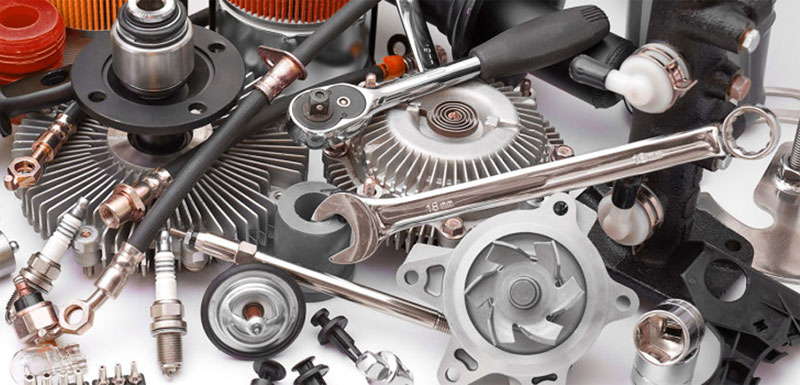
In my experience working with industrial manufacturers, OEM replacement parts are often the difference between stable production and repeated maintenance problems. Engineers and procurement teams usually focus on price first. Still, long-term equipment performance depends more on precision, material consistency, and supplier capability. I learned this lesson early while helping a customer replace worn motion control parts in an automated assembly system. The cheaper aftermarket parts caused vibration issues within weeks. The OEM-spec replacements solved the problem immediately and extended machine life.
What Are OEM Replacement Parts and How Do They Work?
Many buyers think all replacement parts are basically the same. I used to hear this often from customers trying to reduce procurement costs during urgent maintenance situations.
OEM replacement parts are industrial components made according to the original manufacturer’s specifications. They work by matching the exact dimensions, materials, tolerances, and performance requirements of the original part to ensure reliable fit, function, and long-term equipment stability.
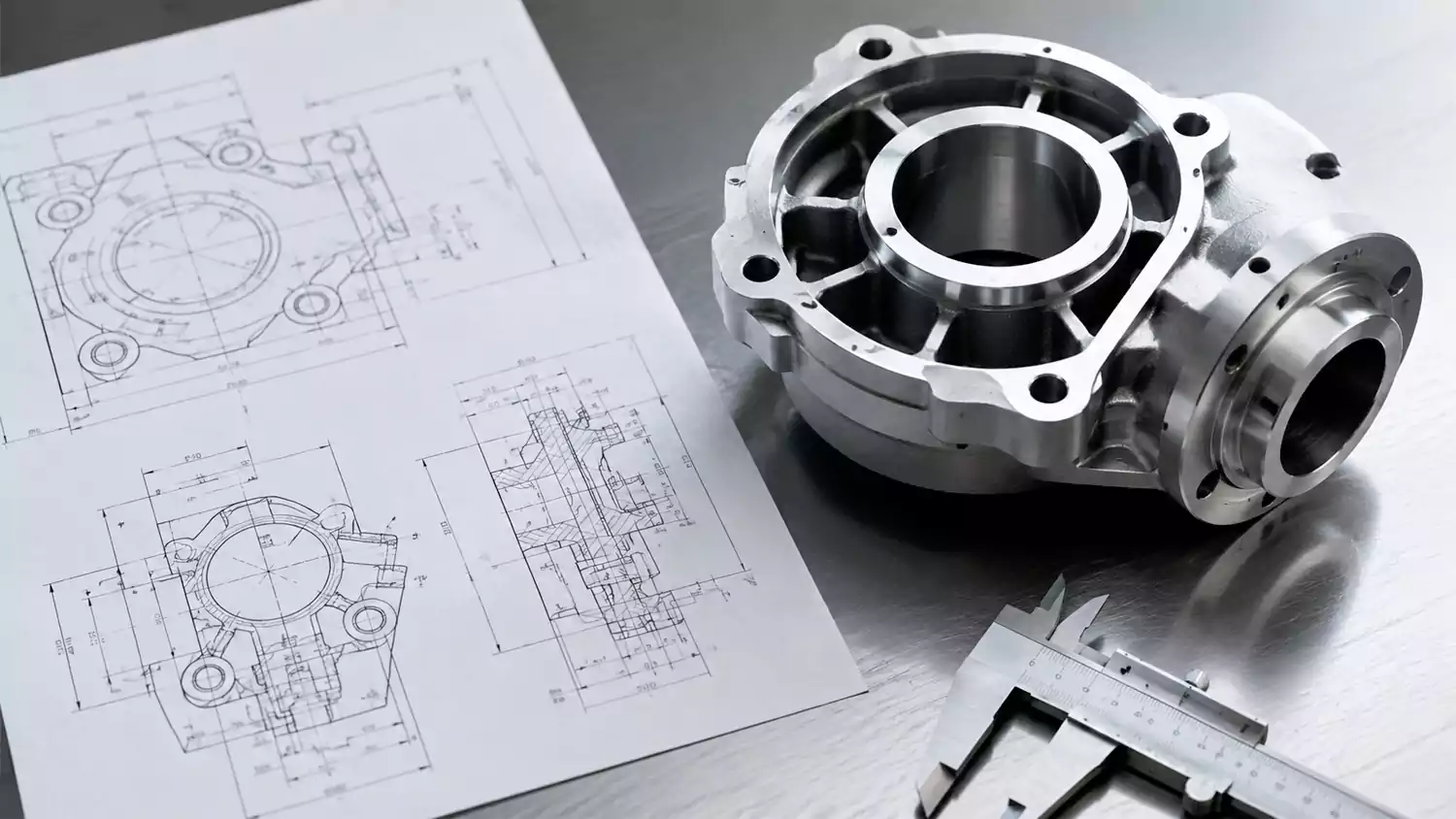
OEM stands for Original Equipment Manufacturer1. In industrial manufacturing, OEM replacement parts are made to perform exactly like the original parts used in the machine or equipment. These parts are not generic substitutes. They follow precise engineering data. That includes CAD files, material grades, surface treatments, hardness requirements, and dimensional tolerances.
I often explain this to customers using a simple example. A robotic automation system may use a precision-machined shaft with a tolerance of ±0.005 mm. An aftermarket supplier may produce a visually similar part, but if the tolerance shifts slightly, the entire motion system can develop vibration, noise, or premature wear.
For many industrial projects, companies rely on advanced CNC machining services to maintain the same dimensional accuracy and repeatability as the original components.
Key Characteristics of OEM Replacement Parts
| Feature | OEM Replacement Parts | Generic Aftermarket Parts |
|---|---|---|
| Dimensional Accuracy | Exact match | May vary |
| Material Specification | Original grade | Alternative materials possible |
| Surface Finish | Controlled | Inconsistent |
| Quality Inspection | Strict QC process | Depends on supplier |
| Compatibility | Guaranteed fit | Potential mismatch |
| Equipment Life | Longer | Often shorter |
I have also seen OEM replacement parts improve maintenance planning. Since the dimensions and performance are predictable, engineers can reduce troubleshooting time and keep maintenance schedules stable.
Why Are OEM Replacement Parts Important in Industrial Applications?
Unexpected machine downtime can destroy production schedules. I once worked with a factory that lost thousands of dollars per hour because a low-cost replacement bearing housing failed during operation.
OEM replacement parts are important because they maintain equipment reliability, reduce downtime, improve operational safety, and protect long-term production efficiency by matching the original engineering specifications of industrial machinery and automation systems.
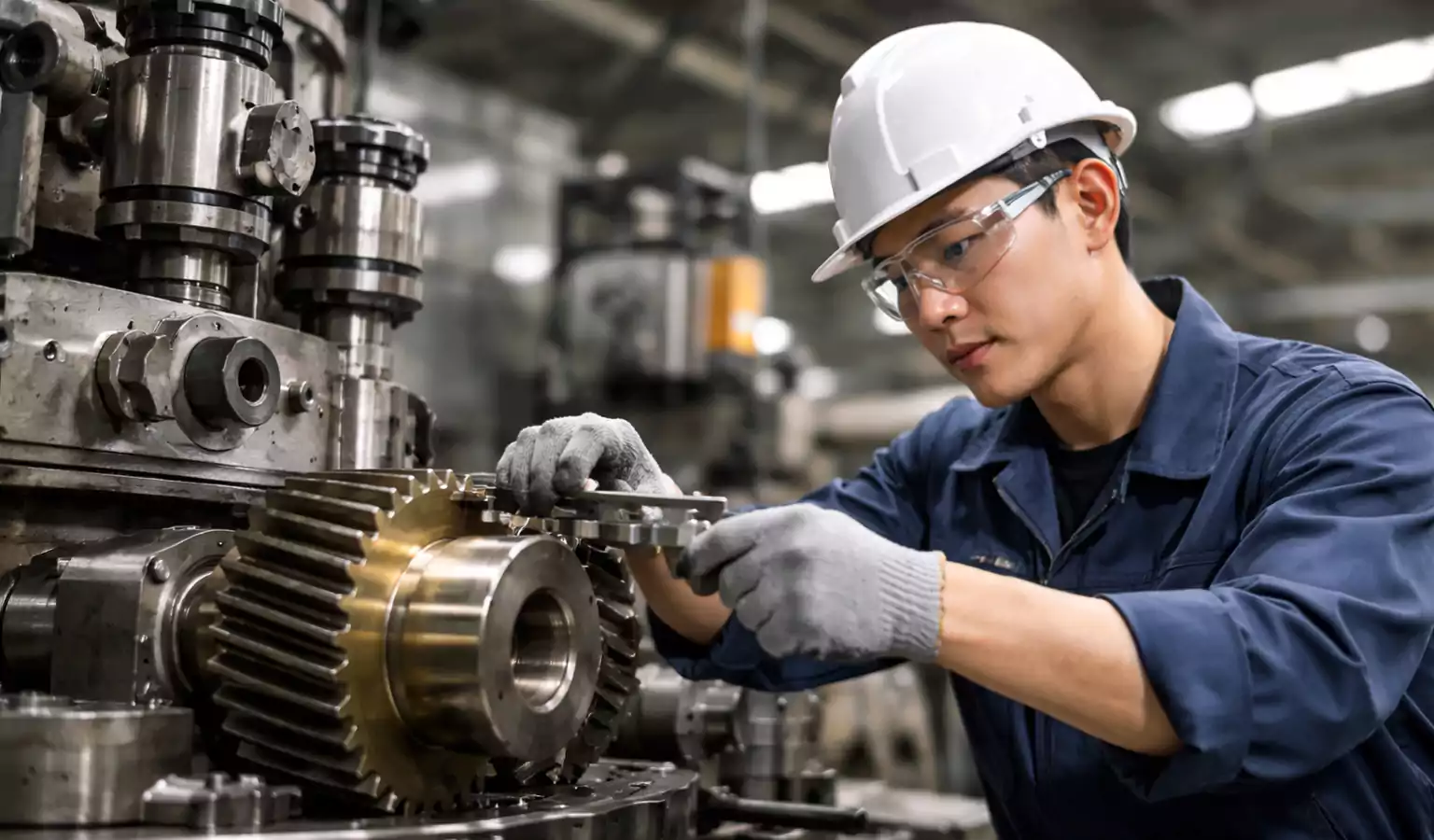
In industrial environments, equipment systems are interconnected. One poorly made replacement part can affect the entire production line.2 This becomes even more critical in aerospace, automotive, medical equipment, and robotics manufacturing.
I learned early in my machining career that precision matters more than appearance. Two parts can look identical but perform completely differently under load, heat, or vibration.
Common Risks of Low-Quality Replacement Parts
| Risk | Operational Impact |
|---|---|
| Poor tolerance control | Assembly failure |
| Incorrect material | Premature wear |
| Weak heat treatment | Structural cracking |
| Surface finish inconsistency | Increased friction |
| Improper coating | Corrosion problems |
Many engineers focus on total ownership cost instead of initial purchase price. That approach usually leads them toward OEM replacement solutions. A slightly higher component cost can prevent expensive downtime later.
Real Factory Case Study
A customer from the industrial automation sector contacted us after repeated failures in a conveyor drive assembly. The original supplier stopped supporting older equipment, so they needed a custom OEM replacement solution.
| Parameter | Original Specification |
|---|---|
| Part Type | Precision drive coupling |
| Material | 4140 alloy steel |
| Hardness | HRC 38-42 |
| Shaft Tolerance | ±0.008 mm |
| Surface Finish | Ra 0.8 μm |
| Operating Speed | 3,200 RPM |
| Production Quantity | 250 units |
The previous aftermarket parts developed microcracks after three months. We reverse-engineered the component, optimized the machining process, and added controlled heat treatment inspection. The new OEM-spec replacement parts operated continuously for over 18 months without failure.
That project reminded me how important manufacturing discipline is when producing industrial replacement components.
Which Industries Commonly Use OEM Replacement Parts?
Many industries cannot tolerate equipment inconsistency. I regularly work with customers who require exact replacement components because even small failures can create safety or compliance risks.
Industries that commonly use OEM replacement parts include aerospace, automotive, EV manufacturing, medical devices, robotics, industrial automation, heavy equipment, and energy systems because these sectors require high precision, reliability, and long-term operational stability.
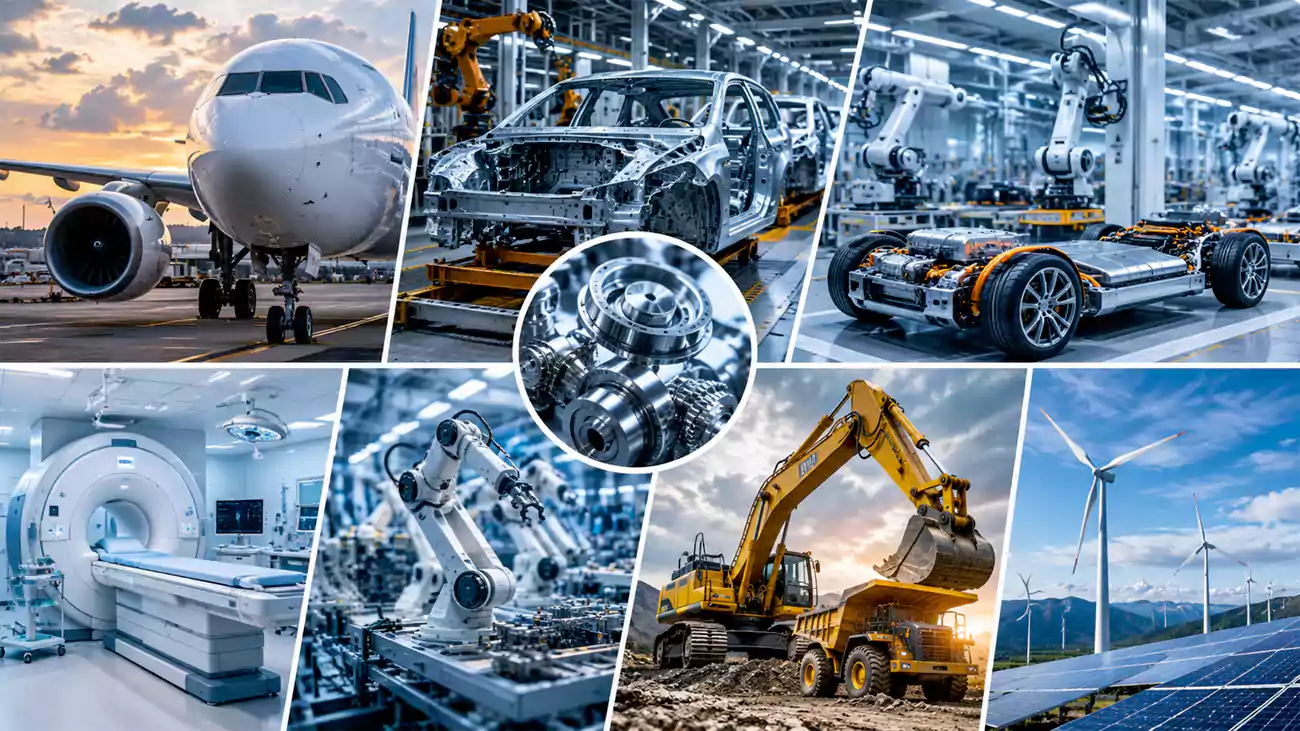
Different industries have different performance demands. Aerospace customers usually focus on traceability and certification3. Automotive manufacturers care deeply about consistency and production scalability. Medical equipment companies prioritize precision and reliability.
Major Industries Using OEM Replacement Parts
Aerospace
Aircraft systems require tight tolerance components with certified materials. OEM replacement parts help maintain operational safety and regulatory compliance.
Automotive and EV Manufacturing
Automotive production lines rely heavily on automation systems. Replacement parts must maintain exact repeatability to avoid assembly variation.
Medical Equipment
Medical devices use highly precise components. Surface finish quality and material cleanliness become critical in this sector.
Industrial Automation and Robotics
Robotic systems depend on precision motion control. OEM replacement parts help reduce backlash, vibration, and positioning errors.
Heavy Equipment and Industrial Machinery
Mining, agriculture, and construction equipment operate in harsh environments. Durable OEM replacement parts improve service life and maintenance stability.
Industry Comparison Table
| Industry | Main Requirement |
|---|---|
| Aerospace | Certification and precision |
| Automotive | Production consistency |
| Medical | Reliability and cleanliness |
| Robotics | Motion accuracy |
| Heavy Equipment | Durability |
I have noticed that many global manufacturers now prefer long-term OEM machining partners instead of constantly switching suppliers. Stable quality usually matters more than temporary cost savings.
For overseas manufacturers, outsourcing CNC machining has also become a practical way to reduce production costs while maintaining OEM-level quality standards.
How Are OEM Replacement Parts Manufactured and Customized?
Many buyers assume OEM parts are only copied from old components. In reality, modern OEM manufacturing often involves engineering optimization and process improvement.
OEM replacement parts are manufactured through precision CNC machining, engineering validation, material control, heat treatment, and strict quality inspection. Many parts are also customized to improve durability, fit, and production efficiency for specific industrial applications.
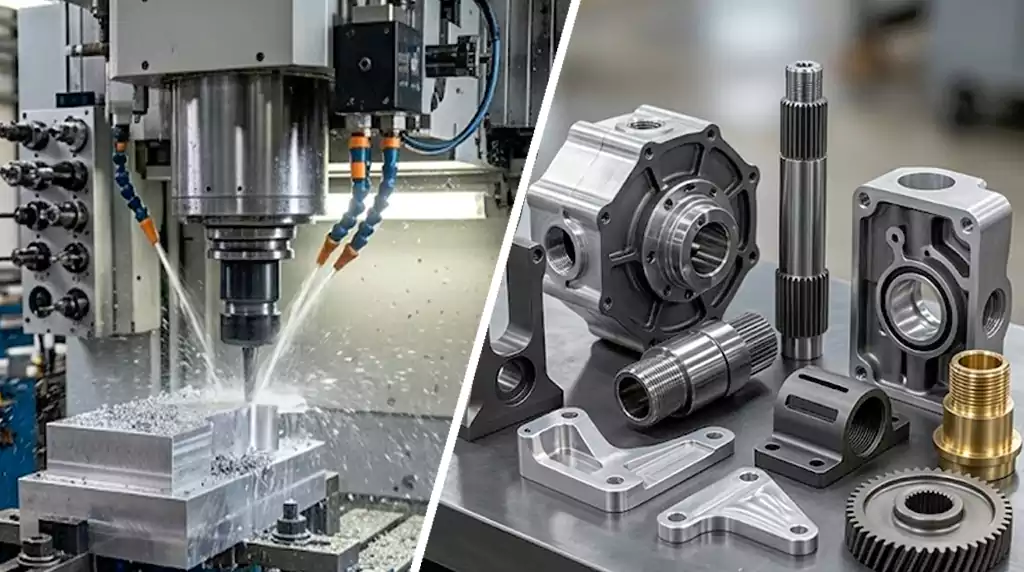
The manufacturing process usually starts with technical drawings, CAD models, or reverse engineering. Engineers evaluate dimensions, tolerances, material grades, and operational conditions before production begins.
At Allied Metal, I often work with customers who only have worn sample parts. In these cases, reverse engineering becomes critical.
Typical OEM Replacement Part Manufacturing Workflow
| Step | Purpose |
|---|---|
| CAD Analysis | Validate dimensions |
| Material Selection | Match performance requirements |
| CNC Machining | Achieve precision geometry |
| Heat Treatment | Improve strength and durability |
| Surface Finishing | Improve wear and corrosion resistance |
| Quality Inspection | Verify dimensional accuracy |
Customization is also common. Some customers request stronger alloys or improved coatings to extend service life beyond the original part design.
Common Manufacturing Technologies
CNC Machining
CNC machining is widely used for high-precision OEM replacement components. It supports tight tolerances and complex geometries.
3D Printing and Rapid Prototyping
Rapid prototyping helps engineers validate fit and function before mass production.
Surface Treatments
Anodizing, nitriding, black oxide, and electropolishing improve durability and corrosion resistance.
I have seen many customers reduce maintenance frequency simply by improving material selection during OEM replacement part production.
How to Choose the Right OEM Replacement Parts Supplier?
Many sourcing problems start with choosing suppliers based only on price. I made that mistake myself years ago when managing outsourced machining projects.
The right OEM replacement parts supplier should provide strong engineering support, stable quality control, precision manufacturing capability, fast communication, and proven experience producing high-tolerance industrial components for long-term equipment reliability.
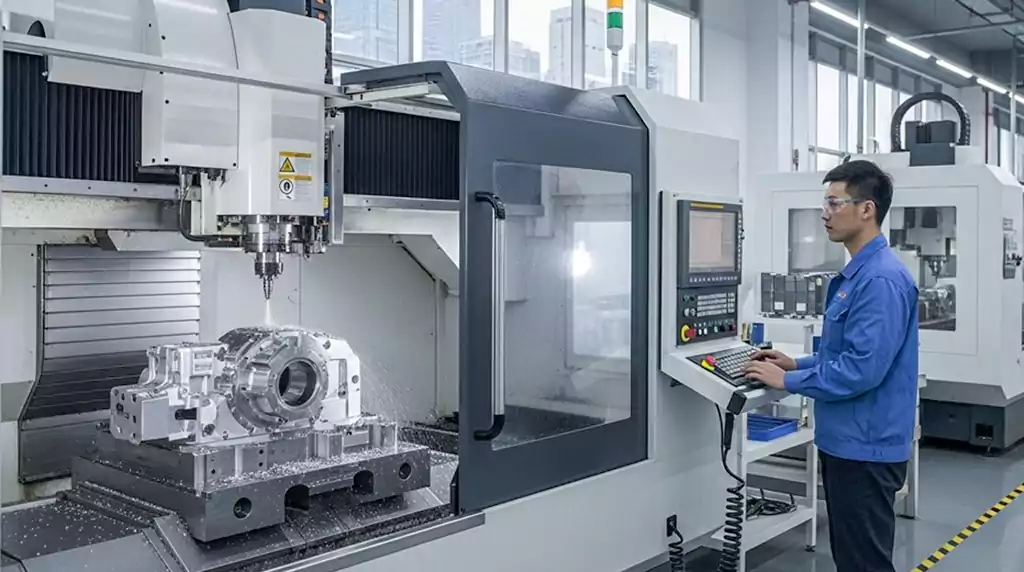
A qualified OEM supplier is more than just a machine shop. The supplier should understand engineering intent, manufacturing feasibility, and industrial application requirements.
Key Factors to Evaluate
Engineering Support
Good suppliers review drawings carefully and identify manufacturability risks before production begins.
Quality Control System
Reliable suppliers use CMM inspection, material certification, and process tracking.
Manufacturing Capability
Suppliers should support CNC machining, surface finishing, assembly, and scalable production volumes.
Communication Speed
Fast technical communication reduces project delays and sourcing confusion.
Supplier Evaluation Checklist
| Evaluation Area | Why It Matters |
|---|---|
| CNC Capability | Precision and repeatability |
| Inspection Equipment | Quality verification |
| Material Traceability | Compliance and consistency |
| Lead Time Stability | Production planning |
| OEM Experience | Better technical understanding |
I always recommend asking suppliers for sample inspection reports and real production case studies. Experienced OEM suppliers usually explain technical risks clearly instead of simply promising low prices.
Many engineers also spend time researching reliable CNC machining suppliers in China before starting long-term OEM manufacturing projects, especially when quality consistency and communication are major concerns.
Conclusion
OEM replacement parts do far more than replace worn components. They protect equipment performance, production stability, and long-term operating costs. In my experience, the best results always come from combining precise engineering, reliable manufacturing processes, and a supplier who truly understands the original design intent behind every part.
-
"Original equipment manufacturer - Wikipedia", https://en.wikipedia.org/wiki/Original_equipment_manufacturer. An authoritative encyclopedic or standards-oriented source can verify that OEM is the abbreviation for “original equipment manufacturer,” establishing the term’s conventional meaning in manufacturing and supply-chain contexts. Evidence role: definition; source type: encyclopedia. Supports: OEM stands for Original Equipment Manufacturer.. ↩
-
"Reliability assessment of manufacturing systems - ScienceDirect.com", https://www.sciencedirect.com/science/article/pii/S0278612523002303. Reliability-engineering literature explains that production systems made up of interdependent machines or components can suffer stoppages or throughput losses when a single critical component fails; this supports the general production-line risk, not any specific facility outcome. Evidence role: general_support; source type: paper. Supports: A defective replacement part in an interconnected industrial system can disrupt broader production-line operation.. Scope note: Contextual support for the mechanism of cascading downtime; it does not prove that every defective replacement part will stop an entire line. ↩
-
"[PDF] FAA Advisory Circular AC 20-154A", https://www.faa.gov/documentLibrary/media/Advisory_Circular/AC_20-154A.pdf. Aerospace quality-management standards such as AS9100 require documented traceability, configuration control, and conformity evidence, supporting the observation that aerospace customers emphasize traceability and certification in supplier and parts selection. Evidence role: expert_consensus; source type: institution. Supports: Aerospace customers usually focus on traceability and certification.. Scope note: The source should support aerospace-sector quality requirements generally; it may not describe every individual aerospace customer’s purchasing priorities. ↩
