Last updated on April 17, 2026, by Lucy
I often see production lines stop because a small part fails. That delay costs more than the part itself. Many engineers struggle to find fast and reliable replacements.
Custom aluminum CNC machining spare parts are precision-made components used for fast replacement or OEM production, offering high accuracy, short lead times, and cost efficiency compared to casting or forging, especially for low to medium volumes.
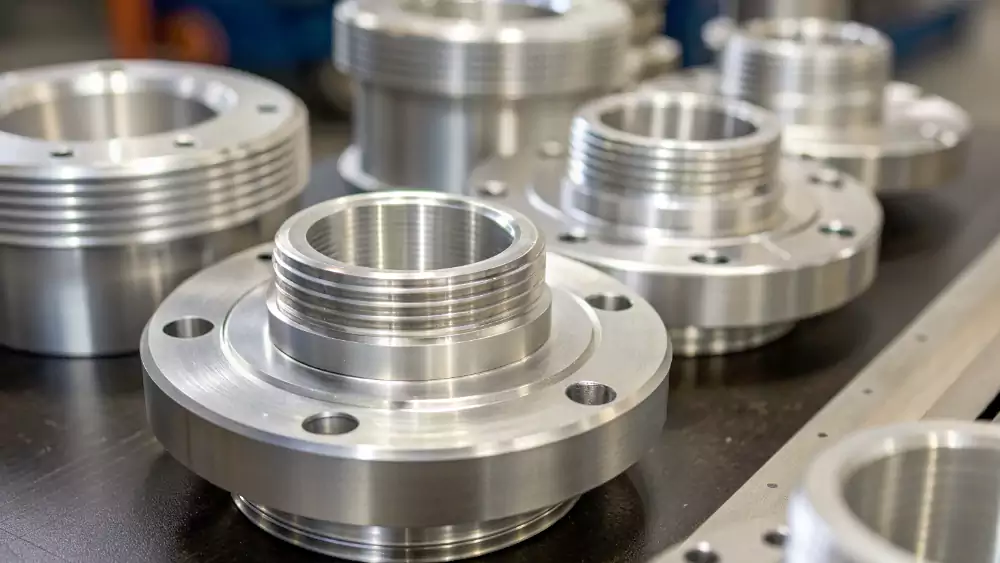
I have worked with many engineers who needed parts fast. They cared about accuracy. They also cared about cost. That balance is what this guide is about.
What Are Aluminum CNC Machining Spare Parts & When to Use Them?
I often meet engineers who confuse spare parts with standard components. This leads to delays and wrong sourcing decisions.
Aluminum CNC machining spare parts are custom-made components used to replace worn or failed parts or to support OEM production, best used when high precision, fast turnaround, and flexible design changes are required.
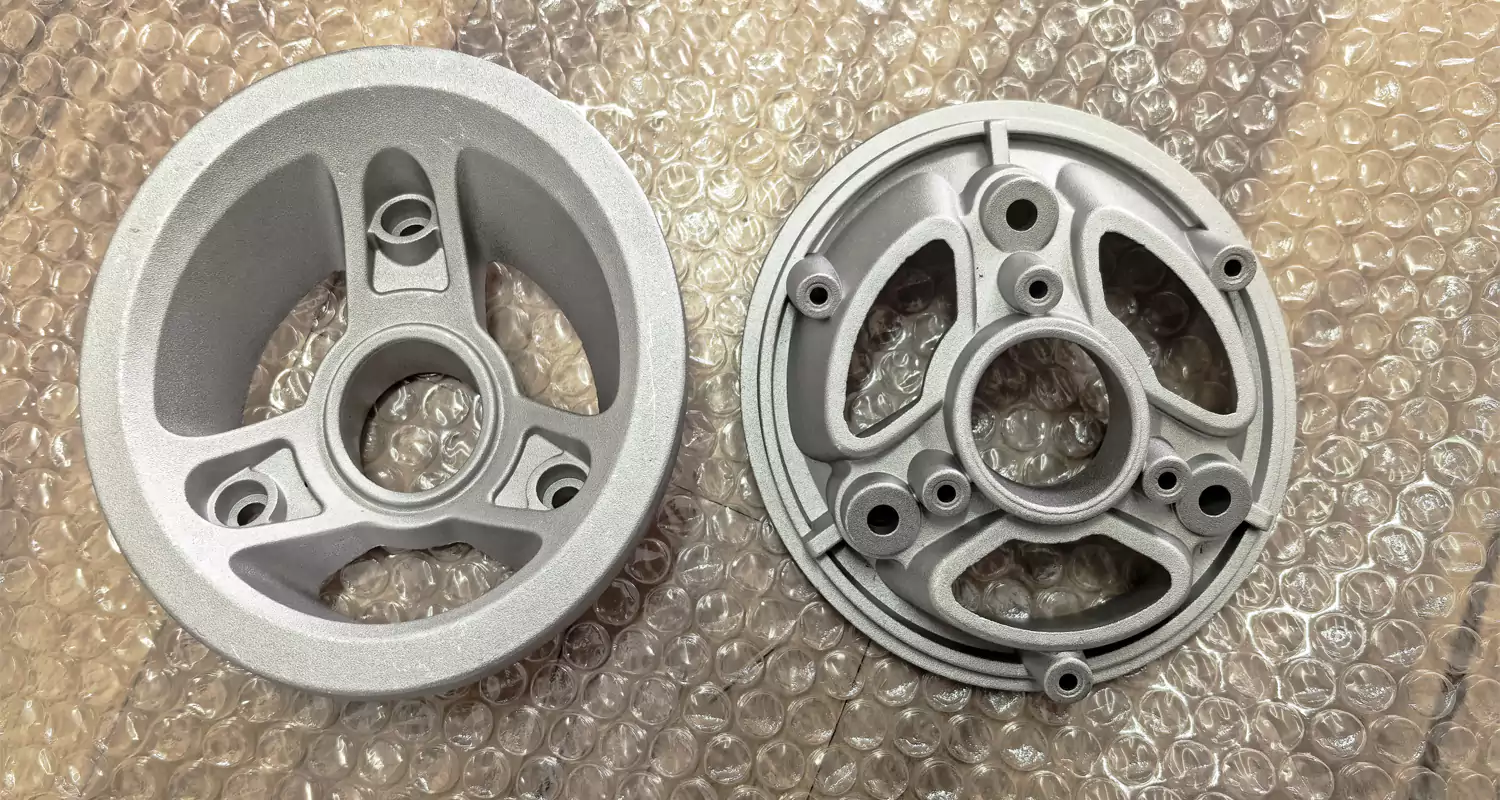
Many engineers start with a simple question. When should I choose CNC over other processes? The answer depends on speed, volume, and design flexibility.
Spare Parts vs Custom Components
Spare parts are usually replacements. They must match existing systems. Custom components may be new designs. They allow more flexibility.
Replacement vs OEM Production
Replacement parts often need fast turnaround. OEM parts focus on consistency and batch production. CNC works well for both because it scales easily, especially when working with an experienced aluminum parts manufacturer for custom CNC machining.
Why CNC Instead of Casting1 or Forging
| Method | Lead Time | Cost (Low Volume) | Precision | Flexibility |
|---|---|---|---|---|
| CNC | Short | Low | High | High |
| Casting1 | Long | High (tooling) | Medium | Low |
| Forging | Long | High | High | Low |
I usually recommend CNC when the quantity is low to medium. It also works when design changes are frequent. Many engineers exploring this path start by understanding the full aluminum CNC machining process and capabilities.
Why Aluminum Is Ideal for CNC Spare Parts (Properties & Benefits)?
I often get asked why aluminum is so common. The answer is simple. It balances performance and cost better than most metals.
Aluminum is ideal for CNC spare parts because it offers a unique combination of lightweight strength, corrosion resistance, excellent machinability, and thermal conductivity, making it suitable for industrial, automotive, and electronic applications.
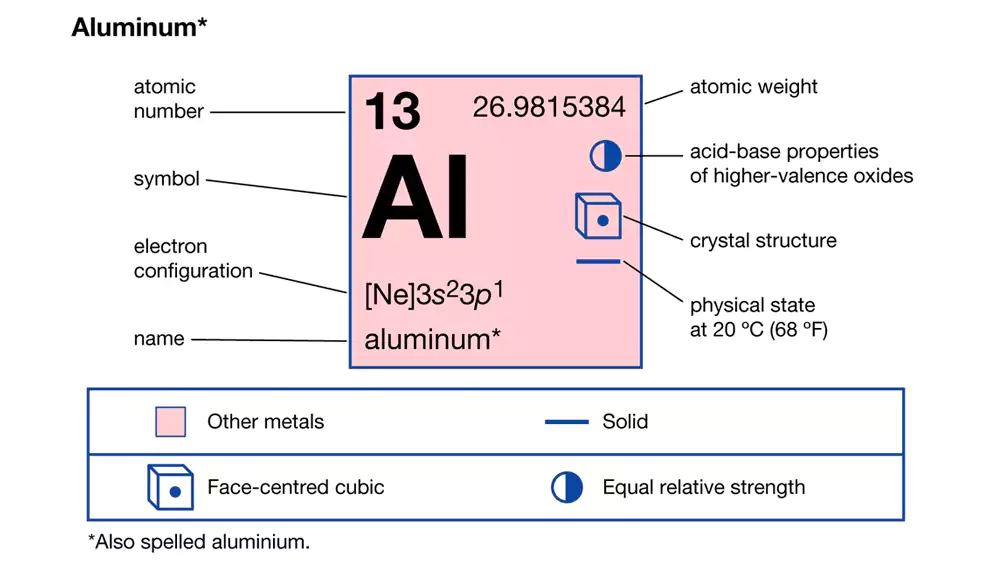
When engineers compare materials, they often look at strength first. But real performance comes from a mix of properties that affect both function and cost.
Lightweight but Strong
Aluminum reduces system weight. This is critical in automotive and robotics. It also lowers energy consumption. In many projects, I combine this with aluminum precision machining solutions for tight tolerance parts to ensure both strength and accuracy.
Corrosion Resistance
Many spare parts operate in harsh environments. Aluminum resists rust. This reduces maintenance needs.
Machining Efficiency
Aluminum cuts faster than steel. This reduces machining time. It also lowers tool wear. That directly reduces cost.
Thermal Conductivity2
This is key for electronics. Aluminum helps dissipate heat. I often use it for housings and heat sinks.
Material Selection & Surface Finishing for Aluminum Spare Parts?
Choosing the wrong alloy or finish can cause failure. I have seen parts fail not because of design, but because of poor material choice.
The right aluminum alloy and surface finish determine strength, durability, corrosion resistance, and appearance, with 6061 for general use, 7075 for high strength, and anodizing or coating improving protection and performance.
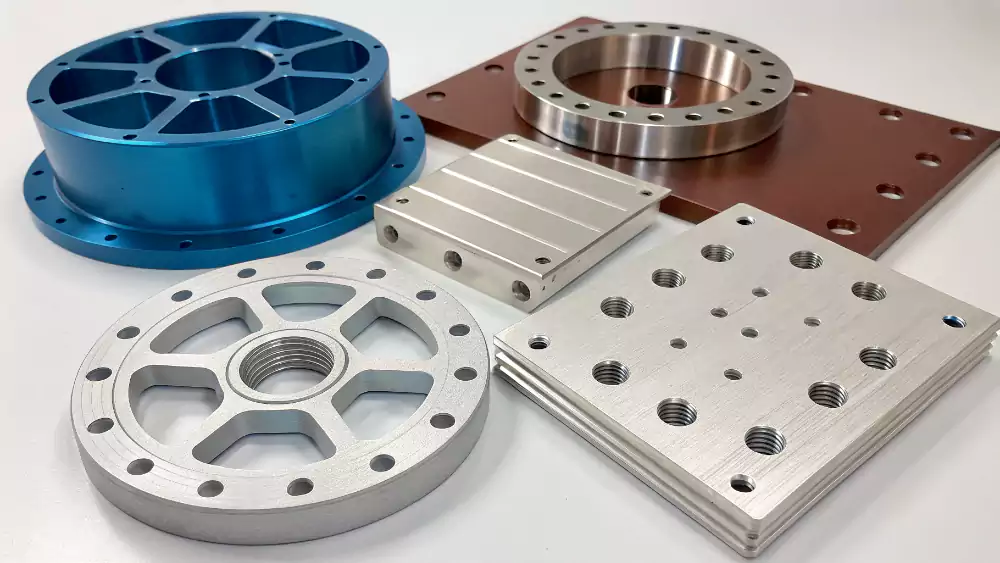
At this stage, many engineers realize that material selection is not just about strength. It is about matching the part to its real working environment.
Common Aluminum Alloys
| Alloy | Key Property | Typical Use Case |
|---|---|---|
| 6061 | Balanced strength | General industrial parts |
| 7075 | High strength | Aerospace and high-load parts |
| 5052 | Corrosion resist | Marine and sheet components |
| 2024 | Fatigue resistance | Aircraft structural components |
Surface Finishing Options
| Finish | Purpose | Best For |
|---|---|---|
| Anodizing | Corrosion + hardness | Industrial and outdoor use |
| Powder Coating | Appearance + protection | Consumer products |
| Sandblasting | Matte texture | Pre-treatment or aesthetics |
| Polishing | Smooth surface | High-end visual parts |
How I Match Application to Finish
- Industrial use → anodizing
- Visual parts → powder coating or polishing
- Precision equipment → fine anodizing + polishing
Design & Cost Optimization for Custom Aluminum Spare Parts?
I often see designs that look perfect in CAD but are expensive to machine. Small design changes can save a lot of money.
Optimizing aluminum CNC part design reduces cost by avoiding unnecessary tight tolerances, simplifying geometry, and minimizing machining time, which is the biggest cost driver in custom part production.
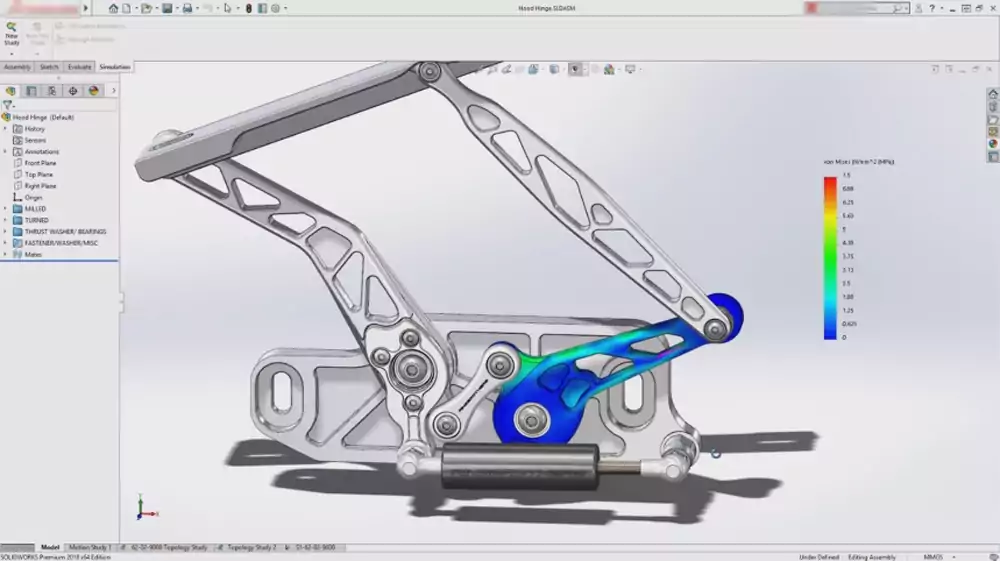
At this point, the focus shifts from material to efficiency. Good design is not just about function. It is about manufacturability.
Tolerance Design
Tight tolerances increase cost. I always ask: is ±0.01 mm really needed? Many parts work fine with ±0.05 mm.
Structural Optimization3
- Avoid very thin walls
- Use standard hole sizes
- Add chamfers instead of sharp edges
Cost Drivers
| Factor | Impact Level | Notes |
|---|---|---|
| Material | Medium | Depends on alloy |
| Machining Time | High | Most critical cost driver |
| Surface Finish | Medium | Adds process steps |
| MOQ | Low | CNC supports low volumes |
My Strategy for Small Batches
I often suggest starting with small runs. Then scale after validation. This reduces risk.
Applications & Real-World Case Study of Aluminum CNC Spare Parts?
I have worked across industries. The demand for aluminum spare parts is everywhere.
Aluminum CNC spare parts are widely used in automotive, aerospace, electronics, and industrial systems due to their precision, durability, and cost efficiency, especially for complex or high-performance components.
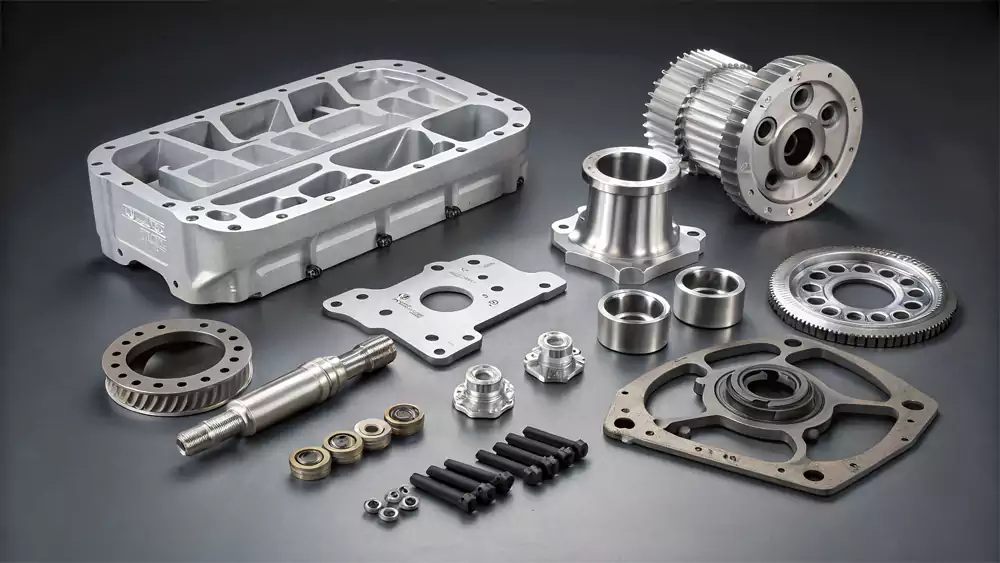
When engineers see real data, they trust the process more. So I always share real project insights when possible.
Key Industries
- Automotive: brackets, housings
- Aerospace: structural components
- Electronics: enclosures, heat sinks
- Industrial: sensor housings, fixtures
In automotive projects, I often reference practical insights from custom aluminum car parts manufacturing for automotive applications to align performance with real-world requirements.
Case Study: Industrial Sensor Housing
I worked on a project for a sensor housing used in automation systems.
Project Parameters
| Parameter | Value |
|---|---|
| Material | Aluminum 6061-T6 |
| Tolerance | ±0.02 mm |
| Surface Finish | Clear anodizing |
| Batch Size | 500 units |
| Lead Time | 12 days |
Challenges
- Thin wall structure (1.2 mm)
- Heat dissipation requirement
- Tight sealing tolerance
Solutions
- Optimized tool paths to reduce deformation
- Added internal ribs for strength
- Used controlled anodizing thickness
Results
- 18% cost reduction
- Zero defect rate in assembly
- Improved thermal performance by 12%
This is where real value shows. It is not just about machining. It is about solving problems under real constraints.
How to Choose the Right CNC Machining Supplier for Aluminum Spare Parts?
I know how hard it is to trust a supplier. Many promise quality. Few deliver it consistently.
The right CNC machining supplier should provide advanced equipment, strict quality control, reliable lead times, and proven experience with international B2B clients to ensure consistent quality and scalable production.
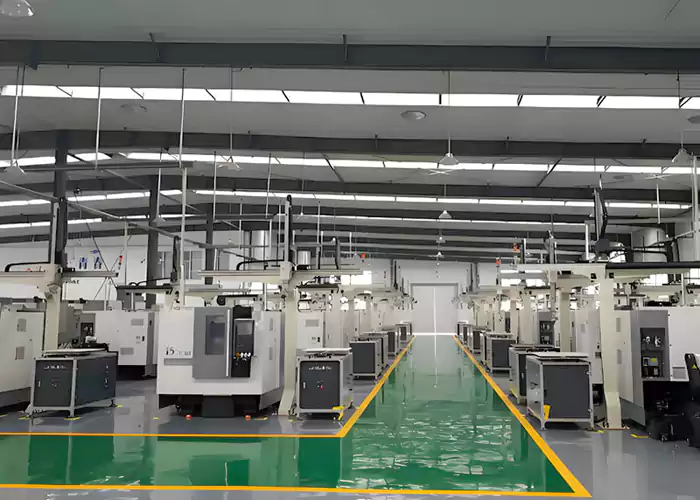
At this final step, the decision is not just technical. It is strategic. The right partner can reduce cost, risk, and time to market.
Equipment Capability
3-axis works for simple parts. 5-axis is needed for complex geometry. I always check this first.
Quality Control
Look for:
- CMM inspection4
- Material certification
- Process documentation
Lead Time
Fast response is critical. Delays cost more than machining.
B2B Experience
Suppliers with EU or US clients understand standards. This reduces communication issues.
Prototyping to Production
A good partner supports both. This ensures smooth scaling.
Conclusion
Custom aluminum CNC spare parts deliver more than precise fit. With the right alloy, smart design, and a capable supplier, they reduce cost, improve reliability, and keep your operations running without disruption.
-
Explore this link to understand casting's pros and cons versus CNC, helping you choose the best manufacturing method for your needs. ↩ ↩
-
Learn how aluminum's thermal conductivity benefits electronics by efficiently dissipating heat, crucial for device performance. ↩
-
Learn how structural optimization can improve manufacturability and reduce production costs. ↩
-
Learn about CMM inspection to ensure precision and quality in your manufacturing, reducing defects and improving product reliability. ↩
