Table of Contents:
Complete Guide to Aluminum CNC Machining: A Complete Guide for Engineers & Buyers
- December 25, 2024
- Tony
- Last updated on October 27, 2025 by Lucy
1. Why Aluminum CNC Machining is Our Go-To for Precision Parts?
After 20 years in this business, I still get excited about aluminum CNC jobs. Why? Because aluminum gives us that sweet spot of machinability, strength, and cost-efficiency that makes both engineers and accountants happy.
Let me break down why aluminum should be your first choice for precision components.

Aluminum is a light metal with a low density (about one-third that of steel) and excellent corrosion resistance and electrical conductivity. In addition, aluminum is easy to work with and the surface can be treated in a variety of ways, making it suitable for a wide range of industrial applications.
2. What Makes Aluminum So Damn Easy to Work With?
The Machinist’s Dream Material
- Cuts like butter: Softer than steel means faster machining times
- Light as a feather: One-third the density of steel
- Tough when it needs to be: Strength-to-weight ratio that punches above its weight
- Corrosion-resistant: Handles harsh environments without breaking a sweat
3. Advantages of Aluminum CNC Machining
Precision You Can Count On
We regularly hold tolerances of ±0.025mm on aluminum parts. The material’s consistency means predictable results every time.
Speed That'll Make Your Head Spin
Compared to steel? We’re talking 2-3x faster cycle times. One recent job: 500 aircraft brackets in 3 days instead of 2 weeks.
Material Flexibility That Solves Problems
From 6061 for general use to 7075 for aerospace strength – we’ve got an alloy for every application.
4. Applications of Aluminum CNC Machining
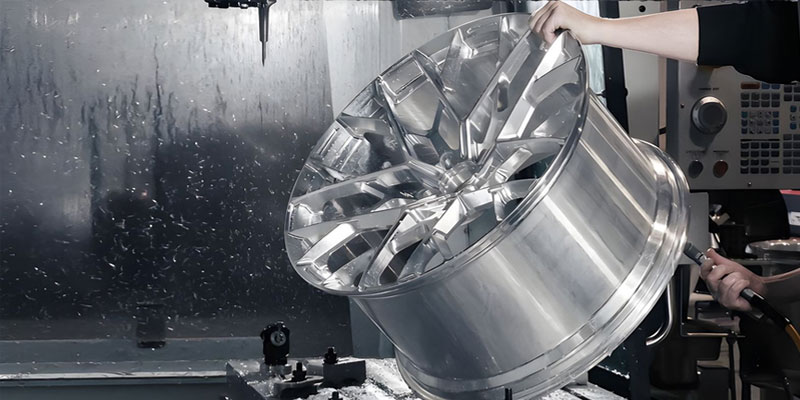
In automotive manufacturing, aluminum CNC machining is used to produce engine components, body frames, wheels, and more. These aluminum parts require high strength and low weight as well as good corrosion resistance that perfectly matches the properties of aluminum.
Due to its light weight and exceptional strength, aluminum is highly sought after in the aerospace industry. Aluminum CNC machining allows for the precise manufacturing of critical aerospace components, such as aircraft fuselages, engine parts, and structural elements.
As the electronics industry continues to expand, aluminum is increasingly in demand for applications like cell phone housings, laptop enclosures, and heat sinks. Aluminum CNC machining offers a fast and efficient way to produce these high-precision, lightweight components.
In the manufacturing of industrial equipment, aluminum CNC machining is commonly used for producing parts that must be lightweight, corrosion-resistant, and capable of withstanding mechanical stress. This includes components such as transmission devices, mechanical brackets, and housings.
Case Study: Aerospace Mounting Bracket
We had a client needing to reduce weight in drone components while maintaining structural integrity. Their existing steel bracket was over-engineered and heavy.
The Challenge:
- Original part: 304 stainless steel, 850g weight
- Required strength: 500 MPa yield minimum
- Quantity: 200 pieces
- Timeline: 2 weeks
Our Solution:
- Material switch to 7075 aluminum with optimized ribbing
- High-speed machining with specialized toolpaths
- Strategic wall thickness optimization
Results:
- Final weight: 280g (67% reduction)
- Achieved strength: 520 MPa yield
- Machining time: 45 minutes per part (vs 2 hours for steel)
- Cost per part: $38 (vs $65 for steel)
- Delivery: 150 parts in week one, balance in week two
The client saved $5,400 on this batch alone and improved their drone’s flight time by 18%.
5. Key Technologies for CNC Machining of Aluminum
CNC Milling Technology
Aluminum CNC milling offers high-speed, precise machining, ideal for creating complex aluminum parts. By adjusting parameters like cutter type, feed rate, and depth of cut, it ensures accurate shaping of aluminum components.
CNC Turning Technology
CNC turning is essential for machining both external rounds and internal holes in aluminum. The material’s low hardness results in reduced cutting forces, leading to longer tool life and enhanced productivity.
Laser Cutting and Drilling
Laser cutting provides high-precision cuts, particularly effective for thin aluminum sheets. The focused heat of the laser beam melts the material for fast, clean cuts, while laser drilling ensures precise hole placement for structural components.
High-Speed Machining and Precision Control
High-speed machining enhances aluminum CNC processing efficiency, allowing for the rapid production of intricate parts. Precision control maintains exact dimensions and surface quality, ensuring parts meet industry standards.
6. Types of Materials Used in Aluminum CNC Machining
Common Aluminum CNC Machining Material Types
Common types of aluminum alloys include 6061 aluminum alloy, 7075 aluminum alloy, and 2024 aluminum alloy. Each type of aluminum alloy has different strength, toughness, and corrosion resistance properties for different industry needs.
6061-T6
Strength: 240 MPa yield Use case: 80% of general applications Machinability: Excellent Cost: $$$
2024-T3
Strength: 320 MPa yield Use case: Aircraft structures, truck wheels Machinability: Very good Cost: $$$$
7075-T6
Strength: 470 MPa yield Use case: Aerospace, high-stress components Machinability: Good (watch for tool wear) Cost: $$$$
How to choose the right aluminum material?
Choosing the right aluminum depends on factors like mechanical properties, corrosion resistance, machinability, and the application environment. For instance, 6061 aluminum is commonly used in construction and aerospace, while 7075 is preferred for high-strength parts.
7. Challenges in the Aluminum CNC Machining Process
Tool Wear Management
Aluminum’s softness can gum up tools. Our solution? High-pressure coolant and specialized coatings extend tool life 300%.
Heat Management
Even with good conductivity, heat builds up. We use through-spindle coolant at 1000 PSI to keep temperatures controlled.
Surface Treatment Requirements
Aluminum is prone to oxidation, making surface treatment crucial. Common methods like anodizing, plating, and spraying improve corrosion resistance and enhance the appearance of aluminum parts.
For cosmetic parts, we achieve 0.4μm Ra with proper tool selection and machining parameters.
If you haven’t found the answer you need here, don’t worry 👉 Check out our complete FAQ section for detailed answers on tolerances, material selection, surface finishes, and cost breakdowns. If you have a project, feel free to contact me directly. I’ll give you a straight answer on manufacturability and pricing.
8. How to Choose the Right Aluminum CNC Machining Service Provider
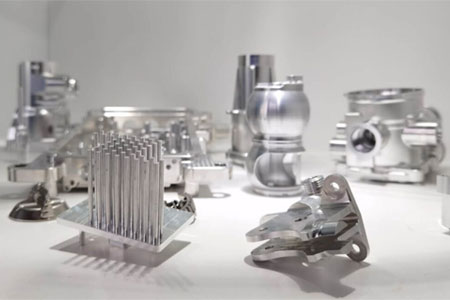
Choose a provider with experience in machining aluminum and knowledge of different alloys for your specific needs.
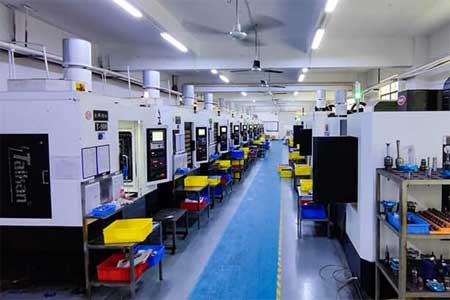
Ensure they use modern CNC machines and technology for accurate and complex designs.
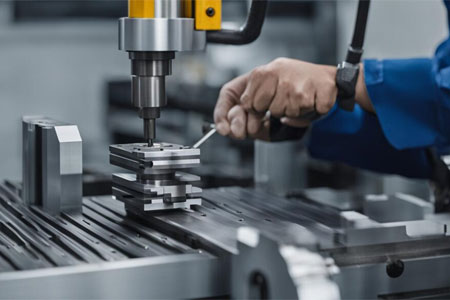
Check if they have quality control processes and relevant certifications to ensure high-quality parts.

Make sure they can deliver on time and offer good value without compromising quality.
9. Summary
Aluminum CNC machining boosts productivity while delivering precise, complex results for various industries. From automotive and aerospace to electronics and industrial machinery, it plays a crucial role in modern manufacturing.
Selecting the right aluminum and a skilled CNC machining provider can improve product quality, enhance productivity, and drive business growth.
