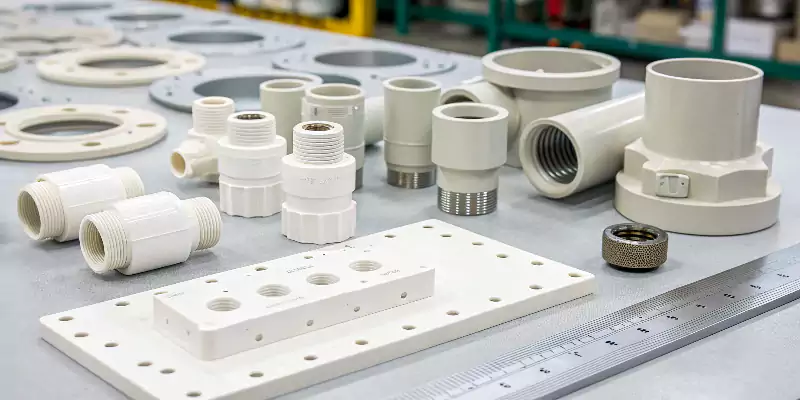
Complete Guide to CNC Machining PVC Plastic
Ever struggled with material selection for custom components? PVC plastic solves machining headaches with unbeatable versatility. I’ve seen it transform […]
Ever struggled with material selection for custom components? PVC plastic solves machining headaches with unbeatable versatility. I’ve seen it transform […]
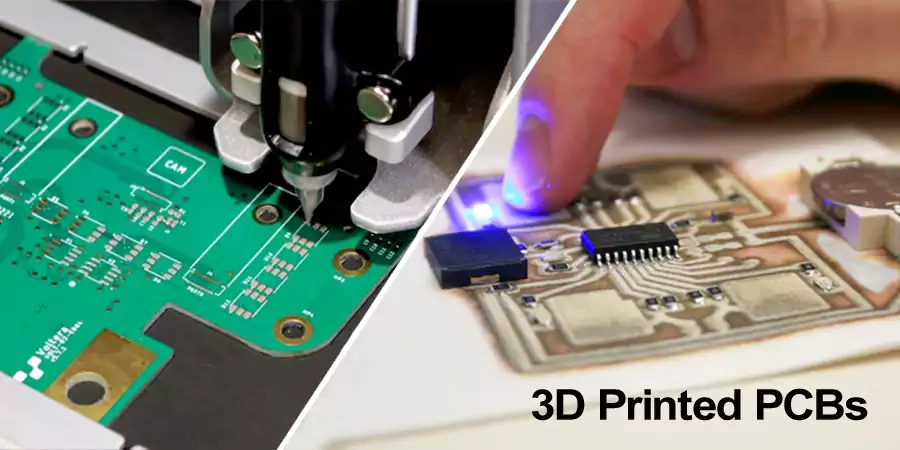
This guide explains how 3D printed PCBs work, where they fit in automotive and industrial applications, and how they compare with traditional PCB fabrication. It covers engineering limits, DFM considerations, cost structure, and integration with CNC machined housings to help OEM engineers and procurement teams make informed sourcing decisions.

Editor’s Note (Update – October 2025): To better demonstrate how Wood CNC machining handles complex geometries and high-finish requirements, we’ve
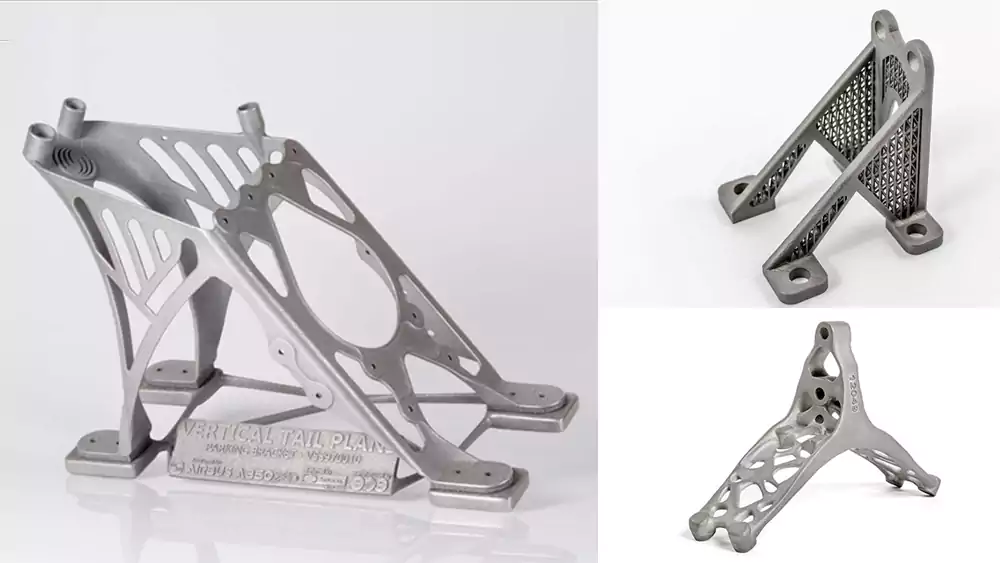
This guide explains how metal 3D printing works, the main processes and materials used, key design rules, and when it makes sense compared with CNC machining in modern manufacturing.

This guide explains what tool steel is, its key properties, common grades, and major industrial applications. It also compares popular grades like D2 and M2 and provides practical guidance for engineers and procurement teams on selecting the right tool steel for manufacturing tools, molds, and precision machining components.
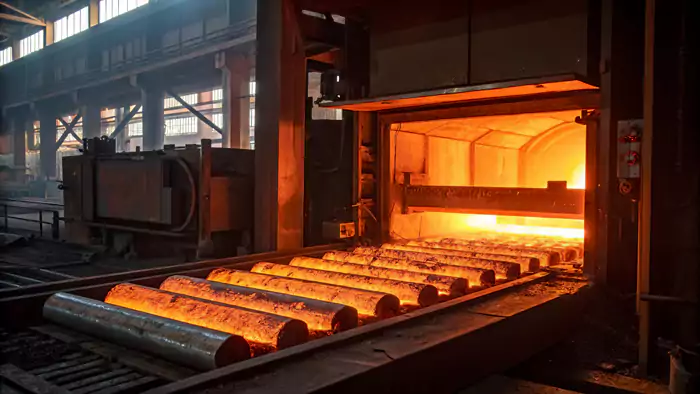
This guide explains the annealing process from both metallurgical and manufacturing perspectives. It covers how annealing alters microstructure, reduces internal stress, improves machinability, and supports better dimensional stability. The article also outlines when engineers and procurement teams should specify annealing to balance machining efficiency, part quality, and production cost.
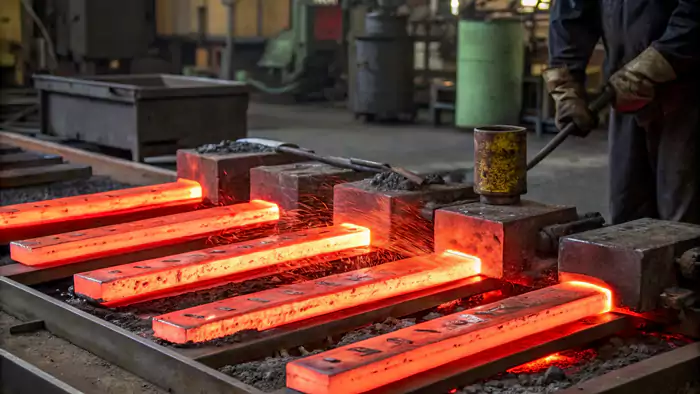
Hardening in machining improves wear resistance, fatigue life, and load capacity by controlling microstructure through heat treatment. This guide explains hardening methods, machining sequence strategy, distortion control, and how to balance hardness, cost, and lifecycle performance for industrial parts.
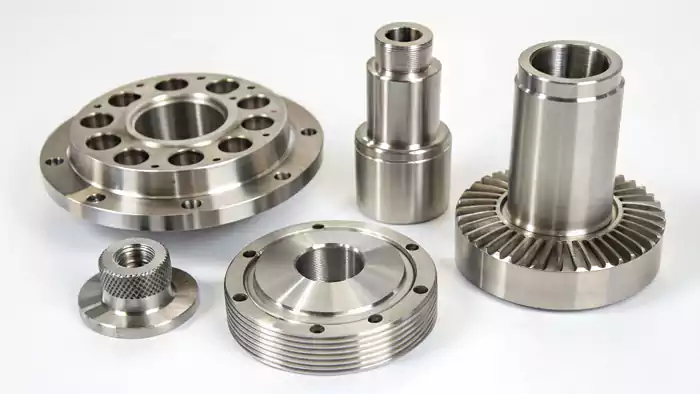
This guide explains how to CNC machine titanium efficiently for aerospace, medical, and performance parts. It covers grade selection, heat control, tool wear, machining strategies, cost drivers, and procurement risk management to help engineers and buyers make informed decisions.
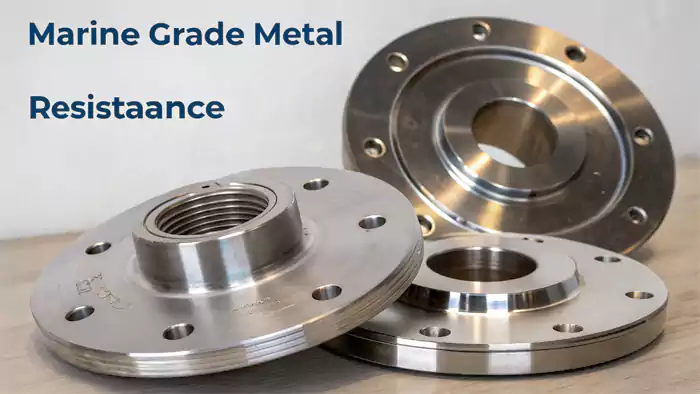
This article explains what marine grade metals really mean in engineering terms, compares key alloys such as 316, duplex stainless, aluminum, and titanium, and outlines when they are truly required. It also examines machining cost impacts and how early engineering collaboration prevents over-specification.
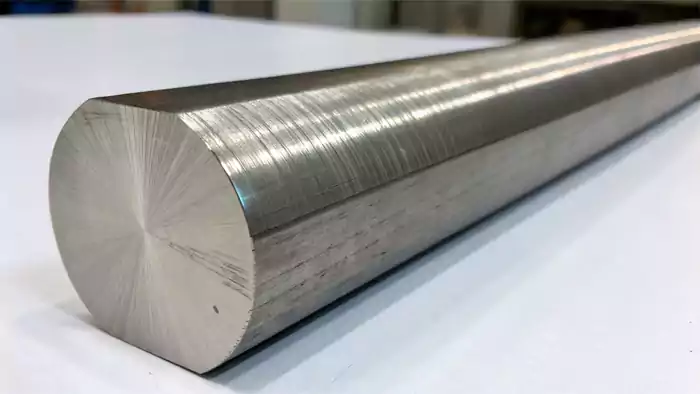
Struggling with tools dulling quickly during demanding cuts? Need a material that stays hard even when things get hot? High-speed
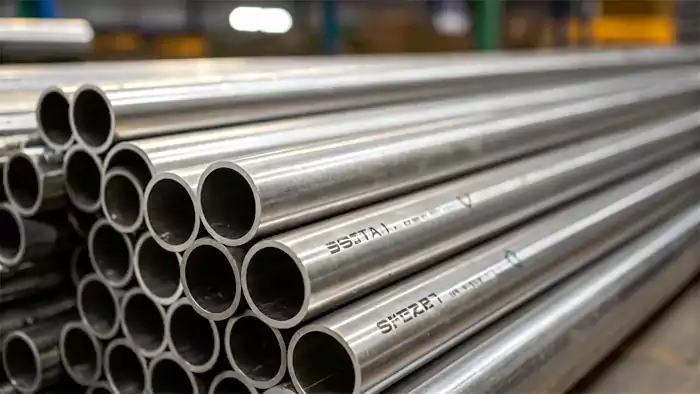
Machinists often struggle with stainless steel’s tough properties, leading to broken tools and scrapped parts. After 15 years in CNC

This guide explains which metals are truly marine grade, including 316 stainless steel, aluminum alloys, duplex stainless, titanium, and bronze. It helps engineers and buyers choose the right material based on corrosion resistance, application environment, and CNC machining considerations to ensure long-term performance.
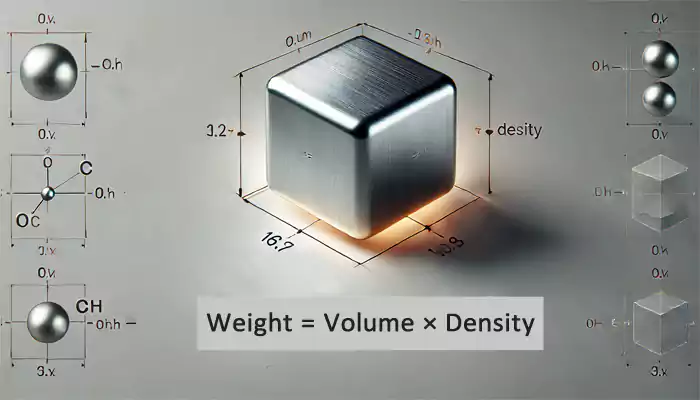
Editor’s Note: Last updated on 2025-10-17 16:00:31 Friday Calculating metal weight accurately can be challenging and time-consuming. I’ve seen many

Editor’s Note: Last updated on 2025-10-17 11:26:37 Friday Confused about copper, brass, and bronze for your parts? Choosing the wrong
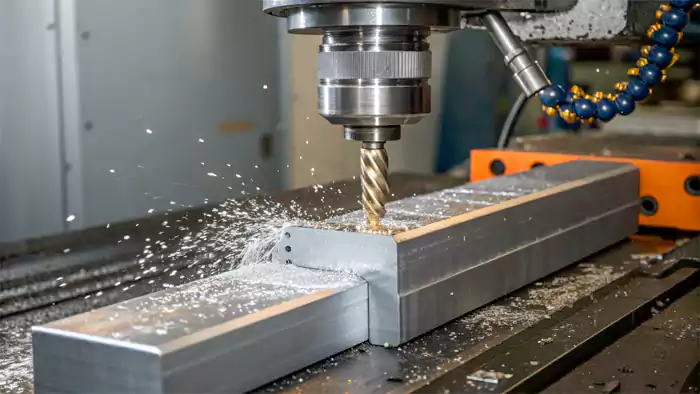
Confused about how metal parts get their precise shapes? Trying to understand the core process can be overwhelming. Metal machining
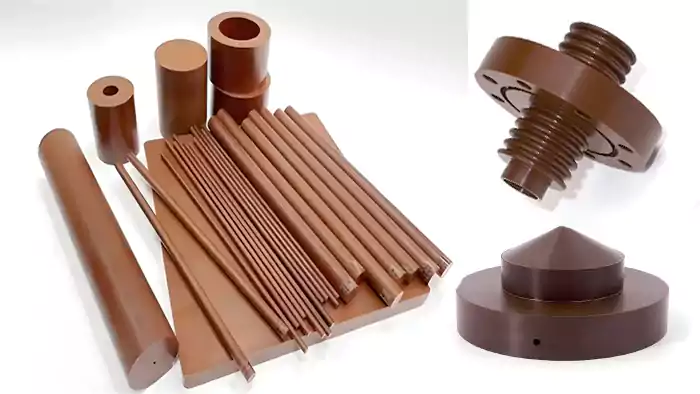
This guide explains the best heat resistant plastics for CNC machining, including PEEK, PTFE, Ultem, PPS, and nylon. It compares their properties and helps engineers choose the right material based on temperature, load, environment, and cost.
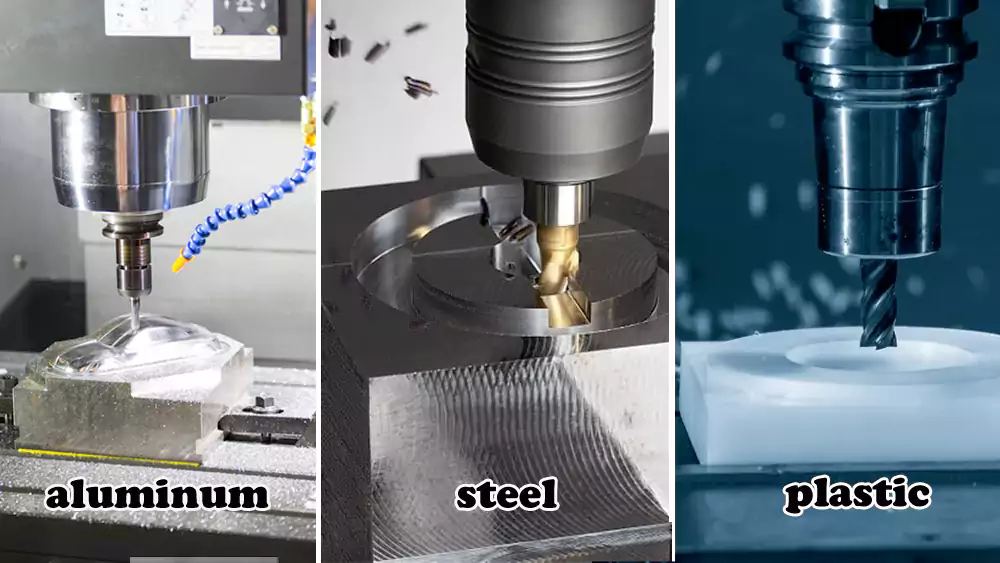
This guide explains how to choose the right CNC machining material by comparing common options like aluminum, steel, and plastics. It covers key factors such as strength, temperature resistance, cost, and real-world applications to help engineers and buyers make informed decisions.

This guide explains how to select, machine, and design engineering plastics for CNC applications, helping engineers create lightweight, durable, and high-performance custom parts.

This guide explains how to successfully machine stainless steel parts using CNC processes. It covers key challenges like heat, tool wear, and work hardening, along with proven solutions, practical DFM design tips, quality control methods, and how to choose a reliable machining partner for consistent, high-quality results.

Due to its excellent performance, carbon fiber has gradually become an indispensable high-performance material in modern manufacturing.
In this article, we’ll take a closer look at the types and applications of carbon fiber to help you better understand this revolutionary material.
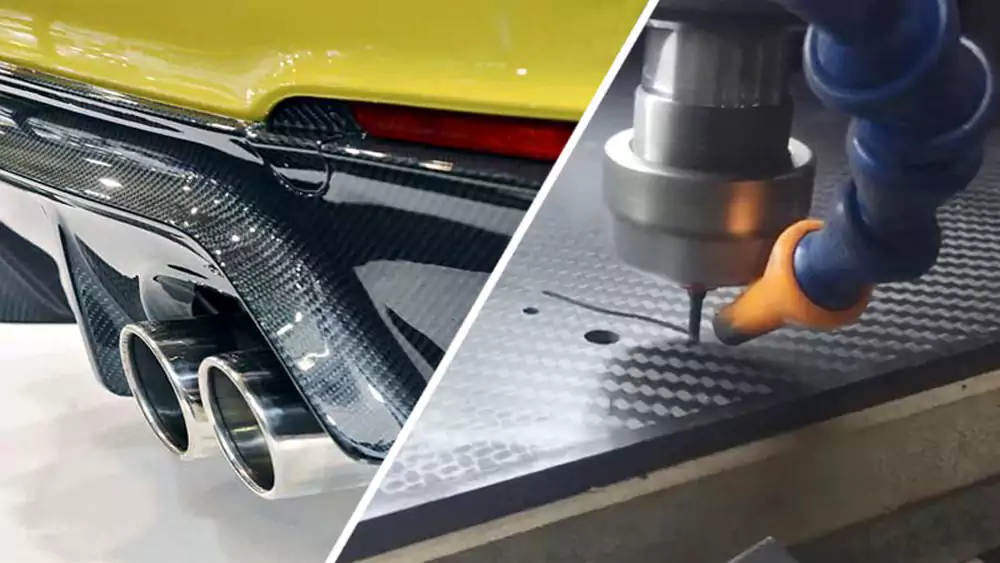
This guide explains how carbon fiber parts are manufactured, comparing machining and molding methods, material properties, design considerations, and cost factors to help engineers choose the right process and supplier for custom parts.

This guide compares carbon fiber and metal for custom parts, covering performance, cost, and manufacturing. It helps engineers choose the right material based on load, precision, budget, and production needs.
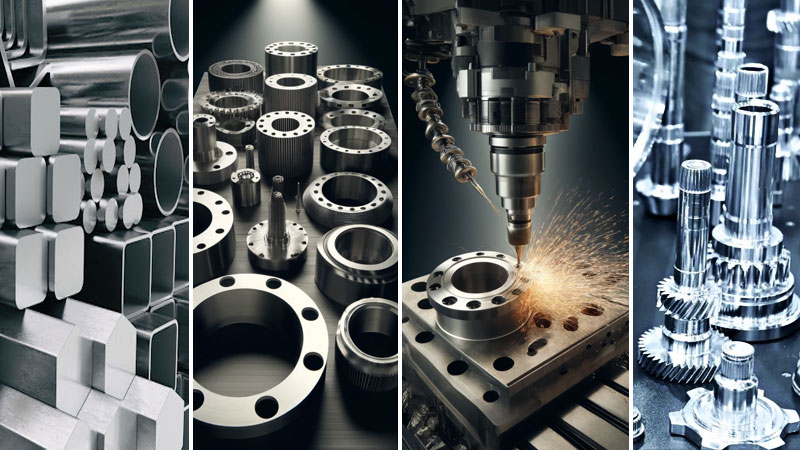
This guide explains the key challenges of CNC machining stainless steel and how to overcome them through proper material selection, optimized processes, cost control strategies, and choosing the right supplier for consistent, high-quality results.

This guide explains aluminum precision machining, including alloys, processes, tolerance control, and supplier selection, helping engineers achieve high-accuracy, reliable custom parts.
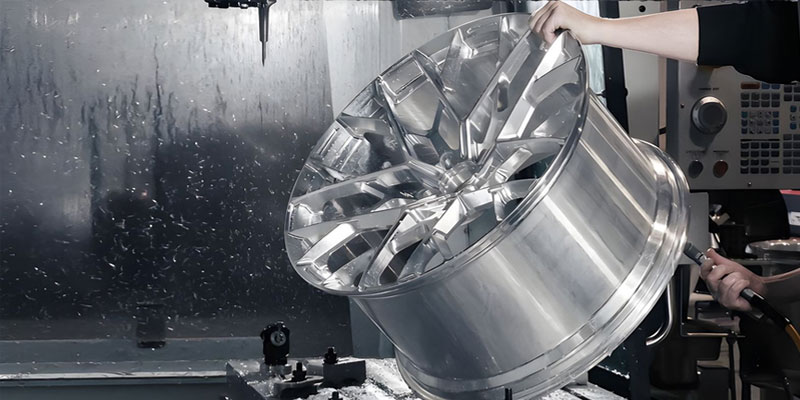
Why is aluminum CNC machining important? In this article, we’ll explore the benefits, applications, and challenges of CNC machining aluminum to highlight its potential in modern manufacturing.

This article provides an overview of metalloids, including their definition, common types, differences from metals, processing methods, and applications, offering a deeper understanding of these important elements in modern technology.
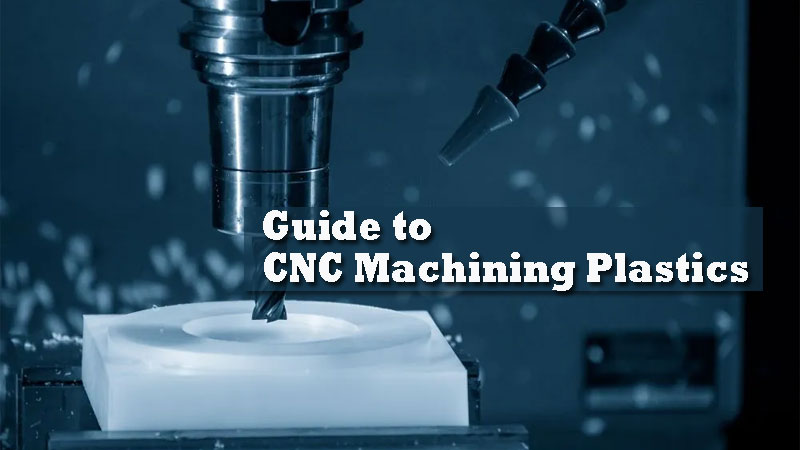
This article will delve into various aspects of CNC machining plastics to help you better understand this technology and its advantages in plastics processing.

This blog covers the key aspects of the heat treatment of steel, including its principles, stages (heating, holding, cooling), and common processes such as annealing, quenching, and tempering.
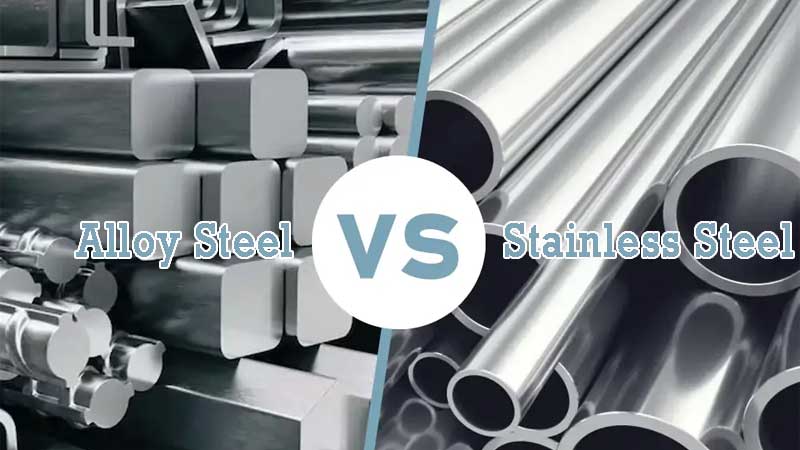
This article compares stainless steel and alloy steel for CNC machined parts, including differences in strength, corrosion resistance, cost, machinability, and industrial applications.
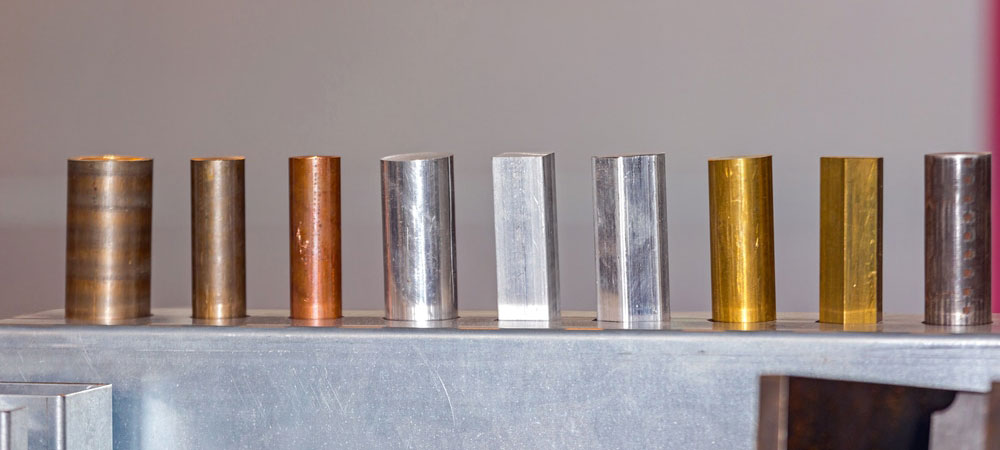
This guide explains 20 common alloy metals used in CNC machining, including aluminum, stainless steel, titanium, alloy steels, brass, bronze, and Inconel. It covers their properties, machining performance, applications, material selection factors, and the best machining methods for different industries.
