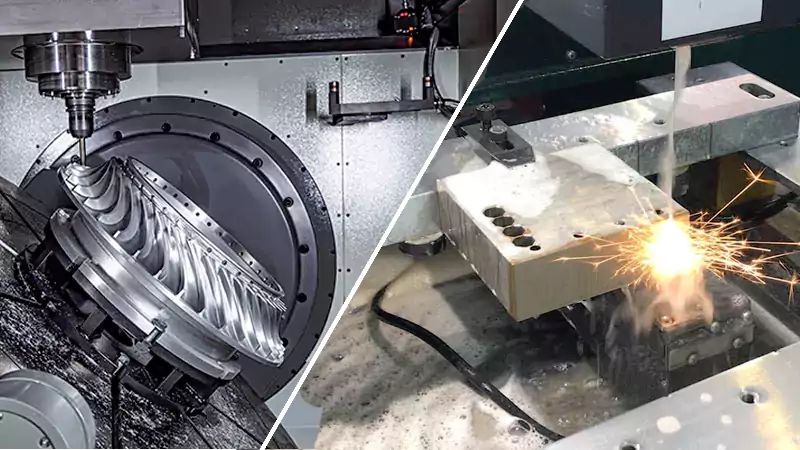
CNC Machining vs. EDM: Comparison
Selecting the right process—CNC machining or EDM—is crucial. A poor choice can result in design limitations, tolerance errors, and added […]
Selecting the right process—CNC machining or EDM—is crucial. A poor choice can result in design limitations, tolerance errors, and added […]
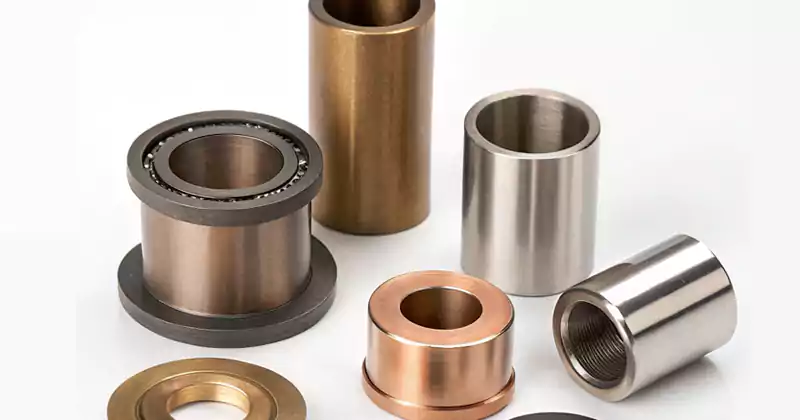
Learn what a bushing is, how different bushing types work, and why CNC machining is critical for precision performance. This guide covers materials, applications, manufacturing methods, tolerance control, and the key differences between bushings and bearings for industrial and OEM projects.
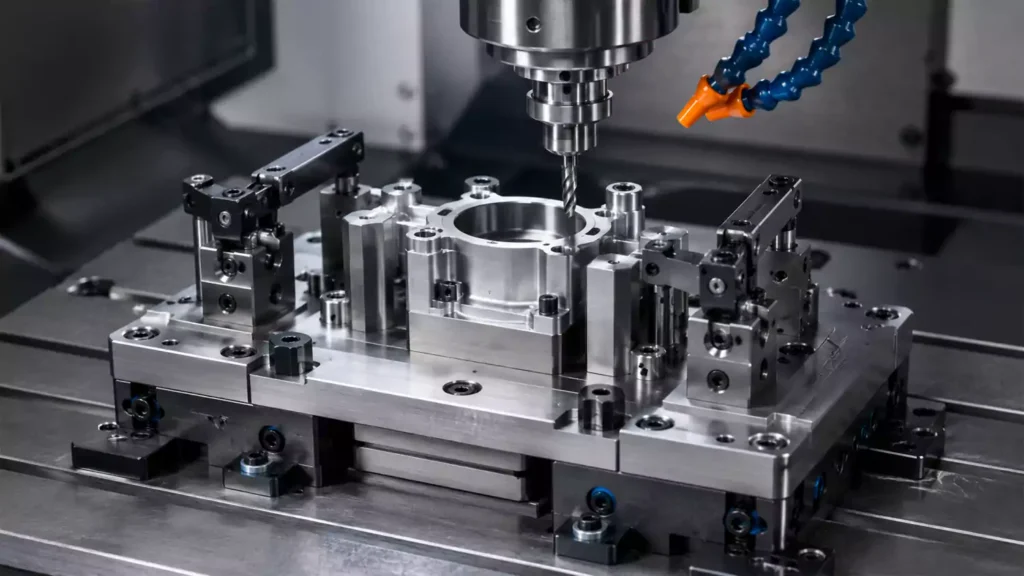
Learn what a jig tool is, how it differs from a fixture, and why it matters in modern manufacturing. This guide covers common jig types, design principles, CNC machining applications, and how custom jig tools improve production accuracy, repeatability, and efficiency across industries like automotive, aerospace, and industrial automation.
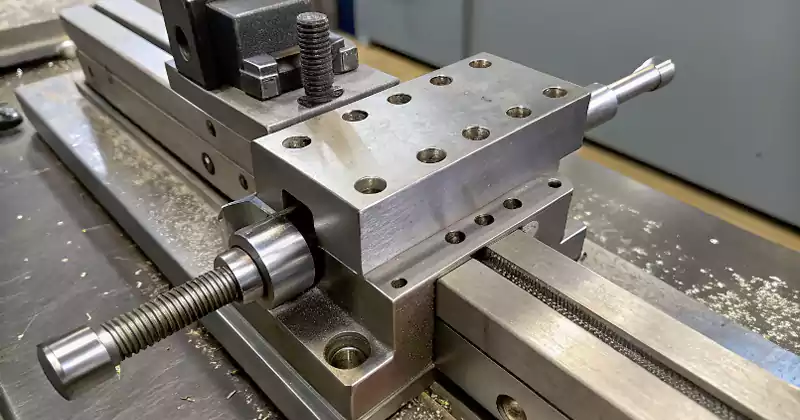
This article explains what workholding is in CNC machining and why it is essential for accuracy, surface finish, and cost control. It covers engineering principles, workholding types, real-world challenges, and practical fixture design insights from shop-floor experience.

This guide explains CNC head porting from an engineering and manufacturing perspective. It covers airflow principles, real-world engine applications, 5-axis machining processes, and how controlled port geometry improves performance and consistency.
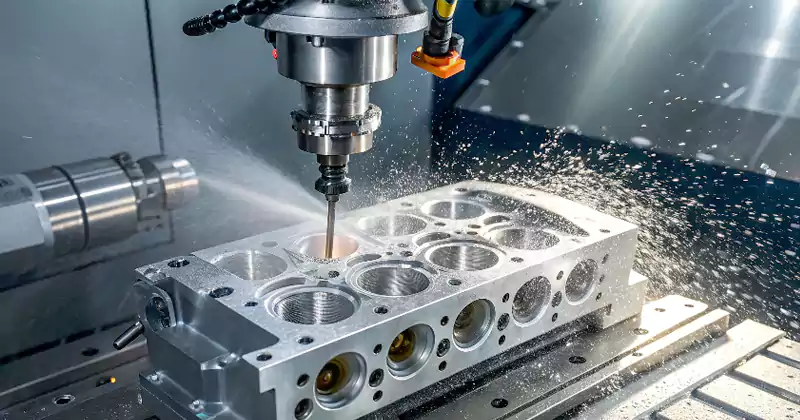
Last Updated: 2025-10-21 09:48:02 Tuesday Need a cylinder head machined but worried about precision? Incorrect machining leads to poor engine

EDITOR’S NOTE: Updated on October 16, 2025. We’ve added a detailed case study demonstrating how multiple milling operations were strategically
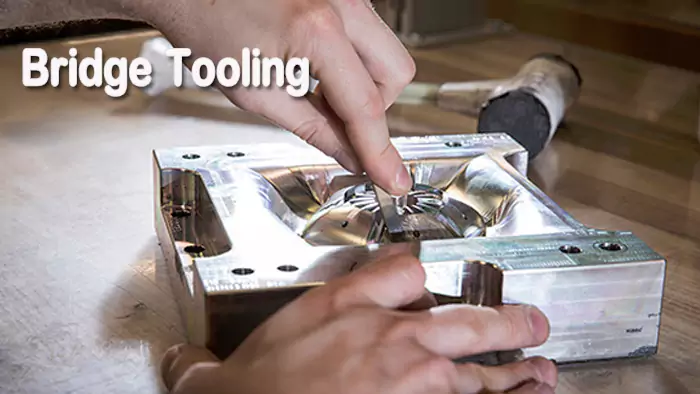
EDITOR’S NOTE: Updated on October 14, 2025,We’ve added a detailed case study showing how bridge tooling helped a long-term automotive
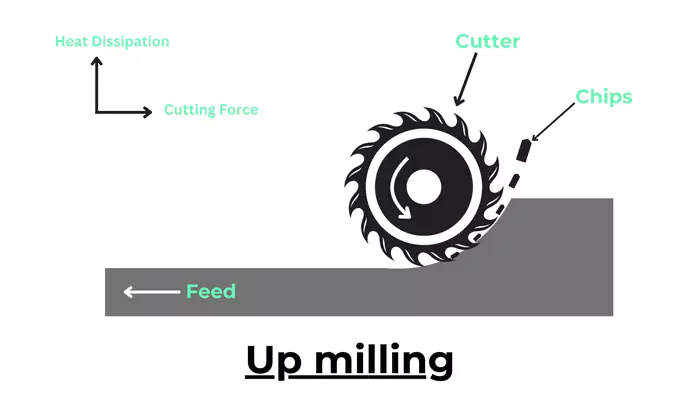
Up milling, also known as conventional milling, is a CNC machining method where the cutter rotates opposite to the feed direction. This guide explains how up milling works, its advantages and disadvantages, and the key differences between up milling and down milling in CNC machining.
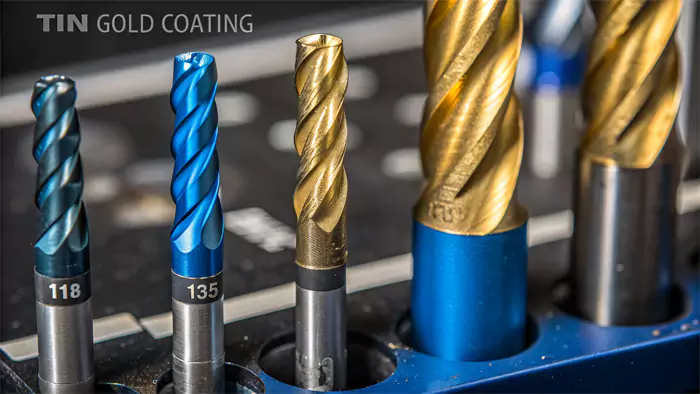
Last Updated: 2025-10-21 10:11:07 Tuesday Drilling metal with the wrong bit means slow work, broken bits, or ruined parts. This
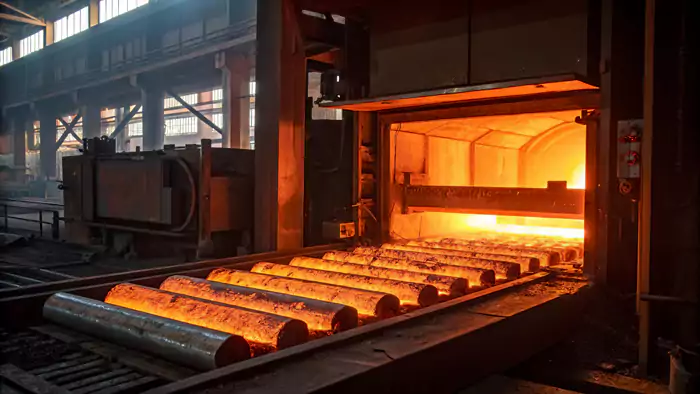
This guide explains the annealing process from both metallurgical and manufacturing perspectives. It covers how annealing alters microstructure, reduces internal stress, improves machinability, and supports better dimensional stability. The article also outlines when engineers and procurement teams should specify annealing to balance machining efficiency, part quality, and production cost.
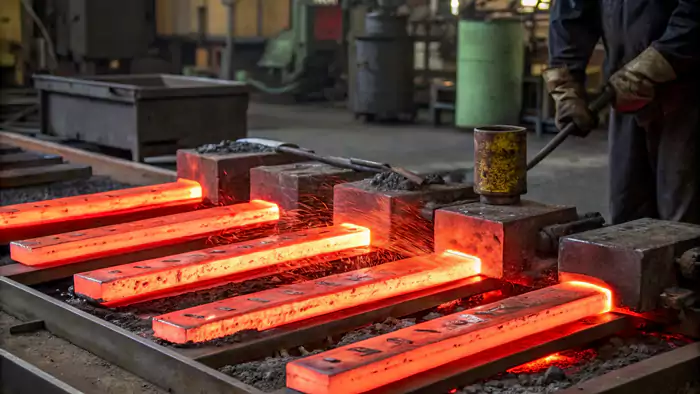
Hardening in machining improves wear resistance, fatigue life, and load capacity by controlling microstructure through heat treatment. This guide explains hardening methods, machining sequence strategy, distortion control, and how to balance hardness, cost, and lifecycle performance for industrial parts.
Last Updated: 2025-10-21 10:32:31 Tuesday What is press fit interference, and how can it make or break your assemblies? Are
Last Updated: 2025-10-21 11:09:56 Tuesday Are your machining projects suffering from poor tool life, rough finishes, or frequent tool breakage?
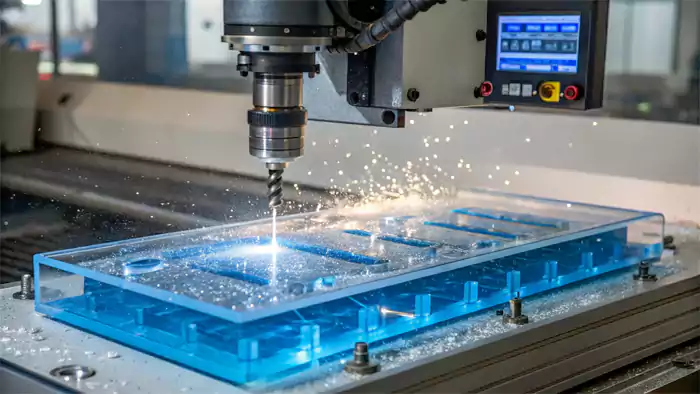
Last Updated: 2025-10-21 11:33:13 Tuesday After processing over 5,000 acrylic components at Allied Metal, I’ve learned that what seems like

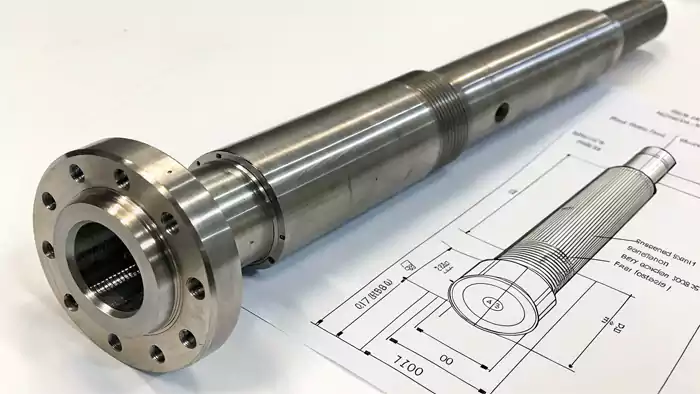
This article helps procurement managers and engineers understand motor shaft requirements, CNC machining advantages, and how precision control reduces risk, ensures consistency, and supports reliable production sourcing.
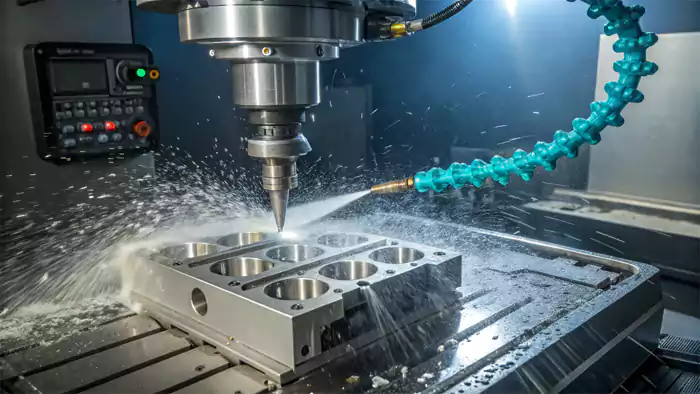
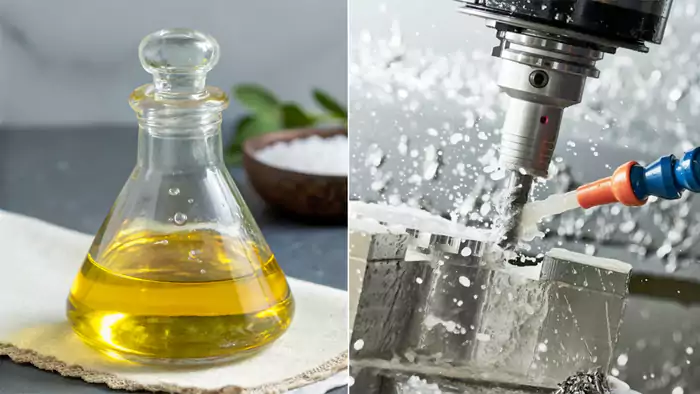
CNC coolant plays a critical role in machining by cooling, lubricating, and removing chips. This guide explains coolant types, compositions, and how to choose the right one for different materials and cutting conditions, helping engineers improve tool life, surface finish, and overall machining efficiency.
EDITOR’S NOTE: Updated on October 16, 2025. We’ve added a detailed case study that delves into the actual cost structure
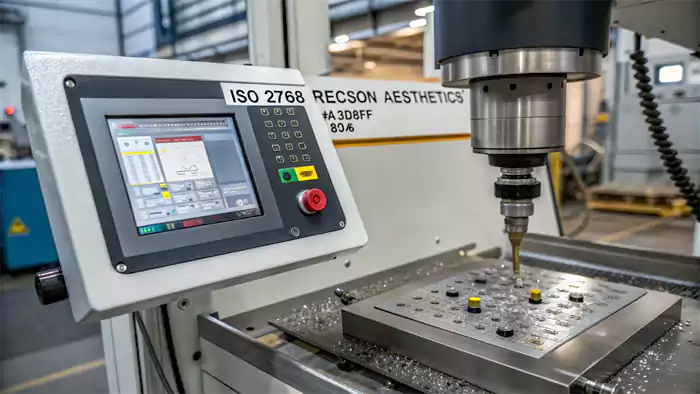
Struggling with inconsistent parts or slow production? Manual errors costing valuable time and money? CNC machining offers the precision and
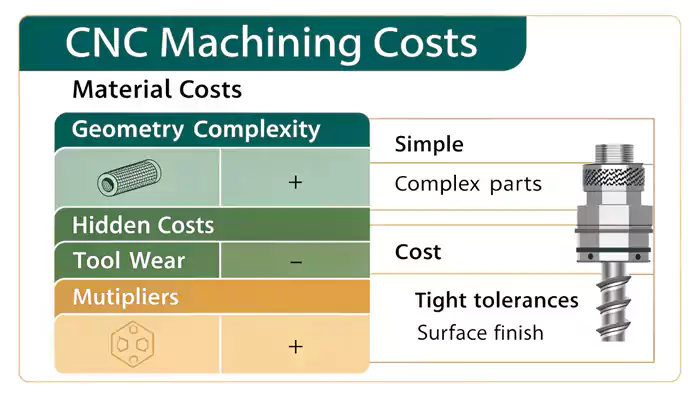
Custom CNC machining cost varies widely based on material, complexity, tolerance, and volume. This guide explains real price ranges, key cost drivers, estimation methods, and practical ways engineers can reduce cost without sacrificing quality.

Finding a reliable CNC machining manufacturer is critical to ensuring part quality, stable delivery, and long-term cost control. This guide explains how engineers and procurement teams can evaluate machining capabilities, quality systems, materials expertise, and supplier reliability when sourcing custom CNC parts.
AI in CNC machining is transforming precision manufacturing by optimizing tool paths, improving quality monitoring, and enabling predictive maintenance. This guide explains how AI helps manufacturers increase efficiency, reduce costs, and achieve more consistent machining results.
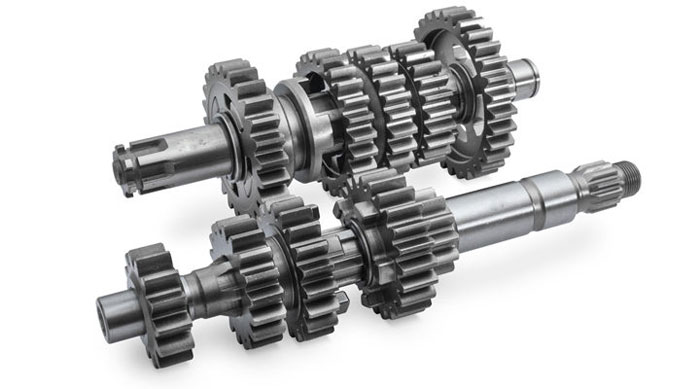
This article explains transmission shaft manufacturing from a CNC machining perspective, covering shaft types, materials, applications, and practical process decisions for custom industrial components.

Learn how motorcycle exhaust systems work, how materials and manufacturing processes affect performance, and what factors are most critical when designing custom exhaust systems for original equipment manufacturer (OEM) and aftermarket motorcycles.
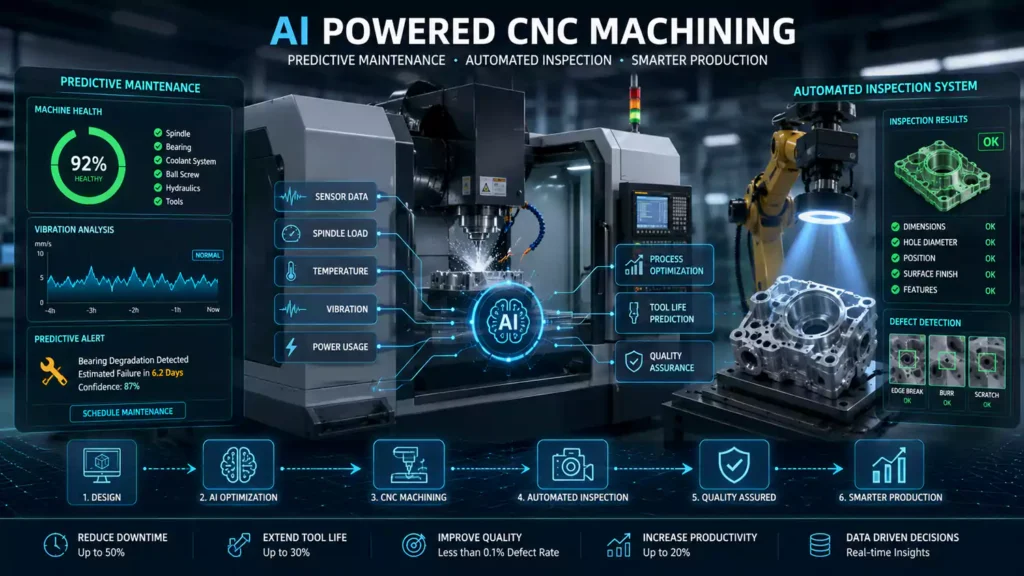
Learn how intelligent manufacturing is transforming CNC machining through AI, automation, predictive maintenance, and smart factory systems. This guide explains how connected technologies reduce downtime, improve precision, lower waste, and help manufacturers produce parts faster and more efficiently.
Smart manufacturing is rapidly changing the global manufacturing landscape. This blog delves into the definition of the concept, core technologies, industry applications, advantages and challenges, and looks at future trends to help companies capitalize on the transformative opportunities this technology will bring.

This guide explains how custom shafts are designed, machined, and quality-controlled for demanding OEM applications. It covers shaft types, material selection, key manufacturing processes, performance-critical tolerances, and how to choose a reliable custom shaft supplier.
This guide explains additive manufacturing technologies, materials, and real-world use cases, while comparing them with CNC machining to help engineers choose the right process for custom parts.

Learn how the continuous casting process works, the different casting methods used in modern manufacturing, and why continuous cast materials offer better density, machinability, and production consistency than traditional casting methods.
ISO 286 is a global standard that defines tolerances and fits, which are essential for part design and machining accuracy. Tolerances impact a part’s performance, assembly quality, and lifespan.

In modern manufacturing, choosing the right cutting method is essential for efficiency and quality. CNC and laser cutting are two common techniques, each with its own advantages and best uses.

This article will give you a detailed introduction to the history of metal engraving, common materials, engraving methods, and modern engraving technology.
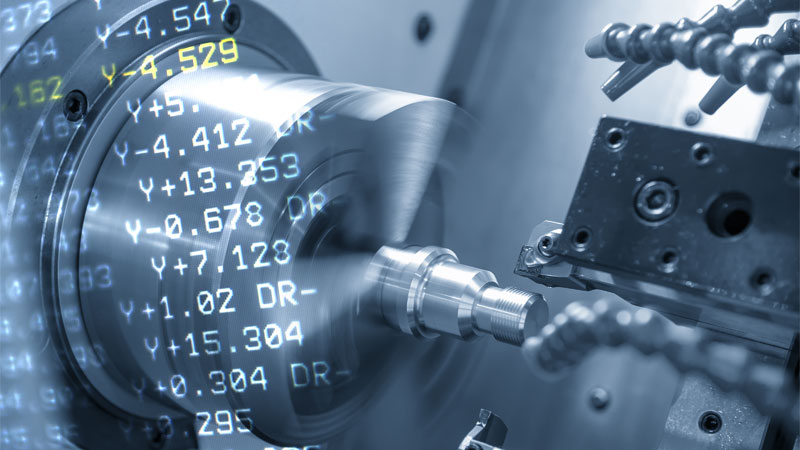
Learn what G-code is in CNC machining, how it works, common G-code commands, programming basics, common errors, and why understanding G-code improves machining quality and manufacturing efficiency.
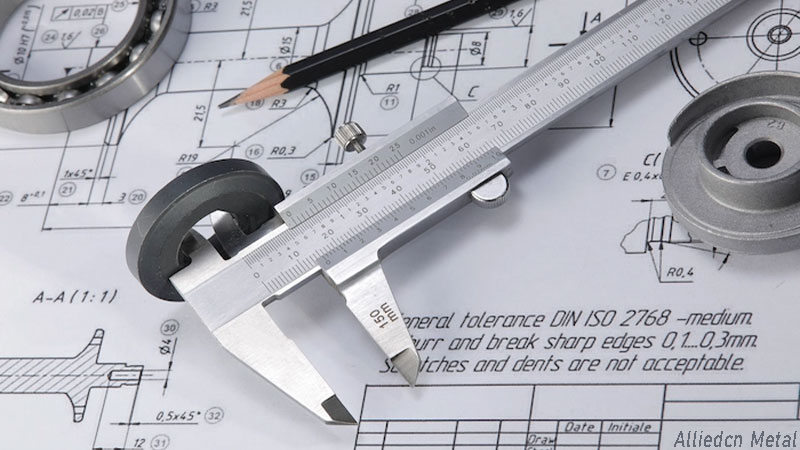
Learn the fundamentals of manufacturing tolerances in CNC machining, including tight tolerances, ISO fit systems, GD&T symbols, engineering drawings, and practical strategies for balancing precision, cost, and production efficiency in custom part manufacturing.

Cutting tools play a vital role in mechanical manufacturing and are widely used in metal processing, wood processing and other fields. Especially in CNC machining, choosing the right tool directly affects the machining accuracy and efficiency.

Learn what MOQ means in manufacturing and how it affects pricing, production efficiency, and purchasing decisions. This guide explains why manufacturers set MOQ, how to negotiate lower minimums, and the key differences between MOQ, EOQ, and MPQ in CNC machining and custom manufacturing.
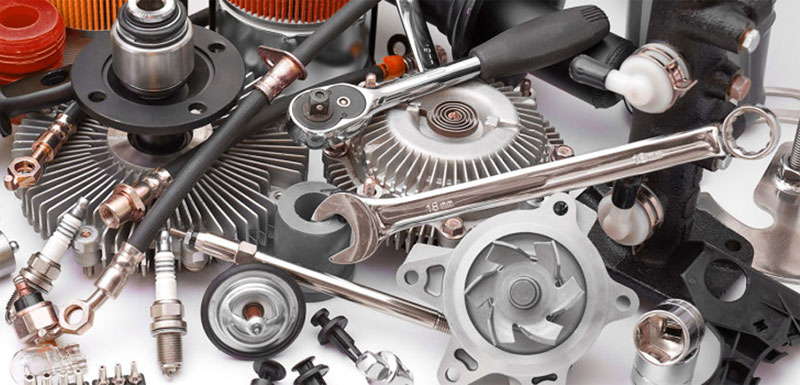
Learn what OEM replacement parts are, why they matter in industrial manufacturing, and how they help improve equipment reliability, reduce downtime, and maintain precision performance across industries like aerospace, automotive, robotics, and medical equipment.
Want to get a quick idea of what Allied Metal’s custom fabrication services cost? Our free quote process is simple and efficient and can be completed in just a few steps.
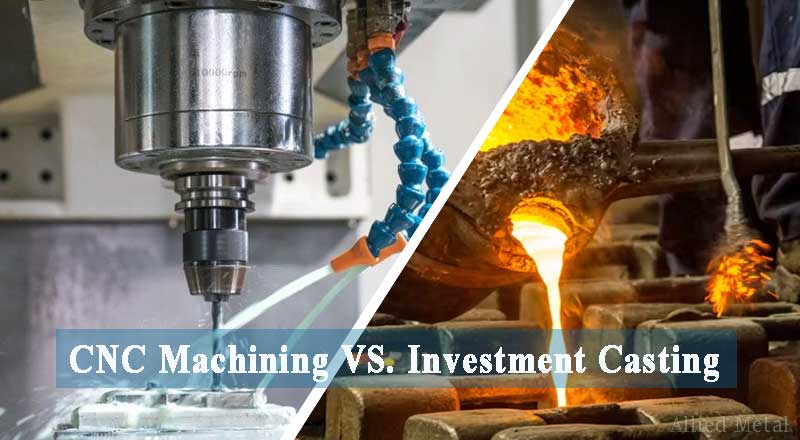
This guide compares CNC machining and investment casting in terms of cost, accuracy, lead time, surface finish, and production volume. Learn when to choose CNC for precision and speed, when investment casting lowers costs for complex high-volume parts, and how combining both processes can improve manufacturing efficiency.
Reverse engineering services use 3D scanning and digital modeling to help companies replace discontinued parts, extend equipment life, and speed up design innovation. Discover how this technology boosts efficiency and cuts costs.

This blog covers the key aspects of the heat treatment of steel, including its principles, stages (heating, holding, cooling), and common processes such as annealing, quenching, and tempering.
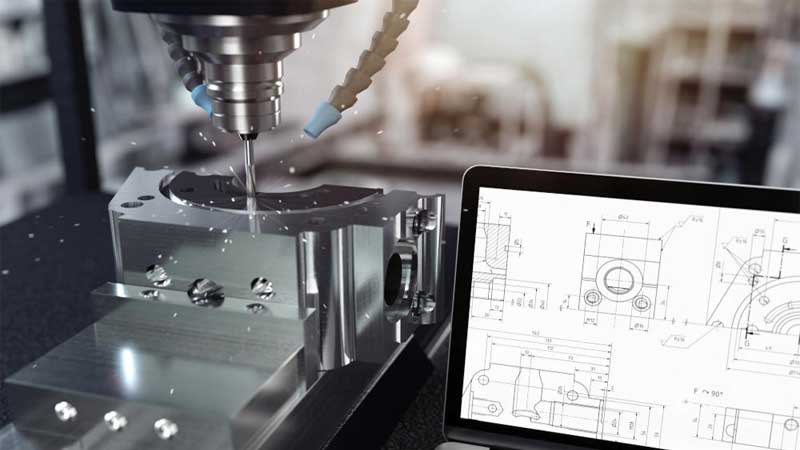
This guide explains how engineers and buyers can prepare better RFQs for custom machining projects. It covers technical drawing requirements, manufacturing process selection, hidden cost factors, supplier communication, and practical RFQ checklists to help reduce lead times, improve quote accuracy, and avoid costly production mistakes.
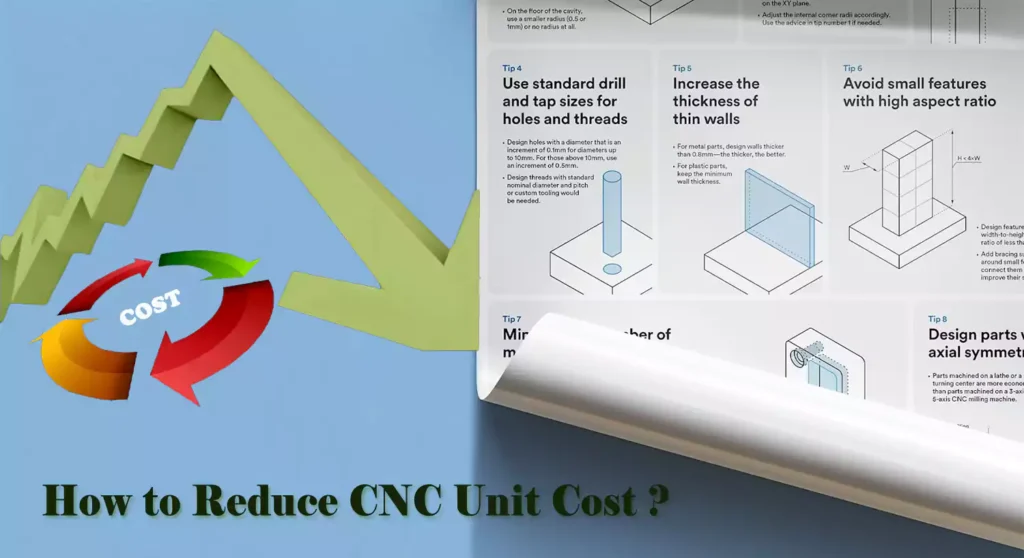
Learn how to reduce CNC unit cost through smarter part design, optimized machining, better material selection, realistic tolerances, and efficient production planning without sacrificing quality.
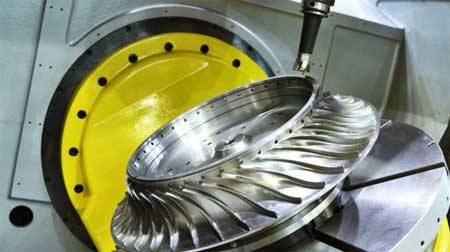
In precision machining, “tolerance” is an important concept that cannot be ignored, and it directly affects product quality, performance and production costs.
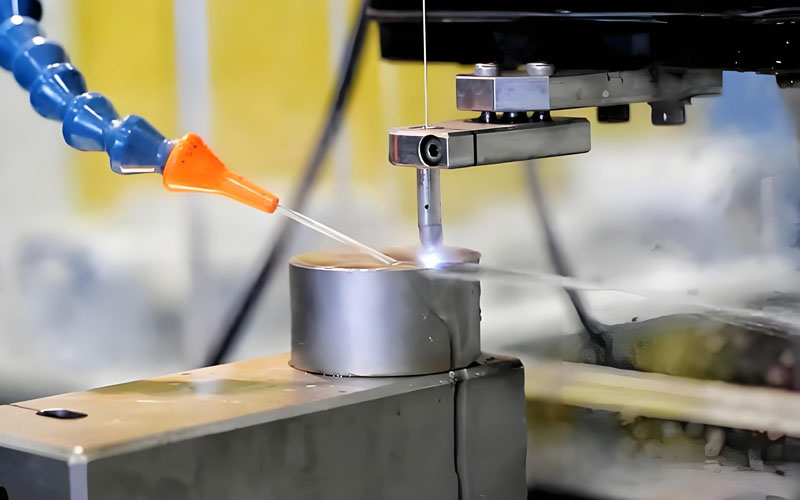
In this paper, we will explore why the EDM process has become the technology of choice for precision machining parts and analyze its advantages, applications and limitations in detail.

Manufacturing transforms raw materials into finished products through processes such as CNC machining, casting, forming, molding, and assembly. This article explains modern manufacturing methods, industrial applications, cost factors, quality control, and future production trends shaping industries worldwide.

In today’s manufacturing industry, custom machining metal parts offer companies the opportunity for flexibility and innovation. By understanding this area, companies are better able to meet specific needs and increase competitiveness.
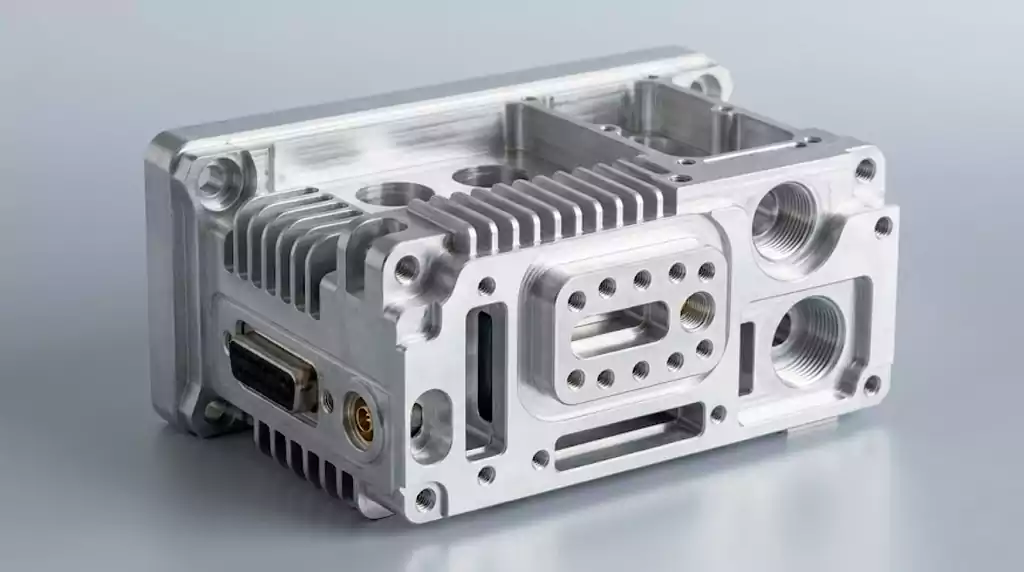
Learn how precision CNC machining improves telecom electronics through tight tolerances, EMI shielding, thermal management, and reliable RF component manufacturing for modern communication systems.
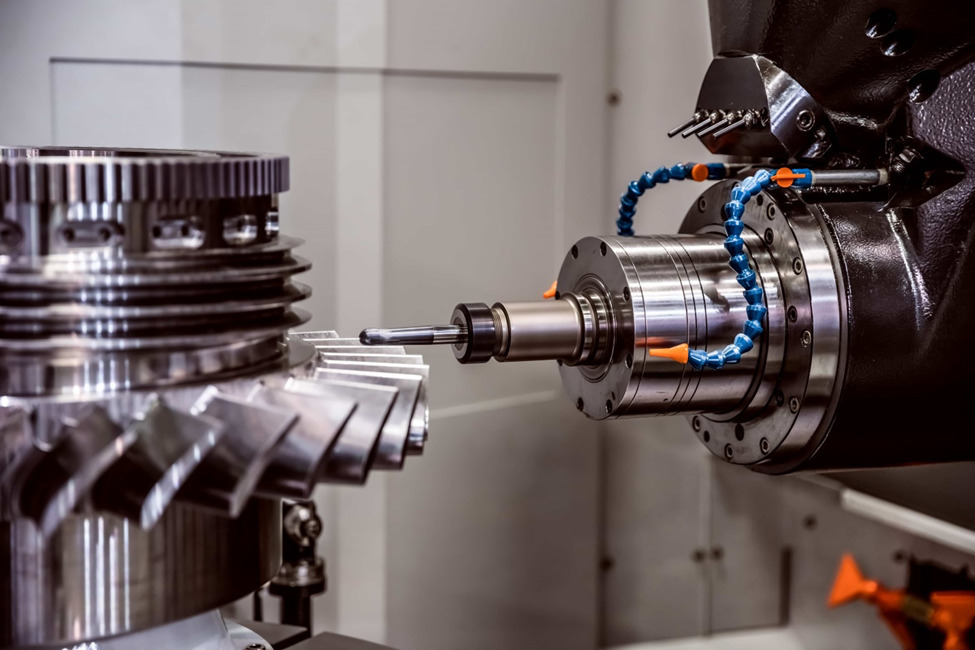
There are many types of precision machining, here are 5 common types of precision machining and applicable materials
