Surface Finish and Roughness Comparison Guide
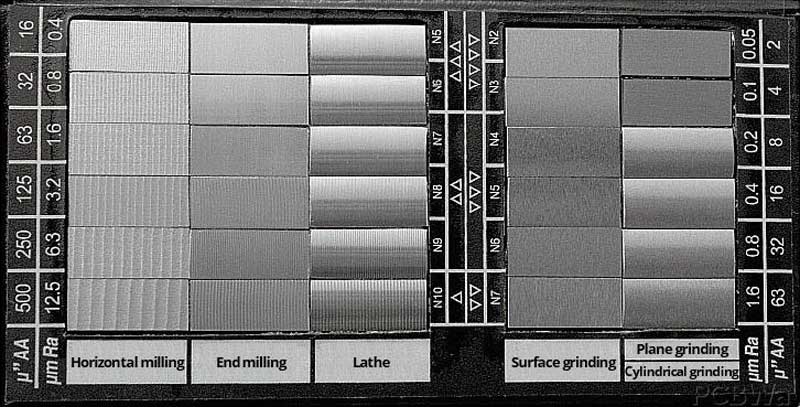
This guide details the surface finish and roughness values for different standards and different processing methods.
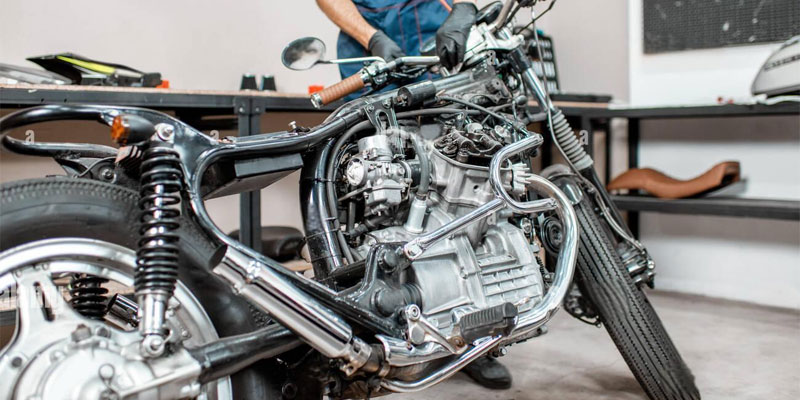
This article will discuss the advantages of CNC machining of motorcycle parts, its applications, and how to choose the right service provider to enhance machining efficiency and quality.
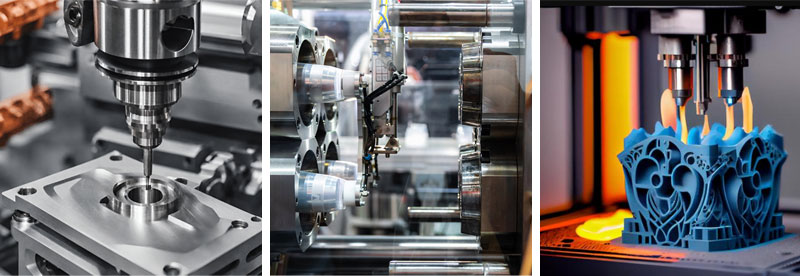
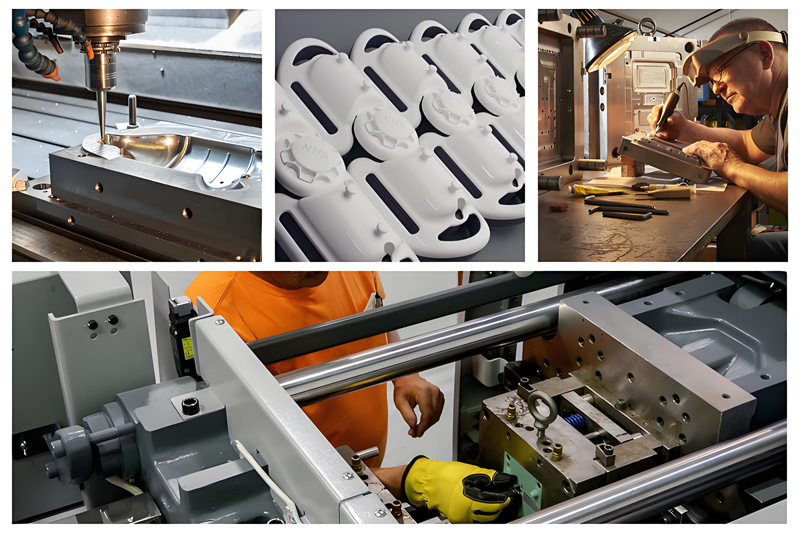
Learn the key differences between CNC machining, injection molding, and 3D printing for custom parts. This guide compares cost, lead time, precision, materials, and production volume to help engineers and buyers choose the right manufacturing process from prototype to mass production.
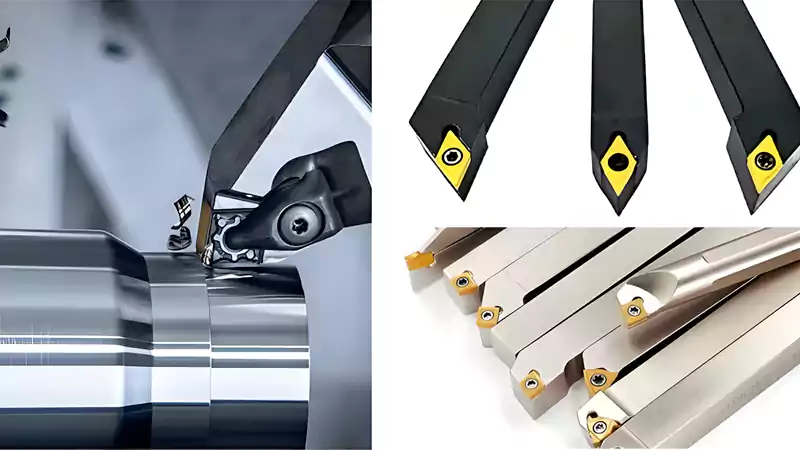
Cutting tools play a vital role in mechanical manufacturing and are widely used in metal processing, wood processing and other fields. Especially in CNC machining, choosing the right tool directly affects the machining accuracy and efficiency.
Outsourcing CNC machining has become an effective way to boost productivity and cut costs in manufacturing. However, it comes with challenges. Selecting the right supplier and proper preparation are crucial for a successful partnership.
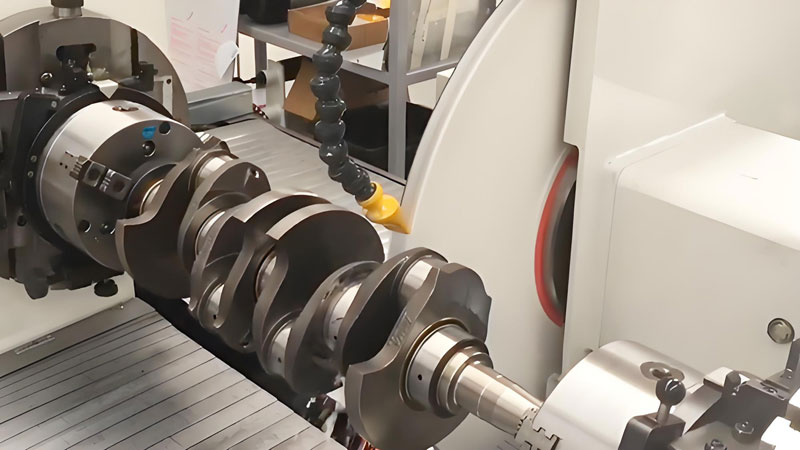
Learn what MOQ means in manufacturing and how it affects pricing, production efficiency, and purchasing decisions. This guide explains why manufacturers set MOQ, how to negotiate lower minimums, and the key differences between MOQ, EOQ, and MPQ in CNC machining and custom manufacturing.
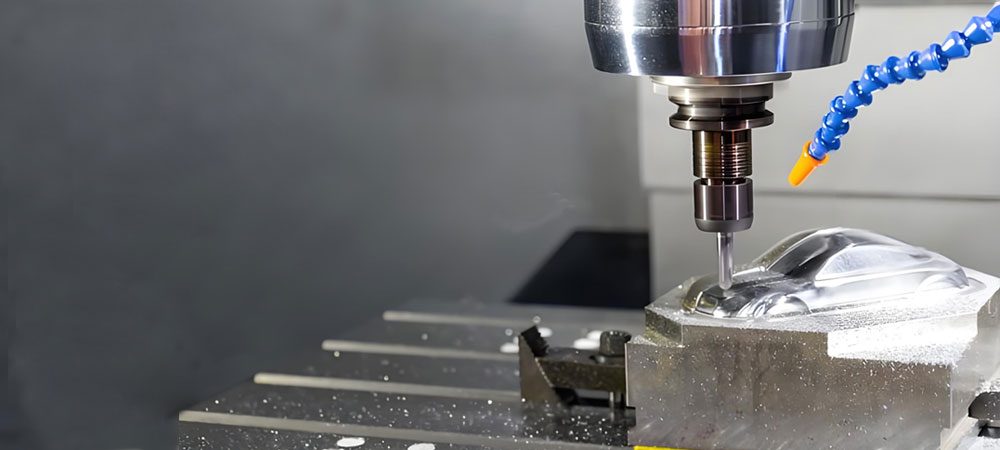
Learn what OEM replacement parts are, why they matter in industrial manufacturing, and how they help improve equipment reliability, reduce downtime, and maintain precision performance across industries like aerospace, automotive, robotics, and medical equipment.
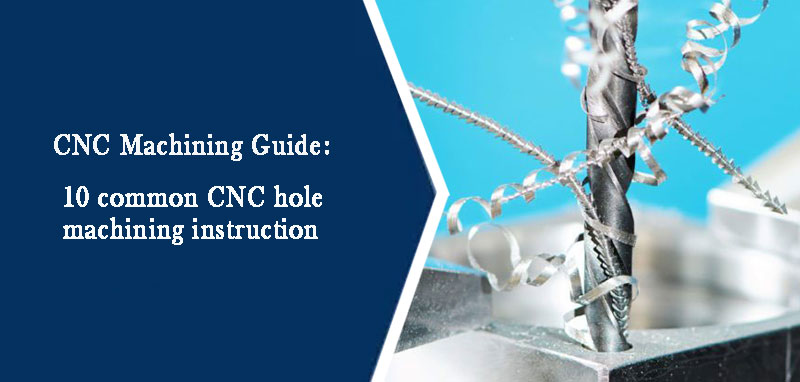
This article covers the basics of CNC hole machining, common commands, tapping techniques, the difference between drilling and tapping, and its wide applications, helping you master this key technology.
Want to get a quick idea of what Allied Metal’s custom fabrication services cost? Our free quote process is simple and efficient and can be completed in just a few steps.
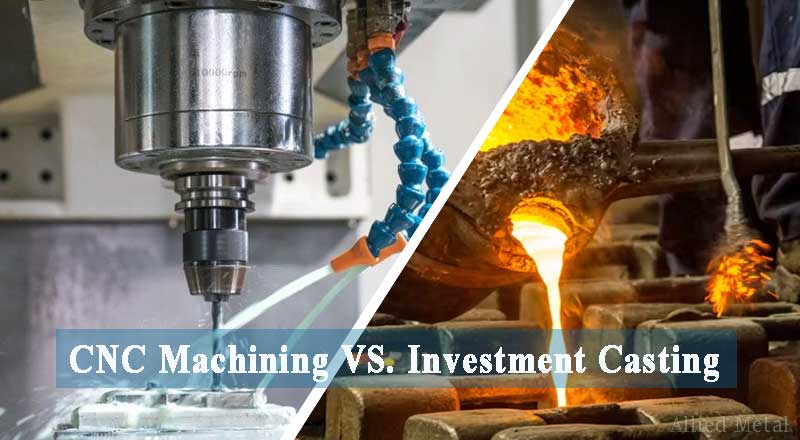
This guide compares CNC machining and investment casting in terms of cost, accuracy, lead time, surface finish, and production volume. Learn when to choose CNC for precision and speed, when investment casting lowers costs for complex high-volume parts, and how combining both processes can improve manufacturing efficiency.
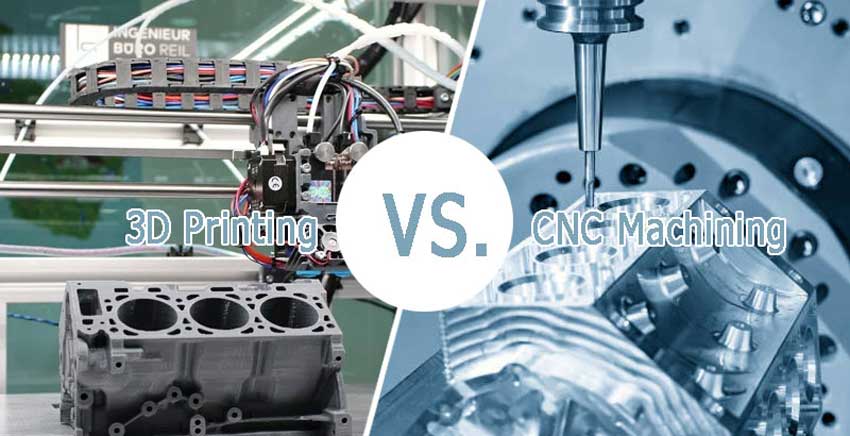
This guide compares CNC machining and 3D printing to help engineers choose the right process. It covers precision, materials, cost, and real-world use cases, showing when to use each method—or combine both—for faster development and reliable production.
This guide explains surface roughness in machining, including key parameters like Ra and Rz, measurement methods, influencing factors, and how to choose the right finish to balance performance and cost.
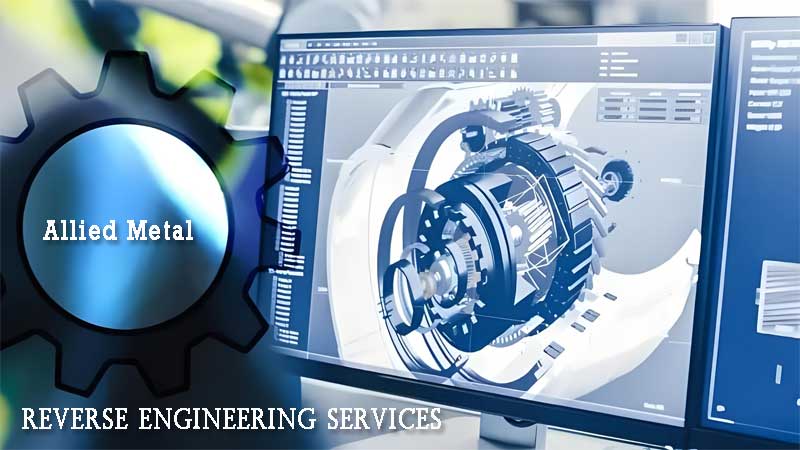
Reverse engineering services use 3D scanning and digital modeling to help companies replace discontinued parts, extend equipment life, and speed up design innovation. Discover how this technology boosts efficiency and cuts costs.
Learn what CNC turning is, how the process works, common turning operations, suitable materials, achievable tolerances, cost factors, and why CNC turning is ideal for precision custom round parts in prototyping and production.
This blog covers the key aspects of the heat treatment of steel, including its principles, stages (heating, holding, cooling), and common processes such as annealing, quenching, and tempering.
This guide explores the automotive prototyping process, key technologies, material choices, and future trends, helping you tackle challenges and find the right partners to bring your ideas to life.
This guide explains how engineers and buyers can prepare better RFQs for custom machining projects. It covers technical drawing requirements, manufacturing process selection, hidden cost factors, supplier communication, and practical RFQ checklists to help reduce lead times, improve quote accuracy, and avoid costly production mistakes.
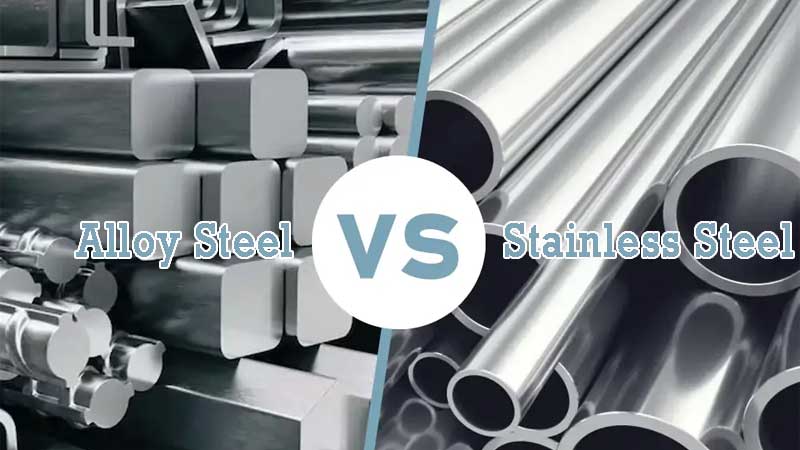
This article compares stainless steel and alloy steel for CNC machined parts, including differences in strength, corrosion resistance, cost, machinability, and industrial applications.
Learn how to reduce CNC unit cost through smarter part design, optimized machining, better material selection, realistic tolerances, and efficient production planning without sacrificing quality.
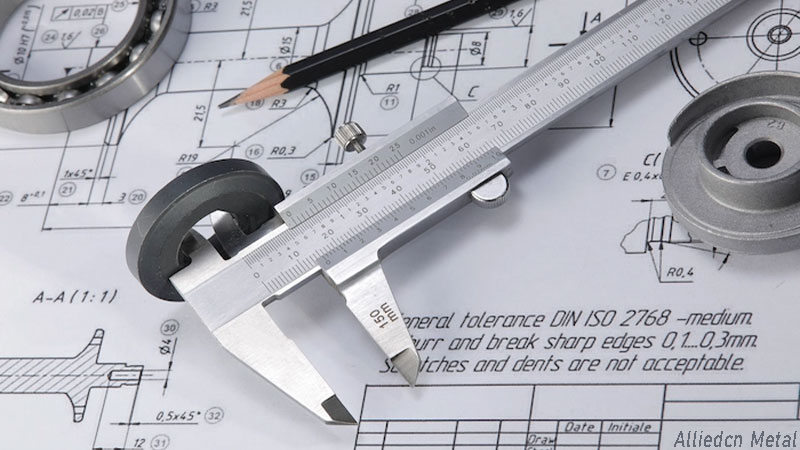
In precision machining, “tolerance” is an important concept that cannot be ignored, and it directly affects product quality, performance and production costs.
This article will provide you with a detailed analysis of the basic principles of CNC hole machining, common methods and practical problem solutions to help you improve processing efficiency and accuracy.
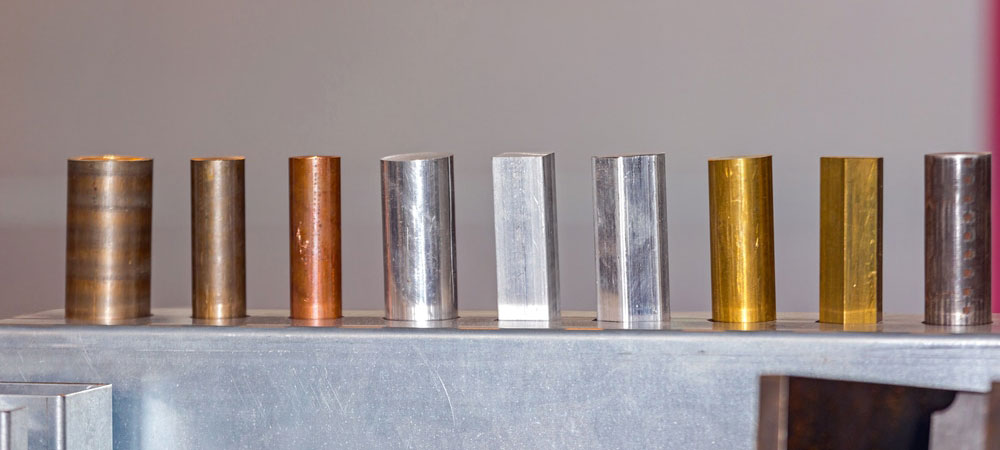
This guide explains 20 common alloy metals used in CNC machining, including aluminum, stainless steel, titanium, alloy steels, brass, bronze, and Inconel. It covers their properties, machining performance, applications, material selection factors, and the best machining methods for different industries.
The tool setting process in CNC machining is crucial, and accurate tool setting can significantly improve machining accuracy and productivity.
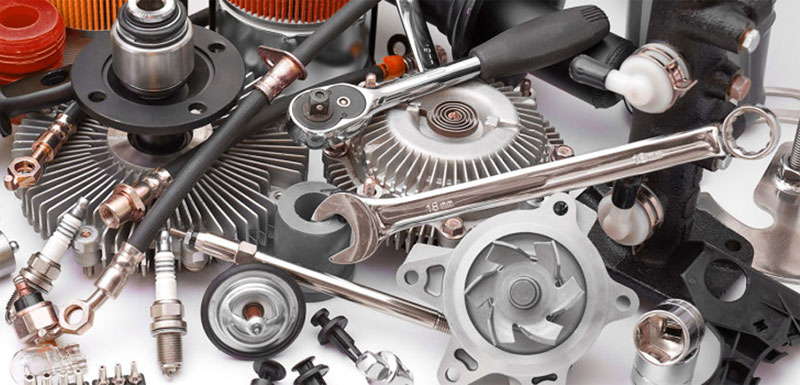
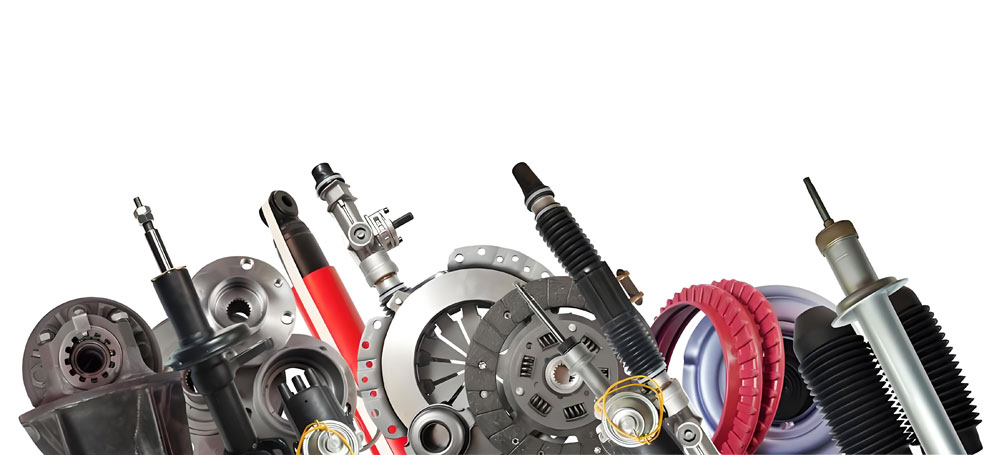
CNC machining technology has become one of the core technologies of modern auto parts manufacturing. This article will introduce automotive parts machining in detail.
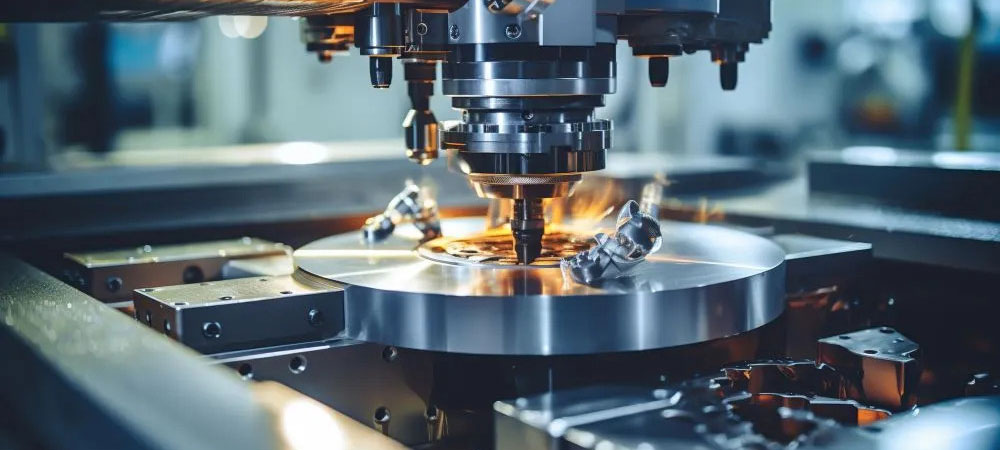
This article explains what CNC drilling machines are, how they work, and why they are essential in modern custom parts manufacturing. It compares CNC drilling with manual drilling, introduces different machine types, and highlights key advantages.
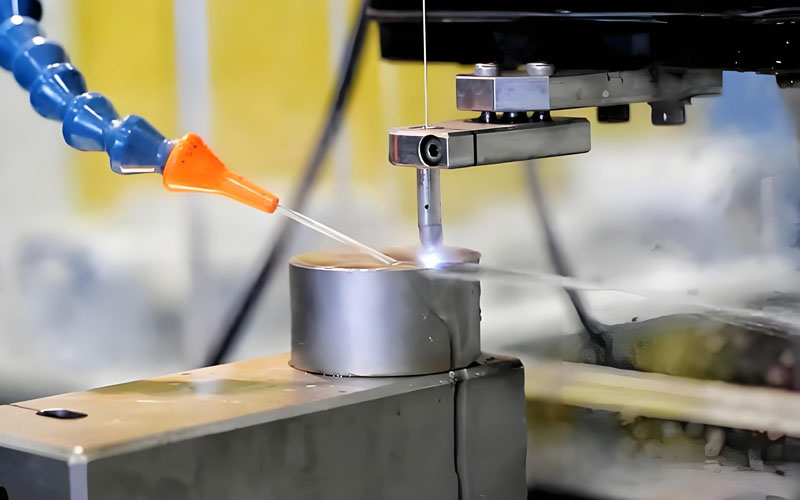
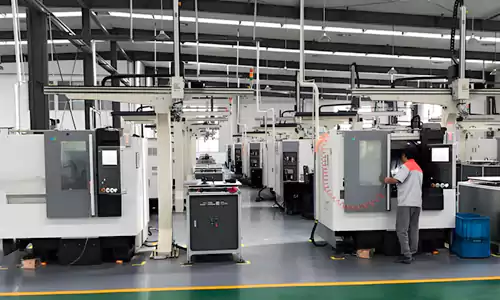
A comprehensive guide to CNC machining processes, materials, and production strategies from industry experts with 20+ years of experience. Learn how to select the right machining methods for your specific production needs and materials.
In this paper, we will explore why the EDM process has become the technology of choice for precision machining parts and analyze its advantages, applications and limitations in detail.
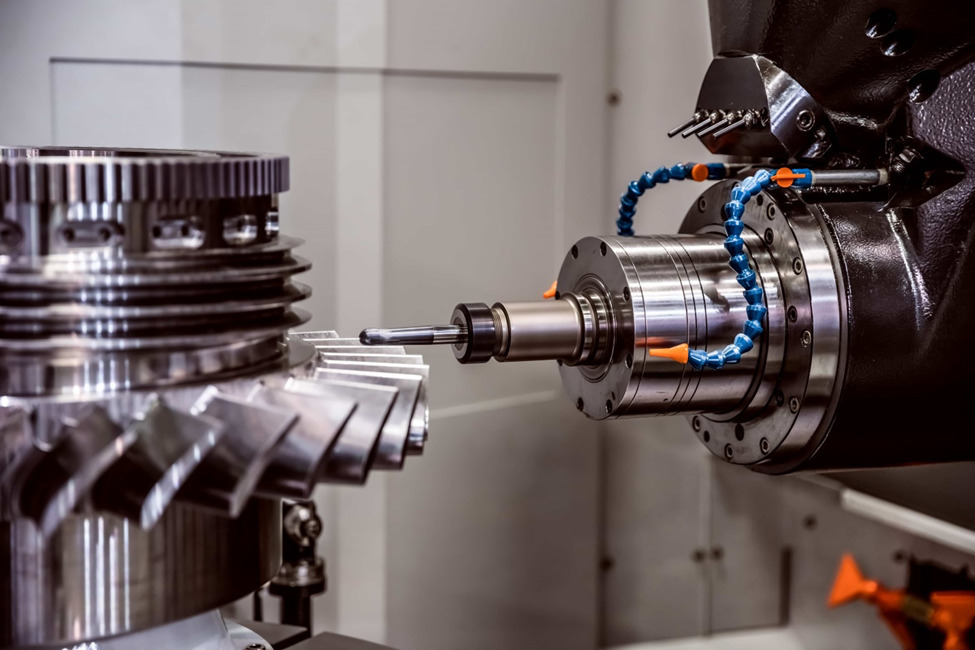
Explore the world of CNC milling and learn how it works, the types, advantages and wide range of applications. Whether you’re new to manufacturing or a veteran, there’s the knowledge you need here!
CNC systems enable efficient, high-precision machining by precisely controlling machinery and equipment.
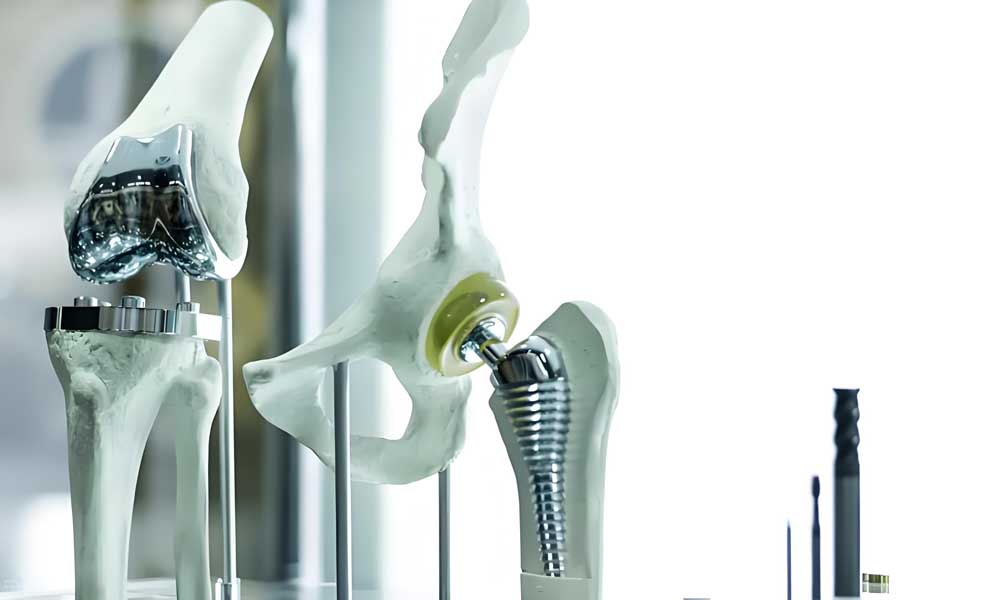
As medical devices and equipment demand more precision and reliability, CNC machining offers powerful solutions to meet these needs.
Learn how CNC machining supports automotive prototyping and low-volume production for OEMs and EV brands through precision manufacturing, material flexibility, and faster product development.
This article explores the global CNC machining market, including growth trends, major demand regions, key industries, and supply chain dynamics. It also explains why China remains a leading CNC manufacturing hub through its strong supply chain, scalable production, and balance between cost and precision quality.
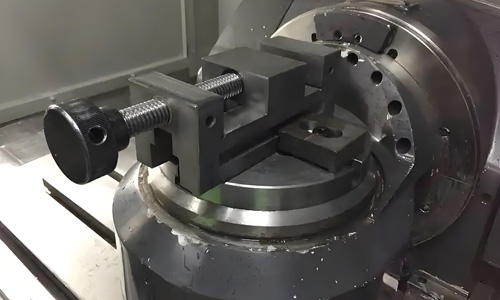
This article will delve into the definitions, applications, types, and differences between CNC fixtures and traditional fixtures to help you gain a comprehensive understanding of this critical tool.
Manufacturing transforms raw materials into finished products through processes such as CNC machining, casting, forming, molding, and assembly. This article explains modern manufacturing methods, industrial applications, cost factors, quality control, and future production trends shaping industries worldwide.
In today’s manufacturing industry, custom machining metal parts offer companies the opportunity for flexibility and innovation. By understanding this area, companies are better able to meet specific needs and increase competitiveness.
CAM programming and CNC programming play an important role in modern manufacturing. Both are closely related, but each has unique functions and applications.
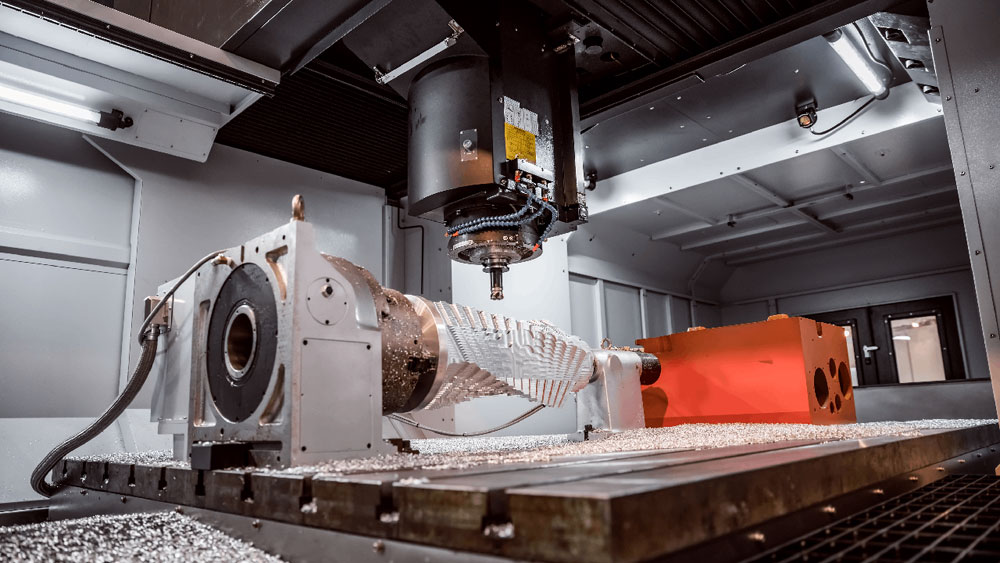
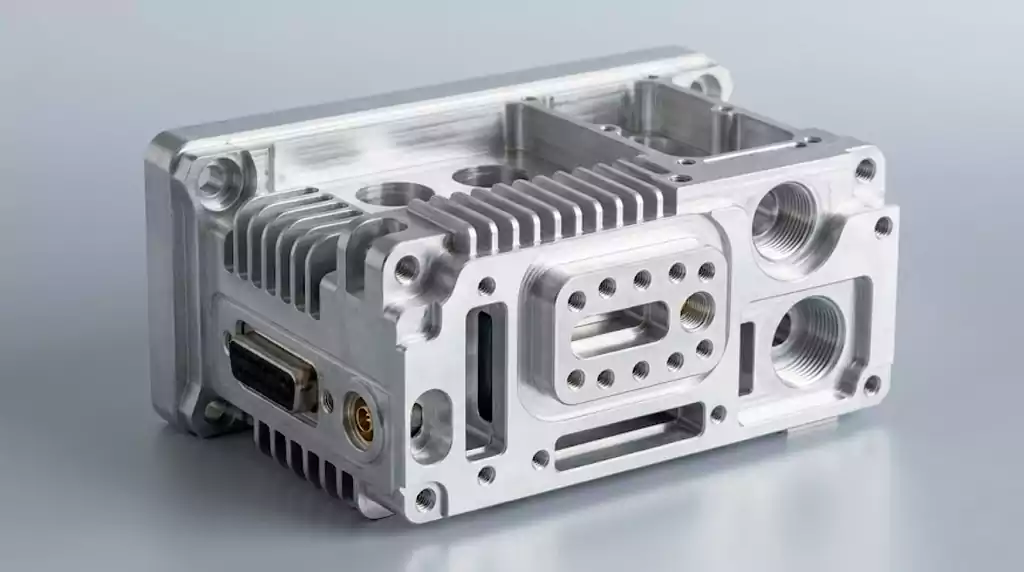
Learn how precision CNC machining improves telecom electronics through tight tolerances, EMI shielding, thermal management, and reliable RF component manufacturing for modern communication systems.
Learn what 3D printing is, how additive manufacturing works, and which technologies, materials, and applications are best for industrial production. This guide compares FDM, SLA, SLS, MJF, and metal 3D printing while explaining when 3D printing or CNC machining is the better choice for prototypes and custom parts.
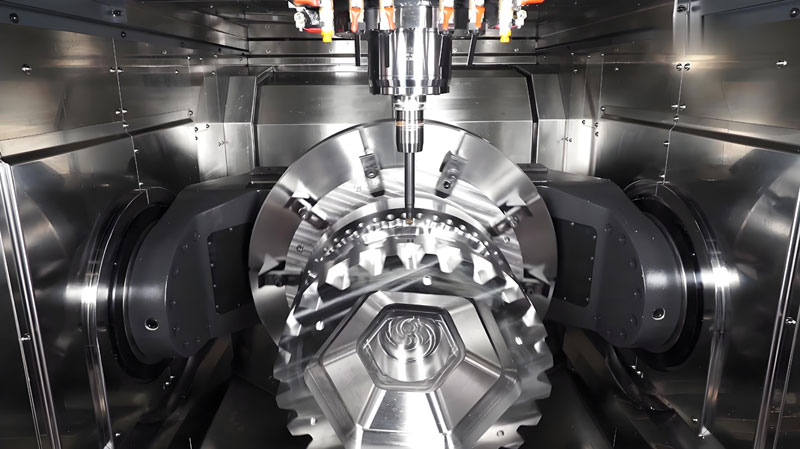
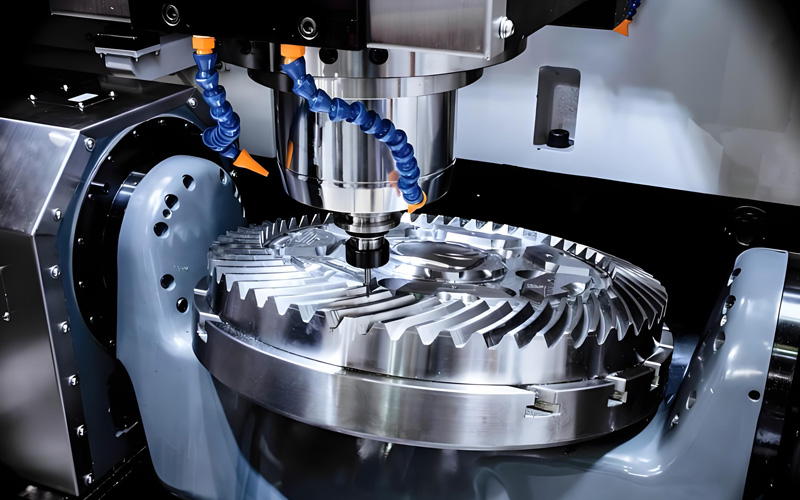
This guide explains what 5-axis CNC machining is, how it compares to 3-axis and 3+2 methods, and when it makes sense to use it. It highlights real benefits like fewer setups, higher accuracy, and lower total cost, with practical tips and a real-world case study.
Are you looking for CNC Machining service? What’s The Difference Between 3, 4 and 5 Axis Machining? How to choose the suitable CNC machine to perform your CNC machining projects?
Learn how to choose the right CNC turning tools based on material, machining operations, insert geometry, coatings, and machine conditions. This practical guide helps engineers and buyers improve tool life, surface finish, machining stability, and production efficiency while reducing overall manufacturing costs.
There are many types of precision machining, here are 5 common types of precision machining and applicable materials
This article explains why global manufacturers choose CNC machining services in China for precision parts, faster lead times, scalable production, and reliable quality control. It also explores how to evaluate Chinese CNC suppliers for long-term manufacturing success.
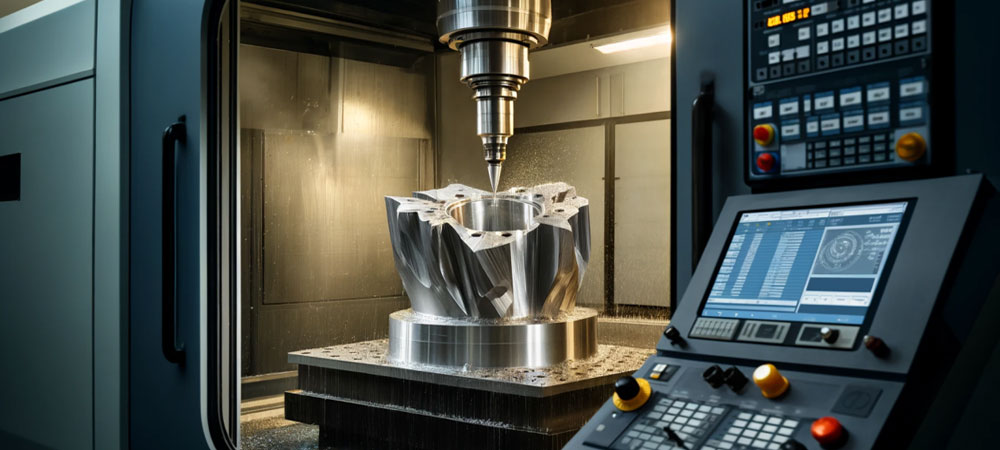
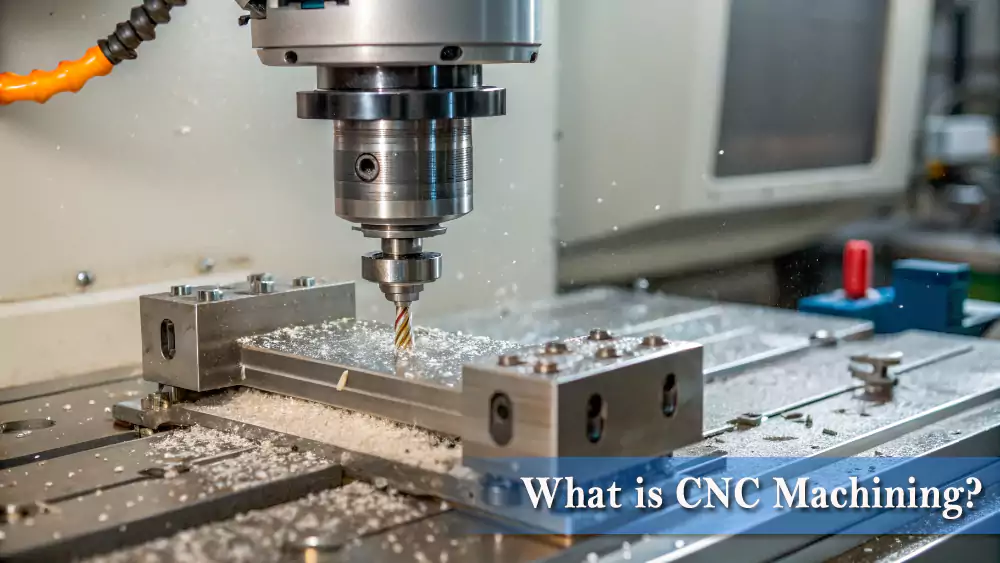
This guide explains what CNC machining is, how it works, the main machining processes, common materials, design tips, cost reduction methods, and why CNC machining is widely used in aerospace, robotics, medical, and industrial manufacturing.
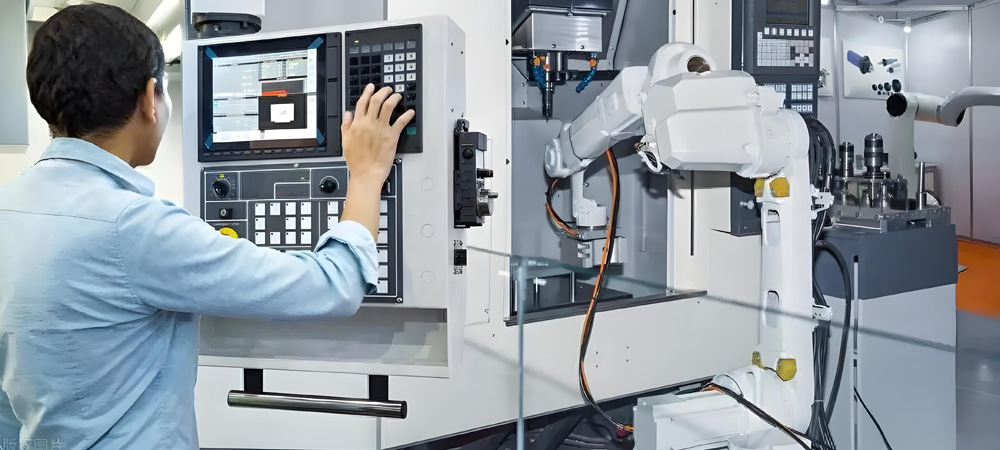
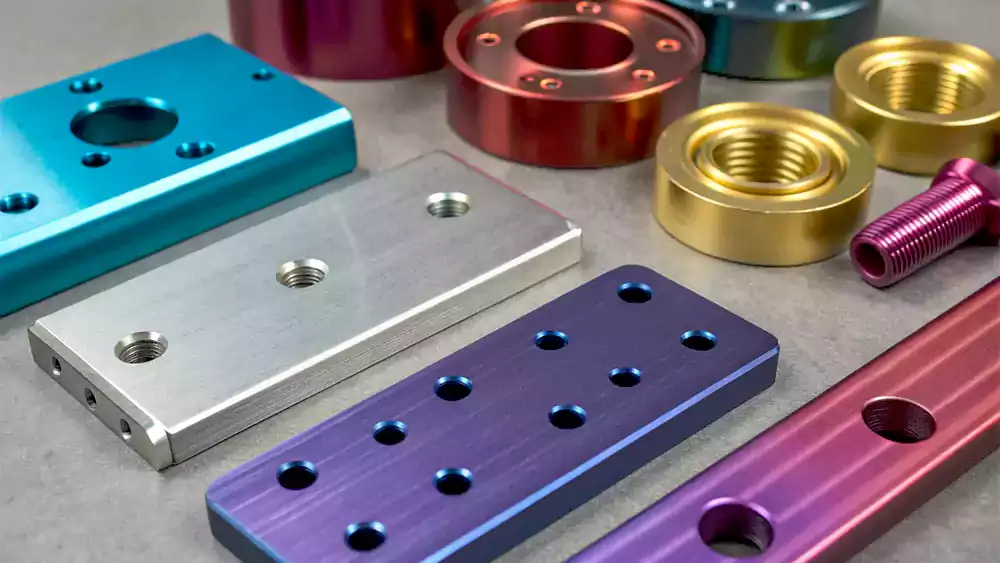
Learn common surface treatment processes for CNC machined parts, including anodizing, powder coating, plating, and polishing. This guide covers their benefits, applications, selection tips, and common coating mistakes.
There are many ways to refer to a prototype, and professional terms refer to it as “sample, verification piece, sample, proportional model, etc.” Simply put, a small number of verification samples manufactured before the product is finalized,We call it rapid prototyping.
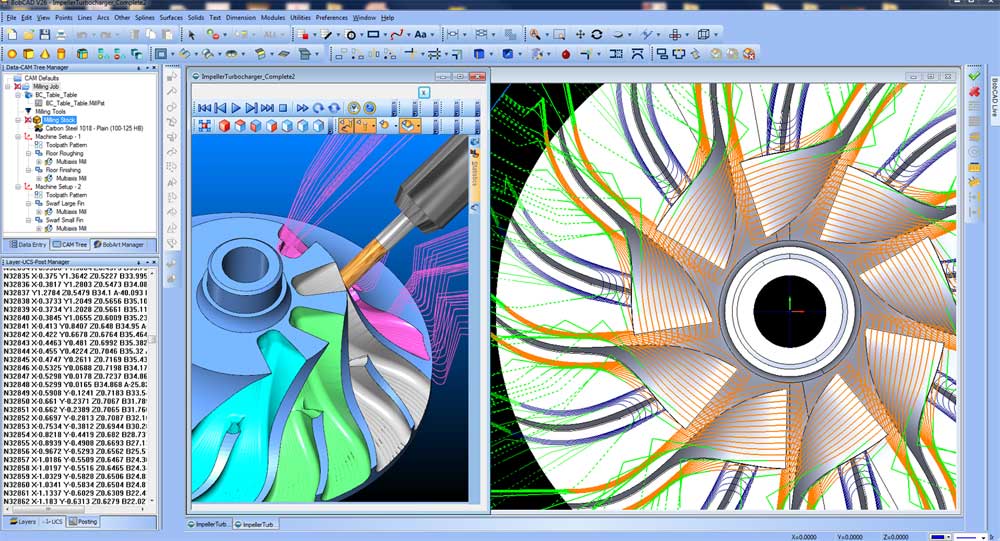
CNC Precision Machining is a high-precision and high-quality mechanical manufacturing technology, with machining accuracy reaching or even exceeding 1 micrometer.
CNC precision machining uses specialized processes and cutting tools to reduce the tolerances to the minimum values possible. This precision machining tolerance leads to higher accuracy of the parts compared to the original blueprints.
we focus on customer satisfaction. Order delivery is not the end, we provide comprehensive after-sales service that can promptly solve your problems and needs.We always put the needs and interests of our customers first and aim to provide services that exceed expectations. Our success depends on your satisfaction, so we will do our best to meet your cnc machining needs and earn your trust and loyalty.